Warning: How does inactivity and the phone change the shape of children's bodies? Diagnosis and treatment of trunk and limb deformity - Saba occupational therapy
Maryam Nasiri
tehranOccupational therapy, hand therapy
Deformity of trunk and limbs, have you noticed that your child spends hours on the phone or tablet, plays less and has gained weight, and now his back looks hunched or his knees crooked? You are not alone. In the modern world, inactivity and excessive use of digital devices, along with obesity, have become one of the main factors in causing skeletal deformities in children.
These changes can affect the child's physical development and even self-confidence, but with early diagnosis and appropriate intervention, its progress can be prevented and a complete correction can be achieved. Hand therapy and hand occupational therapy is the best non-surgical solution to treat these conditions, especially when it is accompanied by weakness of hand muscles and fine motor skills.
Saba occupational therapy and speech therapy center, as a specialized hand therapy and hand rehabilitation center in south Tehran, under the management of Maryam Nasiri (occupational therapy expert from Shahid University of Medical Sciences Beheshti and a senior occupational therapy expert from Tehran University of Medical Sciences), has treated thousands of children with specialized programs since 2013. This knowledge is based on credible research such as studies published in the Journal of Burn Care & Research and rehabilitation resources such as occupational therapy clinics, which emphasize the importance of early intervention.
 Warning: How does inactivity and the phone change the body shape of children? Diagnosis and treatment of trunk and limb deformities
What exactly are trunk and limb deformities and why do they happen?
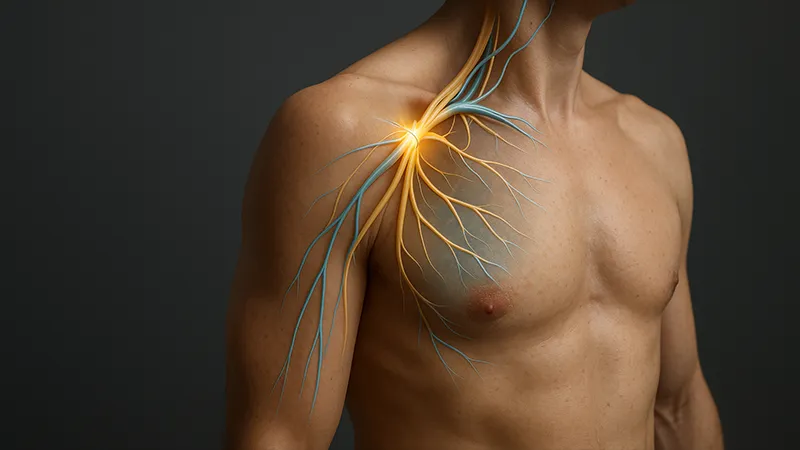
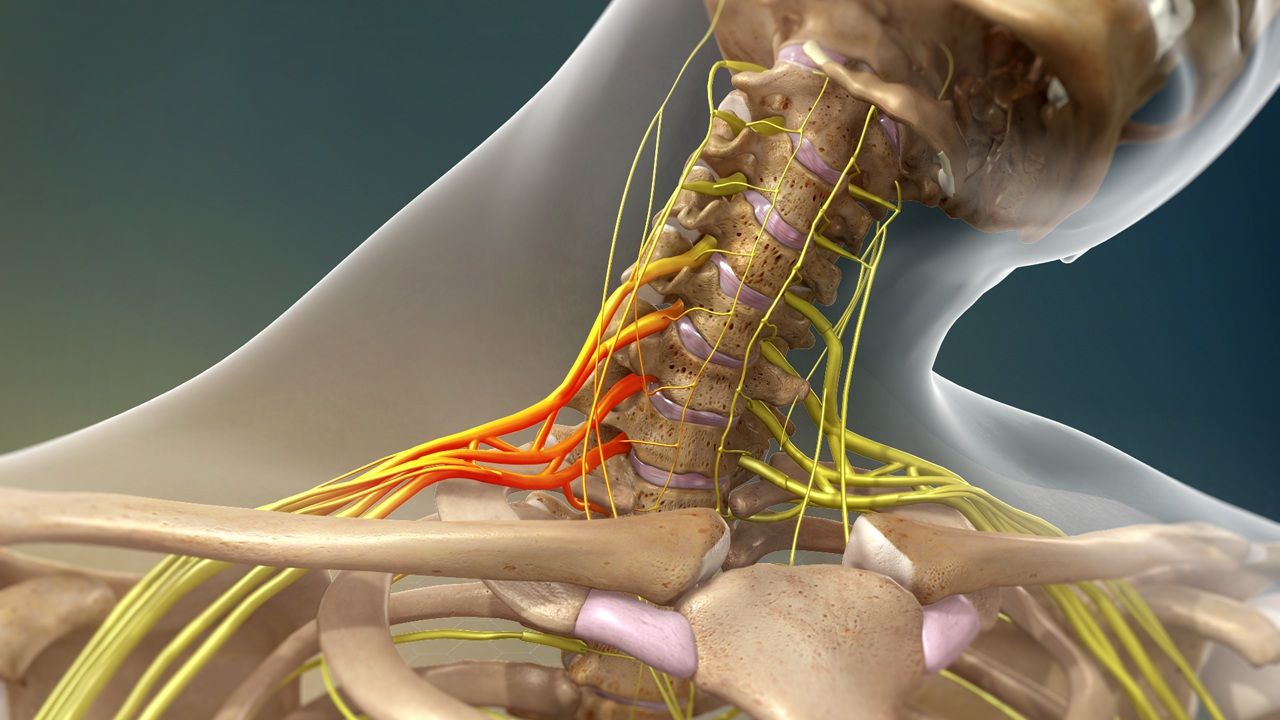
Deformities of the trunk and limbs refer to abnormal changes in the skeletal and muscular structure that can involve the trunk (such as the spine), head and neck (such as forward head posture or text neck), and feet (such as crooked knees or genu valgum, flat ankles or flat feet). Anatomically, the spine includes natural curves (lumbar lordosis and dorsal kyphosis) that maintain body balance.In children, bones and muscles are growing and sensitive to unbalanced pressures. For example, kyphosis (back hump) is an increase in the back curve, excessive lordosis (lumbar depression) exacerbates the lumbar curve, and scoliosis is a lateral curvature of the spine.
In the lower extremities, genu valgum (crossed knees) occurs when the knees come together and the ankles move apart, while flat feet refers to the loss of the natural arch of the foot. Also, genu varum occurs when the knees are too far apart and the wrists too close together, which is often associated with unbalanced pressures on the joints.
These deformities are often associated with muscle weakness and biomechanical imbalance. Studies show that more than 80% of cases of scoliosis and kyphosis in children are lifestyle-related, and if not diagnosed early, can lead to breathing problems or chronic pain. For more information on the anatomy of organs, you can visit Back Strong after a broken hand: a comprehensive guide to rehabilitation and specialized hand therapy in the south of Tehran.The key role of hand therapy in the treatment of trunk and limb deformities
Occupational therapy, as a scientific approach based on evidence, is the best method for early diagnosis and treatment of these deformities before considering surgery. According to the guidelines of the American Occupational Therapy Association, early intervention reduces the risk of deformity development by 50% and promotes natural correction. This discipline focuses on the principles of biomechanics, child development and parent education, and gives priority to non-invasive treatment, which is not only less expensive but also eliminates the risk of complications. By incorporating evidence-based exercises, occupational therapy has a success rate of over 85% and returns children to normal activities.
What is the toolbox of an occupational therapist for the treatment of trunk and limb deformities? Occupational therapists use advanced scientific tools for treatment, each designed based on clinical research:
- A detailed functional assessment: the first step, with tools such as the Posture Assessment Scale for Children to measure deviations, pain and daily function. This assessment helps to individualize the treatment plan and track progress.
- Creating supportive devices such as splints or orthoses: Custom orthoses (such as orthotic shoes for flat feet or braces for scoliosis) are designed to support the structure and prevent the development of deformity. Studies show that the use of customized orthosis reduces recovery time by 30%.
- Range of motion and strengthening exercises: including specific exercises such as neck stretching for text neck, core muscle strengthening for kyphosis, and balance exercises for genu valgum or genu varum. These exercises start from preschool age and proceed based on the principles of progressive overload, also include strengthening the palm muscles to improve writing skills.
- Advanced pain management and correction techniques: including soft tissue massage, heat/cold modalities to reduce inflammation, and neurodevelopmental techniques such as Bobath to improve postural control and correct postures such as W-sitting.
- Patient and parent education: modify daily activities such as limiting screen time, encouraging active play, and ergonomic techniques to prevent relapse. This training includes learning warning signs, nutritional strategies to control obesity, and managing attention deficits to improve ADL and academic performance.
The course of treatment usually lasts 3 to 12 months, depending on the severity. The stages include diagnosis (month 1: assessment and training), rehabilitation (months 2-6: exercises) and functional (months 6+: integration into daily life). For more details, see Treatment Ulnar nerve damage and Claw Hand with specialized hand therapy.
 Warning: How does inactivity and cell phones change children's body shape? Diagnosis and treatment of trunk and limb deformities
Your treatment plan at Saba occupational therapy clinic
Choosing a center with experience, advanced equipment and individual treatment plan is the key to success. Proper evaluation, regular follow-up, and the incorporation of evidence-based techniques minimize the risk of complications and ensure lasting recovery. A center that focuses on parent education not only treats but also teaches prevention.
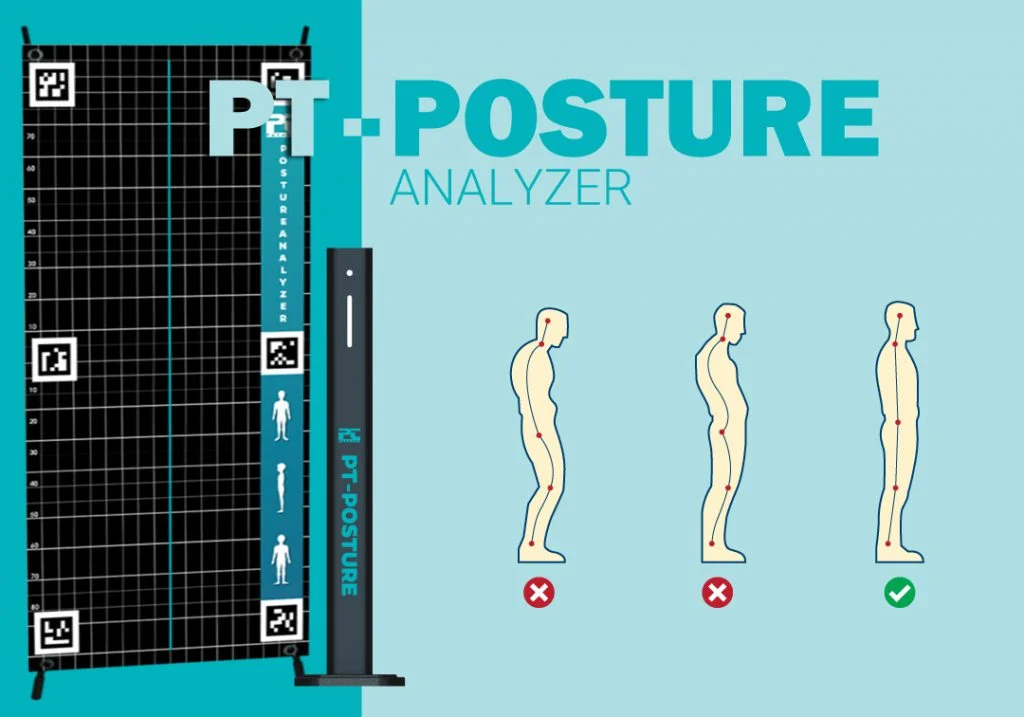
Saba occupational therapy and speech therapy center, as the best hand therapy center in south of Tehran for diagnosis and treatment of trunk and limb deformities in children, implements all the above scientific principles. The treatment program at the Saba Clinic begins with the initial assessment session, where specialists check the child's condition with advanced tools such as the Pasture Analyzer. Then, weekly therapy sessions include strengthening exercises and custom splinting, with monthly follow-ups to adjust the program. These services are provided in districts 16, 17, 18, 19 and 10, in the neighborhoods of Fallah, Abu Dhar, Yaftabad, Shamshiri and Waliasr.
Specialized rehabilitation at your home
Saba occupational therapy team provides all specialized services (including assessment, exercise therapy and orthosis manufacturing) at the child's home. Our home services are widely provided in regions 16, 17, 18, 19 and 10 and key neighborhoods such as Fallah, Abu Dhar, Yaftabad, Shamshiri and Valiasr.
Frequently Asked Questions (FAQ)
- How much time is needed to treat deformities? 3-12 months, depending on the severity and age of the child, with a focus on early intervention.
- Is surgery always necessary? No; Non-surgical occupational therapy is often sufficient, especially in the early stages.
- How to prevent progression? By limiting screen time, encouraging activity and weight control, and correcting postures such as W-sitting.
- How effective is occupational therapy? The success rate is more than 85% in postural correction.
- Do in-home services include an assessment? Yes, all techniques can be performed at home.
- How does obesity affect the feet? Increasing the risk of flat feet, genu valgum and genu varum up to 6 times.
- What are the early symptoms? Humpback, bent knees, neck or back pain, slurred speech due to weak palmar muscles, and clumsiness in ADL.
- What are the effects of using the phone for a long time? In addition to deformities, it causes attention disorders, clumsiness and problems in ADL and academic performance.
Conclusion and immediate call to action (CTA)
Pain and disability caused by deformities reduce your child's quality of life. Do not delay treatment. A small step today can create an unlimited future for him. To receive a "comprehensive postural evaluation" and expert advice by the team Maryam Nasiri at the Saba Occupational Therapy Center, call now.
Full information of the center: Name of the center: Saba Specialized Center for Occupational Therapy and Speech Therapy Area of specialization: Hand therapy and hand rehabilitation in South Tehran under the management of: Maryam Nasiri (Master of Occupational Therapy from Tehran University of Medical Sciences) Year of establishment: 2014 Address: Saeedi highway, Fallah three-way street, Propheti street, not reaching Shandiz intersection, No. 79, 1st floor, Zang DoUrgent call: 09351202087
Landline: 02166209819
Website: https://kardarmanisaba.ir/
About the author