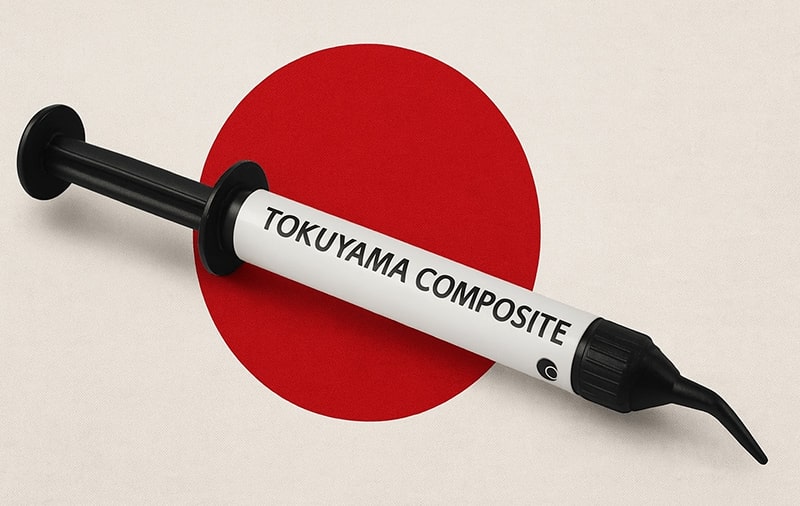


Tokuyama Composite is a high-quality Japanese product made using advanced nano (fine particles for shine and strength) and microhybrid (combination of fine particles for durability and formability) technologies. This composite has features such as long-term shine, high wear resistance, high strength, and a variety of colors, and is considered a suitable option for anterior and posterior teeth.
In the following, we will review everything you need to know about the benefits, uses, limitations, types and suitable candidates for Tokuyama Composite.
What is Tokuyama Composite?
Tokuyama composite is an advanced dental restorative material made from a combination of resin (dental plastic material) and fine particles for shine, strength and formability. These Tokuyama composite compounds make:
- The restorative color should be perfectly coordinated with the natural tooth.
- To have high resistance and durability.
- To maintain its brightness and color over time.
- With a wide range of colors, it is possible to choose the right shade for each patient.
Types of Tokuyama Composite

- Anterior composite: designed for the front teeth and creates a natural form and perfect harmony with the smile with high elegance.
- Posterior composite: It is suitable for back teeth where chewing pressure is higher, with high strength and high wear resistance.
- Asteria composite: It is used to correct the shape and form of teeth, fill small gaps and create a natural smile.
Tokuyama composite color spectrum catalog
One of the important features of Tokuyama is its wide shade variety, which allows choosing the right color for each patient. This color spectrum; They are:
- A1, A2, A3: natural colors with a slight red or yellow undertone, suitable for natural teeth.
- B1, B2: bright and soft yellow colors, suitable for a white and natural smile
- PA1, PA2, PA3: matching colors for exact coordination with the patient's main teeth
- OPA1, OPA2, OPA3: transparent and natural colors to create a natural effect and more shine
- SW (Bleach White): bright white for a Hollywood smile and whitened teeth
- BW (White Enamel): natural white enamel color for a bright and natural effect
- CE (Clear Enamel): Transparent for complete coverage and harmony with the surrounding teeth
- Omnichroma: intelligent color that adapts itself to any color of the patient's natural teeth.
Read more: Best Japanese Composite Brands
Advantages of Tokuyama Composite
- Color harmony with natural teeth: Nano particles make the color of the composite match perfectly with the patient's natural teeth and create a completely natural appearance.
- Long-term shine: Nano particles maintain the shine and transparency of the composite over time.
- High strength and abrasion resistance: The combination of microhybrid and nano technology makes the composite withstand chewing pressure and does not crack or break.
- Long durability: The color and structure of the composite remains stable over the years and the need for frequent repairs is reduced.
- Can be used on anterior and posterior teeth: It is suitable for both front teeth that need delicacy and back teeth that bear more pressure.
- Excellent polishability: The composite surface is easily smoothed and polished, creating a natural and shiny appearance.
- Easy spreading and easy shaping: The doctor can easily shape the composite on the tooth and create a natural restoration.
- Anti-allergic property: Suitable for people with tooth sensitivity.
How is the method of Tokuyama composite?

To perform Tokuyama, the dentist first examines the condition of the teeth and chooses the appropriate color shade so that the restoration is in harmony with the natural teeth. Then the teeth are prepared by polishing and cleaning, and the bonding agent is placed on them to increase the adhesion of the composite.
Composite is placed on the tooth and carefully shaped and then hardened with laser or halogen light. At the end, the surface of the composite is polished and polished to maintain the shine and natural appearance, and the final form is checked and handed over to the patient.
Tokuyama composite price
The price of each Tokuyama composite unit is usually in the range of 5 to 6 million Tomans and this price depends on factors such as the type of color shade, the location of the tooth (front or back), the number of restored teeth and the expertise of the dentist. Also, the condition of the patient's mouth and teeth and the need for preliminary preparations can affect the final cost.
Who are the right candidates for Tokuyama Composite?
- Decay, fracture or partial cracks of teeth: suitable for repairing damaged teeth and restoring their strength.
- Anterior or posterior teeth in need of restoration: for the beauty and function of the front and posterior teeth.
- Distance between teeth or gummy smile: suitable for people who are looking for a natural and bright smile.
- Persons with ivory sensitivity: Tokuyama composite has anti-allergic properties and is a suitable option for these people.
Read more: The best composite doctor in Shariati
People who have weak or severely damaged teeth, do not follow oral and dental hygiene, or have teeth grinding habits, are not suitable candidates for this method.
Comparison of Tokuyama composite with IPS and Sarmco composite
| Brand / Product | Country of manufacture | Durability / Longevity | Abrasion and fracture resistance | Suitable for | Variety of color and harmony with natural teeth | speed of doing work | Approximate price |
| IPS Empress Direct | Germany | 7-10 years | OK | front and back teeth | Very good, natural and stable color | Medium (about 15 to 20 minutes per tooth) | 5-6 million Tomans |
| Tokuyama Estelite Sigma Quick | Japan | 5-8 years | OK | front and back teeth | Excellent, color matching with natural teeth (chameleon effect) | Fast (about 10 minutes per tooth) | 5-6 million Tomans |
| Saremco APT/ELS | Switzerland | 8-12 years | Very good | Back teeth and large restorations | Good, natural color but less variety | Medium (15 to 20 minutes for each tooth) | 6-7 million Tomans |
Possible side effects of Tokuyama composite
- Possibility of loosening or separation of the composite after a few years, especially if a lot of pressure is applied to the tooth.
- Creating dental sensitivity in some people, especially when eating hot and cold foods.
- Slight color change in case of continuous consumption of colored drinks such as coffee, tea and soft drinks.
- Possibility of tooth decay under the composite if oral and dental hygiene is not observed.
People who do not have proper oral and dental hygiene, the life of the composite will be short for them. Also, those who have a weak or very thin tooth structure, the adhesion of the composite on the tooth may not be stable.
Care after Tokuyama composite
To maintain the natural appearance, durability and longevity of Tokuyama composite, it is better to observe the following points:
- Avoid hard and chewy foods for the first 24 hours after the composite, until the material stabilizes.
- Avoidance of colored drinks such as coffee, tea and soft drinks for 24 hours after the composite.
- Brushing and flossing after every meal to prevent the formation of plaque and decay under the composite.
- Observation of oral and dental hygiene on a regular basis and periodic visits to the dentist to check the condition of the composite.
- Avoid teeth grinding or use a night protector if you have this wrong habit.
- Using a salt water rinse or antiseptic mouthwash in the first days to reduce possible inflammation and swelling.
- Balanced and soft diet in the early days so that the composite is not damaged.
Read more: Composite for teeth Italics
Important note: Tokuyama composite maintains its brightness, color and strength for years by observing these cares and shows the natural appearance of the tooth well.
Conclusion
Combining nano and microhybrid technologies, Tokuyama composite provides high strength, wide color variation and long durability for the restoration and beauty of teeth. This composite is suitable for people who are looking to correct the shape, color and natural appearance of their teeth and have long-term durability with oral care.To get the best results of treatment and expert advice, contact Simin Barangi, a cosmetic dentistry specialist, and book your appointment today to have a beautiful and natural smile.
FAQ

Is it possible to re-stain or re-polish after Tokuyama composite?
Yes; The dentist can polish the surface of the composite in periodic visits to maintain its shine and natural appearance.
Is Japanese Tokuyama composite suitable for teeth with old fillings?
Yes; This composite is used on teeth with fillings or old restorations and creates a uniform appearance.
Does the consumption of colored food cause a long-term color change of the composite?
Although Tokuyama composite has high resistance, continuous consumption of colored drinks and foods will cause a slight color change; Therefore, it is important to follow oral care.