The cause of gingivitis after implant + treatment Amytis

Dr. Mehsa Ensi
TehranSpecialist in gum surgery - implant
role Gingiva in implant successCause AnalysisIs It causes implant failure Prevention Gingival analysis
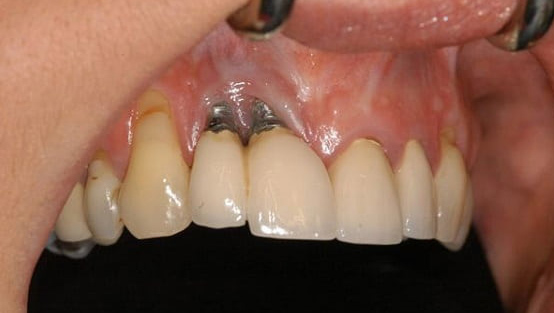
Gingival analysis after dental implant is one of the common but preventable problems that, if neglected, can disrupt the beauty of the smile and reduce the longevity of the implant. This problem is usually caused by improper placement of the implant, low bone and gum density, infection and inflammation around the implant, pressure or improper installation of the veneer, smoking, and gum disease. Its symptoms include the exposure of the implant base, longer visible crown of the tooth, bleeding or inflammation of the gums, pain and changes in the appearance of the smile line. For the treatment and prevention of gum analysis, methods such as gum and bone grafting, implant coating correction, laser therapy and strict oral hygiene are recommended.

 -
Text size
+
-
Text size
+
Gingival analysis around the implant is one of the concerns that can affect both the function and the cosmetic treatment that is apparently successful. Although dental implants are considered one of the most effective methods for replacing lost teeth, if the bone and surrounding soft tissue do not match properly, complications such as gingivitis around the implant may occur. This issue can not only affect the beautiful appearance of the smile, but in some cases it also threatens the function and durability of the implant. In this article, we examine what exactly is gingivitis after implant, what factors cause it to occur, how to prevent it, and if it occurs, what are the solutions to treat it.
What role does the gum play in implant success?
Gums, as one of the main protective tissues in the mouth, play a vital role in the success and durability of dental implants. Contrary to the popular belief that focuses only on the jawbone, the health and quality of the gums are also absolutely necessary to create a stable and aesthetic foundation around the implant.
Healthy gums help the implant to integrate well with the surrounding tissues, prevent the entry of bacteria and infection, and maintain the natural appearance of the teeth. If the gingiva is thin, inflamed or infected, it may cause the implant base to not be properly fixed in place, or to erode and recede in the long term. This situation can cause the metal base of the implant to be seen, reduce the beauty of the smile, and even loosen or completely fail the treatment.
Read more about types of periodontal disease and its treatment
Therefore, before doing the implant, it is very important to accurately evaluate the condition of the gums and, if needed, to strengthen it with methods such as gum grafting.
The cause of gingival recession after dental implant

- Lack of bone density or volume
Lack of bone in the implant site can cause many problems. In the absence of proper bone support, the prosthesis or dental crown will not fit properly and this issue can lead to receding gums over time. This problem is more common especially after tooth extraction which occurs along with bone loss.
- Damage caused by surgery
Using excessive pressure or trauma during implant surgery may cause damage to gum tissue or bone. This issue usually occurs due to the insufficient experience of the surgeon, anatomical problems, or the use of inappropriate tools, and can lead to a delay in the healing process and gingival resorption.
- Infection (peri-implantitis)
Bacterial infection around the implant, known as peri-implantitis, can cause inflammation, bone loss and ultimately receding gums. Failure to observe oral hygiene is one of the main causes of this problem.
- Improper placement of the implant
Incorrect placement or with the wrong angle of the implant can put additional pressure on the surrounding tissues and structures. This pressure causes gingival erosion and may even affect the stability of the implant itself.
- Overloading (Overloading)
If the prosthesis designed on the implant does not fit well or is made of an unfavorable material, excessive force may be applied when chewing. These pressures cause tissue instability and gum degeneration.
Read more: Cause Swelling and swelling after implant
- Lack of soft gum tissue
If the amount of soft tissue around the implant is not enough, the area is more vulnerable. This situation may lead to the exposure of the metal of the implant and cosmetic concerns.
- Improper prosthesis design
Incorrect design of dental prosthesis can cause local pressures on the gums and these pressures lead to the receding of the gums in that area over time.
- Smoking
Smoking disrupts blood circulation and the healing process. This factor is considered one of the most important factors that increase the risk of implant failure and gingivitis, because it deprives the tissues of receiving enough oxygen and nutrients.
Will I lose my implant with receding gums?
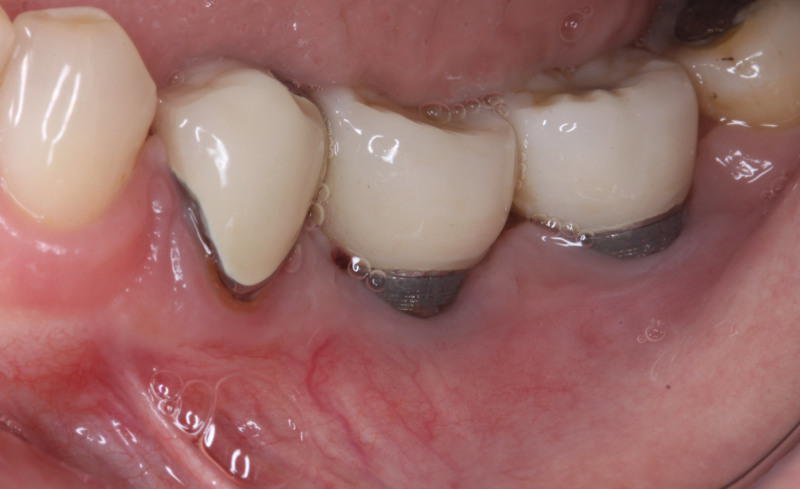
It doesn't always have to be this way — but it's definitely a serious warning that shouldn't be ignored. If gingivitis around the implant is not treated, it may lead to the following complications:
- The appearance of the metal surface of the implant
- Progress of the problem to the point of "peri-implantitis" (infection around the implant)
- Loss of bone around the implant that jeopardizes its stability
4. Regular visits to the dentist for examination and calculus
Regular checkups allow the dentist to detect and treat early signs of gingivitis or pre-implantitis, before the problem reaches a serious stage.
5. No smoking
Smoking is one of the main factors in gingivitis and implant failure. Quitting smoking can significantly increase the chances of surgery success and the health of oral tissues.
6. Use of a standard and suitable prosthesis or dental crown
The correct design of the cover or prosthesis on the implant prevents unbalanced pressures on the gums and surrounding tissue. This item must be designed and installed by a specialist dentist.
Warning signs of gingival recession after implants
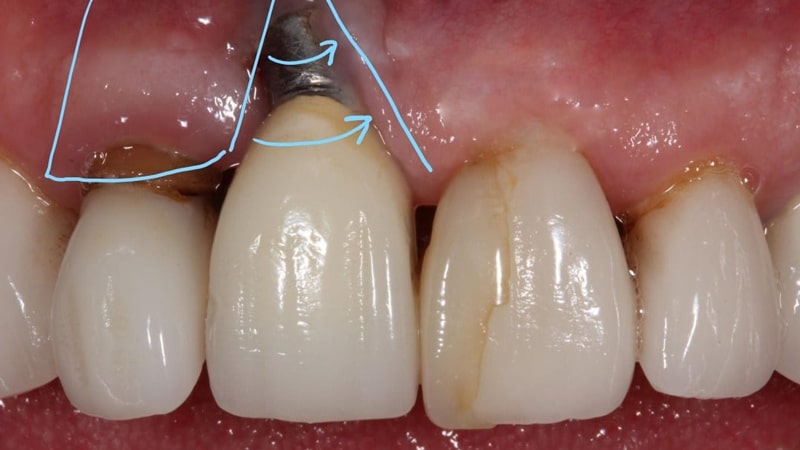
Early detection of gingival recession symptoms can prevent the development of the problem and damage to the implant. Some signs that should not be ignored are:
- The appearance of the metal border of the implant or tooth crown
- Gum darkening or discoloration around the implant
- Feeling sensitivity or pain when eating hot and cold foods Redness, swelling or bleeding of the gums when brushing or touching
- Persistent metallic taste or bad breath
- The implant looks shorter or longer than the side teeth
If you see any of these symptoms, it is necessary to see a dentist quickly.
What should be done in case of gingivitis?
If gingival recession occurs after an implant, prompt action can prevent the problem from progressing and increase the chance of saving the implant. Suggested steps include:
- Immediate visit to a dentist or gum specialist to accurately assess the condition of the tissues and bone around the implant
- Deep cleaning of the area around the implant in case of plaque or infection (such as debridement methods or use of laser)
- Drug treatment with antibiotics in case of peri-implantitis diagnosis
- Adjusting or replacing the implant cover in case of unbalanced pressure or inappropriate design
- Planning for reconstructive procedures, such as soft tissue grafting or bone grafting in more severe cases
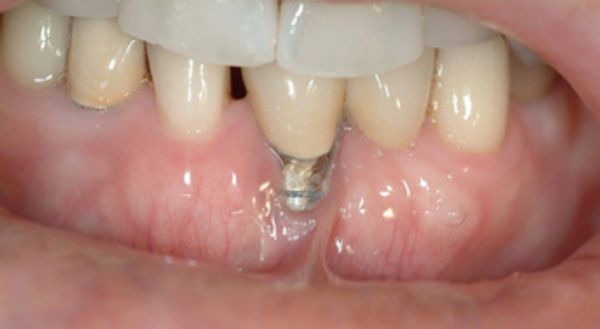
1. Can gingivitis around the implant be treated without surgery?
In some mild cases, it is possible to improve the health of the gum tissue without the need for surgery. By strengthening oral hygiene, controlling inflammation, and using special tools such as interdental toothbrushes, antibacterial mouthwashes, and regular dental scaling, you can prevent the progress of gingivitis and keep it stable in the early stages.
However, when the receding gums have occurred significantly, this tissue does not return naturally, and in such cases, surgical intervention such as gum grafting is usually required. Visiting a gum specialist (periodontist) in the early stages of analysis can increase the chances of non-surgical treatment.
2. How common is gingivitis after implants?
Gingival analysis after implant is not inevitable, but it is one of the relatively common side effects; Especially when there is not enough bone or gum tissue at the implant site.
Factors such as smoking, incorrect placement of the implant, or not observing oral hygiene, increase the risk of this problem. Even in cases where the surgery is done correctly, if the gums are thin (thin biotype) or the dental crown is designed too prominently, the soft tissue may recede.
3. Is gingivitis around the implant painful?
Gingivitis itself usually does not cause severe pain, but it can be associated with increased sensitivity and discomfort; Especially when consuming hot or cold foods and drinks.
The exposure of the metal part of the implant may irritate the surrounding soft tissues. Over time, if the problem progresses or an infection occurs, the area around the implant may become inflamed or painful.
In fact, pain is usually more related to underlying problems such as peri-implantitis (infection around the implant). Addressing this problem in the early stages usually prevents severe pain and more serious complications
4. What happens if I ignore the gingival analysis around the implant?
Ignoring gingival analysis can lead to serious complications; including infection, bone loss, and finally complete failure of the implant. As the gums recede, the surface of the implant is exposed, and this exposes it to bacterial attack.
In such situations, the possibility of peri-implantitis (infection around the implant) increases—and this type of infection is usually more difficult to treat. The longer the treatment is delayed, the greater the damage and the more complicated and expensive the treatment.
Timely assessment and care is the key to maintaining the beauty of the smile and the health of the implant.
Approved by:Dr. Shaghaig Parvizi
Dental clinic Amytis
Amitis Dental Clinic, managed by Dr. Mohammad Parsa and specialized in cosmetic, restorative and implant treatments for more than 15 years, is one of the reputable dental clinics with modern equipment and experienced team in Tehran. This center has provided more than 10,000 successful services to patients, and Amitis Dentistry, in addition to treating domestic patients, has also treated international and foreign patients.
previous post
value Tooth sharpener for coating
Next post
Cancel Answer