
Physical therapy and rehabilitation for knee osteoarthritis

Dr. Zohra Eshghi
ShirazPhysical medicine specialist - nerve and muscle tape
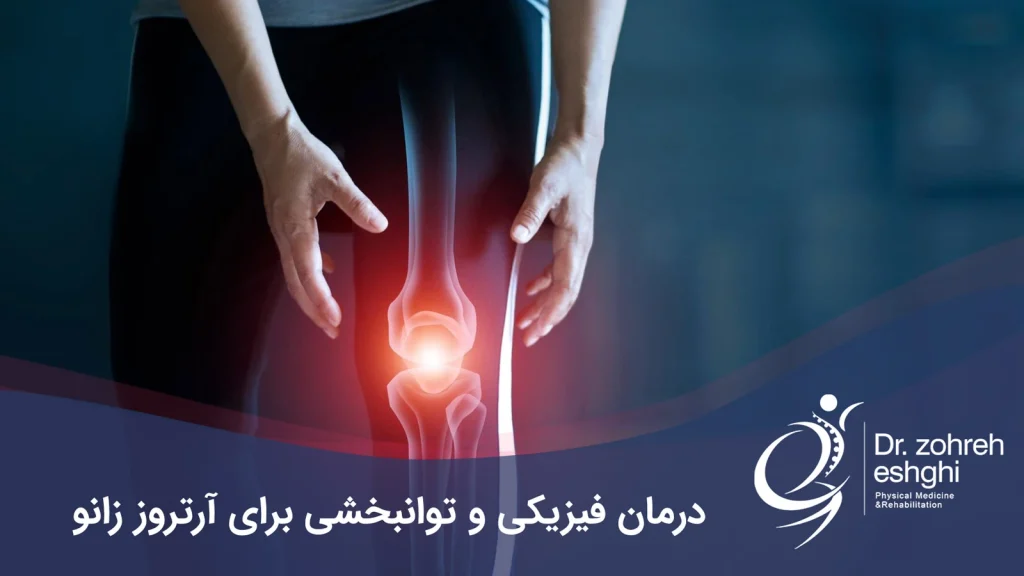 which occurs over time and the cartilage of the bones of the knee joint is slowly eroded due to overuse or injury.
 Physical therapy, physical medicine and rehabilitation specialists or physiotherapists help to reduce the symptoms of knee arthritis, slow the progression of the disease and provide a comprehensive and personalized program that includes exercise and therapy.
In this case, the patient with bone arthritis is helped to move safely and improve the function, strength and range of motion of the knee joint.
What is knee arthritis?

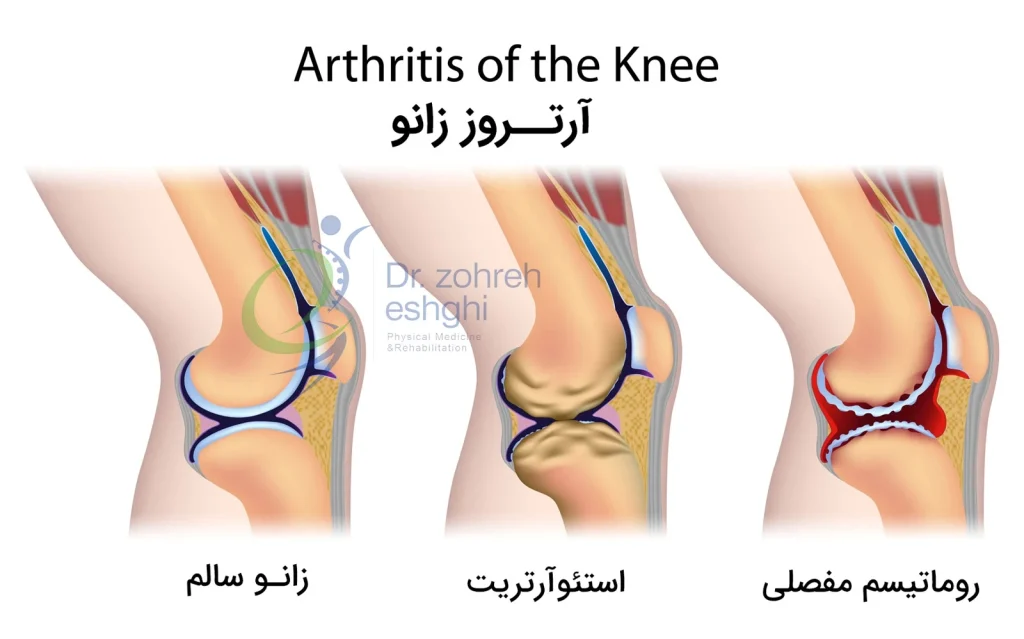
Arthritis is recognized as the leading cause of joint pain in the United States. This chronic and progressive disease causes inflammation, swelling, pain, and stiffness in the joints.
Osteoarthritis is the most common form of arthritis that affects 27 million Americans, and one out of every two people in the United States will be diagnosed with knee osteoarthritis at the age of 85.
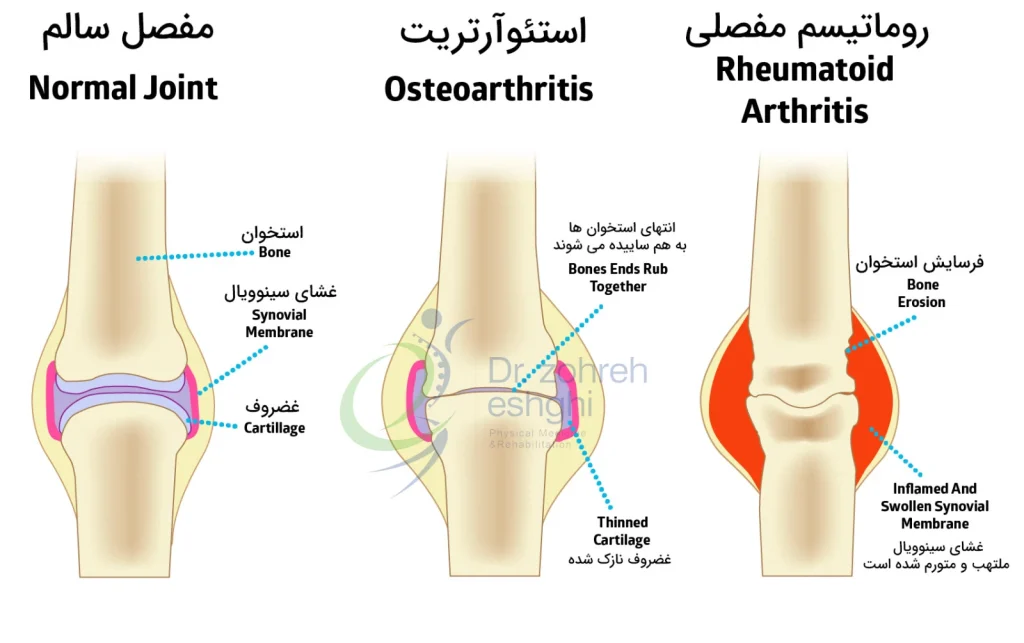
Knee osteoarthritis is a joint disease that is defined by pain, stiffness, and loss of knee strength. In osteoarthritis, the rubber cartilage covering the ends of the bones in the joints breaks down.
Cartilage lubricates the joints, distributes the force applied to the joint and helps reduce friction during movement.
With the breakdown of the cartilage, the bones of the knee joint rub against each other during movement, causing pain, swelling, and damage to the bones.
Knee arthritis usually occurs over time. and erodes the cartilage around the leg bone and femur bone. Sometimes due to impact or accident, this problem occurs earlier.
Our services: joint specialist in Shiraz
Risk factors in knee arthritis
- Age : With age, the risk of arthritis increases due to natural wear and tear. With age, cartilage and synovial fluid, which lubricates the joints, decreases drastically.
- Previous injuries: Damage to a specific joint such as the knee increases the risk of developing arthritis in the future.
- Genetics: Some people have more difficulty in forming cartilage.
- Obesity: Excess weight puts significant pressure on weight-bearing joints, especially the knee.
- Occupation: In some jobs, frequent squatting, bending, There are many squats that put a lot of stress on the knee. Such as construction workers, babysitters, workers in the mine...
- Sports: Athletes who repeatedly use a particular joint or put a lot of pressure on the joint are also at risk of knee arthritis, such as ballet dancers, runners, throwers in baseball, offensive linemen or defensive linemen of American football.
Symptoms of knee arthritis

Symptoms of knee arthritis are:
- Knee stiffness, especially in the morning, which resolves within 30 minutes
- Knee stiffness after prolonged sitting or lying down
- Pain during activity that is relieved by rest
- pain when pressing on the knee
- a cracking or other type of noise in the knee joint
- a feeling of locking or stiffness in the knee
- increased bone growth around the joint that can be felt
- difficulty in performing daily activities such as walking, squatting, climbing stairs, getting in or out of a car
Treatment, Physical Medicine and Rehabilitation of Arthritis Knee
Physical treatment and rehabilitation of knee arthritis is the main part of the treatment plan for the problem of arthritis. This method of treatment both reduces knee pain and has other benefits that we will mention below.
Actually, the doctor or physiotherapist works with the patient to return to his normal life and be able to live with this problem.
Physical medicine and rehabilitation solutions to control knee arthritis
After the diagnosis of knee arthritis, the doctor starts physical medicine or refers the patients to a specialist Expert Orthopedic In general, the following strategies will be used to treat knee arthritis:
manual therapy (manual therapy)

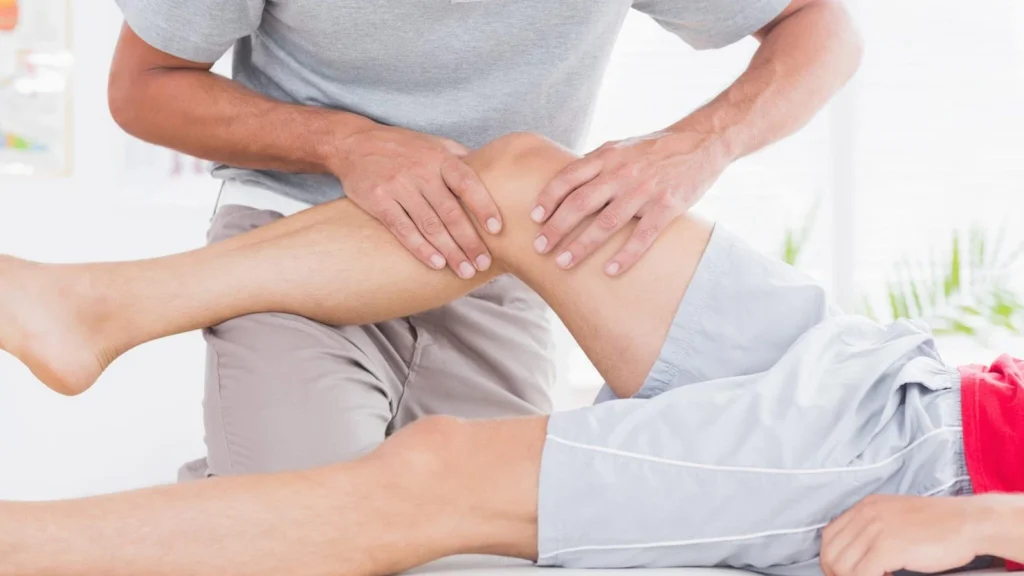
Usually the first thing that comes to mind when hearing physical therapy is manual therapy. Two practical treatments are used in the therapy routine:
Massage
The therapist rubs, kneads or presses the muscles around the knee. This reduces joint stiffness, reduces pain and increases mobility.
This treatment is a great help to prepare the knee for other more active treatments.
Knee joint manipulation
In this treatment, the physiotherapist tries to move the joint himself so that the soft tissues are stretched in the range of motion. It also helps with mobility and pain.
Both techniques are more effective when combined with exercise, and as independent treatments, only provide short-term relief.
Heat therapy
This method uses heat or cold to receive therapeutic benefits. Both can help reduce pain, but in different ways.
Heat reduces symptoms by increasing blood flow to the affected area, but cold numbs the nerves and reduces inflammation in the joint.
When it comes to knee osteoarthritis, your therapist will likely recommend heat therapy, but if you prefer cold therapy to a warm compress, ask your doctor. Say.
Electrotherapy
In this procedure, the therapist places electrodes around the knee joint to transmit an electrical signal. As a result, pain is reduced. The electric current changes the nerve activity and the symptoms decrease quickly.
Although the effect is short-term, for this reason it is used at the beginning of the session and before starting exercise. There are different types of electrotherapy, the most popular of which is TENS, which means electrical nerve stimulation through the skin.
TENS is a portable device that is also used for home treatment. In this case, it will be used at home when the pain is severe.
Our services: Electrotherapy in Shiraz
sports therapy

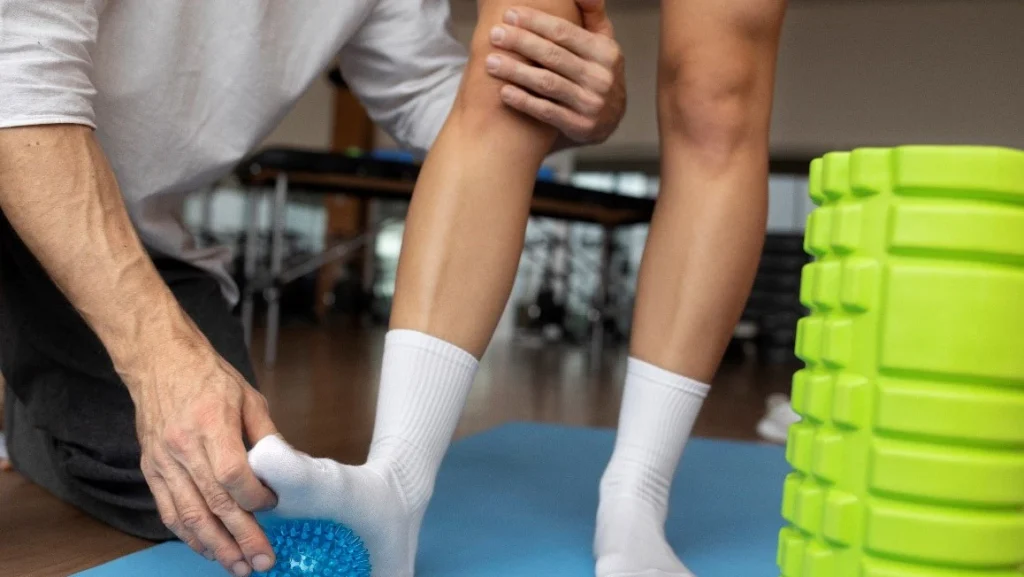
One of the best treatments prescribed by physical therapy and rehabilitation specialists for knee arthritis is exercise therapy. Exercise improves pain and function and prevents further degeneration, regardless of:
- Age Patient
- symptom severity
- arthrosis
- stage of wear (degeneration) of the knee
- general health of the patient
150 minutes of aerobic exercise per week is sufficient. Strength training with normal to intense intensity twice a week also has good results.
If you prefer to walk for the health of your knees, 5700 to 7500 steps a day is enough.
But before starting any exercise, make sure that a temporary increase in knee pain or muscle pain after exercise is completely normal. You should know that the disease is not getting worse and it is your tissues that are adapting to new stimuli.
So keep exercising because things will get better. In general, there are several types of exercises that physical therapists use to help with knee arthritis:
Supervised exercise program
The therapist provides a series of exercises and monitors the patient while doing them. These exercises are very useful for people with severe pain or body stability problems.
This work can be done individually or in groups. Common examples of supervised exercises include:
- Yoga
- Tai Chi
- Pilates
- Arthritis specific movements
- Aquatic exercise
Home exercise programs
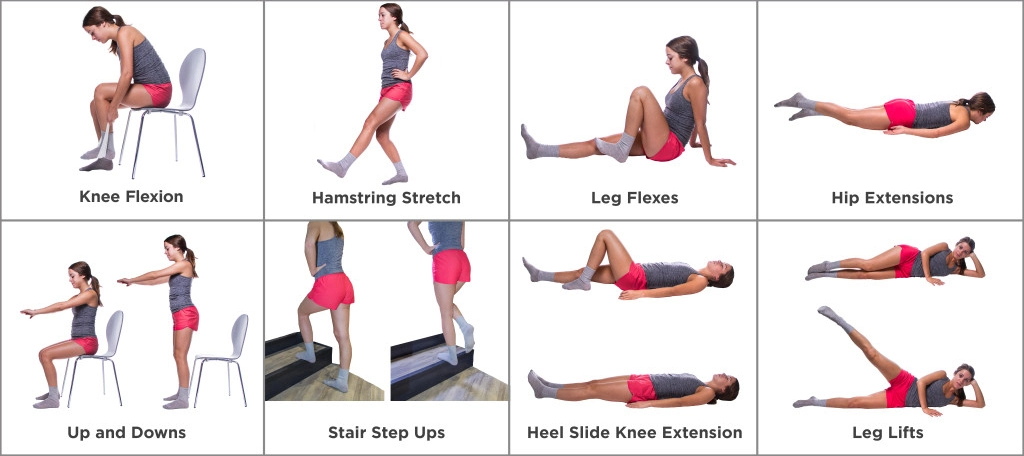
Physical medicine and rehabilitation specialist in Shiraz, offers home exercise programs that are the core of the treatment and it is necessary to do it.
These exercises strengthen and maintain the treatments done in It becomes a clinic. The physiotherapist offers a series of movements to strengthen leg muscles and stretching exercises to strengthen movement and joint health.
If, for example, you don't like some of your sports movements, ask the therapist to change them. There are thousands of different exercises that target the same muscle group.
Activity modification programs
Some patients need to change the way they perform certain activities so that their knee arthritis symptoms do not worsen.
These modifications can be as simple as new ways to lift objects off the floor to prevent kneeling.
In any case, the physiotherapist will provide specific recommendations according to the patient's needs.
Knee cover
Using a knee brace helps the patient avoid pain and stiffness during the day. In this case, life with arthritis will be easier.
If the symptoms indicate the need for a knee brace, the doctor will prescribe it. The knee braces that prevent further wear and tear of the knee include:
knee sleeve
These simple covers act by compressing the knee joint, bringing blood flow to the affected point, and as a result, pain is reduced and mobility is increased.
It is recommended for patients with knee arthritis to have at least one quality knee sleeve at home. Because it is a lifesaver if the symptoms worsen.
Hinged braces
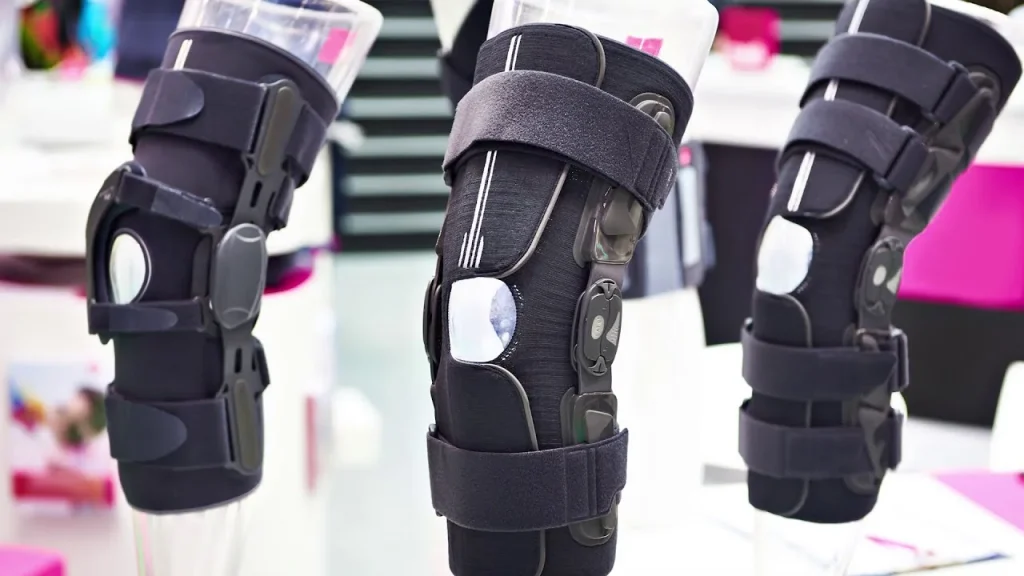
Knee arthritis can cause meniscus or ligament problems that affect joint stability.
In such cases, a hinged brace is the best choice. This cover supports the knee and makes it easier to walk, climb stairs or even squat without joint vibration.
Unloader brace
These braces are designed to reduce the load on one side of the knee. In this case, they will be very suitable for people with unilateral arthritis.
Although it is a little more expensive than other options, but if you have one-sided erosion of the cartilage in the joint, it will do wonders to relieve the symptoms.
Read more: What is an orthopedic brace + Applications
Preparing for the intensity of pain
One of the most disturbing issues about this disease is its intensity at times. This pain is more for patients with bilateral knee arthritis. In these cases, the therapist helps and designs a plan.
In this case, you know what to do and how to manage it. A physical therapist will also be there for you when pain flares up.
Although these sessions may not be as focused on exercise as others, they will likely focus on passive therapy to reduce symptoms.
What if a physical therapy program is not enough?
Physical therapy is one of several programs to manage knee osteoarthritis that must be combined with other treatments. For example:
Weight loss
A body mass index above 25 is a risk factor for developing and worsening knee arthritis. For this reason, the patient must lose weight first.
This weight loss does not need to be severe, and between 5 and 10% weight loss helps reduce pain and improve quality of life.
Weight loss should be achieved through a combination of diet and exercise.
Nutritional supplements
There are various types of supplements available and the most common ones for knee arthritis are From:
- Glucosamine which helps to maintain cartilage joint
- Turmeric which has anti-inflammatory properties and is comparable to non-emergency anti-inflammatories
- Hyaluronic acid which is used orally and enhances the effects of hyaluronic injection
- Vitamins the lack of some of which increases knee pain Can
- supplement CBD: helps to reduce pain and sleep better
Deciding to take supplements is challenging at the moment, so you should first think about what your purpose is for taking it.
Although many food supplements are safe, they cause adverse reactions in some people. If you have a specific problem or medical history, see a doctor.
Medications

One of the fastest ways to relieve knee joint pain is drugs. But there are many side effects.
The knee arthritis physical therapy and rehabilitation specialist recommends certain drugs depending on the age, symptoms, general health of the body and other factors. Acetaminophen and non-steroidal anti-inflammatories such as ibuprofen are mostly used for knee arthritis.
If these drugs are not suitable, ampoules will be prescribed. The type of injection depends on the symptoms, but common options include:
- Corticosteroids
- Hyaluronic acid
- PRP knee injection in Shiraz (platelet rich plasma)
Surgery Knee
Surgery is usually the last resort to manage osteoarthritis symptoms. If all of the above treatments have failed after 6 months, surgery can be considered.
For some patients, knee replacement is very effective, but you must finish all other treatments first.
Otherwise, surgery will worsen symptoms instead of improving them. If surgery is chosen, then physical therapy should be done. In this case, proper recovery and recovery of knee function is ensured.
Frequently asked questions
Do physical therapy and rehabilitation help knee arthritis?Yes, regardless of the stage of knee arthritis, physical therapy (physical medicine and rehabilitation) along with physiotherapy will be the key to recovery.
What kind of exercise is good for knee arthritis? Is it?Walking, yoga, tai chi, pilates, strength training are great for this disease. But in general, the type of exercise is not as important as the patient's ability to do it in the long term.
What are the prohibited activities in the presence of knee arthritis?Avoid activities that aggravate knee arthritis and inactivity. Prioritize sleep and proper nutrition and the type of daily physical activity.
Concluding remarks
You must have understood by now why physiotherapy is a basic principle in the treatment of hip or knee arthritis. This treatment is completely individualized, it helps the patient to reduce pain and improve the function of the foot. But for the treatments to be effective, the patient must also make a lot of effort.
For Treatment of knee arthritis in Shiraz Zohra Eshghi is one of the best specialists in orthopedics, physical medicine and rehabilitation in Shiraz.

Was the article useful?
Rate it as a star
Average rating 0 / 5. Number of points: 0
No points registered yet. Be the first one





