

دغدغه بسیاری از افراد پس از جراحی بینی، تورم بینی و یافتن راهحلهایی برای کاهش این تورم است. But what is the cause of nasal swelling, especially bony nasal swelling after surgery?
In the following, we will reduce your worries and stress about the process of reducing nasal swelling by providing information about the reasons and ways to accelerate the improvement of this process.
Types of nasal swelling after surgery
Generally, two types of swelling occur after rhinoplasty; Chronic swelling and acute swelling of the nose, which are as follows:
Acute swelling of the nose
This type of swelling is normal for one to two months after the operation; Osseous swelling of the nose after the operation, which is acute, resolves after a month, and the cause of this swelling is trauma during nose surgery and its reconstruction.
But in fleshy noses, this swelling may last more than two months. There is no need to explain much about this type of swelling, because in most people it resolves after two months.
Chronic swelling of the nose
Chronic post-operative inflammation of the nose occurs due to the deposition of interstitial fluid after rhinoplasty to the lower layers of the skin, and this swelling may change in different parts of the nose.
Chronic swelling may last for several months on both sides of the nose. Also, the swelling of the tip of the nose needs more time to resolve.
How long does nasal swelling last?
Usually, acute rhinoplasty disappears after two or three months. But the chronic swelling of the nose depends on the thickness of the skin, which may last up to six months or a year and in worm Meaty noses last even up to two years; In the following, we will talk about swelling of the nose in different periods of time.
One week after nose surgery
In the first week after nose surgery, the splint is removed. Swelling of the nose after removing the splint is normal; But if your nasal bone has changed significantly, you can see changes in the nasal hump.
Especially if you have had a large hump removed from your nose. From the front view, you may feel that the tip of the nose, cheeks and upper lip are wide, hard and bruised.
Nose swelling one month after surgery
Most patients are excited about the shape of their nose at this time and can see significant improvements in the shape and position of the tip of the nose every week.
At this level, people who have a bony nose and good skin feel that the nose has become more beautiful after the operation and that the swelling of the bony nose has been resolved after the operation; But in people who have fleshy noses and thicker skin, or people who have nose surgery for the second time, more swelling is observed.
In the first month, you should use nasal tape to reduce nasal swelling.
Nose swelling 3 to 4 months after surgery
3 to 4 months after surgery, the delicacy of your nose becomes more visible as the swelling decreases; Especially the tip of the nose gradually takes shape.
But keep in mind that the final result is not yet clear and the shape of the nose compared to 1 to 2 years after the surgery has not yet reached the final result and in some cases, the desired result.
nasal edema one year after surgery
If it's been a year since your nose job and your nose is still swollen, you should see a doctor to find a solution. Most facial plastic surgeons will tell you that postoperative ossification is normal up to a year after rhinoplasty.
So you should know that the duration of one year is the general standard, in some cases it may take a year and a half to 2 years.
Swelling after surgery usually takes longer in the tip of the nose than in other areas. So if the tip of your nose is still swollen, it means that you are still going through a href="https://drjavadrahmati.com/%d8%af%d9%88%d8%b1%d9%87-%d9%86%d9%82%d8%a7%d9%87%d8%aa-%d8%b 9%d9%85%d9%84-%d8%a8%db%8c%d9%86%db%8c-%da%86%d9%82%d8%af%d8%b1-%d8%a7%d8%b3%d8%aa%d8%9f/">Period You are recovering.
Also, pay attention to inflation time; If it happens more in the morning and subsides during the day, you are probably still in recovery. You may also notice significant swelling after showering.

Why does the nose swell after removing the nasal tape?
Using nasal tape after surgery reduces the swelling of the nose. Nasal tape helps to reduce swelling by attaching the skin to the underlying tissue. When you remove your nasal patch to change it, you may feel that your nose is swollen.
This swelling is completely normal and happens due to removing the adhesive pressure from the nose. According to the type of your nose, it is necessary to use nasal tape for one to three months after surgery.
Swelling of nasal bridge after rhinoplasty
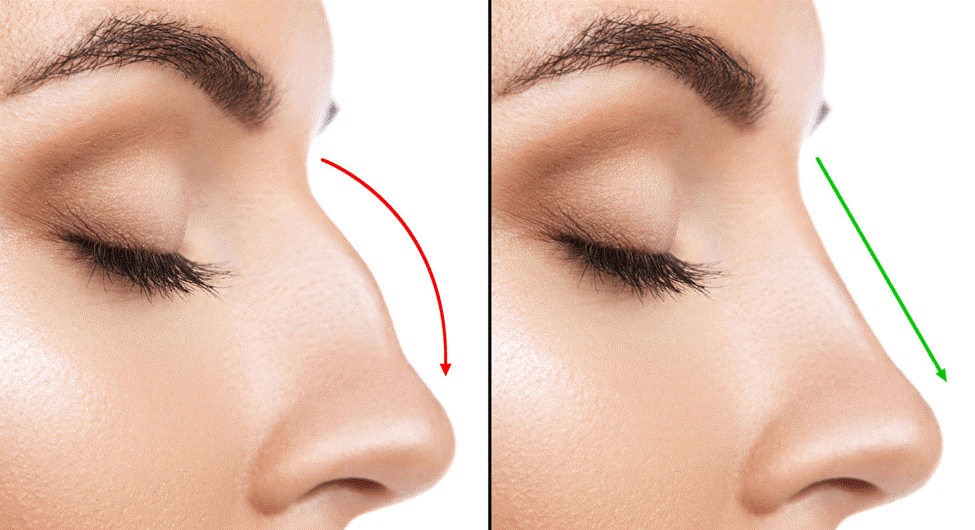
One of the concerns of people with a bony nose is swelling of the nasal septum after surgery. Swelling of the bridge of the nose after surgery is observed in some patients, and they may mistakenly think that the hump of the nose has not been removed after surgery.
Post-operative ossification and the bumps you may feel after surgery are related to swelling caused by trauma to the nasal bone.
Most likely, this swelling is caused by osteotomy (controlled cutting and fracture of the nasal bone), which is usually performed in people with a bony nose to shape the nose by surgery.
Skin thickening and slight swelling are normal in the first few weeks after surgery. To decide on the shape of the nose after surgery, wait up to three months.
What should be done if the hump of the nose is not fixed?
If the bump and swelling of the nasal bone after the operation are still there even after the recovery period, it may have a cause other than the normal swelling of the nose after the surgery.
Therefore, after one year, if the swelling or hump of the nose does not disappear, you can go to your surgeon and perform a rhinoplasty to remove this bump. In any case, consult your doctor before making any decision.
What is the cause of swelling of one side of the nose after surgery and how can it be treated?
The difference between one side of the nose and the other is not an uncommon problem, and this uneven swelling is common after surgery. In crooked noses, the skin takes a special shape for a long time.
When the underlying bone and cartilage flattens, it often takes time for the skin to contract and adhere to the new surface to make the nose appear flatter. If you sleep on your side, one side of your nose may swell more.
Nose asymmetry should improve after time; Therefore, you should not draw conclusions for the first few weeks to months after surgery. Check the area where you feel the most swelling, if the tissue is spongy and tight, it may be due to swelling and it will go away over time.
You can discuss your concerns about nasal asymmetry with your surgeon. If needed, massage and corticosteroid injection can be useful in reducing unilateral swelling of the nose.

Methods to remove or reduce swelling of the bony nose after surgery
There are effective home methods to reduce swelling of the nose after surgery and to remove bruises, which are as follows:
- Follow a proper diet after the operation.
- Use a cold compress around the nose and eyes.
- Don't keep your head down for a long time.
- When sleeping, keep your head higher than your body level.
- Do a few minutes of walking and light sports.
- Use the nasal patch correctly and ask your doctor to guide you in this matter.
- To reduce swelling, you can massage the nose under the supervision of a doctor.
Note that the way to massage the nose is very important to reduce the swelling of the nasal bone after the operation. Do not perform any nasal massage without a doctor's training.
How to use nasal tape and nose massage should be taught by a doctor so that you can do it properly at home. Also, don't stress about the result of the operation and don't jump to conclusions.
Suitable diet after nose surgery to reduce swelling
Up to two months after the surgery, you must follow a special diet in order to reduce the swelling of the nasal bone after the operation. In this diet, you should avoid using spices that cause congestion and swelling of the nose.
Pineapple or pineapple capsule is useful for healing wounds and swelling of the nose after surgery due to the presence of an enzyme called bromelain; Of course, you should keep in mind that this enzyme will not have an effect on chronic nasal swelling in the long term.
Celery juice is also one of the ingredients that is effective in removing nasal swelling after surgery; Especially if it is consumed with puree. Also, fiber foods prevent severe constipation and reduce nasal swelling after surgery.
cortone injection to remove nasal swelling after surgery
Sometimes a substance is injected into the nose by the doctor to reduce swelling, which is from the family of corticosteroids, which are anti-inflammatory substances. These substances are injected with a low dose; Therefore, there will be no risk or complications.
As a result of this injection, local swellings, especially one-sided swellings of the nose, are removed; But this substance is not used for general inflammation of the nose and nasal edema in general.
Exact injection time Cortone is not specific for reducing swelling and this time will be determined by your doctor, but it is usually done one month after nose surgery and in one to three sessions.

Conclusion
As mentioned, post-operative ossitis includes two types of acute inflammation and chronic inflammation, although this inflammation may also occur in fleshy noses, or even require more time to heal than bony noses.
Acute swelling usually goes away within the first month of rhinoplasty, but chronic swelling may take up to a month. The duration of swelling depends on the thickness of the nose skin.
The thicker the skin, the slower the swelling will disappear. The home and effective measures mentioned in the article will help you to reduce this swelling; But if this inflammation does not go away after the recovery period, you should see a doctor to find out the cause and fix it.
Also, don't stress about the result of the action and don't jump to conclusions.