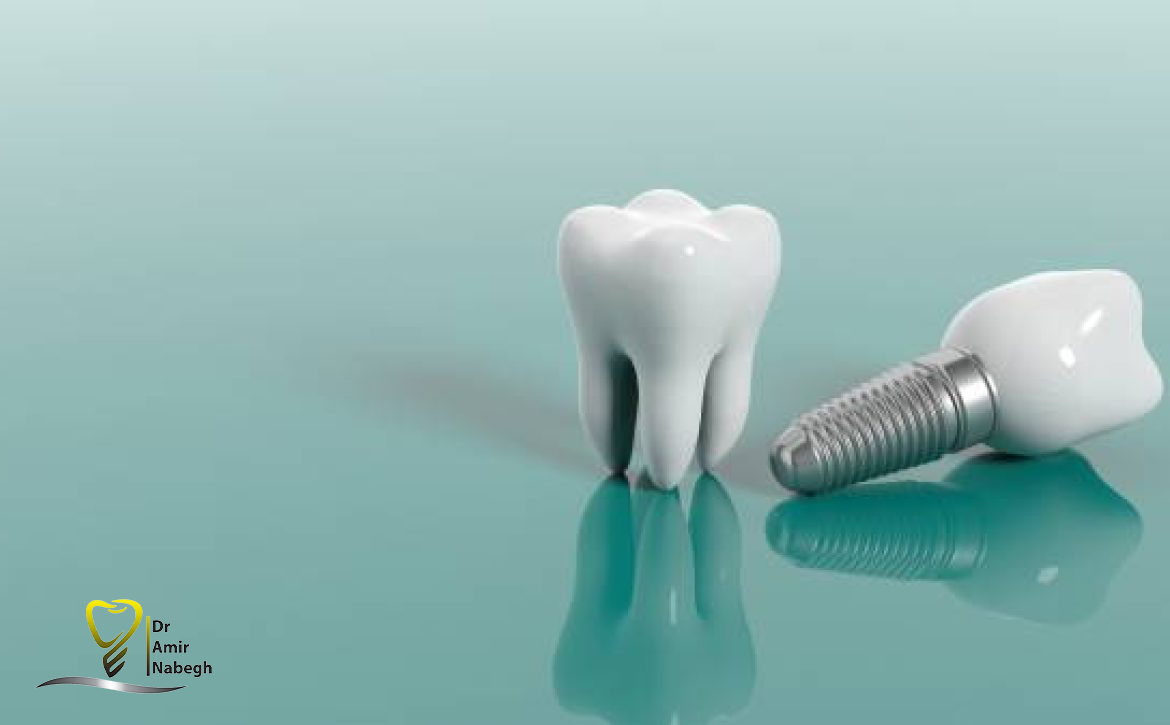
Oral hygiene for implants

Dr. Amir Nabagh
تهرانSurgeon - dentist
Maintaining oral and dental hygiene plays a very important role in the health of the body
Dental implant implantation steps include placing a metal base in the patient's jawbone to act as a root act artificially. This surgery usually involves cutting the gums, creating a space for the implant to be placed in the jaw bone, and then using a coating as a tooth crown. The metal used to make the implant is titanium, which is highly compatible with the human body.
But in order to enjoy your smile design for a long time and benefit from the benefits of dental implants, you need to make sure that after the surgery, you pay attention to the dental implant care tips and follow the necessary instructions.
The care of the implant starts from the moment of implanting the base and you must follow all the points Good oral hygiene Observe.
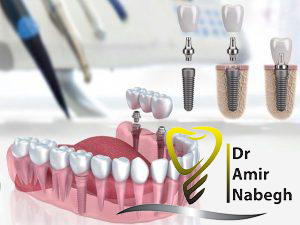
How to care for dental implants
When you choose a dental implant to fill the empty space between your teeth, you should know the implant care methods well so that you don't have to worry about the longevity, durability and health of your implant. For this reason, you should carefully follow the instructions given by the dentist after the operation. All these solutions and methods increase the speed of gum healing and ensure a good and flawless dental implant.
The following are part of dental implant care steps after surgery:
- Inflation prevention
It is normal to have a little bit of tooth or gum bleeding, swelling and discomfort in a few hours and days after dental surgery; But within a few days, your teeth and gums will heal. Usually, a brief bleeding from the tooth is normal for a day after the operation, and then it stops. If the bleeding becomes severe after two days, call the office.
This discomfort and gum pain can be controlled by taking drugs that do not require a dentist's prescription, such as ibuprofen, which also helps reduce swelling. Taking painkillers is a useful option to reduce pain, to control gum swelling, you can alternately put ice on the affected area in the first 24 hours.
Patients may need antibiotics after implant surgery, and it is very important and necessary to complete the full course of antibiotics to minimize the risk of implant infection.
- Eating and drinking
It is better to use soft foods and avoid drinking hot liquids and spicy substances for a few days after oral and dental surgery. After 3-4 days, you can return to your normal diet, but until you are completely sure of the health of the implant and your teeth, avoid chewing or biting hard materials in the implant area.
- oral hygiene
Proper oral and dental hygiene is another important issue that affects the success and long-term durability of dental implants, but it should be noted that if you clean and obsess over spending too much, you will damage your teeth and gums. On the day of surgery, it is better to carefully brush and floss, but do not use too much water for washing. It may be necessary to carefully clean around the implant and the base of the tooth using a suitable cleaning solution after brushing.
- Prevention of possible blows
One of the main reasons for the failure of implants in the gums of some patients is the impact caused by an object or chewing hard food at the implant site. For this reason, it is important to avoid eating hard foods and try not to put pressure on this part of your mouth. If you suffer from oral habits such as teeth grinding, you may need a dental appliance such as a bite guard for long-term protection of your implant and as recommended by your dentist.
- Maintaining oral health and cleanliness is necessary to prevent infection and help tissues heal faster.
- If your dentist has recommended chlorhexidine mouthwash for you, be sure to use it
- When using mouthwash, be careful not to swirl it in your mouth too much.
- You can start cleaning the teeth with toothbrush on the same day of surgery, but do not brush the implant wound. Since the dentist has told you, you can also brush the implant site.
criminalization:
Massing before surgery (implant) or after surgery (implant)?
Before placing the implant, the dentist will perform a complete examination of your mouth, as well as a request for X-rays and a CT scan of the jaw to evaluate the shape and condition of the bone.
Then based on this, the dentist can digitally plan how and where these implants can be placed. Once the implant is fully integrated and restored in your tooth, all you have to do is retain it.
Once the implant placement is done, you are responsible for maintaining your oral and dental hygiene in order to maintain the health of your implant. Just like your natural teeth, you need to keep your implants, teeth, and mouth healthy to avoid the possibility of any infection.
If you take care of your implants and your bone-implant is placed correctly, you can expect your implants to last for years. Immediately after treatment in the office, you will be given instructions on how to care for the implant.
Mass formation is seen only in some cases, but mass is the most common enemy of implants; which is created on top of the bone layer.
Cleaning is usually recommended after implant placement, and the dentist advises patients to observe oral and dental hygiene.
The area near the implant should be cleaned and polished regularly. There is no contraindication in using metal tools, but scaling should not be aggressive.
In general, it is better to perform scaling before the implant.
Necessity of scaling teeth
Some of the general reasons that can be mentioned for the necessity of dental scaling include the following:
- Disease Prevention: Bacteria in the mouth that cause periodontal gum infections can be transferred to other parts of the body through the bloodstream. Research has shown that lung infections and heart disease are directly related to periodontal bacteria. Scaling and removing bacteria prevents the progress of periodontal disease and the transfer of bacteria to other parts of the body.
- Protection of teeth: When the mass and plaque penetrates more than 3 mm into the gum, it increases the risk of periodontal gum disease. Chronic inflammation is created in this area and leads to the loss of gum and bone tissue and eventually teeth. Periodontal disease is one of the main causes of tooth loss in the world.
- Effects and beauty results:Cleaning and cleaning the gums and stains on the teeth will have a great effect on the beauty of the smile and increase a person's self-confidence.
- Eliminating bad breath: One of the most common symptoms of periodontal disease is bad breath when breathing and talking. Food particles and bacteria cause bad odor in the oral cavity, which is eliminated through cleaning methods such as daily brushing and scaling by the dentist.





