مقاله تخصصی
Middle ear infection in children and ways to diagnose it
3 months ago
409 بازدید
Middle ear infection in children
Middle ear infection, inflammation and fluid accumulation in the middle ear space, is one of the most common infectious diseases in childhood. Due to the special structure of children's ears and their developing immune system, this condition has a higher prevalence than adults and can lead to pain, discomfort and, if not properly treated, more serious complications. Accurate knowledge of the symptoms, risk factors, diagnosis methods and treatment strategies of this disease is very important for parents and caregivers of children. Clinical symptoms of middle ear infection in children
The clinical manifestations of middle ear infection in children can be very diverse and depending on the age of the child, the severity of the infection and other individual factors, various symptoms may appear. Understanding this range of symptoms helps in early diagnosis and prompt treatment:
### Ear pain (Otalgia)
This symptom is the core of middle ear infection. Older children are usually able to accurately describe the location and type of pain (sharp, dull, throbbing, or burning). However, in infants and toddlers, the pain is manifested indirectly through behaviors such as pulling, rubbing, grabbing, or pressing the ear, unusual crying and restlessness (especially when feeding or lying down), refusal to sleep on the side of the involved ear, and irritability. Pressure caused by fluid accumulation in the middle ear can be very painful. ### Fever
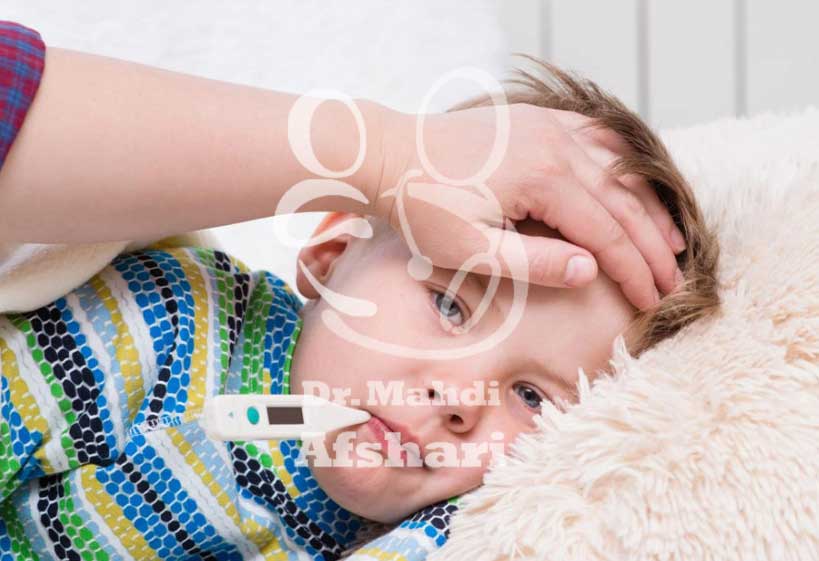
An increase in body temperature, as an immune system response to infection, is one of the common symptoms associated with middle ear infection. The degree of fever can be variable and in some cases accompanied by chills. Fever in infants under three months, especially if it is above 38°C, requires immediate medical attention. ### Sleep Disturbances
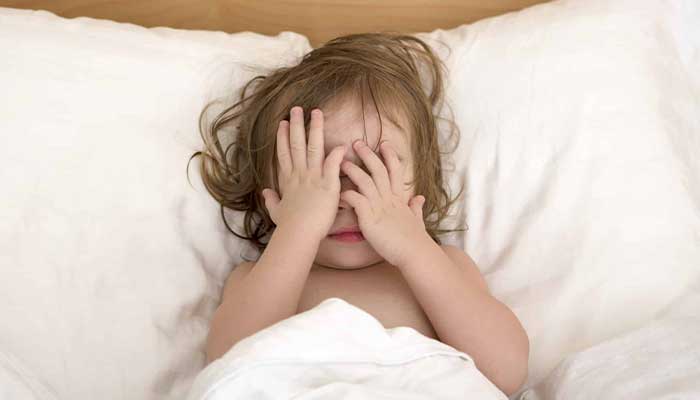
Pain caused by an ear infection, especially when lying down when the pressure in the middle ear increases, can significantly affect the quality of a child's sleep. The child may have difficulty falling asleep, wake up crying many times during the night, and feel tired in the morning. ### Behavioral Changes
Constant pain and discomfort can lead to restlessness, crankiness, irritability and increased crying in children. The child may play less than usual and be more inclined to cuddle and calm down. Loss of appetite
Pain when chewing or swallowing, which can be caused by the infection pressing on nearby structures, may decrease the child's desire to eat. Babies may become restless during feeding and stop sucking. ### Otorrhea
Fluid coming out of the ear, which can be yellow, white, brown, or even bloody, is an important symptom and often indicates a ruptured eardrum due to pressure from the infection. Seeing discharge from the ear always requires seeing a doctor for examination and proper treatment. ### Balance Problems
The inner ear plays an important role in maintaining balance. A middle ear infection can temporarily affect the function of the inner ear and lead to dizziness, imbalance and unsteady walking in a child. ### hearing difficulties
Accumulation of fluid in the middle ear space prevents the proper transmission of sound to the inner ear and can lead to temporary hearing loss. Parents may notice that the child does not respond to sounds, turns up the TV volume, or asks to repeat sentences. ### Headache
In some cases, especially in severe or long-term infections, the child may also complain of a headache. Risk factors that increase the likelihood of middle ear infection in children
Knowing the risk factors can help parents to prevent and pay more attention to the symptoms:
- Age: Children between 6 months and 2 years are more at risk of ear infections due to the more horizontal structure of the eustachian tube (which connects the middle ear to the back of the throat) and a more immature immune system. - Family history: Children whose parents or siblings have a history of frequent ear infections are more likely to get it. - Exposure to cigarette smoke: Cigarette smoke can disrupt the function of the immune system and the eustachian tube and increase the risk of ear infection. - Use of pacifiers: Some studies have shown that long-term use of pacifiers may slightly increase the risk of ear infections. - Spending time in daycare or crowded environments: exposure to a large number of children can increase the possibility of respiratory infections and, as a result, ear infections. - Season: Ear infections are more common in the fall and winter seasons, at the same time as viral respiratory infections spread. - Allergies: Respiratory allergies can cause inflammation in the respiratory tract and eustachian tube and increase the risk of ear infection. - Feeding with a bottle while lying down: this position can cause milk to enter the eustachian tube and increase the risk of infection. - Structural defects of the face and skull: some congenital anomalies can disrupt the function of the eustachian tube and increase the risk of ear infection. Diagnosis of middle ear infection
Middle ear infection is usually diagnosed by a doctor through a physical examination of the ear using an otoscope. An otoscope is a device with a light and a magnifying glass that allows the doctor to observe the eardrum and the middle ear space. The best pediatric doctor in Tehran looks for symptoms such as redness, swelling, protrusion of the eardrum and the presence of fluid behind it. In some cases, a pneumatic otoscope may be used, which assesses the movement of the eardrum by blowing a gentle stream of air into the ear. Reduced movement of the eardrum can be a sign of fluid in the middle ear. In rare or complicated cases, additional tests such as tympanometry to evaluate the function of the eardrum and pressure in the middle ear or tympanocentesis to sample the middle ear fluid for culture and to determine the type of infectious agent may be performed. Middle ear infection treatment solutions
The treatment of middle ear infection varies depending on the age of the child, the severity of the symptoms and the doctor's diagnosis:
### Waiting and watching
In some cases, especially in children older than 6 months with mild symptoms and no high fever, the doctor may recommend a "wait and see" approach for 48 to 72 hours. Most middle ear infections are caused by viruses and resolve on their own. During this time, the use of painkillers is recommended to reduce pain and fever. ### painkillers and antipyretics
Acetaminophen and ibuprofen can help reduce the pain and fever caused by an ear infection. The dose of the drug should be determined based on the weight and age of the child and according to the doctor's order or the drug brochure. ### Antibiotics
If a bacterial infection is diagnosed, or in infants under 6 months of age, children with severe symptoms (such as high fever, severe pain, or discharge from the ear), and children who have not improved after a wait-and-see period, the doctor will prescribe oral antibiotics. The course of antibiotic treatment is usually 7 to 10 days, and complete completion of the course is important to eradicate the infection and prevent its recurrence. ### Phone drops
Ear drops containing antibiotics are usually used to treat external ear infections (otitis externa) and do not play a role in the treatment of middle ear infections, unless there is a rupture of the eardrum and the doctor prescribes it. ### Home remedies
Using a warm compress on the ear can help relieve the pain. Ensuring adequate rest and drinking plenty of fluids are also recommended for general recovery. ### Surgery
In cases of frequent or chronic middle ear infections that do not respond to medical treatment and lead to hearing loss or other complications, the doctor may recommend myringotomy surgery (making a small hole in the eardrum to drain fluid) or intubation (inserting a small tube in the eardrum to ventilate the middle ear and prevent fluid accumulation). Prevention of middle ear infection
Although it is not always possible to completely prevent middle ear infection, there are steps you can take to reduce your risk:
- Vaccination
- Avoid exposure to cigarette smoke
- Encouraging breastfeeding
- Keeping the baby in a semi-sitting position while feeding with a bottle
- Avoiding long-term use of pacifiers
- Observance of hand hygiene
#### Summary
Accurate recognition of the symptoms of middle ear infection in children and timely referral to the best pediatrician in Tehran for proper diagnosis and treatment plays an important role in reducing the child's discomfort, preventing possible complications and ensuring his health. Parents and caregivers should be aware of these symptoms and, if necessary, seek help from a good pediatrician in Tehran.
Tags
Treatment of ear infection Treatment of ear infection in children Treatment of earache in children Treatment of earache in infants Middle ear infection