

Is the implant lifelong? Facts you should know before tooth extraction
In recent years, dental implants have been introduced as a permanent and lifelong solution to replace missing teeth. Many patients think that the implant is always the best choice and can remain without any problems until the end of life. But is the implant really lifelong? And is it always necessary to pull the natural tooth quickly and go for the implant?
The answer to these questions, contrary to popular advertisements, requires a scientific and realistic investigation.
What is a dental implant and what are its limitations?
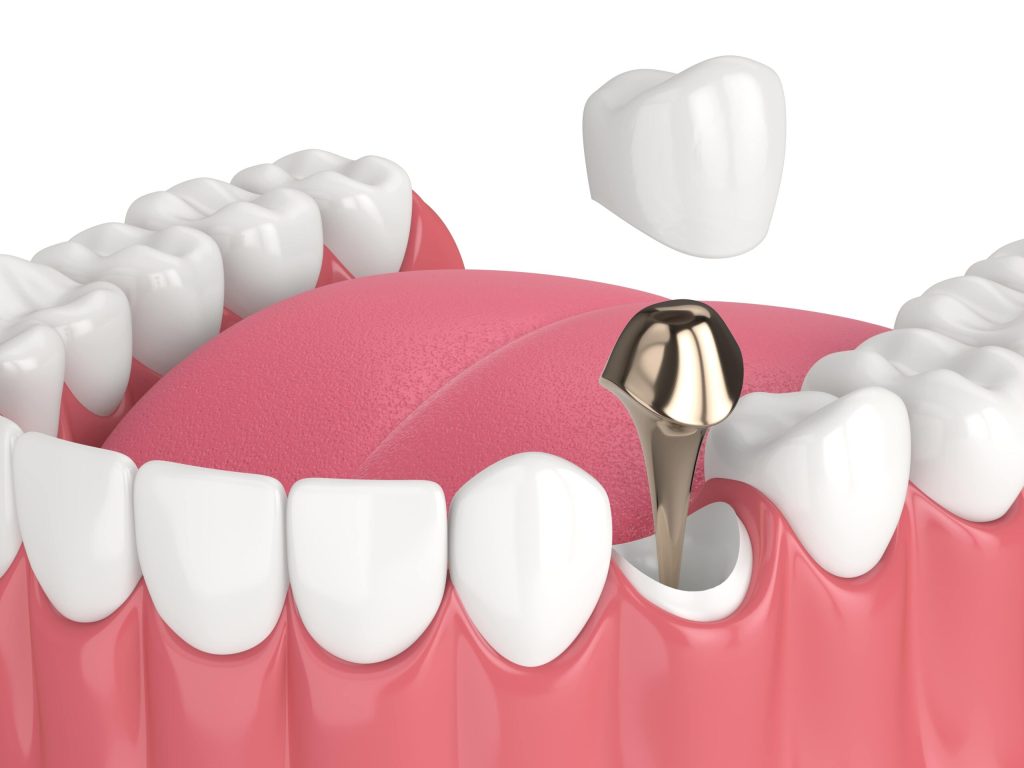
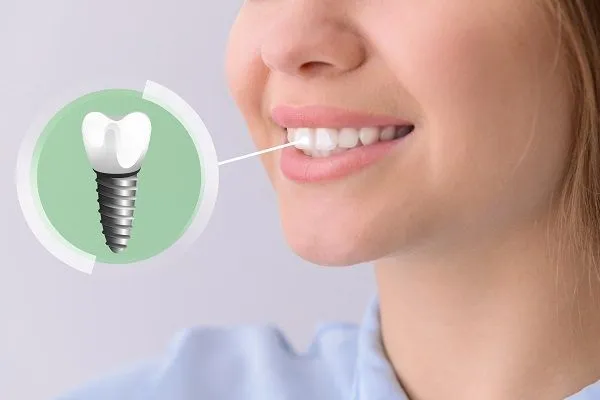
In fact, an implant is a metal base (usually made of titanium) that is placed inside the jawbone and plays the role of a tooth root. Although an implant can perform well, a is not a natural tooth and has its own limitations.
Contrary to popular belief, implants may also come with problems such as:
Analysis of bone surrounding the implant
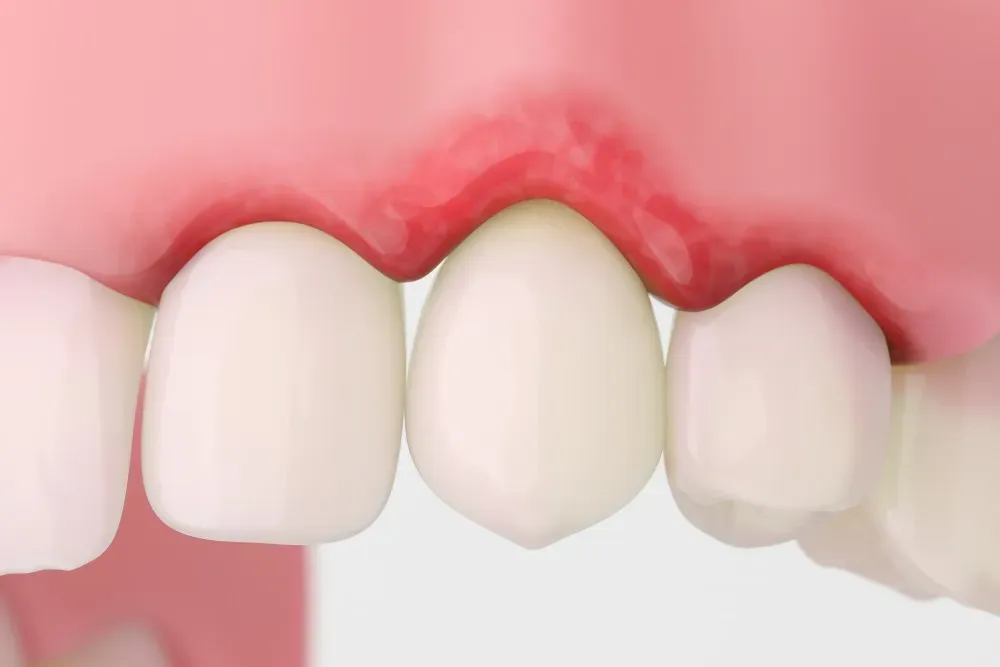
Gingival inflammation and infection (pre-implantitis)
Looseness or fracture of parts
Requirement of repeated surgeries
to encounter. Therefore, no implant has a lifetime guarantee.
What is the lifespan of an implant?
Scientific studies show that the lifespan of an implant depends on several factors, including:
Patient's oral and dental health
Gum status and Bone
Doctor's skills
Underlying diseases such as diabetes
Smoking
In many cases, implants need to be checked, repaired or even replaced after 10-15 years. This is despite the fact that A natural tooth that has undergone root canal treatment can remain in the mouth for decades and even for the rest of its life.
Why does the root canal specialist emphasize tooth preservation?
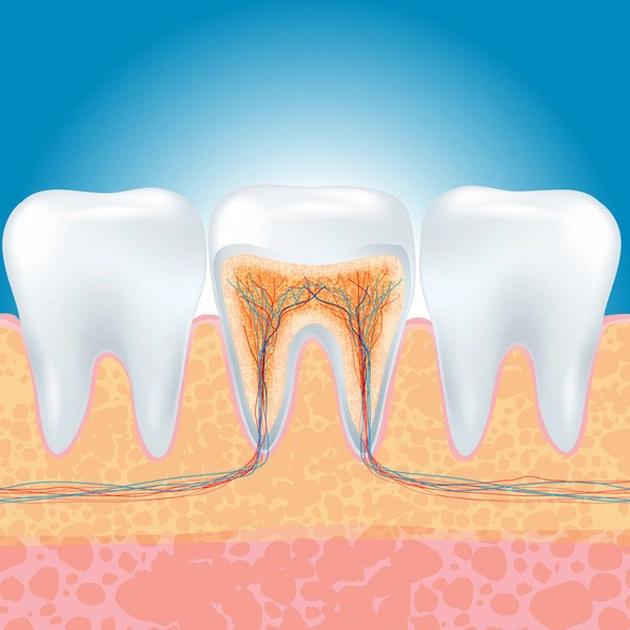
Endodontics treatment is performed with the aim preserving natural teeth. From a scientific point of view, there is no better substitute than one's own teeth. Natural tooth:
maintains the natural sense of chewing
causes better preservation of the jaw bone
does not require invasive surgery
cost and It has fewer complications than implants
For this reason, the endodontist always tries to examine all treatment options before making any decision to extract the tooth.
Successful root canal treatment; More reliable replacement of implant
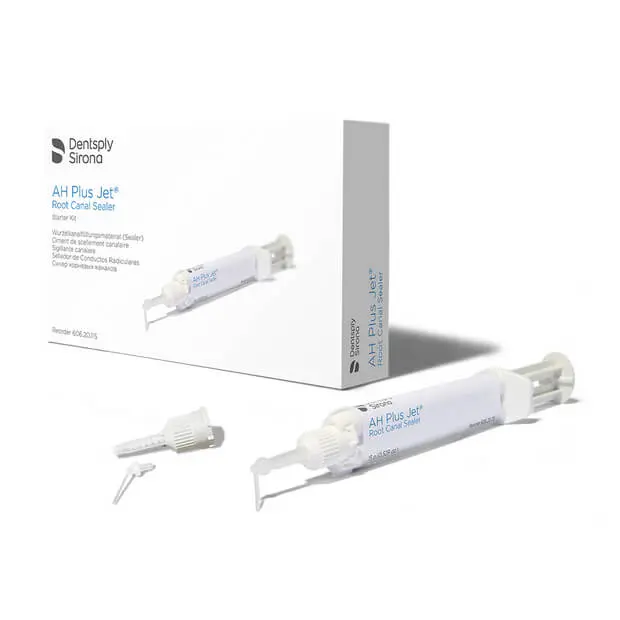
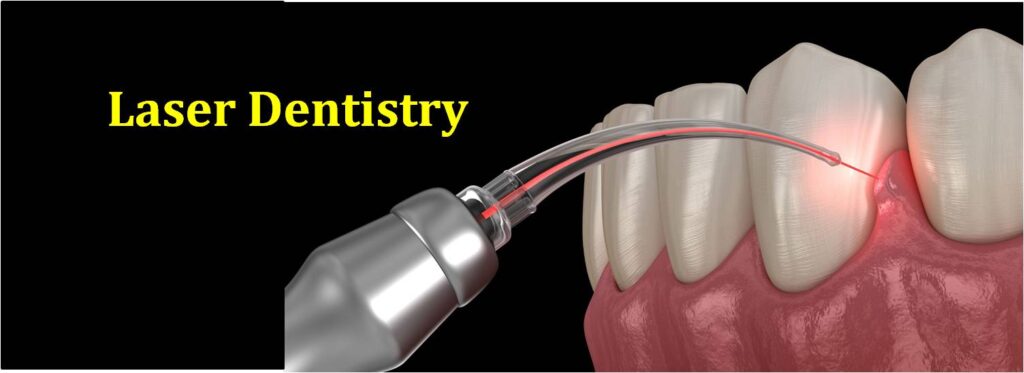
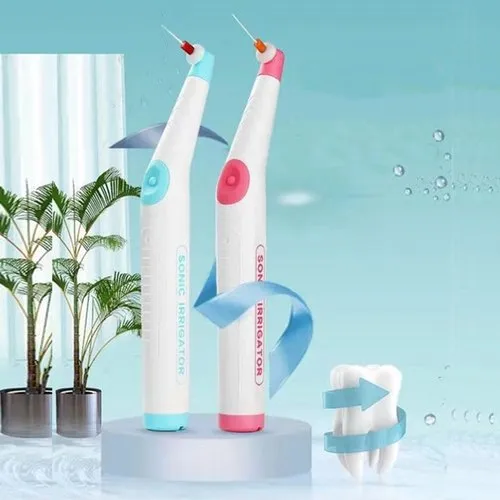
Today with the advancement of dental equipment such as:
Dental microscope
Active irrigation systems
Precise imaging
Endodontic treatment is performed with much higher precision and its success rate has increased dramatically. In many cases where the tooth was previously considered unsalvageable, it is now possible to save the tooth with specialized root canal treatment.
When is an implant a more logical choice?
Of course, the implant has its own place and in certain situations Such as:
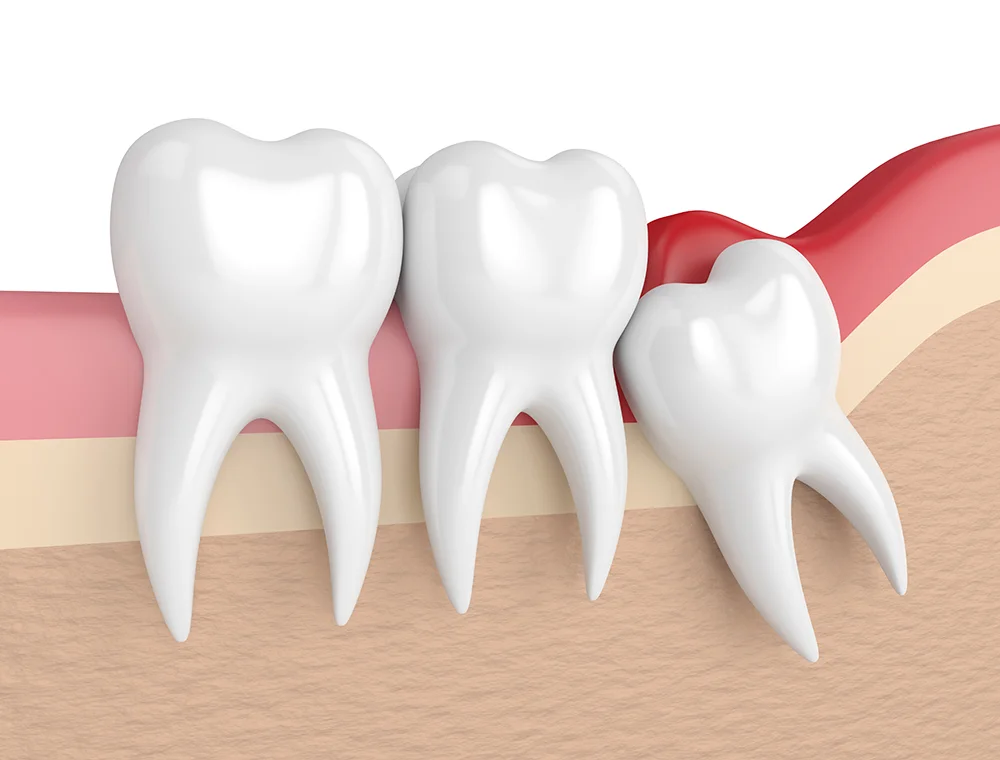
Severe and irreparable tooth destruction
vertical root fractures
uncontrollable advanced infections
can be a good option. But Implant should be the last choice, not the first hasty decision.
Conclusion: first save the tooth, then replace it
The final answer to the question "Do implants last a lifetime?" This is:
No, no implant is guaranteed to last forever.
On the contrary, preserving the natural tooth with specialized root canal treatment is in many cases the best, least invasive and most permanent option.
If you have a tooth for which root canal treatment is still possible, a consultation with a root canal specialist can prevent unnecessary tooth extraction and heavy future costs.