Having a brace or retainer does not necessarily prevent an MRI, but many people go to the self-imaging center. They ask: Is it possible to do MRI with orthodontics? In this article, we will review safety tips, the effect of orthodontic types on the quality of images, and methods to prevent interference in MRI.
If you want to know how orthodontics and MRI interact and what steps you should take to have clear and safe images, don't miss the next article. By following a few simple tips, you can continue both your orthodontic treatment and MRI without worry.
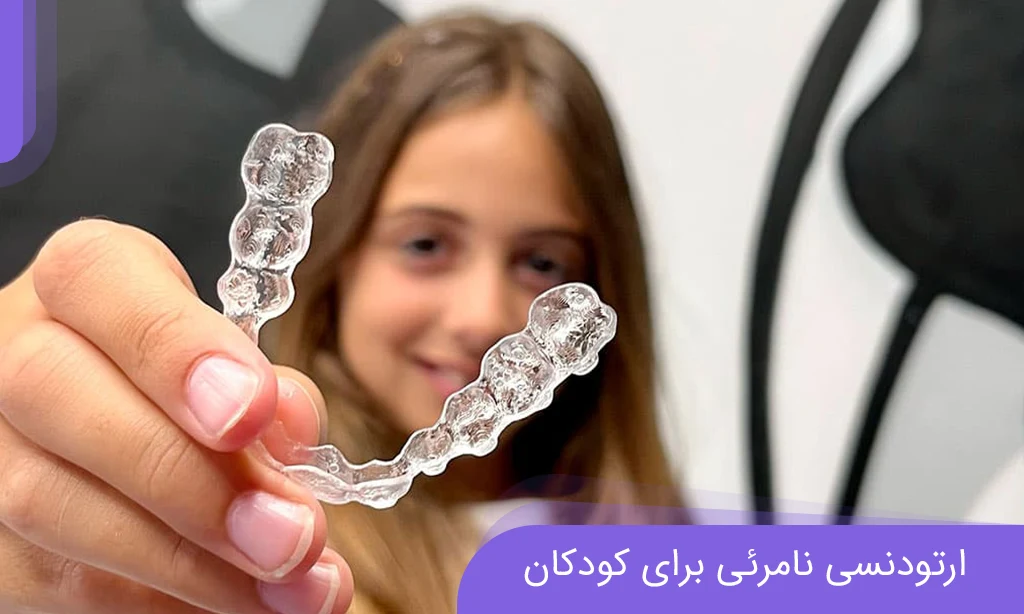
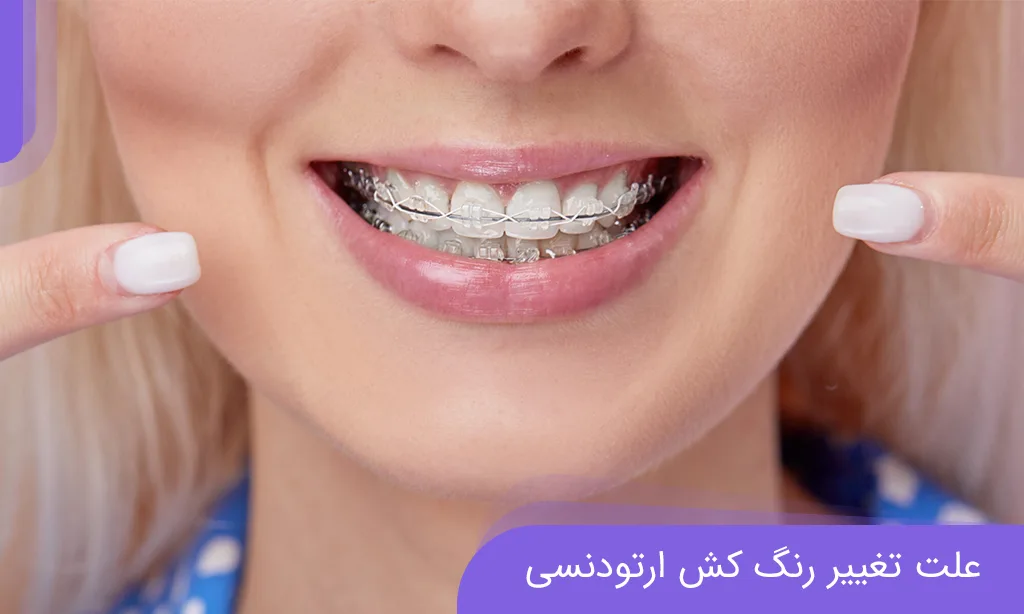
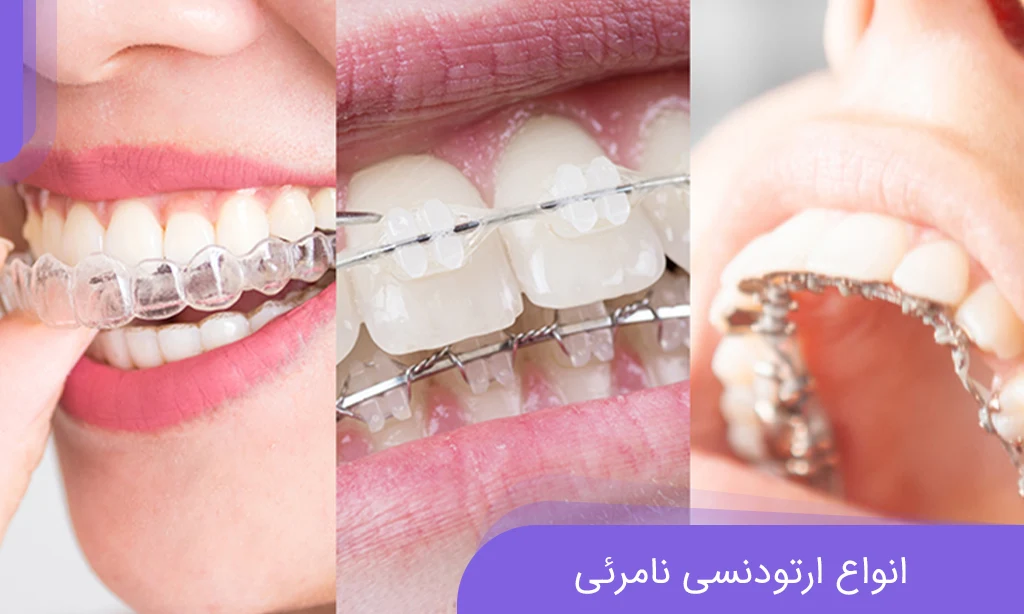
Yes, having dental orthodontics usually does not prevent you from getting an MRI, but there are some things you should do to ensure your safety and the quality of the MRI images. The metal in metal orthodontics can interfere with the magnetic field of the MRI and in some cases cause noise or disturbance in the images. However, plastic or ceramic orthodontics usually do not cause problems.
Important tips for MRI with orthodontics:
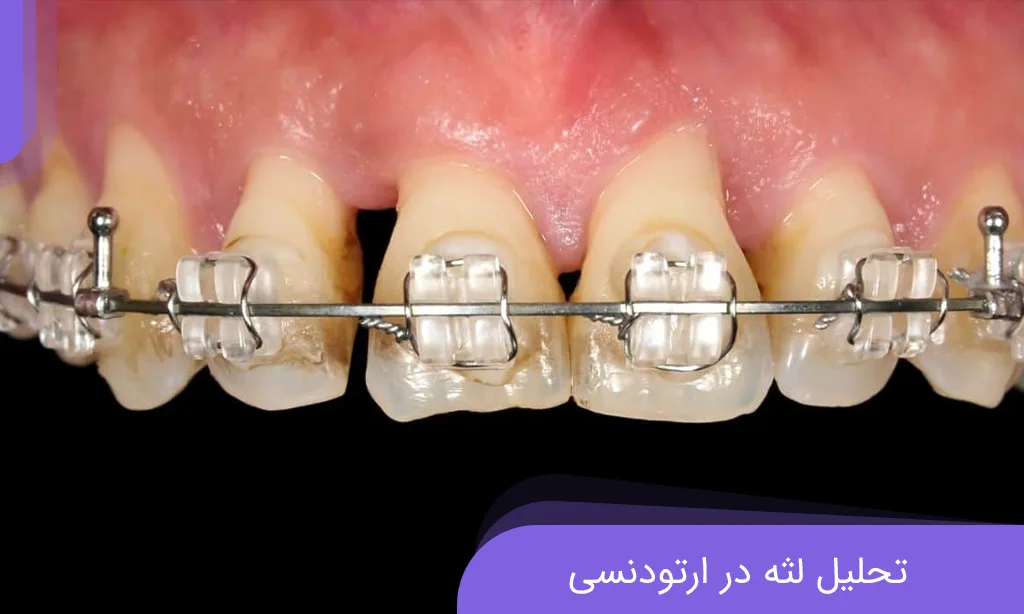
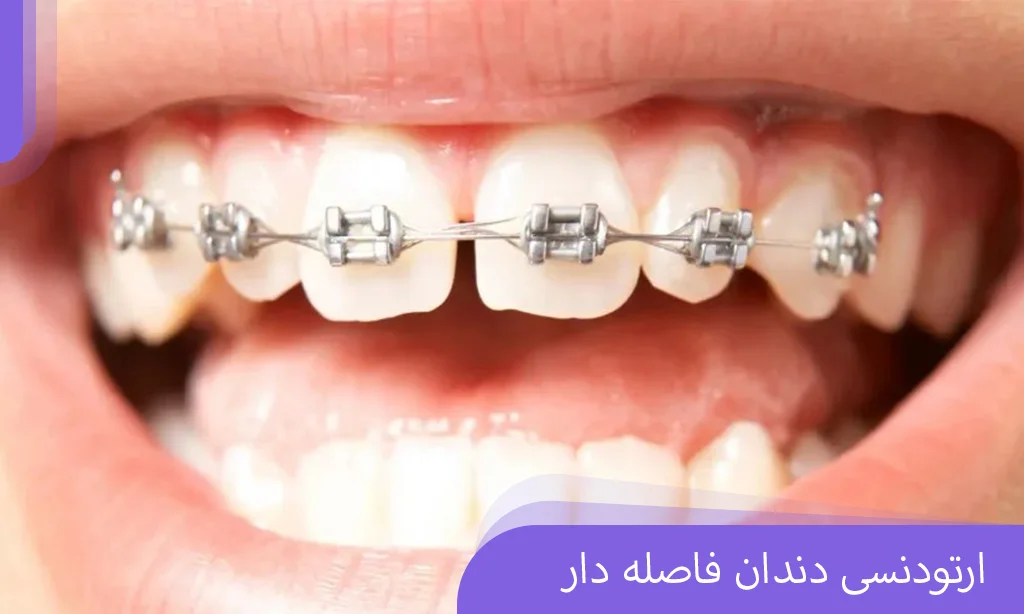
- Metal braces such as Damon braces may cause slight distortion in images of the face and head, especially if an MRI is performed on the brain or jaw.
- Plastic or ceramic orthodontics usually do not cause any interference and MRI can be done safely.
- Always inform the technician and your doctor that you have orthodontics before doing an MRI.
- In some cases, it may be recommended to temporarily remove orthodontics for detailed MRIs of the head and face.
- Orthodontic metal usually does not threaten your safety, but you may feel a little heat in your mouth.
>>
Can the MRI machine damage orthodontic braces?
No, the MRI machine usually does not harm the orthodontic brace. The braces are designed in such a way that they are resistant to the strong magnetic field of MRI and their structure does not change. However, the metal in the brace may cause slight heat or impair the quality of the images, but does not harm the brace itself. Therefore, there is no need to worry about the orthodontic damage or deformation when doing MRI, but it is necessary to inform the technician before the scan.
Prevention of damage from the interaction of orthodontics and MRI
To avoid orthodontic damage during an MRI, always let the doctor or technician know that you have braces or orthodontics before entering the machine. Most of today's braces are made of MRI-safe metals and are not a risk of displacement, but some older parts can be sensitive. The MRI magnetic field can cause heat in the metal, so if you feel any burning or discomfort, you should notify the technician immediately.
If recommended by a doctor, protective covers or insulating pads may be used to reduce the heat of the metal. After the MRI, it is better to check the condition of the mouth and braces and contact your orthodontist if you notice any unusual loosening or damage. Following these simple tips usually makes MRI with orthodontics completely safe.
>>
Should fixed orthodontic appliances (braces or retainers) be removed to take an MRI image?
There is usually no need to remove fixed orthodontic appliances such as braces or retainers before an MRI, as most of the materials used in these appliances are magnetic field safe and will not damage themselves. However, the metal in the brace may cause noise or a slight disturbance in the quality of the images, especially in the areas near the mouth and jaw. Therefore, it is best to consult with an MRI technician or doctor before the scan; According to the type of orthodontics and the area to be examined, they can decide whether it is necessary to temporarily remove the instrument or not and choose the best imaging method.
>>
Effects of dental treatments on MRI image
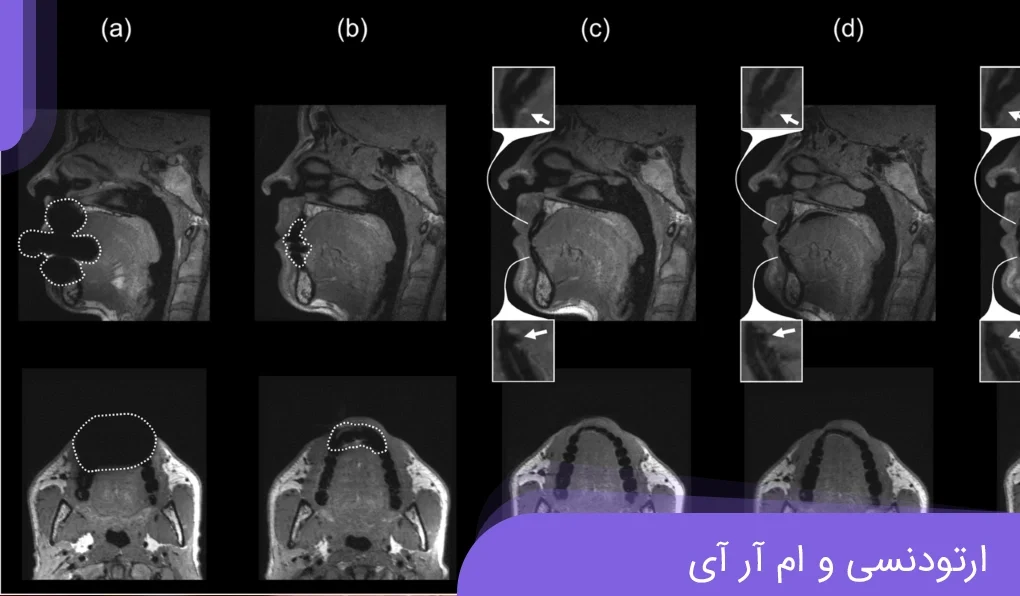
The effects of dental treatments on MRI images are mostly due to the presence of metal in the mouth. Metallic materials such as amalgam fillings, braces, wires, implants, and even some crowns can change the magnetic field of an MRI and cause artifacts (any kind of disturbance or unrealistic change in the image). These artifacts typically appear as blurred spots, light or black lines, and distortion in the surrounding metal, and may make it difficult to accurately detect surrounding soft tissue or bone.
Even if the metal is not directly over the area being examined, the magnetic field can cause minor effects on the image. On the other hand, non-metallic materials such as composites or ceramics usually do not have a significant effect on the image. For this reason, it is essential to inform the MRI technician about all dental treatments, especially any metal, in order to select the appropriate imaging method and reduce artifacts.
If your question is still, is it possible to do MRI with orthodontics? We must say yes, in most cases MRI can be done and the only important thing is to pay attention to the type of orthodontics and inform the technician. Orthodontics and MRI are usually safe, and the metal in the braces may only slightly affect the image, so by following some simple tips, you can continue with your orthodontic treatment and get a good quality MRI.