
پولیپ روده یکی از رایجترین یافتههای پزشکی در کولونوسکوپی است؛ برجستگیهای کوچکی که روی دیواره روده بزرگ رشد میکنند و معمولاً بدون علامت باقی میمانند. However, many people are worried when they hear the diagnosis of "polyp" and this important question arises for them: Is an intestinal polyp the same as cancer? Although polyps themselves are not considered cancer, some of them can change cells over time and go the way of becoming colon cancer. Distinguishing between harmless polyps and those that are likely to be malignant plays an essential role in the prevention and early detection of cancer. Understanding what a polyp is, what types it is, and which types have the potential to become dangerous can help reduce concerns and increase people's health awareness.
What is an intestinal polyp?
Intestinal polyp lump or bump. It is a small one that develops on the inner surface of the colon or rectum. These growths usually result from the abnormal proliferation of intestinal lining cells and in many cases cause no symptoms. Most polyps are benign, but some types, especially adenomatous polyps, can develop into colon cancer if left for years. For this reason, early detection and removal of polyps in colonoscopy play an important role in preventing cancer.
Are intestinal polyps dangerous?
Intestinal polyps alone are usually not dangerous, but if they remain in the intestine for a long time, they can become dangerous. Most polyps are benign and never turn into cancer, but some of them, especially adenomatous and serrated polyps, have the ability to change over the years and become colon cancer. Because this process is slow, colonoscopy and removal of polyps can effectively prevent cancer. Therefore, the main problem is not the presence of a polyp, but the lack of timely diagnosis and follow-up.
The difference between colon polyp and colon cancer
Intestinal polyp and colon cancer are two related but completely different issues. A polyp is actually a small, usually benign growth on the wall of the intestine, while colon cancer is an uncontrolled, malignant growth of cells that can spread to surrounding tissues and even other parts of the body.
Most polyps are harmless and never turn into cancer, but some types of polyps, especially adenomatous and serrated, Leftovers may change over the years and become cancerous. The most important difference is that a polyp is an early stage and often treatable, but a colon cancer is a more advanced stage that requires more serious treatments. For this reason, identifying and removing polyps is one of the best ways to prevent colon cancer.
Which polyps may turn into cancer?
Some colon polyps are completely harmless in nature, but others can change cells over time and turn into colon cancer. This transformation usually happens slowly over many years, but knowing which polyps are considered "precancerous" is important. Because many colon cancers can be prevented by identifying and removing these polyps during colonoscopy.
Polyps that may turn into cancer:
- 🔴 Adenomas: The most common and most important type of pre-cancer; The origin of most colon cancers.
- 🔴 Serrated polyps: especially if they are in the right colon or have a large size.
- 🔴 Polyps larger than 1 cm: The larger the size of the polyp, the greater the risk.
- 🔴 High-grade dysplasia polyps: Indicates serious cellular changes. and risky.
- 🔴 Presence of a large number of polyps: especially in cases where there is a genetic background or family history.
It is important to know that all polyps are not dangerous, but some of them, if neglected, can initiate the path of cancer. Fortunately, this process usually takes years, which is why regular colonoscopy and removal of polyps is one of the most effective ways to prevent colon cancer. With timely follow-up, high-risk polyps can almost always be detected and treated before they become a serious problem.
Intestinal Polyp Treatment
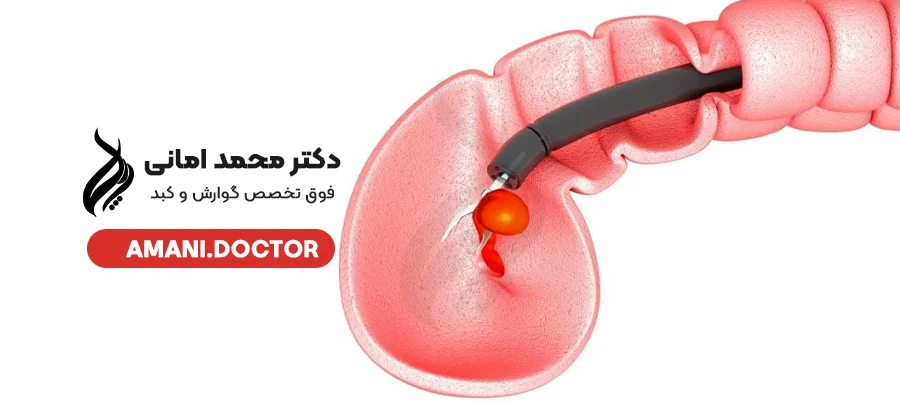
During a colonoscopy or flexible sigmoidoscopy, the doctor uses forceps or wire loops to remove the polyps. This procedure is called polypectomy. If the polyp is too large and the doctor cannot remove it this way, the person may need surgery to remove the polyp. Once the polyp is removed from the body, pathologists examine the polyp for types of cancer.
If a person has genetic disorders in his body, such as hereditary adenomatosis polyposis, the doctor may suggest surgery or removal of part of the colon or rectum. This is the best method recommended to prevent colon cancer for people with such problems.
If a person has intestinal polyps, there is a possibility that he will be involved with these polyps later. The doctor usually prescribes periodic screening tests for such a person.
Does polyp removal prevent cancer?
Yes, Polyp removal is one of the most effective and sure ways to prevent colon cancer. Most colon cancers start from a small, benign polyp and gradually undergo cellular changes over the years. they become When a polyp is detected and removed before these changes, the path to becoming cancer is practically cut off.
Why does removing a polyp prevent cancer?
- 🔴 Precancerous polyps, such as adenomatous ones, are usually the basis of many cancers.
- 🔴 Removing them means removing them. The starting point of cancer.
- 🔴 The process of becoming cancerous is usually slow, so there is a golden opportunity for prevention.
- 🔴 Colonoscopy both detects and removes the polyp at the same time.
If the polyp is detected and removed in time, the probability that a person will get colon cancer in the future is significantly reduced. For this reason, colonoscopy as recommended by the doctor plays an important role in intestinal health.
When is polyp a concern?
Intestinal polyp is harmless in most cases, but it cannot always be considered simple and insignificant. Some polyps may have characteristics that make them more likely to turn into cancer. For this reason, knowing when a polyp can be of concern is important and helps people know when to do a more detailed follow-up.
- 🔴 When it is large: Polyps larger than 1 cm are more likely to have cellular changes or become cancer.
- 🔴 When it is precancerous: polyps Adenomatous and Serrated have more cancer potential than other types.
- 🔴 When "high dysplasia" is reported: If the pathology examination says that the polyp has severe dysplasia, that means the cells have more abnormal changes and the risk is higher.
- 🔴 When the number of polyps is high: The presence of several polyps in the colonoscopy may indicate a genetic background or a higher risk of cancer.
- 🔴 When there is a family history of colon cancer: If a first-degree family member has colon cancer or multiple polyps, even small polyps become more important.
- 🔴 When there are accompanying symptoms: such as bloody stools, unexplained anemia, constant change in bowel habits, weight loss, or persistent abdominal pain. be, there are many or it is accompanied by symptoms and family history. Regular diagnosis and follow-up can prevent these polyps from turning into cancer.
Types of polyps
Intestinal polyps have different types and each has different characteristics and risk. Knowing these types helps to know which polyps are usually harmless and which ones are more likely to turn into cancer.
🔹 1.Adenomatous polyps (Adenomatous Polyps - Adenomas)
The most common type of precancerous polyps. These polyps have the ability to become cancerous, but not all of them become cancerous. The most important type can be tracked. 2. Serrated polyps range from small and harmless to large and dangerous. Some types, especially in the rectum, can become cancerous relatively faster. 3. Hyperplastic polyps are usually small and completely benign. Usually, they do not have the risk of becoming cancerous, unless they are large in size or in a specific location. 4. Inflammatory polyps are more common in people who have inflammatory bowel diseases such as ulcerative colitis or Crohn's. These polyps themselves do not become cancerous, but they indicate an increase in the overall risk of cancer in these patients. 5. Hamartomatous polyps
are usually seen in certain genetic diseases such as Putz-Jäger syndrome. Polyps themselves are not necessarily dangerous, but the presence of these syndromes is associated with an increased risk of cancer.In general, different types of intestinal polyps differ in terms of risk; Some are completely harmless and usually cause no concern, while others can be precancerous and require closer follow-up. Knowing the type of polyp and the doctor's recommendations after colonoscopy helps to prevent more serious problems, especially colon cancer.
Methods for diagnosing polyps and differentiating them from cancer
Diagnosing intestinal polyps and differentiating them from colon cancer is usually done with imaging methods and detailed histological examinations. Since many polyps are asymptomatic, the only sure way to detect them early is to have a colonoscopy or similar diagnostic tests. Once a polyp is found, a pathology examination will determine whether the polyp is benign or has precancerous or even cancerous features. The combination of these methods helps to detect and treat polyps before they become dangerous. Does it give?
Advantages Limitations Colonoscopy Direct observation of polyps and cancer The most accurate method; The possibility of removing the polyp at the same moment need to prepare the intestine; Invasive method Pathology (biopsy) Type of polyp and the presence of cancer cells The only definitive method to diagnose cancer or pre-cancerous condition Requires sample collection during colonoscopy CT colonography 3D image of the intestine and polyps larger more non-invasive; suitable for certain people less accuracy; Inability to remove polyps Fecal occult blood test (FIT/FOBT) The presence of occult blood in stool Simple, cheap and suitable for screening Diagnosis is not definitive; A positive result requires a colonoscopy Sigmoidoscopy Observation of the end part of the intestine Quick and less invasive Only examines the lower part of the intestine Genetic tests Investigation of hereditary risk of polyps or Cancer suitable for people with strong family history not necessary for everyone; Cost-effective Finally, the combination of these diagnostic methods helps the doctor to identify polyps in the early stages and prevent them from turning into cancer. The earlier the diagnosis, the easier the treatment and the more successful the results. Therefore, periodic examinations, especially for people over 50 or those with a family history, play an essential role in maintaining the health of the colon.
Who are more susceptible to the formation of intestinal polyps?
Although intestinal polyps can occur in any person, some people are more susceptible to it due to lifestyle, age, or genetic factors. With increasing age, especially after the age of 50, the risk of developing polyps increases significantly. People with a family history of polyps or colon cancer are also in the high-risk group, as genetics play an important role. Obesity, high consumption of processed meats, inactivity, smoking and alcohol consumption are also important factors that increase the possibility of polyp formation. Also, those who have inflammatory bowel diseases, such as Crohn's or ulcerative colitis, are more prone to certain and even high-risk polyps due to chronic intestinal inflammation. A combination of these factors makes some people need more regular checkups and colonoscopies sooner than others.
Does a polyp come back after removal?
Completely removing a polyp usually prevents the same polyp from turning into cancer, but that doesn't mean it will never form again. In fact, some people are more prone to developing new polyps and may develop new polyps in other parts of the bowel in later years. Genetic factors, lifestyle, old age or a history of high-risk polyps can increase the likelihood of its recurrence. For this reason, depending on the type and characteristics of the previous polyp, the doctor usually recommends a specific schedule for repeating the colonoscopy so that new polyps can be identified and removed quickly.
Summary
Intestinal polyps are not necessarily dangerous, but neglecting them can be the beginning of cancer. Most polyps are benign and do not pose any threat to a person's health if detected and removed in time. However, certain types—especially adenomatous and serrated—have the potential to become cancerous and require closer follow-up. Early detection through colonoscopy, histological examination and regular follow-ups is the most effective way to prevent colon cancer. Awareness of symptoms, recognition of risk factors and attention to family history can play an important role in prevention. Finally, prevention and early detection is the key to maintaining gut health and preventing more serious diseases.
Frequently Asked Questions
Do intestinal polyps always turn into cancer?No, most polyps are benign and only some types can become cancerous over the years.
Are asymptomatic polyps dangerous?Yes, many polyps are asymptomatic but can be precancerous; Therefore, colonoscopy is important.
Is polyp removal enough?Yes, polyp removal usually prevents cancer; But there is a need for follow-up and subsequent colonoscopies.
Is it possible for a polyp to return after removal?The polyp itself does not return, but new polyps may develop in the future.
Does advanced age increase the risk of polyps?Yes, polyps are usually more likely to develop after age 50.
Does poor diet cause polyps?A high-fat diet, high consumption of processed meats and lack of fiber can increase the risk of developing polyps.
How long does it take for polyps to turn into cancer? Is it?It usually lasts for several years, so early detection is very effective.
Are small polyps dangerous?Usually no, but they should be checked to be sure and removed if needed.