
چگونه به درخواست های کودکان یا اصرارهایشان جواب دهیم؟ ( بچه های 2 تا 8 سال)

نکات کلیدی
- وقتی با درخواست های کودکان مواجه می شوید، مکث کنید و گوش دهید. این نشان میدهد قبل از پاسخ دادن به آن فکر کردهاید.
- اگر لازم است «نه» بگویید، دلیلش را توضیح دهید. Always give a reason to reject.
- Insistence or whining is when children ask for something repeatedly and in a challenging way.
- How you respond to children's requests and insistence teaches them about communication, respect and compromise.
Children's Requests: Why Constructive Response Matters
Children keep asking. For example: "Can I play with my toy?" or "Can I bake a cake?"
Some requests are simple. For example: "Yes, you can play with your toy."
But others are more difficult. For example, when a child wants to bake a cake, you might think about safety in the kitchen, the necessary ingredients, or the responsibility of cleaning up after work.When a child wants something, it's an opportunity to teach them effective communication skills, managing expectations and emotions – whether you say yes or no.
How to respond to a child when he wants something
The following steps can help, whether you want to say yes, no, or maybe:
1. Listen
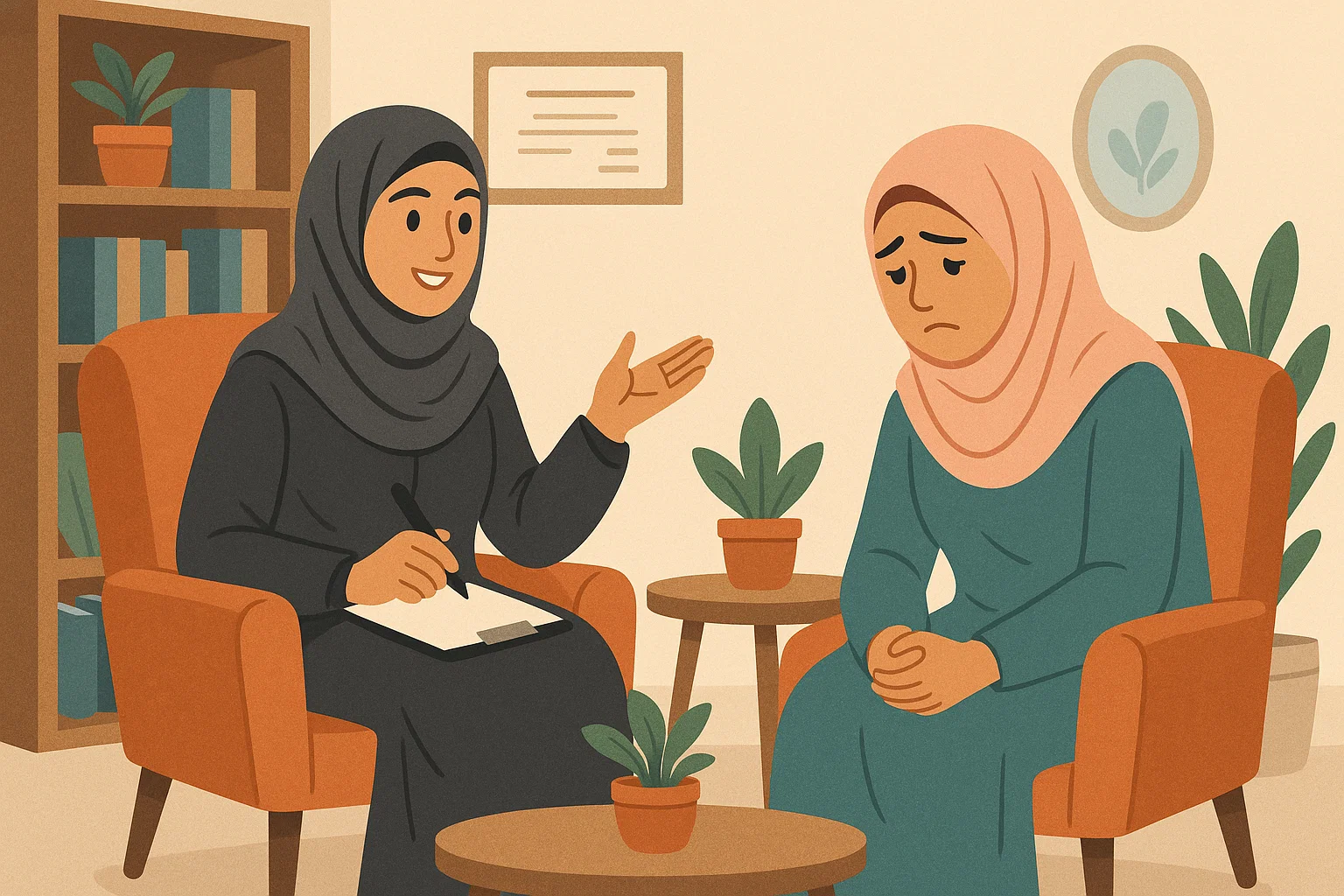
Take some time to find out exactly what the child wants. Show that you have heard and understood. This will make your answer more likely to be accepted. Even if you don't intend to say yes, show some empathy. For example: "Ah, I understand why you want this. It's very cool!"
2. Pause and decide
This short pause gives you time to think and sends a message to the child that you care about their request. Ask yourself, “Do I have to say no, or can I say yes? If not yes, can we negotiate?"
3. Give the initial answer based on how the child asks
- If the child asks politely, praise him for using politeness. It sends the message that politeness will always get your attention, even if the answer isn't always yes.
- If the child makes a request by yelling, threatening, or giving orders, tell him to be more polite. For example: "Ali, please speak in a low voice" or "Maryam, how should we request?"
Often you can say yes, sometimes you can reach an agreement. In any case, your fair and uniform answers will teach the child what is the best way to ask.
Say no to a child when necessary
Sometimes children can't have what they want. Here are some ways to help say "no" effectively:
1. Give a reason
A short reason will help the child understand your decision. For example: "We don't have time to ride the carousel now." We will go next time."
2. Understand the child's frustration
For example: “I understand that you are upset because you really wanted that biscuit. But today we ate enough."
3. Stand by your decision
If you change your mind, the child learns that "no" is not definitive and can be changed with persistence.
4. Suggest an alternative (if possible)
For example: "I can't buy this device because it's expensive. Let's go home and build a zoo with the toys we have."
If the child accepts no, praise: "I really liked that when I said no, you said OK."
No, listening is an important social-emotional skill. This helps the child learn to manage emotions and frustration and experience healthy self-expression.
- Related content: Conflict in parenting: Should we say no or yes to children more?
How to reduce the need to say no
If you keep "no" to important things, the child will take it more seriously.
Some strategies to say no less:
- Set ground rules. For example, before shopping, tell the child why you are going and what the rules are. "We will eat when we get home" or "We will not ask for anything while shopping today."
- Say yes if you can. "Okay, Majid can come to our house after school, of course if his father agrees."
- Negotiate instead of saying no. "We can't go to the park today because we have to pick up your sister from school, but we will tomorrow."
- Watch out for ads. Children are more tempted when they see a toy or food advertisement. Talk to your child about advertising.
How to deal with nagging
Insistence means that the child wants something repeatedly and in a challenging way, even after you say no. For example: "Can I have a chocolate?", "I want chocolate!", "Give me chocolate!", "God bless you!".
The reasons for the child's insistence can be:
- He has not yet learned the skills of self-regulation and impulse control.
- It has been influenced by advertisements for children (toys, unhealthy food, etc.)
- He wants to get your attention.
Solutions:
- Distract him. "I think Golmon is hungry. Shall we give him water?"
- When shopping, give a healthy reward: "If you make the purchase without asking, we'll go back to the park."
- If you said no and he still insists, take your attention away from that behavior.
- When the urge stops, give positive attention. "Thank you for acting like an adult. I am proud of you."
- Keep calm and be kind to yourself; You are doing your best.
- Related content: Baby and child learning from birth to five years old
Requests of children of different ages
Toddlers (1 to 3 years):
They express their wishes with gestures or voice. It is hard for them to hear no and they often throw tantrums. You have to be calm and accompany them so they feel safe.
Preschoolers (3 to 5 years old):
Their vocabulary expands and they learn to influence the environment and parents. You can calmly explain what you think. For example: "I know you want to talk now, but if I'm late for a beer, I'll be late. Let's talk in the car."
Primary school children (5 to 8 years old):
They have language and negotiation skills. From the age of 8, they may give convincing reasons. They get upset when you say no, but they fuss less than younger children because they are more self-regulated and understand more complex explanations.