
One of the most frequently asked questions among heart patients is Does an exercise test show vasoconstriction? In fact, many people who have chest pain or shortness of breath, before going for an angiography or expensive imaging tests, want to know whether a simple exercise test can detect vasoconstriction or not.
The answer to the question "Does the exercise test show vasoconstriction?" is multifaceted. In short, this test can indicate the possibility of an obstruction, but it cannot determine the exact location or severity of the obstruction. To better understand this issue, we need to know how exercise testing is done, what are its limitations and under what conditions it is more reliable. In the following, you will learn about 5 scientific and important points about the exercise test and its role in diagnosing blood clots.
Table of contents
- 1 Exercise test performance and whether the exercise test shows vasoconstriction?
- 2 Limitations and possible errors in answering whether the exercise test shows vasoconstriction?
- 2.1 Limited sensitivity and accuracy
- 2.2 Positive results False
- 2.3 Physical and medicinal factors
- 2.4 Types of exercise tests and their effects
- 2.5 Conditions that can influence the exercise test response
- 2.6 Presence of clinical symptoms
- 2.7 Having cardiac risk factors
- 2.8 use of drugs
- 2.9 physical fitness
- 2.10 the best sports testing clinic in Tehran Where is it?
- 2.11 Does it definitively show eclipse after the test?
- 2.12 Complementary methods
- 2.13 Treatment measures
- 2.14 5 important points about the exercise test
- 2.15 How does an exercise test reveal vascular congestion?
- 2.16 Is the exercise test suitable for all patients?
- 2.17 What is the difference between the exercise test and angiography in the diagnosis of vascular occlusion?
- 2.18 Can the exercise test show mild obstruction?
- 2.19 Does the exercise test have false positive results?
- 2.20 What factors reduce the accuracy of the exercise test?
- 2.21 If the exercise test is positive, what actions should be taken?
- 2.22 Is the exercise test Can it replace angiography?
- 2.23 Who should have expert advice before performing an exercise test?
The performance of the exercise test and whether the exercise test shows vasoconstriction?
In order to accurately answer the question Does the exercise test show vascular congestion, we must first know the mechanism of this test.
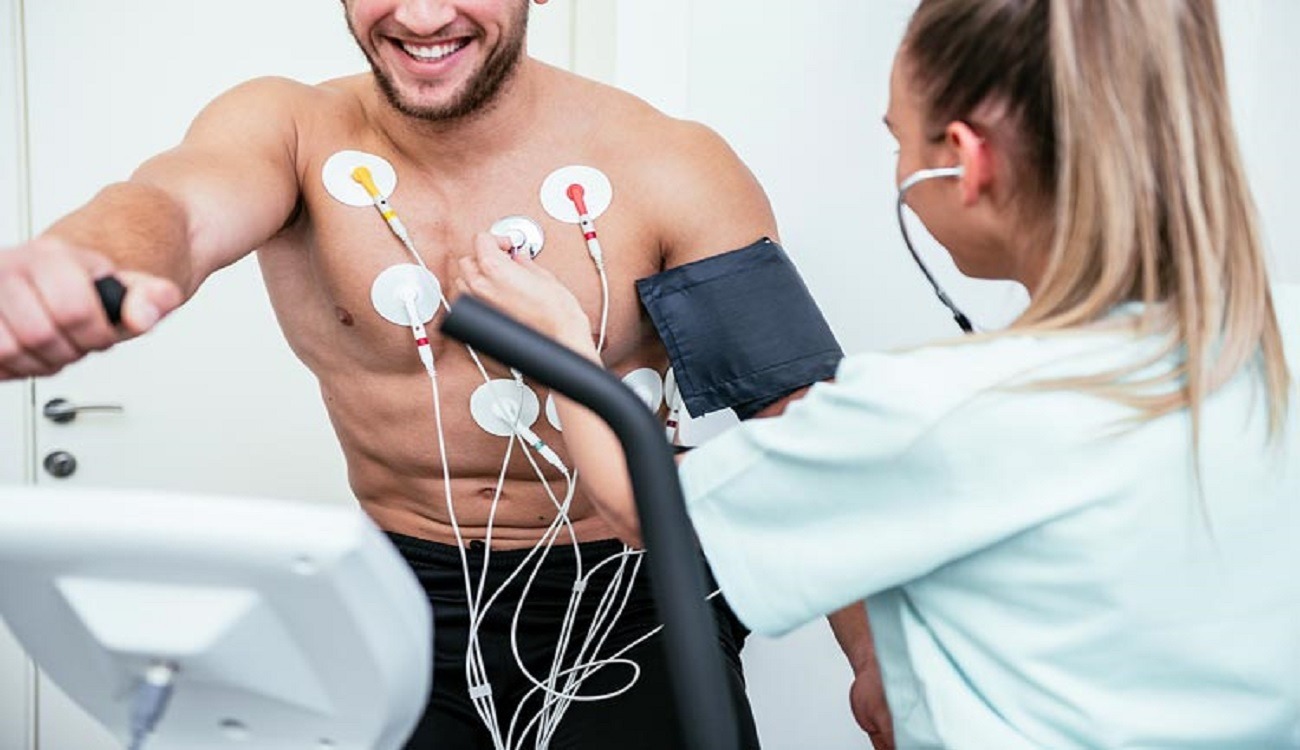
In the exercise test, the patient is usually placed on a treadmill or a stationary bike, and his physical activity is gradually increased so that the heart is under stress and strain. In this case, the doctor checks the ECG, blood pressure, heart rate and general condition of the patient at the same time. If the heart muscle is deprived of oxygen during exercise—due to narrowing or blockage of the coronary arteries—there will be changes in the ECG. These changes can be an indirect sign of blood vessel blockage.
So when we ask Does the exercise test show vasoconstriction? we should say yes, but indirectly. The exercise test acts as a warning; That is, if during the activity, the blood flow does not reach the heart muscle, this issue is identified in the ECG or the patient's symptoms such as chest pain or shortness of breath. But this test cannot determine the exact location or percentage of obstruction.

Limitations and possible errors in answering whether the exercise test shows vasoconstriction?
Although the exercise test is one of the most widely used methods for diagnosing heart problems, caution should be exercised in interpreting its results. If we want to know if the exercise test shows vasoconstriction or not, we need to be familiar with its limitations.Limited sensitivity and accuracy
Results of research have shown that the exercise test can only show blockage of arteries when obstruction is more than 70%. In milder obstructions, the person may not have hypoperfusion at rest or even during moderate activity, resulting in a reported normal test. Therefore, sometimes the answer to the question "Does the exercise test show vasoconstriction?" It is negative, while there is a slight congestion.
False positive results
In some people, especially women or those with abnormal EKGs, the exercise test may show changes that are not signs of a true seizure. In such cases, the positive test answer may be wrong. This is where it should be emphasized once again: Does the exercise test show vasoconstriction? Yes, but not always with certainty.
Physical and medicinal agents
The use of certain drugs such as beta blockers, fatigue, anxiety or even improper nutrition before the test can affect the result. If the patient is not physically fit enough to exercise, the test may lose its accuracy. For this reason, to answer more accurately whether the exercise test shows vasoconstriction or not, the patient's physical and medical conditions must also be checked.
Types of sports tests and their effects
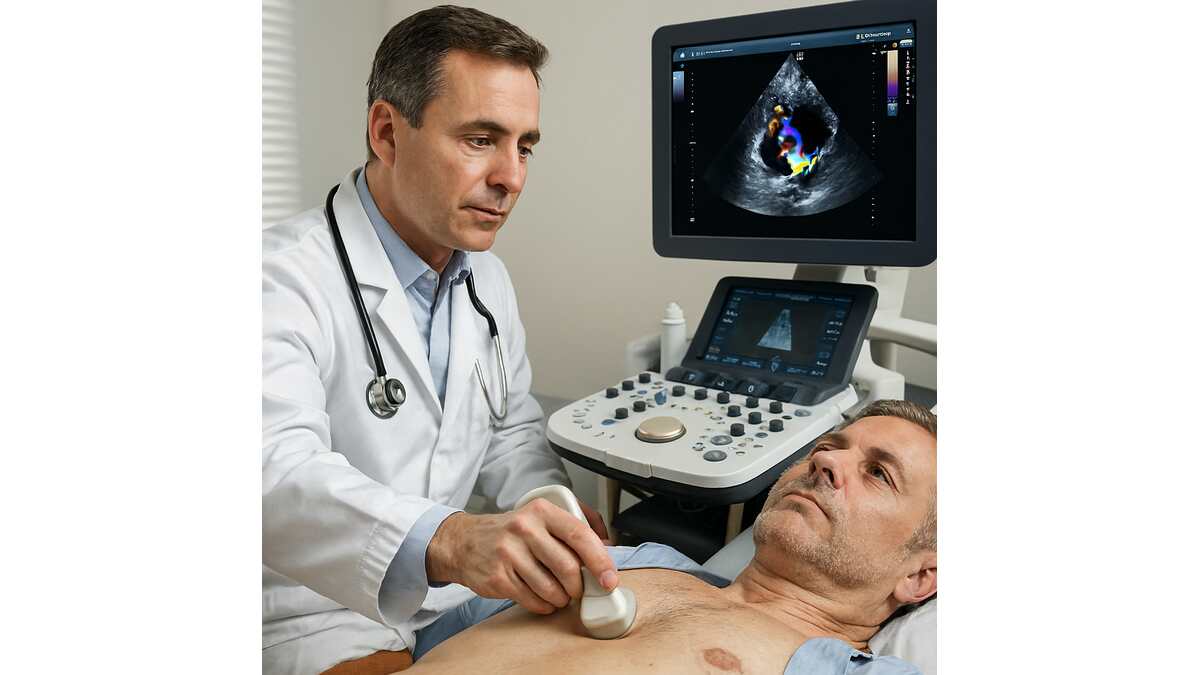
Another determining factor in the accuracy of the answer is which type of exercise test is performed. Because there are different methods of this test, each of which has a different diagnostic power.
| Type of test | Description | The level of accuracy in detecting blood clots |
|---|---|---|
| Simple exercise test | In this method, only heart tape (ECG) and Blood pressure is checked during exercise. If changes are observed in the ECG, the possibility of vessel blockage is raised. | Low accuracy in mild blockages; Suitable for the initial examination of heart health |
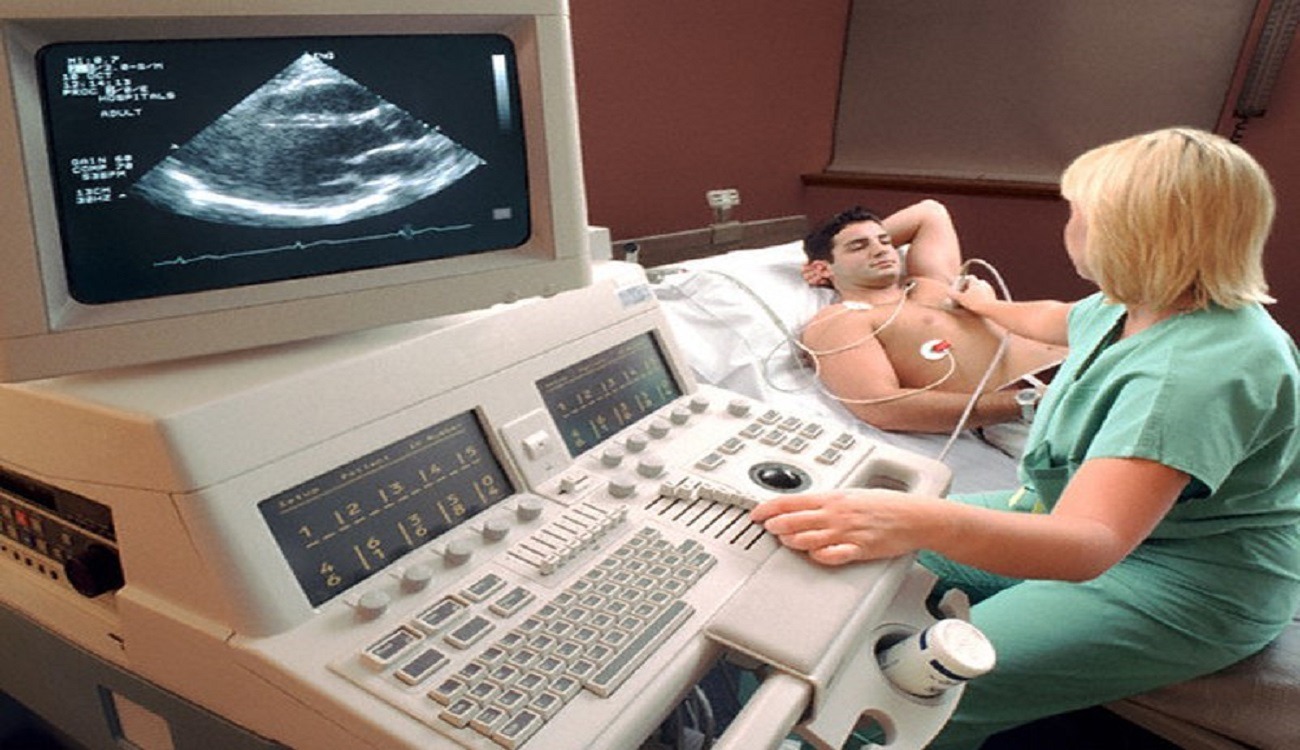
| Stress Echo test | At the same time as the exercise test, an ultrasound of the heart is taken to check the movement of the heart walls during activity. Reduced movement in some areas indicates reduced blood supply. | Medium to high accuracy; More accurate result than a simple exercise test |
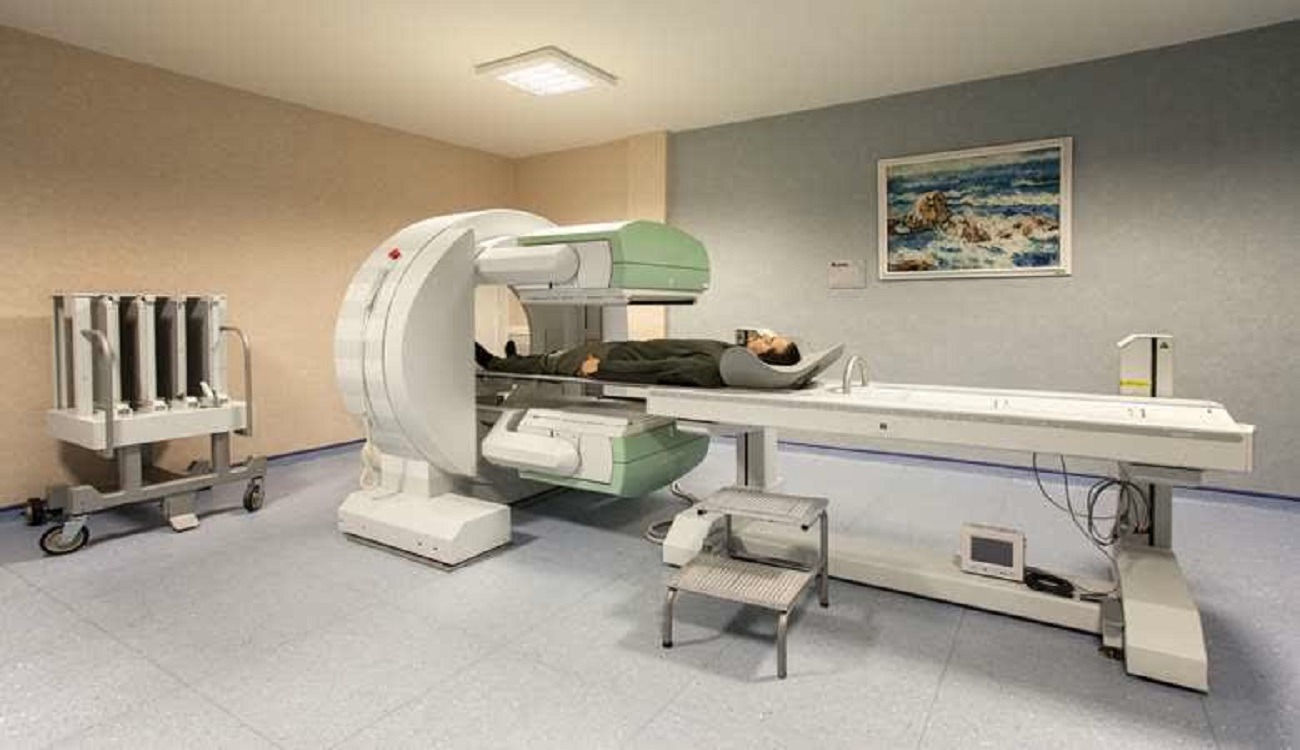
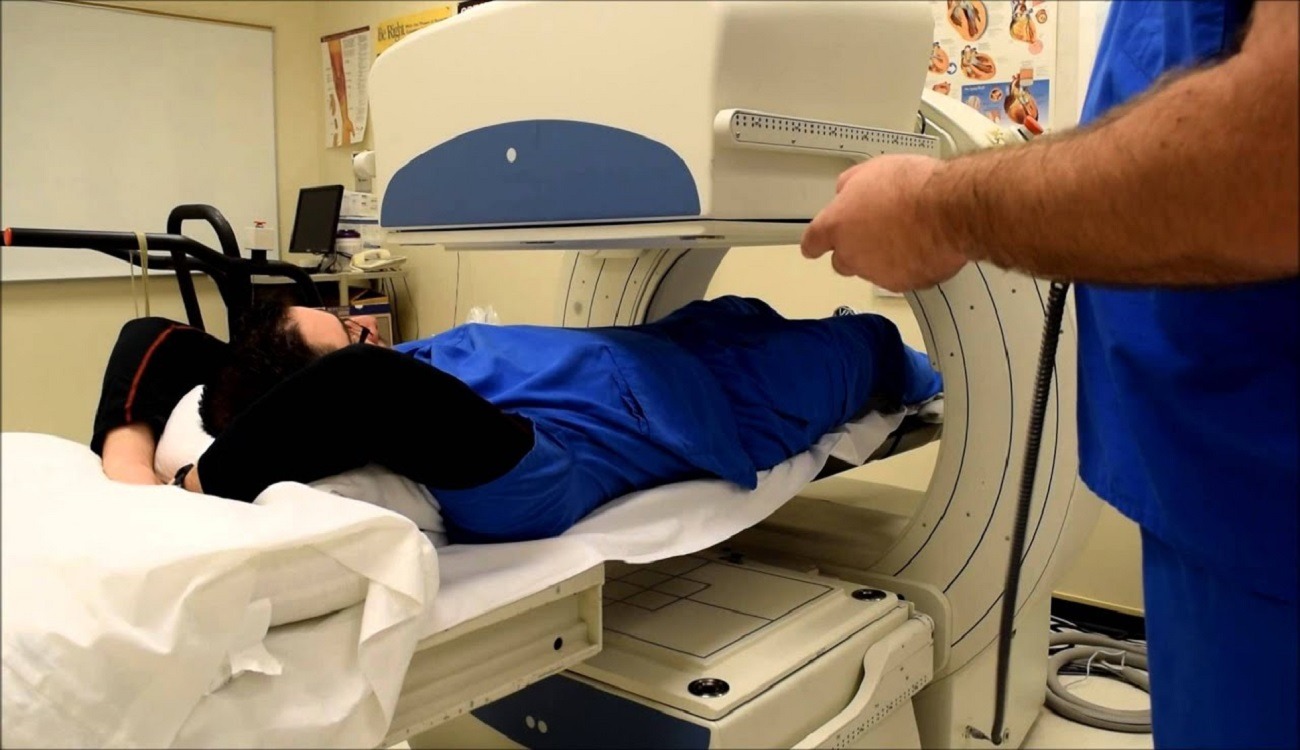
| Nuclear Stress Test | By injecting a mild radioactive substance, the blood flow in the heart muscle is visually checked and the areas with poor blood supply are determined. | The most accurate in detecting areas with anemia and vascular congestion |
Conditions that can affect the response of the exercise test
Not all people give the same answer to the exercise test. Sometimes, two people with the same severity of blood clots may have different results. What is the reason for these differences?
Presence of clinical symptoms
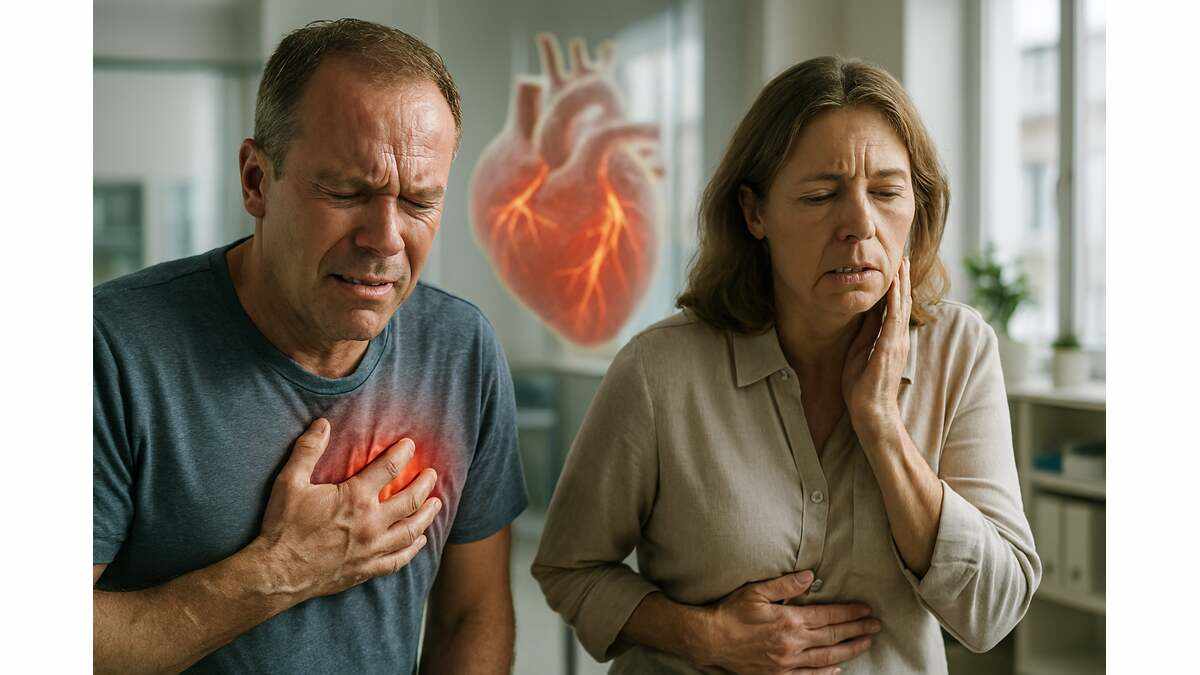
If a person has symptoms such as chest pain, shortness of breath, excessive sweating, or premature fatigue before the exercise test, it is more likely that the exercise test can show vasoconstriction. In fact, in such a situation, the answer to whether the exercise test shows vasoconstriction will usually be positive.
Having cardiac risk factors
The presence of factors such as high blood fat, high blood pressure, diabetes or a family history of heart disease increases the possibility of seizures. Therefore, in high-risk people, the exercise test can be a warning and answer more accurately if the exercise test shows vascular congestion or not.use of drugs
Certain drugs can reduce the activity of the heart and make the test result less effective. Therefore, the doctor may recommend temporarily stopping some medications before the test. Compliance with this can lead to a more realistic answer to the question "Does exercise testing show vasoconstriction?" leave a positive effect.
Physical fitness
People who are physically fit and can continue to the higher stages of the exercise test produce more accurate data. On the other hand, people who get tired early may have an incomplete test and their results will be inconclusive. As a result, the answer to the question "Does the exercise test show vasoconstriction?" in them may remain ambiguous.
Where is the best sports testing clinic in Tehran?
If you are looking for the best sports testing clinic in Tehran, Vistan cardiology clinic is one of the most reliable and well-equipped specialized centers in this field. Using the latest equipment for exercise testing, echocardiography and nuclear stress testing, this clinic provides accurate and standard services under the supervision of cardiologists.
At the Vistan clinic, the exercise test is performed with high precision and in full compliance with safety principles to fully evaluate the condition of the heart during physical activity. The high experience of the doctors, the calm environment and the modern facilities of this complex have made patients confidently choose Vistan Clinic as the best sports testing center in Tehran.
In the table below important features of Vistan Clinic in the field of exercise testing are given
| Features | Descriptions |
|---|---|
| Advanced equipment | Using the most modern high-precision exercise and echocardiography testing devices |
| Doctors Cardiologist | Presence of experienced doctors and cardiologists for accurate interpretation of test results |
| High safety in testing | Exercise test under the full supervision of a doctor and experienced medical staff to maintain patient safety |
| Precise and fast diagnosis | Timely identification of disorders in blood flow and heart function using scientific methods day |
| calm and standard environment | designing a calm, hygienic and equipped environment to increase the patient's relaxation during the test |
| quick and regular appointments | possibility of easy appointment booking and testing in the shortest possible time without delay |
✨ If you want to know Does the exercise test show blood clots? It should be said that at Vistan Clinic, you can be sure of the health of your heart vessels by using accurate equipment and specialized interpretation of the results.
Vistan Clinic is a smart choice for those who are looking for the best exercise test clinic in Tehran.
Address: Saadat Abad Center: Saadat Abad, northwest side of Saro Road (intersection of Paknejad and Saro) - next to Dasht Behesht Complex
Contact number: 09966333097 – WhatsApp
Central arterial stiffness is a cardiovascular risk factor that can be readily affected through engagement in physical exercise training, with resistance and aerobic exercise having disparate affects. Despite the growing popularity of high-intensity cross-training (HICT), little is currently known about the effects of this mixed modality exercise stimulus on arterial stiffness.
Central arterial stiffness is a cardiovascular risk factor that can be easily influenced by exercise, and resistance and aerobic exercise have different effects. Despite the growing popularity of high-intensity cross-training (HICT), little is currently known about the effects of this combined exercise stimulus on arterial stiffness.Quoted from the site: sciencedirect.com

After the test, does it definitely show the conclusion?
Sometimes the result of the exercise test is positive and the doctor declares that there is a possibility of blood clots. But at this stage, can it be said with certainty that the exercise test shows vascular congestion? The answer is negative. The exercise test only determines the possibility of stenosis, and direct imaging methods should be used for definitive diagnosis.
Additional methods
If the exercise test result is suspicious or positive, the doctor usually recommends a coronary angiography or CT angiography. These methods directly display the vessels of the heart and the degree of obstruction is determined. It is only at this stage that we can say with certainty that there is an eclipse. Therefore, although the exercise test warns, the final answer as to whether the exercise test shows vasoconstriction depends on further investigations.
Therapeutic measures
If a blockage is confirmed, treatment includes blood thinners, antihypertensive and lipid-lowering drugs, or in more severe cases stent placement and heart bypass surgery. Even if the exercise test is negative but there are strong clinical symptoms, the doctor may suggest more detailed tests to be sure. In fact, the exercise test is always the first step in answering the question of whether the exercise test shows vasoconstriction or not, not the last step.
5 important points about sports testing
In the following, you will read 5 important points about the exercise test, which were prepared in response to the question "Does the exercise test show vasoconstriction?"
- The exercise test is a non-invasive way to check the heart function.
This test helps the doctor to evaluate the heart function under physical stress conditions by examining the ECG, blood pressure and heart rate during exercise. - The answer to the question "Does the exercise test show vasoconstriction?" It is positive, but with limitations.
The exercise test can identify moderate or severe blockages, but it is less accurate in mild blockages. - Exercise testing is very useful for the early diagnosis of heart diseases.
In people who have symptoms such as chest pain or shortness of breath, this test can be the first step in diagnosing vascular congestion. - More advanced tests such as echo stress or nuclear stress test are more accurate.
These methods show more details of the amount of blood supply to the heart muscle in addition to the normal exercise test. - Choosing the right center to perform the test is very important.
Performing the test in centers such as Vistan Clinic, which have modern equipment and expert doctors, increases the accuracy and reliability of the test result.
Exercise test or angiography? Which method is better for diagnosing blood clots?
Based on this table, it is clear that exercise testing is a good option if the goal is early diagnosis. But if the goal is certain diagnosis and simultaneous treatment, angiography is the best choice.
| Feature | Exercise test | Angiography |
|---|---|---|
| Type Method | Non-invasive | Invasive |
| Aim | Examination of heart function under pressure | Direct observation of blood vessels |
| Accuracy in diagnosis of congestion | About 70% | Close to 100% |
| Determining the location No blockage | No | |
| Cost | Less | More |
| Dangers | Insignificant | Possibility of infection and bleeding |
| Need Hospitalized | No | Has |
In other words, Does the exercise test show vasoconstriction? Yes, but not enough to make treatment decisions based on it alone. Angiography is actually the final and more accurate answer to the condition of the heart vessels.
How can exercise testing reveal the first warning of cardiovascular disease?
Many people may be experiencing coronary heart disease without knowing it. One of the important methods for early detection of this disease is exercise test. But the main question is Does the exercise test show blood clots? The answer to this question can clarify the path of heart attack diagnosis and prevention for patients.
1. Performance of the exercise test in the examination of the heart
The exercise test is performed with the aim of checking the heart's function under pressure conditions. In this method, the person works on a treadmill or a stationary bike, and the doctor checks the heart strip (ECG) and the patient's symptoms at the same time.
2. Exercise test as an early warning
Exercise test plays the role of an alarm or early warning for cardiovascular disease. Even before the patient has severe symptoms or a heart attack, this test can detect problems with blood flow to the heart.
3. Exercise test and other diagnostic methods
Exercise testing alone cannot determine the exact location or severity of vascular occlusion. If suspicious symptoms are observed, the doctor may prescribe more advanced tests such as angiography, CT angio or nuclear stress test. 4. The importance of regular exercise test For people with heart risk factors such as high blood pressure, high blood cholesterol, diabetes or a family history of heart disease, regular exercise testing can make a big difference. This test can show whether the heart suffers from lack of blood supply during activity, and as a result, the answer to the question Does the exercise test show vascular congestion? be clarified. Frequently asked questions about whether an exercise test shows vasoconstriction? The exercise test by recording the electrocardiogram (ECG) during physical activity shows the changes in the heart caused by the reduction of blood supply to the heart muscle. These changes can be a sign of vascular blockage. Exercise testing is appropriate for most patients with mild to moderate symptoms. However, people who have joint, muscle or severe heart failure may not be able to complete the test and its accuracy will decrease. Exercise testing is a non-invasive and alarming method, while angiography provides a direct image of the vessels and can show the exact location and extent of the blockage. In many cases, the exercise test will show only severe blockages (over 70%). Mild obstruction may make the test result appear normal and cause a so-called false negative. Yes, in some people, such as women or those with abnormal EKGs, the exercise test may show suspicious changes that are not due to true vascular obstruction. The use of certain drugs (such as beta blockers), fatigue, anxiety, muscle diseases or joint problems can reduce the accuracy of the exercise test. If the exercise test is positive, the doctor usually recommends angiography or more advanced imaging methods to determine the location and extent of vascular blockage. No. The exercise test is a primary tool to evaluate heart function and cannot replace angiography, because angiography provides detailed information and images of the vessels. People who have a history of heart attack, severe heart failure, very high blood pressure, or movement problems, should consult a cardiologist before doing the exercise test to ensure its safety and accuracy. Summary Finally, let's get back to the original question: Does exercise testing show vasoconstriction? ✅ The answer is that exercise testing can indirectly reveal evidence of vascular occlusion, especially when there is a significant blockage in one of the main arteries of the heart. Consequently, if you or someone close to you has suspected heart symptoms, an exercise test can be the first step in evaluating heart health. But this test should always be interpreted in conjunction with a doctor's examination and other investigations. So, in the final answer to the question "Does the exercise test show vasoconstriction?", it should be said: Yes, but only as a warning and not a definitive diagnosis.
How does the exercise test show vasoconstriction?
Is the exercise test suitable for all patients?
What is the difference between exercise test and angiography in diagnosing vascular occlusion?
Can exercise testing show mild obstruction?
Does the exercise test have false positive results?
What factors reduce the accuracy of exercise testing?
If the exercise test is positive, what actions should be taken?
Can exercise test replace angiography?
Who should have expert advice before performing an exercise test?

❌ But this test alone cannot determine the exact location, extent of blockage or the number of vessels involved.
🔹 If the test result is positive, it must be followed by methods such as angiography or CT Angiography should be confirmed.
🔹 If the result is negative but the symptoms continue, the test should not be considered as the end of the work; Because there may be a slight obstruction that could not be detected in the test.