Distinguish between kidney pain and back pain

Dr. Zohra Eshghi
ShirazPhysical medicine specialist - nerve and muscle tape
 5 (1)
5 (1)Back pain is a common problem that affects people of all ages, from young athletes and busy adults to the elderly. In addition, it can be a sign of kidney problems or other disorders such as blood clots, infection, and kidney stones But what is the difference between kidney pain and back pain?
Kidneys remove waste materials and excess fluid from the blood and are placed in front of the back muscles, just below the chest. Only a doctor can determine the exact cause of back pain, but several techniques help to distinguish between kidney pain and back pain.
Before knowing the difference between kidney pain and back pain, it is better to first fully understand the cause and symptoms of each, which are explained in the section below.
What is back pain?
Pain and discomfort in the lower back can be caused by medical disorders such as osteoporosis, arthritis and rupture disk and also lifestyle choices such as bad posture, standing for long periods and even sitting a lot.
Causes of back pain
Musculoskeletal back pain such as kidney pain can have different origins. Sleeping position, daily schedules and the nature of a person's job are all factors that cause problems.
The main causes can be mentioned as follows:
- Improper body positioning
- Standing or sitting for long periods of time
- Injuries
- Intervertebral disc damage or displacement
- Spinal tumors
- Unusual bending of the spine Spine
Symptoms and symptoms of back pain

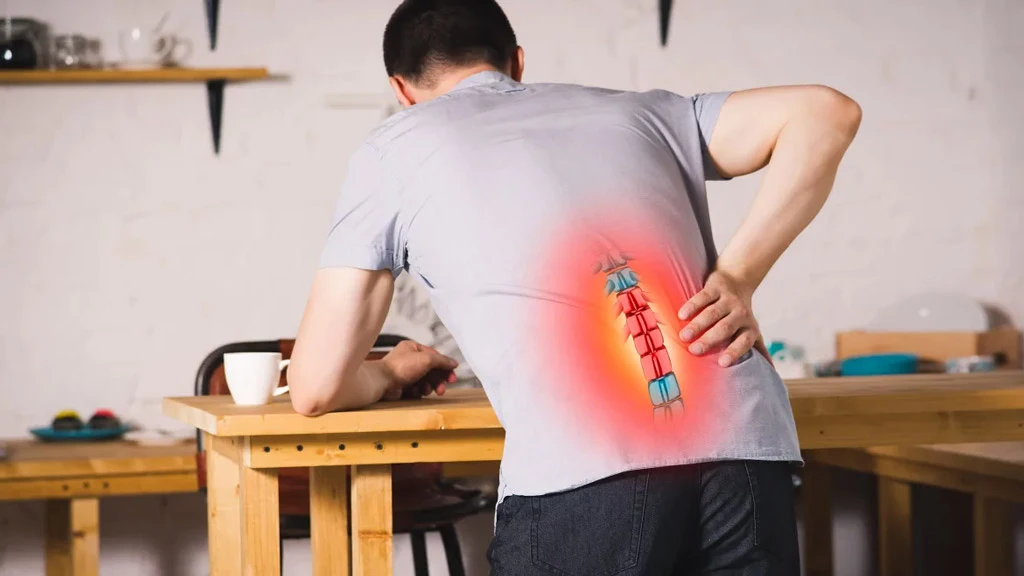
Back pain is often described as follows:
- Buzzy pain
- General pain
- Back stiffness and stiffness
- Severe pain in the neck
- Severe pain that spreads to other areas of the body, usually the legs
- Difficulty When walking
- Muscle spasms
- Difficulty standing
- Tingling or numbness in the arms or back
- Weakening of muscles in one or both legs
What causes kidney pain?
Urinary tract infections and kidney stones are two common causes of kidney discomfort. Renal cell carcinoma rarely causes kidney pain. Studies show that more than 42% of people have some form of back pain. As mentioned earlier, kidney problems are one of the underlying causes of kidney pain.
These are a little different than the typical back discomfort caused by musculoskeletal disorders. The main causes of kidney pain are as follows:
- Kidney stones
- Urinary tract infection
- Blood clots
- Infections
- Organ damage
What are kidney stones and why are they created?
Kidney stones are deposits or solid masses that form in the inner lining of the kidney due to the accumulation of soluble minerals such as struvite and calcium oxalate.
The size of these stones varies from pebbles to the dimensions of a golf ball. Larger stones can enter the urethra and require surgery.
While smaller stones usually pass through the body undetected and with the urine. If a person has certain risk factors, the probability of developing kidney stones increases, including:
- History of kidney stones: If a person has already experienced kidney stones, the probability of them occurring in the future increases.
- Living in a hot climate: This climate puts a person at greater risk of developing kidney stones because dehydration increases the risk of developing kidney stones.
- Consumption Too much salt, sugar and protein increases the calcium level in the kidneys and increases the risk of kidney stones. src="data:image/svg+xml;base64,PHN2ZyB4bWxucz0iaHR0cDovL3d3dy53My5vcmcvMjAwMC9zdmciIHdpZHRoPSIxMDI0IiBoZWlnaHQ9IjU3NSIgdmlld0JveD0iM CAwIDEwMjQgNTc1Ij48cmVjdCB3aWR0aD0iMTAwJSIgaGVpZ2h0PSIxMDAlIiBzdHlsZT0iZmlsbDojZjdmN2Y3O2ZpbGwtb3BhY2l0eTogMC4xOyIvPjwvc3ZnPg=">

In general, the symptoms of kidney pain are:
- Pain in the side, upper buttock and under the chest on both sides of the spine
- Pain that does not get better or worse after movement
- Pain that gets better on its own without medical attention No
- Pain that stays in one place but has the potential to travel to the inner thigh or lower abdomen
- Vomiting or nausea
- High body temperature
- Black, cloudy or bloody urine
- Constant need to urinate
- Painful urination
- Unpleasant metallic taste in the mouth or bad breath
How to recognize kidney pain Dad?
A person with kidney pain feels pain in the sides. The space between the lower hips and the chest on both sides of the spine is called the flank.
In addition, the back, stomach, and groin will also have pain. Sometimes both sides of the body have pain even if only one kidney has a problem.
Kidney stones are the main cause of kidney pain and it will cause all kinds of discomfort when passing and moving. In cases like "polycystic kidney disease", the pain becomes very excruciating. In general, the kidney pain is severe and painful.
If the origin of the pain is a stone, severe pain will occur in the back. Also, kidney pain can be associated with diseases such as urinary tract infection.
- Spreading pain: The lower abdomen or inner thigh may experience radiating pain.
- Severity of pain: Severity of kidney pain varies based on its main cause. Sometimes the pain may be mild, moderate or even severe. Infections cause mild pain, but kidney stones will cause severe pain.
- Factors that make pain worse: Treatment is the only option for kidney discomfort. If it is not done, the problem will always get worse.
- Treatment of kidney pain: The cause of the pain largely determines the treatment. If the infection causes pain, the doctor may recommend antibiotics.
On the other hand, pain caused by kidney stones requires surgical intervention to remove the stones.
How can you diagnose back pain?
- Place of pain: Although this pain can occur anywhere in the back, it usually affects the hips and areas around the back. In addition, there are undoubtedly different types of back pain that a person may experience.
- Intensity of pain: Muscle pain is similar to throbbing pain. Severe pain that moves down and then to the leg or leg indicates nerve damage or inflammation.
- Spread of pain: Muscle pain has been reported to involve the body on both sides. However, nerve pain will be limited to one side. It can also hit the legs and ankles and the back of the thighs and buttocks laterally. Depending on the problem, if the pain does not go away, the doctor will recommend medication or other treatments.
If someone suffers from persistent back pain, medical treatment is needed. Otherwise, natural treatments and enough sleep are sufficient.
How can you distinguish between kidney pain and simple back pain?
Understanding the difference between kidney pain and back pain is very important for diagnosis and treatment. Both diseases can present as pain in the lower back, but their origins and consequences are completely different.
Kidney pain is usually caused by problems related to the kidneys themselves, while back pain may originate from a variety of musculoskeletal problems.


- Backpain on one side or sides, below the chest: General back pain is widespread and can occur anywhere in the back, so if it is in the shoulder or middle of the back, the discomfort is probably not related to kidney stones.
- Pain with fluctuating intensity and waves: Pain threshold with The passage of kidney stones through the urethra changes. Back pain usually causes constant pain.
- Pain that continues after movement: Changing body position temporarily relieves back pain. However, if you have kidney stones, movement does not relieve the pain and in fact some positions make it worse.
- Severe pain and discomfort: While kidney stone pain is almost always severe, back pain can vary in intensity. It is said that kidney stones are as painful as natural childbirth. Hematuria (blood in the urine): Pink, red or brown urine may be a sign of kidney stones. Painful urination: When a person urinates, he may have pain or burning because the stone reaches the area between the bladder and the table. Although infection and kidney stones can occur, it is sometimes confused with a urinary tract infection. Urinary frequency: When a person has kidney stones, they feel the constant need to urinate. Urine with an unpleasant smell: Urine with an abnormal smell is due to kidney stones. Increased salt or ammonia content related to kidney stones can cause this change in smell. A urinary tract infection can also make urine smell worse. Nausea and vomiting: People with kidney stones often experience nausea and vomiting. Common nerve connections between the digestive system and kidneys cause these symptoms. Kidney stones can irritate the nerves of the digestive system, and as a result, it will cause bad symptoms in the stomach.
- Fever chills and back pain: These symptoms can indicate the presence of an infection in the urinary tract.
Pain related to muscle strain, ligament or disc damage can be anywhere in the upper or lower back, but mostly around the spine, related to the lower back area.
The reason is that this area bears most of our weight. It wears down during daily activities, making it more vulnerable to injury, stiffness, and muscle fatigue.
If there is a nerve problem, the pain may radiate to the buttock, one leg, or both legs. On the other hand, kidney pain appears in the middle of the back and on both sides of the spine. This area is called "side". If you turn your hand around and place it where your back is, you'll reach your side.
Back pain can range from a sharp burning sensation to a dull ache. You may also experience numbness or tingling in your legs.
Sometimes, for example, standing is fine, but bending over and picking up a bag is very painful, or perhaps sitting for long hours puts pressure on the back.
All of these are signs that it is probably not a kidney problem. If you think you have injured a muscle, you may actually be able to apply pressure to the muscle that is causing the pain, but kidney pain is not always palpable, especially if you are doing a self-examination.
Conclusion
Information about back pain and kidney pain can help you understand why these particular pains occur. If you experience any of the above symptoms, call your doctor immediately. A doctor can determine the exact cause of back pain. However, some techniques will help to distinguish kidney pain from back pain, some of which we have mentioned in the article.
Since back pain is much more common than kidney pain, therefore, if you encounter pain in the side and back, an examination by a Orthopedic specialist in Shiraz Your first step is to diagnose the cause of pain.
If If you have a history of kidney diseases or kidney stones, if you feel pain in the lower back, it is better to consult a kidney and urinary tract specialist or a urologist first.

Was the article useful?
Rate it as a star
Average rating 5 / 5. Number of points: 1
No points registered yet. Be the first one