

In this article, we have tried to give some tips about the diet of people with cancer, stay with us until the end of the article.
id="advanced-nutritional-strategies-in-the-time-of-fighting-cancer-beyond-a-simple-diet">advanced nutritional strategies in the era of fighting cancer: beyond a simple diet
Nutrition in the era of cancer is no longer just a tool to "get full"; Rather, it is a strategic therapeutic intervention. When the body fights uncontrollable cell division and is simultaneously under the heavy pressure of chemotherapy or radiotherapy, the body's metabolism undergoes fundamental changes.
1. Metabolic management and prevention of protein catabolism
One of the biggest challenges in cancer patients is "cachexia" or severe muscle wasting. Tumors can change the body's metabolism in such a way that the body starts burning its own structural proteins.
Practical recommendation: Focus on proteins of high biological value (HBV). Sources such as egg whites, fatty fish and whey protein isolate, if they do not interfere with the patient's kidney condition, are vital for the regeneration of damaged tissues.
Golden tip: protein intake should be distributed in small and intermittent portions (every 3 hours) to maximize protein synthesis in the muscle.
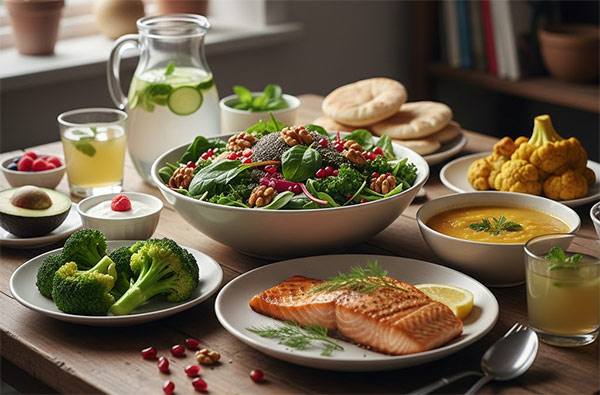
2. The Power of Phytochemicals: Beyond Common Antioxidants
While many mistakenly believe they should only eat “juice,” modern science emphasizes consuming whole fruits or whole foods.
- Sulforaphane: found in broccoli and sprouts, which strengthens the liver’s detoxification pathways.
- Curcumin: (the active ingredient in turmeric), which should be combined with black pepper. It should be consumed to increase its absorption by 2000%. This combination helps reduce systemic inflammation caused by tumors.
- Cooked lycopene: Unlike many vitamins that are destroyed by heat, the lycopene in tomatoes becomes much more absorbable after cooking to fight free radicals. Nutrition based on treatment side effects
In this section, a practical roadmap to deal with the most common problems during treatment is presented Made by a nutritionist:
Side Effect Recommended Dietary Strategy Key Nutrients Nausea intense dry, cold and odorless foods; Avoiding very sweet or fatty foods Fresh ginger, crispy biscuits, toast, apples Change in taste (metallic taste) Using Acidic condiments and non-metallic containers lime, orange, flavorings such as mint and basil severe reduction of white blood cells neutropenic diet (avoid bacteria possible) fully cooked foods, peeled fruits, avoiding moldy cheeses stomatitis pureed, soft and Room temperature Soft oatmeal, Greek yogurt, non-acidic smoothies Drug-induced constipation Increasing soluble fiber with high hydration Plums Bukhara, chia seeds (soaked), plenty of lukewarm water Correction of misconceptions: sugar and cancer One of the biggest concerns of patients is "does sugar feed cancer cells?". The scientific fact is that all cells (healthy and cancerous) use glucose for energy. Completely eliminating carbohydrates can lead to severe weight loss and weakening of the immune system. The smart solution: replace simple carbohydrates with complex carbohydrates with a low glycemic index (such as quinoa, oats, and legumes). This keeps the level of insulin in the blood (which is a growth factor for cells) stable.
4. Hydration and electrolyte balance
During the treatment, the kidneys have a heavy burden to eliminate drug residues. Dehydration not only aggravates fatigue, but also increases the toxicity of drugs.
Beyond water: using cucumber or mint flavored water, homemade diluted soups and natural electrolytes such as coconut water can significantly improve energy levels.
5. The role of anti-inflammatory fats Omega-3 fatty acids (EPA and DHA) play a key role in reducing chronic inflammation. Studies show that patients with higher levels of omega-3s tolerate chemotherapy better.
Sources: high-quality fish oil, walnuts, and flaxseeds. (Note: Be sure to consult your doctor before taking high-dose fish oil supplements, because it may affect blood clotting). Herbs such as basil, mint and tarragon are natural appetizers that can fight nausea and bad taste in the mouth. Also, instead of industrial and high-sugar snacks, you can use traditional combinations such as "rice milk" (made with honey or grape juice instead of sugar), which both provides the calories needed by the body and, due to its soft texture, is very suitable for patients with oral inflammation. Using natural "pomegranate paste" as a seasoning in foods can also make the body's immune system more resistant to cell damage due to its many antioxidants.
Frequently asked questions (FAQ) about the diet of cancer patients
- Is it recommended to take vitamins as a supplement during chemotherapy?
No, never arbitrarily. Some antioxidants in high doses may interfere with the oxidation mechanism that some chemotherapy drugs use to kill cancer cells and reduce the effectiveness of the treatment. Always consult the treatment team before taking any supplement. - When is the best time to eat the main meal on injection days?
It is usually recommended to avoid eating heavy meals 2 hours before and after the injection. The best time to get the most calories is when the patient feels most comfortable, which is usually in the early hours of the morning. - Is a vegetarian diet better for cancer treatment?
Not necessarily. While consuming plants is very beneficial, cancer patients require a lot of protein, which is difficult to obtain from plant sources alone in small amounts (which the patient has a small appetite for). A diet containing quality animal proteins and plenty of vegetables (Plant-forward) usually has the best results. - What can we do to get rid of metallic taste in the mouth? Using plastic spoons and forks instead of metal ones, sucking sugar-free lemon candies before meals and adding a few drops of lime juice to foods can neutralize this unpleasant feeling.
- Does starving the body (fasting) kill cancer cells?
Fasting under the supervision of a doctor (Intermittent Fasting) has shown promising results in some studies to reduce side effects, but long-term and arbitrary starvation leads to muscle wasting and treatment failure. Any change in the eating pattern should be done with accurate calorie calculations.
Scientific sources and reliable references (Sources & References)
American Cancer Society (ACS): Nutrition for People With Cancer – cancer.org
National Cancer Institute (NCI): Nutrition in Cancer Care (PDQ®) – cancer.gov
Academy of Nutrition and Dietetics: Oncology Nutrition Connection – eatright.orgHow many stars would you give this article? White - Is it recommended to take vitamins as a supplement during chemotherapy?