
How thick is dental composite? + Standard thickness size

Dr. Mehsa Ensi
TehranSpecialist in gum surgery - implant
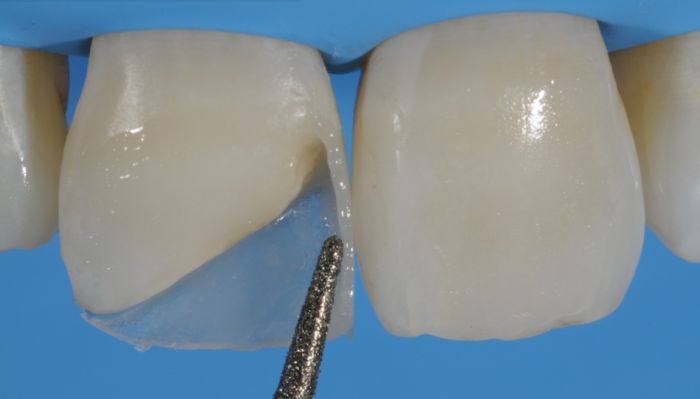
restoration of damaged and decayed teeth, the thickness is usually between 1 It is up to2mm or even more and is implemented in layers to maintain its strength and long-term durability.

 -
Text size
+
-
Text size
+
Dental composite is one of the most widely used treatment and beauty methods in modern dentistry, which is used to restore, shape and improve the appearance of teeth. One of the most important factors in the long-term success of this treatment is the thickness of the composite used. Choosing the right thickness not only affects the final beauty, but also plays a decisive role in the function, strength and health of natural teeth. In this article, we will examine the factors influencing the choice of composite thickness, the functional differences in different thicknesses, and the key points to maintain the balance between beauty and tooth performance.
How thick is the dental composite?
The thickness of the composite varies depending on the type of treatment, the condition of the teeth and the dentist's technique. But in general, it can be checked in two main categories:
Composite veneer (beauty)
This type of composite is used to beautify the appearance of teeth, for example:
- Correcting teeth color
- Closing the distance between the teeth
- Mild alignment of teeth
- Smile shape correction
Read more: Cause and the treatment of tooth protrusion after composite
If the teeth are composited without grinding, the thickness will usually be between 0.3 and 0.5 mm. If there is a need to correct the shape of the tooth, the thickness may reach up to 0.7 or even 0.9 mm. The greater the thickness, the better the possibility of creating the desired color or covering the abnormalities, but the risk of looking artificial and putting pressure on the opposite teeth increases.
Restorative composite (treatment of decay or fracture)
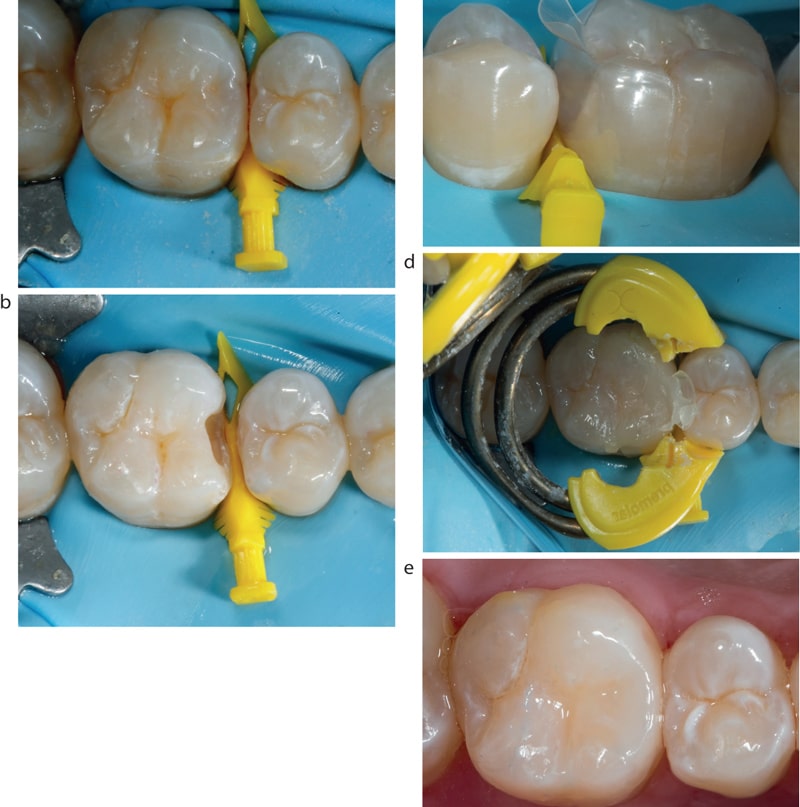
This type of composite is used to repair dental injuries, including:
- Filling cavities caused by decay
- Repairing the broken edge of a tooth
- Restoration of worn or cracked teeth
Typical thickness is between 1 to 2 mm or more (in some cases up to 3-4 mm in several stages). These types of composites are usually laid in layers to prevent cracking and shrinkage. The final thickness depends on the extent of decay or fracture. Sometimes, to strengthen the structure, base liner or protective materials such as glass ionomer are used under the composite.
Dentist's role in determining the thickness of tooth composite
Determining the appropriate thickness of the composite is a specialized process and completely depends on the skill and diagnosis of the dentist. The dentist chooses the appropriate thickness by considering factors such as the state of dental health, the anatomy of the jaw and mouth, the patient's aesthetic needs and the type of composite application (aesthetic or restorative). This decision should be made in such a way that while maintaining the natural appearance of the tooth, it does not harm the surrounding tissues and the correct function of the tooth is maintained. Experience, technical knowledge, artistic understanding and the ability to analyze the condition of each patient individually are key factors in the correct decision of the dentist to choose the thickness of the composite. In fact, the balance between beauty and performance is the result of the dentist's conscious and scientific decision in determining the thickness.
Methods for measuring the thickness of tooth composite

1. Manual or digital caliper (Vernier Caliper):
A caliper is one of the precise tools for measuring the thickness of materials. In dental treatments, after applying the composite layers, the dentist can check the thickness of each part using a caliper to ensure its uniformity. This tool is especially used for thickness control in the final stages of polishing and shaping and has high accuracy (usually up to hundredths of a millimeter).
2. Silicone template (Silicone Index):
In smile design or composite veneer, before starting the treatment, the dentist prepares a silicone template of the ideal shape of the teeth using molding or digital design. This template is placed on the tooth and the space to be filled with composite is determined. By placing the composite in this space, the doctor can accurately and controlled thickness.
3. Temporary mock-up (Mock-up):
A make-up is a temporary model of the final result that is placed on the patient's tooth before the main treatment. This mock-up is usually made with temporary materials and allows the dentist and patient to check and confirm the approximate thickness, shape, size and fit of the composite before final implementation. In fact, it is a real and three-dimensional simulation of the final result.Read more: glass edge composite E
4. Intraoral Scanner:
This digital tool provides the possibility of accurate measurement of the thickness and the changes made by 3D scanning of the mouth and teeth. In advanced clinics, the dentist compares before and after treatment using a scanner and can check the thickness difference created by the composite at any point of the tooth. This method is very accurate and greatly reduces the need for manual measurement.
5. Digital Smile Design software (Digital Smile Design - DSD):
These softwares allow the dentist to perform a precise digital design of the patient's smile and determine the volume and thickness required for each tooth before starting the treatment. The obtained data can also be used to create a template or mock-up. This method is especially used in beauty treatments and helps to accurately determine the final thickness and shape.
Factors affecting the thickness of tooth composite

1. Type of treatment (aesthetic or restorative):
In cosmetic treatments such as veneers, the thickness is less and more uniform (usually 0.3 to 0.9 mm), but in restorative treatments, the composite may be thicker to replace the lost tooth tissue.
2. The amount of tooth destruction or damage:
The more decayed or broken the tooth, the more thickness of the composite is needed for reconstruction.
3. The need to change the shape or correct the smile:
If the goal is to correct the distance between the teeth, the uneven shape or the smallness of the tooth, more thickness of the composite is needed.
Read more: before and after dental composite photos
4. Base color of natural teeth:
If the color of the underlying tooth is very dark or discolored, a thicker layer of composite may be needed to cover it to achieve the desired final color.
5. The amount of tooth grinding before the composite:
In no-trim or low-trim methods, the final thickness is usually greater because the composite is placed over the existing surface. In the methods with lathe, the thickness will be less because the space is created for placing the material.
6. The location of the teeth in the mouth (front or back):
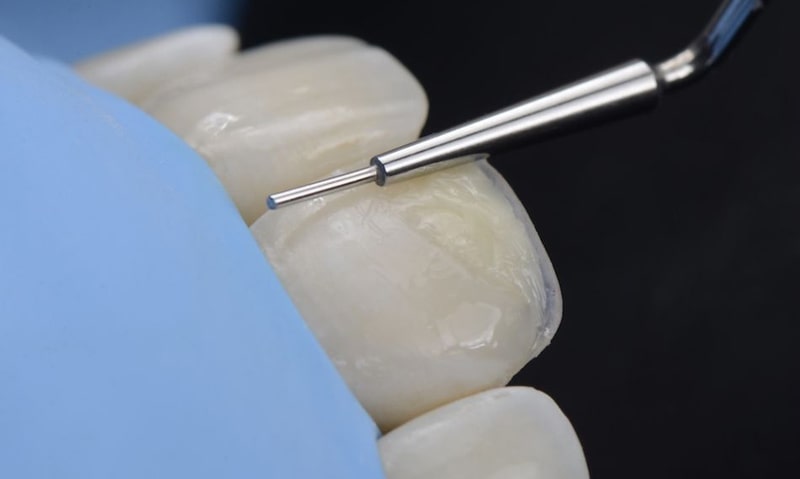
The front teeth usually have a thinner and finer composite, but in the back teeth, which are under more pressure, more thickness is needed for strength.
7. The role of the dentist's skill and expertise:Dentist's skill, experience and aesthetic vision play a big role in choosing the right thickness. Some doctors work with thin layering techniques, others with more thickness to achieve the desired shape.
8. The amount of space between teeth and lips:
If the distance between the tooth and the lip is greater, the dentist can use more thickness for shaping. But if the space is small, the thickness should be controlled so that the lips do not protrude.
9. Need to modify the byte (occlusion):
In patients who have teeth pairing problems, the thickness of the composite should be adjusted with high precision so as not to disturb the bite or wear of the opposite teeth.
10. Type of composite materials used:
Some composites with high coverage and strength allow less thickness to be used, while others require more thickness to provide coverage and durability.
Read more: Composite without Thrash
Conclusion
Dental composite thickness is one of the key factors in the final success of restorative and cosmetic treatments. The correct choice of this thickness not only affects the beauty of the smile and the natural appearance of the teeth, but also ensures the function, strength and long-term health of the teeth. As discussed in this article, several factors such as the type of treatment, the condition of the tooth, the skill of the dentist, measuring tools and even the patient's expectations, all play a role in determining the final thickness of the composite. Therefore, reaching the best result is possible when these factors are carefully and harmoniously considered. Choosing the thickness of the composite is not a purely technical decision, but a combination of knowledge, art and experience, which can only be achieved by consulting with a knowledgeable composite dentist and a knowledgeable professional.
Approved by:
Dr. Shaghaig Parvizi
Dental clinic Amytis
Amitis Dental Clinic, managed by Dr. Mohammad Parsa and specialized in cosmetic, restorative and implant treatments for more than 15 years, is one of the reputable dental clinics with modern equipment and experienced team in Tehran. This center has provided more than 10,000 successful services to patients, and Amitis Dentistry, in addition to treating domestic patients, has also treated international and foreign patients.
 previous post
 Next post
Cancel response





