Table of Contents
- What are the symptoms of a cold in children?
- How many days does a cold in children last?
- The difference between children's colds and influenza, corona and allergies
- Children's cold treatment
- Colds in babies and children under 2 years old
- Complications of cold in children
- Prevention of cold in children
- Conclusion
Children's colds are one of the most common diseases that almost all parents face several times a year. It is enough for a child to go to a kindergarten or to be in contact with several other children for viruses to find their way to his body very easily. This makes the child's cold a constant worry for families. Contrary to the simple appearance of this disease, colds in children are not always insignificant. Sometimes its symptoms are confused with more serious diseases such as influenza or even corona, and this makes parents worry more. Knowing the differences and signs helps to make a better decision. In this article, we are with you to examine children's colds in detail.
What are the symptoms of a cold in children?
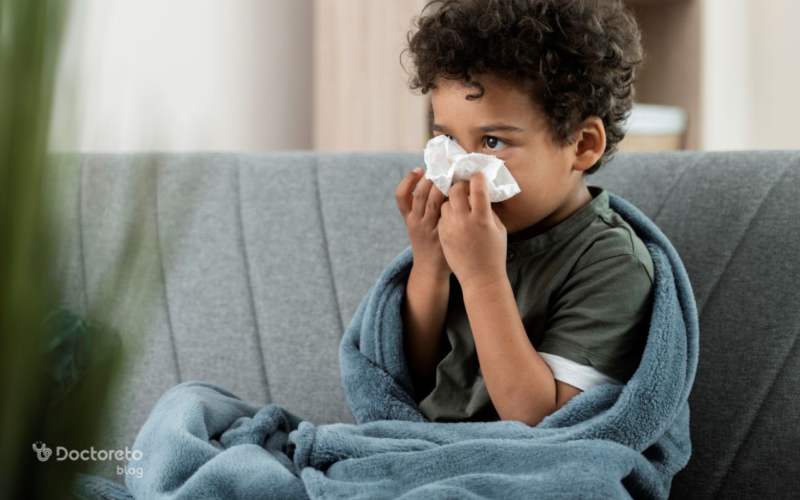
The first sign of a child's cold is usually a runny or stuffy nose. Nasal discharge may be clear in the first days, and after a few days, it may become a little thicker or yellow and green. This color change does not always mean infection and is often a natural process of recovery.
Coughing, sneezing and sore throat are other common symptoms. Some children get hoarse or complain of a sore throat. Coughs usually become more severe at night and may disturb the sleep of the child and parents. Mild fever, lethargy, loss of appetite and restlessness are also seen in many children. The child may play less or get tired sooner. These symptoms are usually mild, but if they are severe or prolonged, they should be taken seriously.

How many days does a cold in children last?
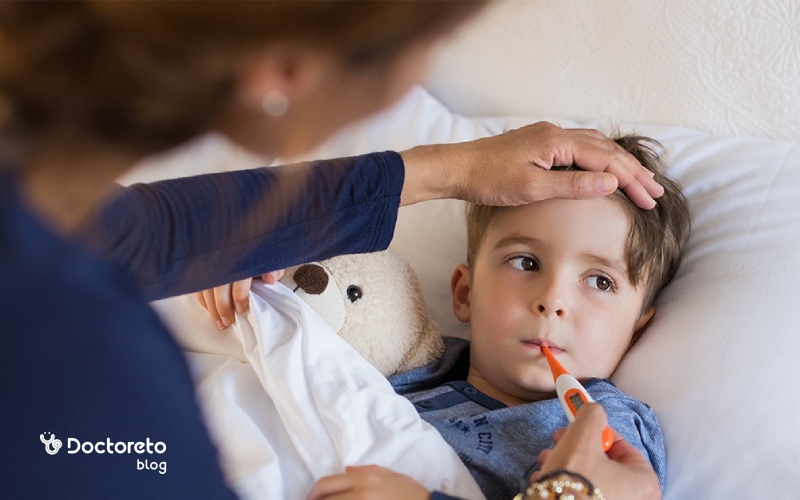
In most cases, children's colds last between 7 and 10 days. The symptoms are usually more severe in the first days and then gradually decrease. Runny nose and sneezing usually start earlier and cough in children may end later. In some children, especially children who have a weaker immune system, the cough can last up to two weeks.
If the child has a good general condition and does not have a fever, this is usually normal and there is nothing to worry about. If the symptoms do not improve or worsen after 10 days, the possibility of a secondary infection such as an ear or sinus infection is raised. In this situation, it is better to consult a doctor.
The difference between children's colds and influenza, corona and allergies
A child's cold usually starts with mild and gradual symptoms. Runny nose, sneezing and sore throat are the main symptoms, and fever, if present, is usually mild. The child is often able to play, although a little more lethargic than usual.About the difference between a cold and the flu it should be said that the flu starts suddenly and has more severe symptoms. High fever, body ache, headache and severe weakness are its important symptoms. A child with influenza usually does not have a good general condition and needs complete rest.
Regarding difference between allergy and cold, it should also be said that allergy and corona are sometimes confused with cold. Allergy usually does not have fever and its symptoms are itchy eyes and prolonged sneezing. Corona can be accompanied by fever, dry cough and sometimes loss of smell, and its diagnosis requires a more detailed examination.
| Feature / symptom | cold | influenza | coronavirus | allergy |
|---|---|---|---|---|
| start Symptoms | Gradual | Sudden | Variable | Gradual or prolonged |
| Fever | Mild or no fever | Usually high | May be high | No discharge |
| Nose | common, clear at first, then thick | less common | possible | common, with constant sneezing |
| sneezing | common | less common | occasional | common and Prolonged |
| Cough | Usually mild, worse at night | Severe, dry | Predominant dry cough | Usually no or mild |
| Sore throat | Common | Common | Possible | Usually No |
| Body pain and headache | Mild | Severe | Sometimes | No |
| Lethargy and decrease Play | mild | severe | occasionally | none |
| loss of sense of smell / taste | reduced sense of smell due to nasal congestion | none | possible | none |
| duration Illness | 7–10 days | 7–14 days | Variable, usually 10 days | long, as long as the stimulus is present. |
| Illness severity | Mild | Moderate to severe | Moderate | Mild to Moderate |
| Need complete rest | No | Yes | Depending on severity | No |
| Persistent symptoms after 10 days | Usually normal | May need follow-up | Need investigation | Symptoms Continued |
Treatment of children's colds
Treatment of children's cold is more supportive, because it is caused by a virus and cannot be treated with antibiotics. The most important principle is to help the child's body to pass the course of the disease, not to rush to stop the symptoms immediately. Adequate rest plays an important role in recovery.
If possible, it is better for a child who has a cold to stay at home for a few days and not put pressure on his body. Adequate sleep helps strengthen the immune system. Along with rest, it is very important to pay attention to nutrition and fluids. The child may have less appetite, but drinking fluids will help prevent dehydration and ease symptoms.
English text:
quoted from nhs
Children under 6 should not have over-the-counter cough and cold remedies, including decongestants, unless advised to by a GP or pharmacist.
Persian translation:
Children under 6 should not arbitrarily use over-the-counter cough and cold remedies, including decongestants; unless recommended by a doctor or pharmacist.
1. Care methods at home
One of the simplest and most effective methods is to use mild cold fumigation or air humidifier. This will help open up the airways and reduce coughing and nasal congestion, especially at night. Rinsing the nose with saline has a great effect, especially in small children.
This thins the secretions and makes it easier for the baby to breathe. Of course, it should be done calmly and in the right way. Comfortable clothes, a warm but well-ventilated environment, and keeping the child away from cigarette smoke are important points of care. These simple actions sometimes have more effect than medicine.
2. Authorized medicines for children's cold
Antipyretics such as acetaminophen or ibuprofen can be used in case of fever or pain, with the appropriate dose for the child's age. The dosage should always be adjusted based on the weight and age of the child. Most combined cold medicines are not recommended for children under 6 years of age.Children's cold syrup are not always necessary, many cough and cold medicines have limited effectiveness and may cause complications, so use should be done with the advice of a doctor or pharmacist. It is better to take any medicine, even herbal syrups, with the opinion of a doctor or pharmacist. Self-medication in children can cause unwanted side effects.
Colds in babies and children under 2 years old
Colds in babies are more sensitive than older children. The baby cannot express the symptoms and Nasal Congestion Baby may interfere with feeding or sleeping. At this age, rinsing the nose with saline is very helpful. Using cold incense can also make breathing easier. If the baby has a high fever, severe lethargy, wheezing, or a marked decrease in feeding, the doctor should be consulted as soon as possible. In children under two years of age, caution is always a priority.

complications of cold in children
In most cases, a cold will recover without any special complications. But sometimes it can cause secondary infections such as ear infection, sinusitis or bronchitis. Symptoms such as earache, long-term fever, purulent discharge from the nose or severe and persistent cough can be signs of complications. In this situation, it is necessary to see a doctor. Children who have asthma or breathing problems may experience flare-ups with any cold. These children need more careful care.
prevention of colds in children
Washing your hands regularly is the easiest and most effective way to prevent a child's cold. Teaching this habit from an early age has a great effect on reducing the incidence. Strengthening the immune system with healthy nutrition, enough sleep and physical activity suitable for the child's age plays an important role.
Consumption of fresh fruits and vegetables helps the child's body fight viruses better. Keeping children away from sick people, proper ventilation of closed spaces, and teaching to observe cough and sneeze hygiene are also important points of prevention.
English text:
quoted from mayoclinic
One of the most important is to wash hands and keep hands clean. Wash hands with soap and water and scrub for at least 20 seconds. If soap and water aren't available, use an alcohol-based hand sanitizer with at least 60% alcohol. Farsi translation: One of the most important things is to wash your hands and keep them clean. Wash hands with soap and water and rub well for at least 20 seconds. If soap and water are not available, use hand sanitizer with at least 60% alcohol.
Conclusion
Children's cold is a common disease that often gets better without special treatment. Parents' awareness of the symptoms, disease process and care methods play an important role in the peace of the child and the family. By following simple principles of care and avoiding self-administration of drugs, the duration of the disease can be shortened and the symptoms more tolerable. It is always more important to pay attention to the child's general condition than fever or cough. If symptoms are severe, unusual, or prolonged, seeing a doctor is the best decision. The combination of awareness, patience and care is the key to a healthy child's cold.
Your doctor takes care of your health!