Menopause is a natural phase of women's life that usually occurs between 45 and 55 years of age and is characterized by the permanent cessation of menstruation. Due to the gradual decrease of female hormones, especially estrogen, this period can have extensive effects on the body and mind. Many women experience symptoms in the years before and after menopause, the severity of which varies from person to person. Some of these symptoms are short-term and will subside over time, but others can have long-term or even dangerous effects. Awareness of these complications provides the possibility of better management of this period. In this article from your doctor, we discuss the most important menopause effects in the short and long term.
Short-term effects of menopause (at the time of transition to menopause)
During menopause and the first few years after menopause, the body faces severe hormonal changes. These changes can cause physical and emotional symptoms that are bothersome to many women. The severity of these symptoms usually depends on the lifestyle, genetics and general health status of the person.
Some of these complications may last for several years and affect the quality of daily life. Management, education and regular medical care can help reduce these symptoms.
Short-term side effects of menopause (transition period and first years)
Long-term side effects of menopause (later years)
Hot flushes and night sweats caused by disturbances in body temperature regulation
Decreased bone density and increased risk of osteoporosis and Fracture
Muscle, joint and pelvic pains due to the decrease of hormones
Increased risk of cardiovascular diseases and metabolic syndrome
Sleep disturbance, insomnia and daily fatigue
Increase in abdominal fat and change in body fat distribution
Mood swings, anxiety and depression due to changes Hormonal
Vaginal atrophy, chronic pelvic pain and decreased quality of sexual life
Vaginal dryness, pain during intercourse and decreased libido
Gum and tooth problems and increased dry eyes
Urine frequency, reduced bladder control and increased urinary infection
Deep and lasting effects due to permanent reduction Estrogen
Headache, palpitations and mild dizziness related to hormonal changes
Need for medical care, screening and long-term lifestyle modification
Dry skin, thin skin and hair loss
Increased health risks if medical attention and follow-up are not observed
In this table Short-term and long-term menopause complications have been investigated and compared.
1. Menopausal pain
Decreasing hormones can cause muscle and joint pains that sometimes resemble arthritis pains. Some women feel that their body has become drier and less flexible.
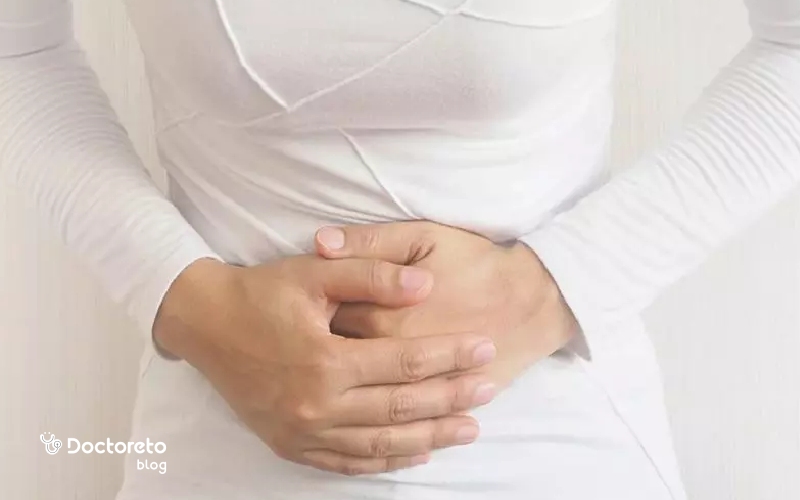
Pelvic or abdominal pains may also occur as a result of hormonal changes. These symptoms usually worsen with age and declining estrogen levels. Proper physical activity and healthy eating can help reduce these pains to some extent. In case of severe menopause pains, it is necessary to consult a doctor.
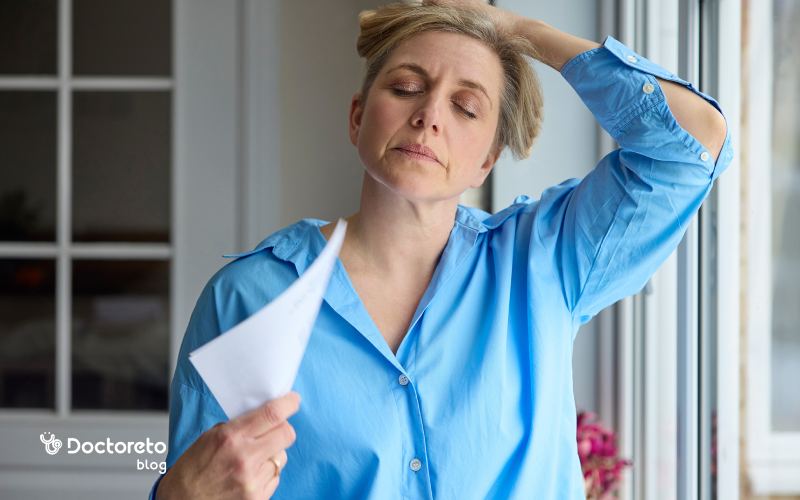
A hot flush usually lasts 1-5 minutes, but it has a big impact on a person's comfort.
2. Hot flashes and night sweats
These are two of the most common symptoms of the transition period to menopause and are caused by disturbances in body temperature regulation. Women may suddenly feel hot, accompanied by sweating. Hot flashes usually last 1 to 5 minutes but have a large impact on a person's comfort.
night sweat causes sleep disturbance and fatigue the next day. Factors such as stress, hot drinks or spicy foods can aggravate these symptoms. Lifestyle management has a significant effect on controlling these symptoms.
3. Sleep disorder and daily fatigue
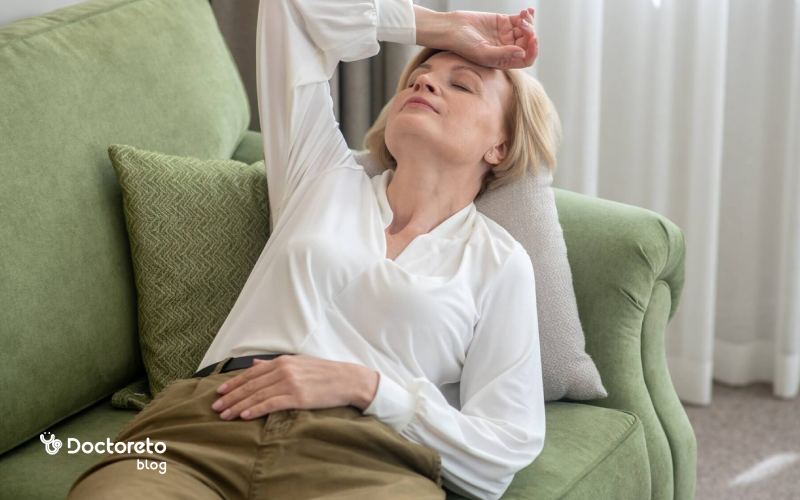
Decreasing hormones and the presence of symptoms such as hot flashes can disrupt the sleep cycle. Many women complain of sleep disturbances, frequent awakenings, or light sleep.
Insufficient sleep over time causes chronic fatigue and reduced concentration. Anxiety and depression can also make sleep worse. Establishing a sleep routine and reducing caffeine consumption can be helpful. In severe cases, medical examination is necessary.
English text: Many women in perimenopause and menopause find it hard to sleep through the night. Low levels of progesterone can make it hard to fall and stay asleep. Low estrogen levels can also cause hot flashes that make you sweat while you sleep. Persian translation: Many women face the problem of sleeping at night during perimenopause and menopause. Low progesterone levels can make it harder to fall asleep and stay asleep. A decrease in estrogen can also cause hot flashes and night sweats, which further disrupts the sleep process.
4. Mood swings, anxiety and depression
Severe hormonal changes can cause instability of mood and emotions and sometimes depression in women. Many women experience unusual irritability, anxiety, or feelings of sadness. Low estrogen affects neurotransmitters such as serotonin, which in turn affects mood.
Middle age stress can also aggravate this situation. Family and social support play an important role in passing this stage. If the symptoms persist, it is useful to see a specialist.
5. Vaginal dryness, pain during sex, decreased libido
Vaginal dryness is the result of a decrease in estrogen, which causes a decrease in moisture and thinning of tissues. This problem can make sex painful and lead to a decrease in sexual desire. Many women feel more burning or sensitivity in the genital area.
Vaginal lubricants and moisturizers usually help. Talking with your partner can reduce the stress caused by these changes. In some cases, local hormonal treatments are recommended.
Decreased estrogen causes tissue in the urinary tract and bladder to thin, which can cause frequent urination. Some women feel they have less control over their bladder. The possibility of urinary tract infection in women also increases during this period. Vaginal dryness also aggravates this situation. Adequate water intake and proper hygiene are very important. If the infection repeats, it is necessary to see a doctor.
English text: Urinary incontinence refers to abnormalities of the bladder. The two most common types of urinary incontinence are leakage of urine and a persistent urge to urinate. Both are common side effects of menopause. Farsi translation: Urinary incontinence refers to problems and disorders related to the bladder. The two most common types include leakage of urine and a constant and intense urge to urinate. Both of these problems are considered common complications of menopause.
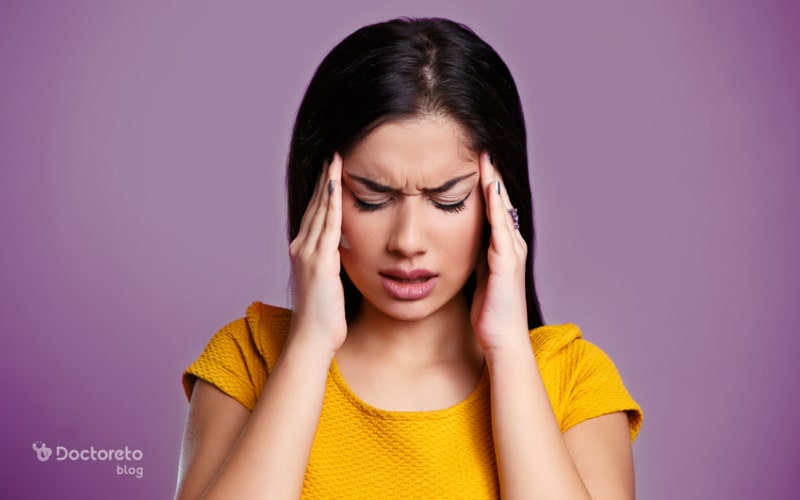
Hormonal changes can affect the nervous system and heart and cause frequent headaches. Some women experience episodes of palpitations or irregular heartbeats. These symptoms are usually short-lived but can be cause for concern.
Mild dizziness is also seen in some people, which is often caused by pressure drop or hormonal changes. Stress aggravates these symptoms. In case of severe symptoms, medical examination should be done.
Estrogen plays an important role in maintaining the moisture and health of the skin, and its decrease causes dryness and thinning of the skin. Many women notice that their skin becomes more sensitive or wrinkles sooner. Hair loss can also occur due to decreased hormones and metabolic changes.
Deficiency of some vitamins can make this situation worse. Proper skin care and a healthy diet have a big impact. In extreme cases, a more detailed investigation is needed.
Decreasing hormones can cause muscle and joint pain that sometimes resembles arthritis pain.
Long-term effects of menopause (years after menopause)
After a few years of menopause, the permanent decrease in estrogen can have more profound effects on the body. Some of these complications appear later but are more important. These problems can cause significant health risks if not paid attention to. Medical care, screening and lifestyle modification play an essential role in prevention. In the following, we mention the most important complications.
1. Decreased bone density and risk of osteoporosis
Estrogen plays a key role in maintaining bone health, and its reduction accelerates the process of bone loss. Postmenopausal women are highly susceptible to osteoporosis. Hip, spine and wrist fractures are common complications of this condition.
Regular exercise and adequate intake of calcium and vitamin D are essential. Bone density screening can help in early detection. Prevention is always easier than treatment.
2. Increased risk of cardiovascular diseases and metabolic syndrome
Estrogen protects the heart and its decrease can increase the risk of heart disease. After menopause, bad cholesterol levels rise and belly fat increases. These factors, along with increasing blood pressure, increase the possibility of metabolic syndrome.
Physical activity and a healthy diet play an essential role in reducing this risk. Periodic control of blood pressure and blood lipids is recommended. A healthy lifestyle is the biggest protective shield.
3. Menopause and big belly
Decreasing estrogen changes the distribution of fat in the body and increases abdominal fat. Many women notice that even with the same diet as before, abdominal obesity worsens. This type of obesity is associated with heart disease and diabetes. Gradually decreasing physical activity will intensify the process of menopause and belly fat. Low sugar diet and aerobic exercise are very effective. Stress management is also important.
4. Vaginal atrophy and pelvic pain
As hormones continue to decrease, vaginal tissues become thinner and drier. This condition may cause pain during intercourse and even hip pain. Vaginal atrophy can reduce the quality of sexual and marital life. Regular care and topical treatments are usually effective. Avoiding treatment can make the problem worse. Consulting a doctor is the best option.
5. Gum and tooth problems and dry eyes
Decreasing estrogen can cause gum inflammation and increase the risk of oral diseases. Women may experience bleeding gums or tooth sensitivity. Dry eye syndrome is also a common symptom of menopause that worsens with age. It is necessary to use eye drops and take care of oral health. Periodic medical examinations can prevent more serious problems. Continuous care is very important.
What are the dangerous side effects of menopause?
Dangerous side effects of menopause are usually related to a long-term decrease in estrogen and can seriously affect general health. One of the most important of them is severe osteoporosis, which increases the risk of hip, spine and wrist fractures. In addition, cardiovascular diseases become more common after menopause and are recognized as one of the leading causes of death in women.
Metabolic syndrome, including increased blood sugar, abdominal fat, and blood pressure, is more likely during this period. Some women may experience severe vaginal atrophy, which causes chronic pelvic pain and urinary problems. Excessive drying of body mucus can also lead to eye and mouth problems. All of these factors make the need for regular care and follow-up after menopause very necessary.
Conclusion
Menopause is a natural part of women's life, but it can be accompanied by many symptoms and complications. Awareness of menopause effects allows for better management and reduction of unpleasant effects. Many short-term complications can be controlled with lifestyle adjustments. Long-term complications require more serious care and ongoing prevention. Visiting a doctor and periodic follow-ups play an important role in maintaining women's health during this period. Accepting this stage and preparing for it can make the menopause experience much easier.
Your doctor takes care of your health!
Frequently Asked Questions
Yes, a sudden drop in estrogen can cause mood swings, anxiety, irritability and even depression. to be These changes are completely normal and their intensity varies from woman to woman. Stress management, adequate sleep and emotional support can reduce the impact of these symptoms.
Regular exercise, healthy eating and avoiding excessive caffeine and sugar consumption are the most important Symptom control methods. Meditation, stress management and improved sleep can reduce the effect of symptoms. If the symptoms are severe, the doctor may prescribe hormonal or supplemental treatment.
Many symptoms such as hot flashes, insomnia or mood swings after a few months They decrease for a few years. The duration of these symptoms varies from person to person and depends on body conditions and lifestyle. With proper care, the intensity and duration of the symptoms usually decrease.
Yes, the risk of heart disease, osteoporosis and metabolic syndrome after Menopause increases. Low estrogen makes the body prone to more serious problems in the long run. Medical follow-up, healthy eating and physical activity can significantly reduce these risks.
I have started my activity in the field of content production and management since 1995 and I am always eager to face new job opportunities. Getting to know a different world in different fields such as medicine and health also encourages me to follow a healthy lifestyle. That's why I started working with your doctor.