روکش دندان یکی از درمانهای رایج برای محافظت از دندانهای آسیبدیده، عصبکشیشده، ترکخورده یا دارای پوسیدگی شدید است. Many people expect not to have any pain or sensitivity immediately after veneering, but in practice, pain after veneering is quite common. Sometimes this pain is normal and transitory and only needs time, but sometimes it is a sign of a more serious problem in the tooth or the tissues around it that needs to be examined by a dentist.
In this article, orthodontist in Mashhad fully examines the main causes of tooth pain after veneers, the normal duration of pain, worrying symptoms and pain reduction solutions so that you can better diagnose the cause of your problem and make the right decision.
Why does pain occur after dental veneers?
While preparing the tooth for the crown, a layer of enamel is shaved away to create space for the crown. This process can irritate the pulp (dental nerve) and surrounding tissues. Also, placing a new crown may cause pressure or changes in the contact of the teeth. For this reason, mild to moderate pain is normal for the first few days.
But if the pain is severe, persistent, or throbbing, there is probably another cause.
The most important reasons for tooth pain after veneers
The main and most important reasons for toothache after veneers are:
Stimulation or inflammation of the tooth nerve; The most common cause of pain after veneer
If the tooth still has a nerve and has not been denervated, grinding the tooth and attaching the crown can cause inflammation of the pulp. This type of pain usually shows itself as sensitivity to cold, heat and pressure.
This type of pain often subsides within a few days to a few weeks, but if the inflammation is severe, the nerve may suffer permanent damage and nerve removal is required.
Read more » 10 basic home methods to control toothache
high cover; When incorrect adjustment causes pain and pressure
One of the most common reasons for pain after a crown is the high crown or excessive contact with the opposite tooth.
Symptoms of this problem:
- Pain when chewing
- Stabbing pain when closing the teeth
- feeling of the cover sticking
In this case, every time you chew food, too much pressure is applied to the root of the tooth and causes pain. This problem can be easily solved by a simple restoration by a dentist.
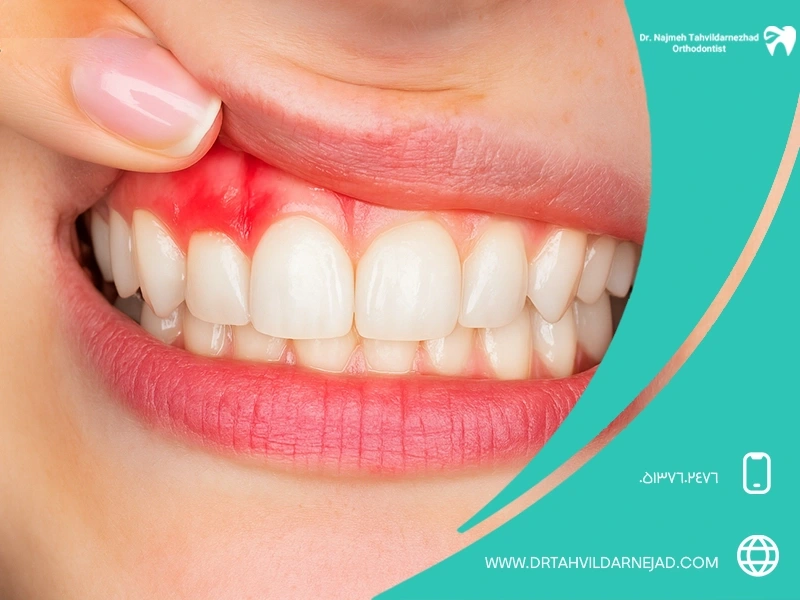
Inflammation of the gums around the veneer and its role in causing pain and sensitivity
During tooth grinding and molding, the gum tissue is stimulated. It is also possible that the cover has a little contact with the gums and causes inflammation.
Symptoms:
- Pain around the cover Redness and swelling of the gums
- Bleeding while brushing
In many cases, the problem is solved by observing oral hygiene and using mouthwash.
Read more » Does dentistry cause herpes?
Rot under the coating; The hidden cause of constant and sudden pain
If the decay is not completely removed before veneering, or if a gap is created at the junction of the veneer and the tooth over time, there is a possibility of decay under the veneer again. This type of pain is usually progressive and more intense.
Symptoms:
- Persistent pain
- Severe sensitivity to sweets or cold
- Bad breath
In this case, there is usually a need to remove the veneer and re-treat the tooth.
root infection or incomplete denervation treatment; The reason for deep pains after veneer
If the tooth that is covered has already been denervated, one of the canals may not have been properly treated or a new infection may have developed.
Worrying symptoms:
- Throbbing pain
- Night pain
- Swelling of the face or gums
- Output of pus
This condition requires re-root treatment or in some cases epic surgery.
Teeth grinding (bruxism) and the effect of jaw pressure on pain after veneers
If you grind your teeth together at night, the crown puts more pressure on the tooth and can cause pain or grinding teeth.
Symptoms:
- Jaw pain
- Abrasion of teeth
- Pain when waking up
In this case, it is recommended to use Nightguard.
How many days is toothache normal after veneers?
In normal mode:
- Mild pain to sensitivity to cold and heat: 3 to 14 days
- Pain when chewing: 1 to 2 weeks
- If the pain continues for more than 2 to 3 weeks or its intensity increases, the tooth should be checked.
Read more » Know the types of gum disease
When is pain dangerous?
Seeing a dentist is essential if you experience the following:
- Severe and throbbing pain
- Pain during sleep or without stimulation Swelling of the gums or face
- Output of pus
- Fever
- Inability to chew
These symptoms usually refer to an infection or a structural problem with the lining.
Solutions to reduce pain after tooth veneer
- Consumption of appropriate painkillers (according to the doctor)
- Consumption of soft foods
- Avoid chewing on the cover side for a few days
- Using anti-inflammatory mouthwash or salt water
- Avoid very cold or hot drinks
- Gentle brushing around the cover
- Using a night guard in case of teeth grinding
Finally, it should be mentioned that if the cause of the pain is related to the height of the veneer, the only effective solution is to adjust it by the dentist.
Conclusion
Tooth pain after veneering is natural and temporary in many cases and is caused by pulp irritation, gingivitis or transient sensitivity. But if the pain is severe, long-lasting, throbbing, or accompanied by swelling, there is a possibility of a more serious problem, such as infection, decay under the crown, or improper height, and should be checked by a dentist. Early diagnosis prevents more damage to the tooth and makes the treatment easier.
Frequently asked questions about tooth pain after dental veneers
Is the pain after veneer normal?
Yes, mild pain for a few days is normal, but severe or prolonged pain needs to be investigated.
What is the symptom of pain when chewing after veneering?
It usually indicates that the veneer is too high or too much contact with the opposite tooth and should be adjusted by the dentist.
Why does a denervated tooth hurt after a veneer?
Root infection, residual nerve, or veneer pressure may be the cause of pain.
Is it possible for tooth decay to occur under the crown?
Yes, if there is a gap between the crown and the tooth or the complete decay is not treated.
How long does the pain last after the coating?
Normally 1 to 2 weeks, but more than 3 weeks needs to be checked.
Is mouthwash effective for reducing pain?
Anti-inflammatory mouthwash or salt water can reduce gum inflammation, but it does not treat the underlying cause of the pain.





