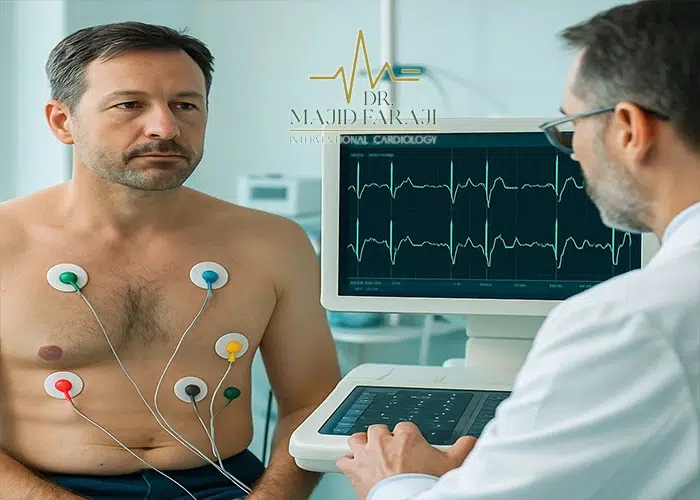


The heart always works and ceaselessly; But have you ever imagined that this regular rhythm could be disturbed one day? This type of disorder includes simple heart beat irregularity and threatening and dangerous conditions such as cardiac arrhythmia and death. But what is cardiac arrhythmia and what problems does it cause? Arrhythmia is associated with a range of disorders that cause an imbalance in the path of generating or transmitting electrical signals of the heart. This imbalance is sometimes just an extra heartbeat and sometimes it goes to the extent that it disrupts the blood pumping function and creates serious risks.
In recent years, cardiologists have emphasized that quick diagnosis and public awareness can prevent many serious complications. In the following, we examine everything you need to know about heart rhythm disorders. Also, the relationship between Obesity and heart rate and the role of overweight in increasing heart rhythm disorders is also significant.
Arrhythmia What is a heart and why does it occur?
To understand the cause of cardiac arrhythmia, we must know that the command of the heartbeat is issued by the sinus node. Any factor that disrupts this system disrupts the natural rhythm. These factors can include the following:
- structural heart diseases such as stenosis or heart failure
- electrolyte disorders, especially potassium and magnesium
- use of some drugs such as azithromycin and cardiac arrhythmia
- Hyperthyroidism
- Severe stress, lack of sleep and excessive alcohol or caffeine consumption
- Congenital problems of the electrical system of the heart
Some people also have a genetic predisposition to dangerous arrhythmias and it may appear for the first time with an anesthesia or heavy exercise.
To understand the types of cardiac arrhythmias, it is better to review their structure descriptively. Types of cardiac arrhythmia include the following:
- tachycardia: heart rate above 100 which shows close lines on the ECG chart.
- Bradycardia: heart rate less than 60, with long intervals between complexes.
- Atrial fibrillation: Completely irregular rhythm with tiny, shapeless atrial waves.
- PVC: premature ventricular beats seen as wide and premature complexes.
Symptoms of cardiac arrhythmia
The main question of many patients is how to know if we have cardiac arrhythmia? The symptoms of this disease depend on the type of arrhythmia; But the following are common:
- heart palpitations or sudden jumps
- interval between beats
- Dizziness, lightheadedness or weakness
- chest pain or pressure
- Shortness of breath
- fainting or syncope
In some people, it is possible to detect cardiac arrhythmia at home by observing pulse irregularity, using digital blood pressure devices or smart watches. Of course, a definite diagnosis must be made by cardiologists, including Dr. Majid Faraji, who have high experience and expertise in this field.
Symptoms in women and men
Symptoms of cardiac arrhythmia in women appear more with anxiety, shortness of breath and fatigue. Women sometimes experience dangerous arrhythmias only with general malaise. On the other hand, the symptoms of cardiac arrhythmia in men often appear in the form of strong palpitations, chest pain or sudden syncope.
Arrhythmia risks
Some atrial arrhythmias may be only mildly bothersome; But others, such as sustained VF or VT, can directly lead to cardiac arrest. In this case, the important question that arises is whether cardiac arrhythmia causes death? In ventricular arrhythmias, some of these disorders increase the risk of death without immediate treatment. For this reason, regular follow-up and referral to elite specialists, including Dr. Majid Faraji, is very important.

Heart arrhythmia
Treatment is selected based on the type of arrhythmia and severity of symptoms. The most important methods include the following:
1. Drug therapy
Antiarrhythmic drugs, beta blockers and rhythm control drugs are controlling in many patients. However, in some cases, drugs such as azithromycin can worsen the heartbeat and should be used with caution.
2. Ablation (RF Ablation)
One of the most effective solutions for some common cardiac arrhythmias in which excess electrical pathways are burned.
3. Operation of the device
This method includes a pacemaker for bradycardias and an ICD to prevent sudden death in ventricular arrhythmias.
4. lifestyle modification
It is possible to prevent cardiac arrhythmia by reducing alcohol consumption, quitting smoking, getting enough sleep, controlling stress and managing blood pressure.
Is Does cardiac arrhythmia have a definitive treatment?
Some arrhythmias, such as SVT or abnormal electrical pathways, can be definitively treated with ablation. But some, such as chronic AF, may only be manageable and not completely cured. The diagnosis of this issue is completely dependent on the cardiologist's opinion.
Summary
Cardiac arrhythmia is a wide range of heart rhythm disorders that are sometimes dangerous. Being fully aware of the symptoms of cardiac arrhythmia, paying attention to early warnings and quickly visiting a cardiologist, all play an important role in preventing complications. Today, various methods, along with targeted drug therapy and advanced electrical devices, have provided the possibility of excellent control and even definitive treatment of some cases. Also check Effect of stress on ECG shows that mental stress can affect the heart rhythm and aggravate some arrhythmias.
Source:





