مقاله تخصصی
Bleaching denervated teeth: A comprehensive guide to teeth whitening
2 months ago
771 بازدید

Dr. Mehrzad Zare
MarvdashtSurgeon - Dentist
A beautiful smile plays a key role in people's self-confidence and attractiveness. However, teeth that have undergone nerve extraction treatment may darken or yellow over time and affect the beauty of the smile. Bleaching denervated teeth is a professional and specialized method that dentists use to whiten these teeth. This process not only improves the appearance of the teeth, but also helps people to smile more confidently. In this article, we'll take a closer look at denervated tooth bleaching, explain the causes of tooth discoloration, introduce prevention methods, describe available and alternative treatments, and provide practical tips for dental care. If you're looking for a way to bring the sparkle back to your smile, this comprehensive guide is for you. **What is denervated tooth bleaching?**
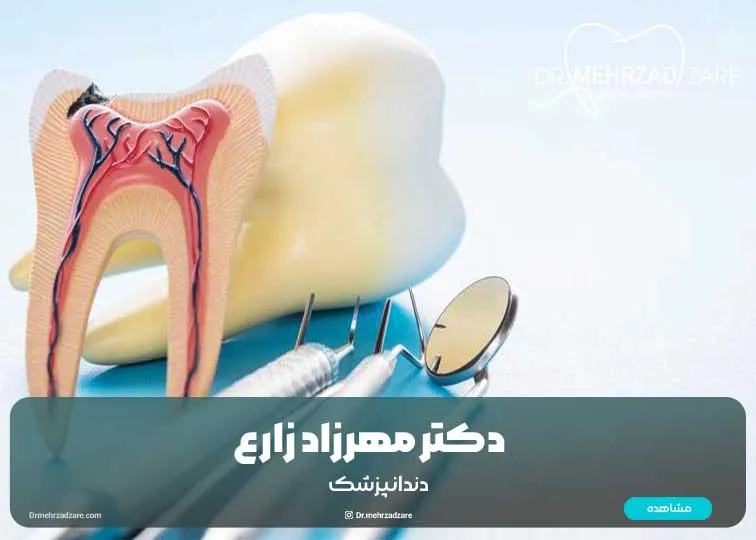
**Bleaching of denervated teeth** is a process in which specialist dentists use whitening materials to lighten the color of teeth that have changed color after root canal treatment (**nerve removal**). Unlike conventional bleaching that focuses on the outer surface of the tooth, this method is usually performed internally (within the root canal) or combined (internally and externally). This process requires precision and skill so that the tooth structure is not damaged and a natural and permanent result is obtained. ### **Reasons for discoloration of denervated teeth**
Denervated teeth may turn gray, yellow, or brown due to the removal of the inner nerve and blood vessels. The following factors contribute to this color change:
- **Internal bleeding**: Dentists sometimes encounter residual blood or tissue in the root canal, which darkens the color of the tooth. - **Filling materials**: Some materials used in root canals, such as amalgam or old sealers, darken the tooth. - **Hemoglobin decomposition**: Blood substances inside the tooth are decomposed and create pigments that stain the tooth. ** Penetration of foreign substances **: Stains caused by food or drink may penetrate into the teeth. ### **Types of denervated tooth bleaching**
Dentists use different methods depending on the severity of the color change and the condition of the teeth:
- **Internal bleaching (Walking Bleach)**: The dentist places bleaching materials inside the root canal and temporarily fills the tooth. - **Combined bleaching**: the specialist first performs internal bleaching and then applies the whitening gel on the external surface of the tooth. - **External bleaching**: the dentist uses the whitening gel only on the external surface of the tooth, which is suitable for mild color changes. ### **Difference between denervated tooth bleaching and normal bleaching**
Conventional bleaching is suitable for living teeth and focuses on the enamel, but bleaching denervated teeth requires access to the root canal due to internal discoloration. This procedure is more complicated and should be performed by a specialist dentist. ### **Reasons for the need for bleaching denervated teeth**
Discoloration of denervated teeth can occur for several reasons. Understanding these factors helps to choose the right method:
#### **1. Dental internal factors**
- **Nerve death**: Dentists remove the nerve and blood vessels during nerve extraction, which reduces the transparency of the tooth. - **remaining tissue**: dead tissue or insufficient filling material darkens the color of the tooth. - **Chemical changes**: Chemical reactions inside the teeth create permanent stains. #### **2. external factors**
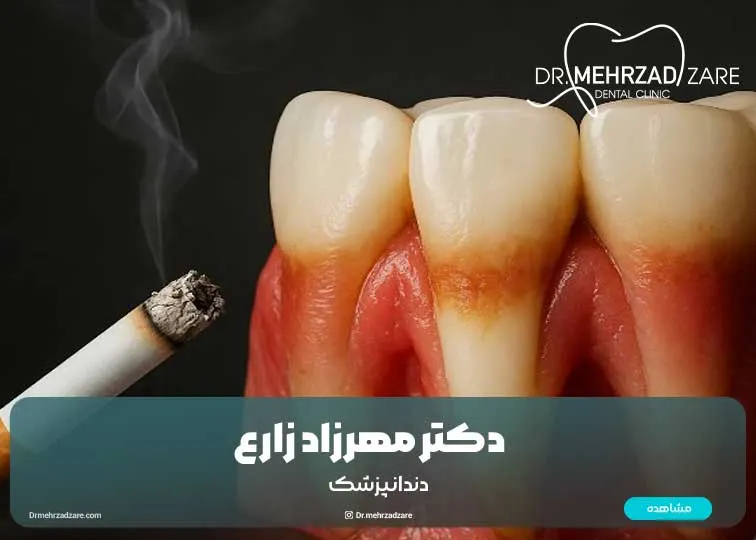
- **Consumption of colored substances**: People create superficial stains on the teeth by drinking coffee, tea, red wine or soft drinks. - **Smoking**: Nicotine and tar in cigarettes make the teeth yellow or brown. - Poor oral hygiene: lack of regular brushing increases plaque and stains. #### **3. Factors related to denervation treatment**
- **Poor quality of nerve extraction**: Unskilled dentists may not seal the root canal properly, which causes dye penetration. - **Old materials**: Older filling materials such as silver oxide change the color of the tooth. - **Damage to the tooth structure**: small cracks in the tooth increase the possibility of stain penetration. #### **4. Environmental and age factors**
- **Increasing age**: As people age, they see a gradual change in the color of denervated teeth. **Contact with chemicals**: Some drugs or chemicals cause tooth stains. ### **Methods to prevent discoloration of denervated teeth**
To reduce the chance of discoloration or delay the need for bleaching, people can take the following steps:
#### **1. Choosing high-quality filling materials**
Dentists should use materials such as gutta-percha or modern sealers that reduce the possibility of discoloration. Patients ask the dentist to choose the right materials. #### **2. Compliance with oral and dental hygiene**
- **regular brushing**: People should brush twice a day with mild whitening toothpaste. - Floss: Use dental floss daily to remove plaque between the teeth. - **Mouthwash**: Non-alcoholic mouthwash helps to reduce bacteria and stains. #### **3. healthy diet**
- **Limiting colored substances**: People should reduce the consumption of coffee, tea, and acidic drinks. - **Consumption of crunchy vegetables**: Carrots and celery help to clean the teeth naturally. - **drinking water**: water after eating washes away stains. #### **4. Regular dental checkups**
Patients should visit the dentist every six months so that possible problems can be diagnosed early. The dentist can perform scaling or polishing. #### **5. Quitting smoking and tobacco**
People should quit smoking or avoid tobacco products to prevent yellowing of teeth. #### **6. Use of dental guards**
In sports activities or during night grinding, people should use a dental guard to prevent tooth cracking. ### **Therapies**
#### **1. Internal bleaching (Walking Bleach)**
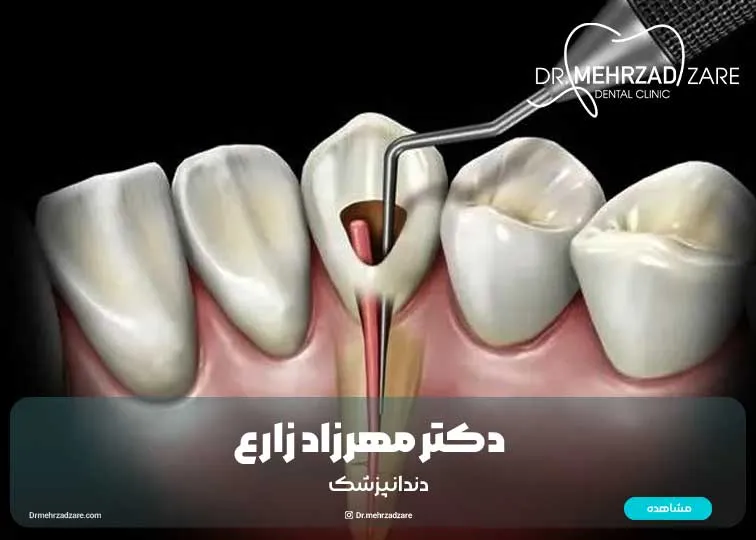
The dentist opens the root canal, injects a bleaching agent (such as hydrogen peroxide or sodium perborate), and seals the tooth with a temporary filling. After a few days, the specialist evaluates the result and repeats the process if needed. #### **2. Combined bleaching**
The dentist first performs internal bleaching and then applies the whitening gel on the external surface of the tooth. This method is suitable for changing resistant colors. #### **3. External bleaching with professional supervision**
The specialist applies a strong whitening gel to the surface of the tooth and uses a laser or UV light to activate it. This method is effective for surface stains. #### **4. Alternative therapies**
- **Dental veneers**: patients can choose thin ceramic veneers that completely hide discoloration. - **Crown (full cover)**: People with severely darkened teeth can use a full cover. **Composite Bonding**: The dentist applies tooth-colored resin on the surface of the tooth to cover the stains. **Supervised home whitening**: Patients should use customized whitening kits prescribed by the dentist. #### **5. Care tips and exercises**
- **Chewing gum without sugar**: People should chew gum without sugar to increase saliva and reduce plaque. - **Using a straw**: Patients should drink colored drinks with a straw to reduce contact with the teeth. - **Mild home polishing**: People should use mild polishing toothpastes with the advice of a dentist. #### **6. Care after bleaching**
**Avoidance of colored substances**: Patients should avoid coffee, tea, and red wine for 48 hours after bleaching. - **Using anti-allergic toothpaste**: People should use special **toothpaste** for tooth sensitivity to reduce discomfort. - **Regular visit**: Patients should visit the dentist periodically to maintain the result. ### **Conclusion**
Bleaching a denervated tooth is an effective and safe way to restore beauty to your smile. People can have white and shiny teeth by knowing the reasons for color change, following prevention tips, and choosing the right treatment method. Expert dentists provide natural results using high-quality materials and advanced techniques. Daily care, regular checkups, and healthy lifestyle choices play a key role in maintaining healthy and beautiful teeth. If your denervated tooth is darkened, consult a dental professional today to achieve a brighter smile. ### **
Anchor links
Toggle