

ما در این مقاله به مبحث BPH در مقابل سرطان پروستات می پردازیم. For consulting and performing all services in Jahanshahr urology center such as: prostate laser, treatment of genital warts and erectile dysfunction, microscopic varicocele and impotence treatment, laser kidney stones, men's cosmetic surgery, bladder strip, erection shockwave, Peyronie's plaque shockwave, shockwave, ambulatory vasectomy in Karaj, infertility treatment in Karaj, treatment of prostate cancer and urinary incontinence, flexible cystoscopy, treatment of genital and urinary infection, surgery Genital reconstruction, venereal disease and vasectomy in Karaj. In Jahanshahr Karaj You can contact our consultants for consultation and request your appointment.
Contents
- BPH vs prostate cancer; Differences, symptoms and a complete guide to diagnosis and treatment
- What is the prostate and what are its functions?
- The most common prostate diseases
- Benign prostate enlargement (BPH)
- Prostate cancer
- Key differences between BPH and prostate cancer
- Differences in the nature of the disease
- Differences in clinical symptoms
- Common symptoms of BPH
- Symptoms Prostate cancer warning
- Difference in disease progression
- BPH and prostate cancer diagnosis
- Clinical examinations and medical history
- Laboratory tests and PSA
- Ultrasound and Imaging
- Biopsy and its role in cancer diagnosis
- Current treatments for BPH and prostate cancer
- BPH treatment options
- Lifestyle changes
- Drug therapy
- Minimally invasive surgeries
- Prostate cancer treatment methods
- Active monitoring
- Radiotherapy
- Surgery and Hormone therapy
- Can BPH turn into prostate cancer?
- Scientific review of the relationship between these two diseases
- Common risk factors
- Preventive recommendations
- Summary and final recommendation
- The importance of early diagnosis
- The role of a healthy lifestyle in prostate health
- What is BPH?
- Does benign prostatic hyperplasia lead to cancer?
- Some common symptoms between BPH and prostate cancer are:
- PSA level in BPH and prostate cancer
- How to treat BPH
- Natural remedies for enlarged prostate and other options Treatment
- Symptoms of BPH can be very frustrating and include:
- Going natural
- Watchful waiting
- Things to watch for include:
- Lifestyle changes
- You can:
- Other natural treatments
- These include:
- Jahanshahr Urology Center: prostate laser, treatment of genital warts and erectile dysfunction, varicocele Microscopy and impotence treatment, kidney stone laser, men's cosmetic surgery in Karaj, bladder tape, erection shock wave, Peyronie's plaque shock wave, prostate shock wave, outpatient vasectomy in Karaj, vasectomy in Karaj, infertility treatment in Karaj, prostate cancer treatment and urinary incontinence, flexible cystoscopy, genital and urinary infection treatment, genital reconstructive surgery, sexually transmitted diseases, etc. in Jahanshahr Karaj
BPH versus prostate cancer; Differences, symptoms and a complete guide to diagnosis and treatment
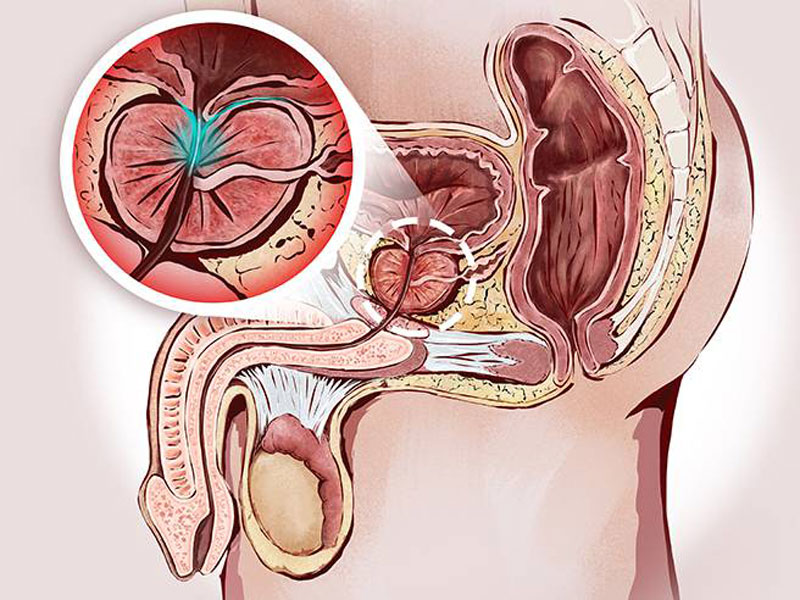
The prostate is one of the important organs of the male reproductive system, which is located below the bladder and plays an important role in the production of semen. With age, this gland may undergo changes that cause problems with urination or sexual function. Two common prostate-related problems are benign prostatic hyperplasia (BPH) and prostate cancer. Although these two diseases may have similar symptoms, their nature, treatment method and prognosis are completely different. In this article, we intend to fully examine the differences between BPH and prostate cancer.
What is the prostate and what are its functions?
The prostate is a small but key gland that produces the fluid necessary for sperm transfer. This gland in men usually starts to grow after the age of 40, which sometimes leads to BPH, but in some cases, prostate cells may undergo cancerous changes.

The most common prostate diseases
Benign prostate enlargement (BPH)
BPH to non-cancerous growth of the gland It is called prostate. This problem is more common in men over 50 years old and can disrupt the flow of urine. Fortunately, BPH is a benign disease and does not turn into cancer. Prostate cancer is one of the most common cancers in men. Unlike BPH, in prostate cancer, cells grow uncontrollably and can metastasize to surrounding tissues or other parts of the body. Disease
When comparing BPH vs. prostate cancer, the most important difference is in the nature of these two diseases. BPH is a non-cancerous and benign disease, while prostate cancer is a malignant disease that may be life-threatening.
Differences in clinical symptoms
Common symptoms of BPH
- Frequency Urination, especially at night
- Feeling of incomplete bladder emptying
- Weak stream or dribbling of urine
- Difficulty starting to urinate

Warning symptoms of prostate cancer
- Blood in the urine or semen
- Pain or burning during urination
- Unexplained weight loss
- Pain in the pelvis or back
- Erectile dysfunction
Difference in the rate of disease progression
BPH usually progresses slowly and with Drug or surgical treatments are controlled. But prostate cancer may spread quickly, especially if it is not diagnosed in time.
Diagnosis of BPH and prostate cancer
Clinical examinations and medical history
The doctor takes a history and performs an examination. Digital rectal examination (DRE) can detect possible changes in the size and consistency of the prostate.
Laboratory tests and PSA
The PSA blood test is used to measure the level of prostate-specific antigen. An increase in PSA can be a sign of BPH or cancer, but it is not certain.
Ultrasound and imaging
Transrectal ultrasound (TRUS) is one of the most accurate tools for observing the shape and size of the prostate. MRI is also used in cases of suspected cancer.
Biopsy and its role in cancer diagnosis
If the PSA level is high or something abnormal is felt during the examination, the doctor may recommend a prostate biopsy. This test is the only definitive way to diagnose prostate cancer.

Available treatments for BPH and cancer Prostate
BPH treatment options
Lifestyle change
- Reduce caffeine consumption
- Adjust sleep pattern
- Complete evacuation Bladder
Prostate cancer treatment methods
Active monitoring
For cases Low risk, the doctor may only suggest observing the patient's condition.
Radiotherapy
The use of radiation to destroy cancer cells is one of the effective treatment methods.
Surgery and hormones Treatment
Prostate surgery (prostatectomy) and hormone treatments to reduce testosterone levels are performed in more advanced cases.

Can BPH turn into prostate cancer? Could it be?
Scientific examination of the relationship between these two diseases
One of the most common questions of patients is whether BPH turns into cancer or not. The answer is that BPH vs. Prostate Cancer are two completely separate diseases. BPH does not increase the risk of developing cancer, but the presence of similar symptoms requires careful investigation.
Common risk factors
- Age over 50
- Family history
- High-fat diet
- Slack exercise
Preventive recommendations
- Healthy diet with fruits and vegetables
- Regular exercise
- Periodic examinations and PSA test
Summary and final recommendation
The importance of early detection
Understanding the differences between BPH and prostate cancer is essential for any man entering his fifties. Early diagnosis and appropriate treatment can significantly improve the quality of life. If you experience any of the urinary or sexual symptoms, it is better to see a urologist as soon as possible. height="576" srcset="https://karajurology.ir/wp-content/uploads/2025/05/prostate-cancer-1024x576-1.jpg 1024w, https://karajurology.ir/wp-content/uploads/2025/05/prostate-cancer-1024x576-1-300x169.jpg 300w, https://karajurology.ir/wp-content/uploads/2025/05/prostate-cancer-1024x576-1-768x432.jpg 768w" sizes="auto, (max-width: 1024px) 100vw, 1024px">
The role of a healthy lifestyle in health Prostate
A healthy lifestyle can not only reduce the symptoms of BPH but also prevent the development or development of prostate cancer.
What is BPH?
Benign prostatic hyperplasia or BPH is commonly known as an enlarged prostate. The prostate is a walnut-sized gland located inside the groin that grows larger as men age. An enlarged prostate, or BPH, can affect the flow of urine because the prostate puts pressure on the urethra (the tube that carries urine out of the body). BPH affects 50% of men by age 60 and 90% of men by age 85.
Can benign prostatic hyperplasia lead to cancer?
BPH is not cancer. Having an enlarged prostate does not mean you are at a higher risk of prostate cancer. Also, BPH does not spread to other parts of the body like cancer. Distinguishing between the two can be confusing because BPH and prostate cancer have similar symptoms and both lead to prostate enlargement.

Some common symptoms between BPH and prostate cancer are From:
- Poor flow of urine
- Difficulty starting and stopping
If you notice any of these symptoms, it's always a good idea to talk to your doctor. Doctors use a variety of tests to determine the cause of your symptoms. One measure is the International Prostate Symptom Score (IPSS), which assesses the severity of BPH symptoms. If you are experiencing potential symptoms of BPH, you can check your IPSS score with this quiz and share the results with your doctor. Another measure to diagnose your symptoms is your PSA level.
PSA level in BPH and cancer Prostate
Prostate tissues make a protein called prostate-specific antigen or PSA. Your doctor may recommend a PSA blood test. It detects high levels of PSA that can be caused by prostate cancer or BPH. This test is usually done to check the early signs of prostate cancer. However, because both BPH and prostate cancer raise PSA levels, a PSA test alone may not be enough to determine if you have prostate cancer. Prostate biopsy. It is another important test used to diagnose prostate cancer. You can also look for other symptoms such as blood in the urine, which are more common in prostate cancer than BPH.

How to treat BPH
If you have BPH, your doctor may recommend one of several treatment options depending on the severity of your symptoms, such as:
- Use caution if you have mild symptoms or until your symptoms become more severe.
- Medications such as alpha blockers, 5-alpha reductase inhibitors, or combination drug therapy for mild to moderate symptoms.
- Minimally invasive treatments, such as Vapor Therapy, for moderate to severe symptoms.
- Surgery, such as transurethral resection of the prostate (TURP) or prostatectomy, for severe symptoms.
Natural Remedies for Enlarged Prostate and Other Treatment Options
Do you have symptoms of enlarged prostate? Have you experienced prostate or BPH (benign prostatic hyperplasia)? BPH is a natural result of aging.
Symptoms of BPH can be very frustrating and include: is:
- Urine frequency
- Wake up several times each night to use the bathroom
- Hard to start and stop
- Poor urinary stream
- Painful or burning urine
- Lack of control over urination
 So, what can you do? To get started, talk freely with your doctor about your BPH. While there are many treatments for BPH symptoms, there is no one-size-fits-all approach. After learning more about your condition, your doctor can help you choose the best treatment for you, including the best natural treatment for BPH. This means paying attention to your symptoms. Wait to see if there are any changes before considering treatment options. If you have mild symptoms that do not bother you in your daily life, your doctor may recommend waiting for meditation. id="i-29">Things to watch for include:
- Insitance to urinate frequently
- Feeling like your bladder is full, even after you've just gone
- Sudden need to urinate
- Weak flow
- Difficulty starting and stopping
- Urine leakage

If your symptoms worsen over time, it is better to see your doctor.
Lifestyle Changes
It is never too late to choose a healthy lifestyle. There may be ways to reduce BPH symptoms by making small changes.
You can You can:
- Follow a balanced diet, rich in fruits and vegetables
- Avoid drinking fluids at night and especially before bed
- Consume less caffeine
- Exercise regularly
- Reduce stress
These changes often help reduce BPH symptoms. They also help you stay healthy and active.

Other natural treatments
There are some other treatments that may help BPH symptoms due to their natural properties.
Read more: Treatment and recommendations for urinary incontinence in men
This includes:
- Saw palm: Studies have shown that saw palm berry can prevent the conversion of testosterone into an inflammatory form of testosterone (DHT) and reduce the size of the inner lining of the prostate.
- Onion and garlic: Research shows that men with BPH usually consume less onion and garlic. have shown that increasing the consumption of such vegetables may help reduce BPH symptoms.
- There are other natural treatments, but it is important to learn and study more details before starting to use any of them.
It is important to talk to your doctor before trying any treatment on your own. Your doctor will tell you that sometimes waiting for a caregiver, changing habits, and natural remedies are not effective in controlling your BPH symptoms. If the symptoms worsen over time and BPH affects your life more widely, there are other treatment options that can help.
Jahanshahr Urology Center: prostate laser, genital warts and erectile dysfunction treatment, microscopic varicocele and impotence treatment, kidney stone laser, men's cosmetic surgery in Karaj, bladder strip, shock wave Erection, Peyronie's plaque shock wave, prostate shock wave, outpatient vasectomy in Karaj, vasectomy in Karaj, infertility treatment in Karaj, treatment of prostate cancer and urinary incontinence, flexible cystoscopy, treatment of genital and urinary infection, genital reconstructive surgery, venereal disease, etc. In Jahanshahr Karaj
for consulting and performing all services in Urology Center Jahanshahr like: Laser Prostate, treatment of genital warts and erectile dysfunction, microscopic varicocele and impotence treatment, laser kidney stones, men's cosmetic surgery in Karaj, bladder strip, erection shockwave, Peyronie's plaque shockwave, prostate shockwave, outpatient vasectomy in Karaj, infertility treatment in Karaj, treatment of prostate cancer and urinary incontinence, flexible cystoscopy, treatment of genital and urinary infection, genital reconstructive surgery, venereal disease, etc. در جهانشهر کرج میتوانید جهت مشاوره و درخواست نوبت خود با مشاوران ما در ارتباط باشید





