
What is meant by appendix surgery?
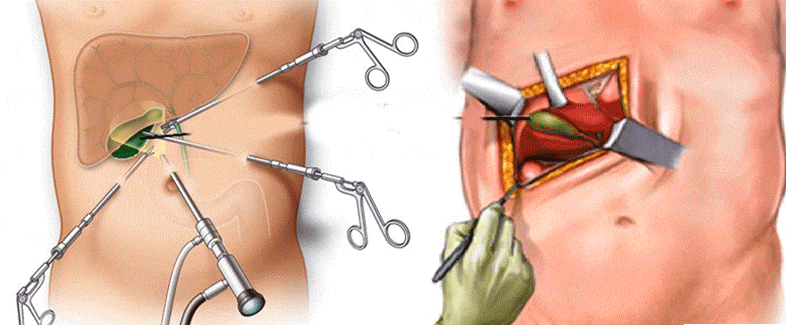
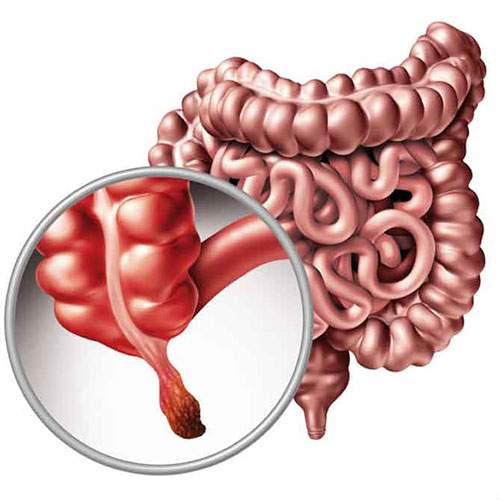
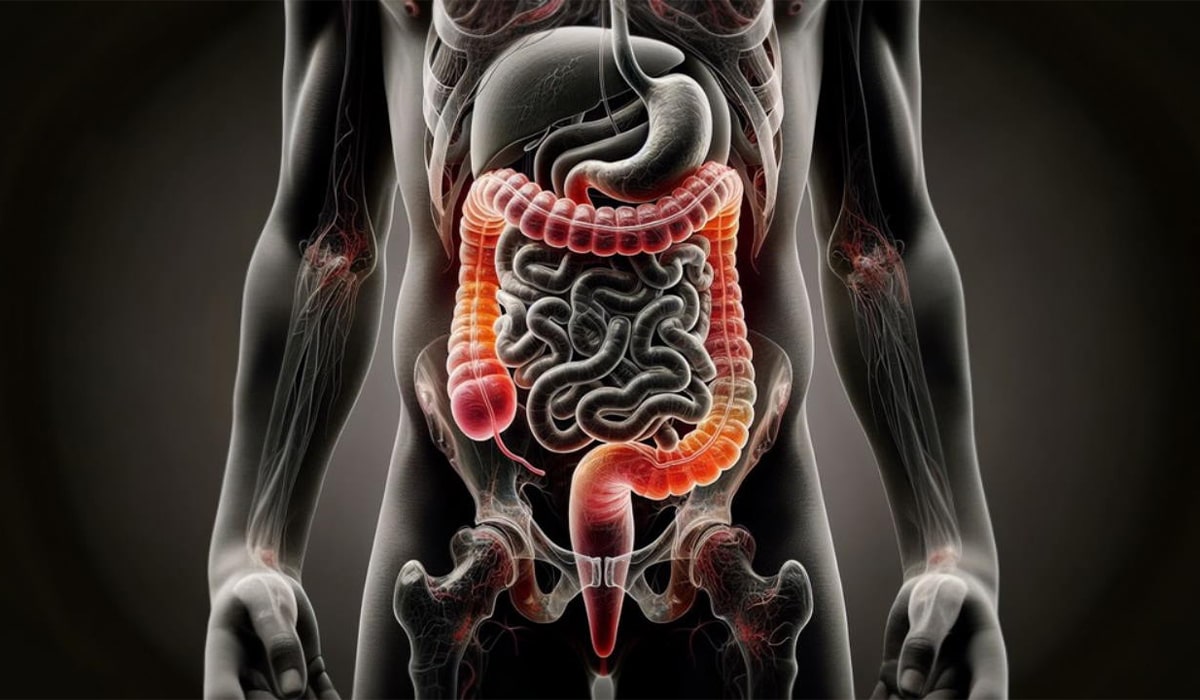
Appendix surgery or appendectomy is a treatment method used to treat inflammation of the appendix (appendicitis). The appendix is a small organ that is connected to the large intestine in the form of a valve and has no special function in the human body. Appendicitis is inflammation of the appendix that may occur due to an obstruction within the appendix. If not treated in time, the appendix may rupture and cause severe and dangerous infection for the body. In appendicitis surgery, the inflamed appendix is removed, and after it is cut from the body, it can be deactivated and removed. This operation is done to prevent the infection from spreading to other parts of the body.

What are the initial symptoms of appendicitis?
Early symptoms of appendicitis may include:
- Sudden and severe pain in the abdomen (usually in the lower right side of the abdomen) that may gradually increase in intensity.
- Nausea and vomiting: Increased nausea and vomiting may be associated.
- Lack of appetite: People with appendicitis usually feel a lack of appetite.
- Fever: An increase in body temperature is another common symptom of appendicitis.
- Swelling and irritation of the abdominal area: The area around the appendix may be swollen and tender.
- Stool evacuation: Changes in the stool evacuation pattern (diarrhea or constipation) may also be observed.
What is the severity and location of appendicitis pain?
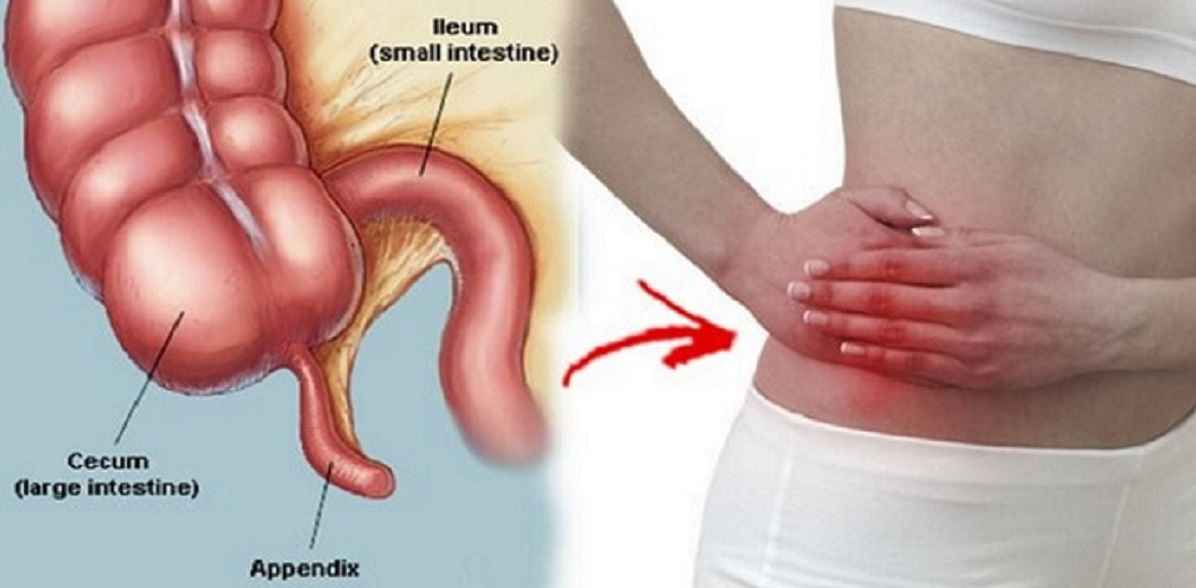
Appendicitis pain usually starts suddenly and severely. This pain often starts in the lower right side of the abdomen and may then spread to the lower and left side of the abdomen. Most patients describe that the pain first starts in the area around the navel and then moves to the lower right side of the abdomen. In some cases, appendicitis pain may not initially be recognized as a typical abdominal pain and may be diagnosed as pain from constipation or other problems. But over time, this pain usually becomes more intense and may reach a high and unbearable intensity, which is a sign of severe inflammation of the appendix.
What are the possible causes of appendicitis?
Appendicitis or inflammation of the appendix may occur due to a blockage inside the appendix. This blockage can be caused by various factors. Some possible causes of appendicitis include:
- Bacterial growth disorder: Bacteria can grow inside the appendix and start inflammation.
- Obstruction within the appendix: Obstruction can be caused by the entry of foreign substances such as food, feces or clotted masses.
- Appendix infection: Infection can lead to inflammation of the appendix.
- Fluid secretion inside the appendix: Fluid secretion inside the appendix can also lead to an increase in its internal pressure and, as a result, lead to inflammation and appendicitis.
- Genetic factors: Some people are more at risk of appendicitis than others due to genetic reasons.
- Environmental factors: Factors such as improper nutrition, stressful pressures, and other environmental factors may also play a role in causing appendicitis.
(Dr. Amir Manshizadeh, General Surgery Specialist Board and member of the American College of Surgeons, Appendix Surgery Center in Zafar)
How is appendicitis infection diagnosed?
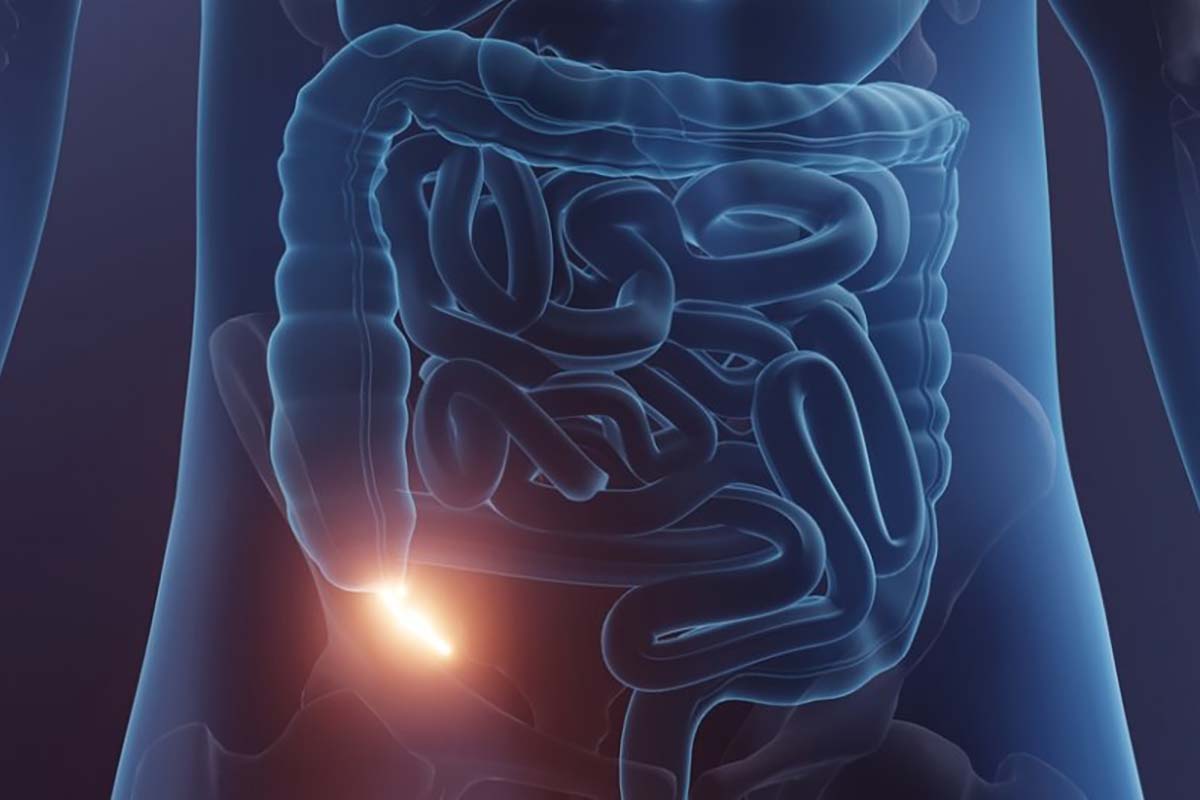
Diagnosis of appendix infection (appendicitis) is usually based on the patient's clinical history, physical examination, and diagnostic tests. The following diagnostic methods help the doctor to diagnose appendicitis infection:
- Clinical history: The doctor first obtains a detailed history from the patient, which includes symptoms, time of onset of pain, changes in stool pattern, nausea, vomiting, fever, and other symptoms.
- Physical exam: By performing a physical exam on the patient's abdomen, the doctor can check the area of pain, swelling, tenderness, and changes in body temperature.
- Blood Test: Blood tests usually include checking indicators of inflammation such as white blood cell count, sedimentation rate, and other inflammatory indicators.
- Ultrasound: This ultrasound imaging may be used to image the abdominal area and diagnose appendicitis.
- CT scan: If diagnosis with ultrasound is difficult, CT scan can also be used for more accurate imaging of the abdominal area and diagnosis of appendicitis.
What are the risk factors of appendicitis?
Appendicitis can affect anyone at any age, but certain factors and conditions can increase the risk of developing appendicitis. Some of the following risk factors may increase the likelihood of developing appendicitis:
- Age: Appendicitis can occur at any age, but it is most common between the ages of 10 and 30.
- Gender: Both men and women can get appendicitis, but some studies have shown that men are more at risk of developing appendicitis than women.
- Family history: If a person has a family history of appendicitis, the probability of developing this disease is higher for that person.
- Infections: Some infections can cause inflammation in the appendix and therefore increase the risk of appendicitis.
- Nutrition: Eating low fiber and high protein foods may increase the risk of appendicitis.
- Digestive tract problems: Some problems, such as chronic constipation, can block the appendix and increase the risk of appendicitis.
- Other signs and symptoms: The presence of diseases such as enteritis, colitis, or Crohn's syndrome may also increase the risk of appendicitis.
Can obesity cause appendicitis?
In scientific research, the direct relationship between obesity and the occurrence of appendicitis has not been conclusively proven. But some studies have shown that obese people may be more likely to develop appendicitis. In addition, obesity may be associated with complications such as metabolic disorders, chronic inflammation, and overweight, increasing the risk of certain inflammatory diseases. Obesity can lead to increased pressure on the digestive system, which may lead to complications such as obstruction in the appendix. Obstruction of the appendix can aggravate inflammation and cause appendicitis. Therefore, although a direct link between obesity and appendicitis has not been proven, the importance of maintaining a healthy weight and proper diet is very important to reduce the risk of various diseases, including appendicitis.
(Dr. Amir Manshizadeh, General Surgery Specialist Board and member of the American College of Surgeons, Appendix Surgery Center in Zafar)
What is the treatment of appendicitis or inflammation and infection of the appendix?
Treatment of appendicitis, or inflammation and infection of the appendix, may include the following procedures, as prescribed and prescribed by your doctor:
- Surgery: In most cases of appendicitis, surgery to remove the appendix (appendectomy) is recommended. This surgery is usually performed immediately and the inflamed and infected appendix is removed from the body.
- Antibiotics: In some cases, antibiotics are used to control infection before or after surgery.
- Post-surgery care: After surgery, care such as rest, proper nutrition, and operation site care are performed.
- Symptom Management: Appropriate medications may be prescribed to control symptoms such as pain, fever, nausea, and vomiting.
- Follow-up: After treatment, your doctor may need regular follow-up to make sure that healing is happening properly.
How long does appendicitis surgery take?
Surgery to remove the appendix, or appendectomy, is usually considered a relatively simple and quick operation. The length of an appendectomy operation depends on various factors, including:
- Type of surgery: In the usual case, the appendix is removed without special problems, and the time of this surgery is usually about 30 to 60 minutes. But in cases where the appendix has led to more serious complications, such as rupture of the appendix and severe infection, the time may be longer.
- Patient condition: The general condition of the patient, the presence of side effects, and other factors may affect the operation time.
- Physician equipment and experience: The experience of the physician, the equipment available in the operating room, and the techniques used can also be influential.
You will definitely like this article...
general conclusion
Consequently, keep these important points in mind:
- Correlation between obesity and appendicitis: A direct and definite relationship between obesity and the occurrence of appendicitis has not been proven. But obesity may be associated with an increased risk of some inflammatory diseases, including appendicitis.
- Treatment for appendicitis: Treatment for appendicitis may include surgery (appendectomy), antibiotics, postoperative care, symptom management, and regular follow-up.
- Appendix surgery: Surgery to remove the appendix usually takes about 30 to 60 minutes, but may take longer in more complicated cases.
- Prevention and medical consultation: To reduce the risk of appendicitis and other diseases related to obesity, it is very important to maintain a healthy weight, eat properly, and consult a doctor to check your condition.