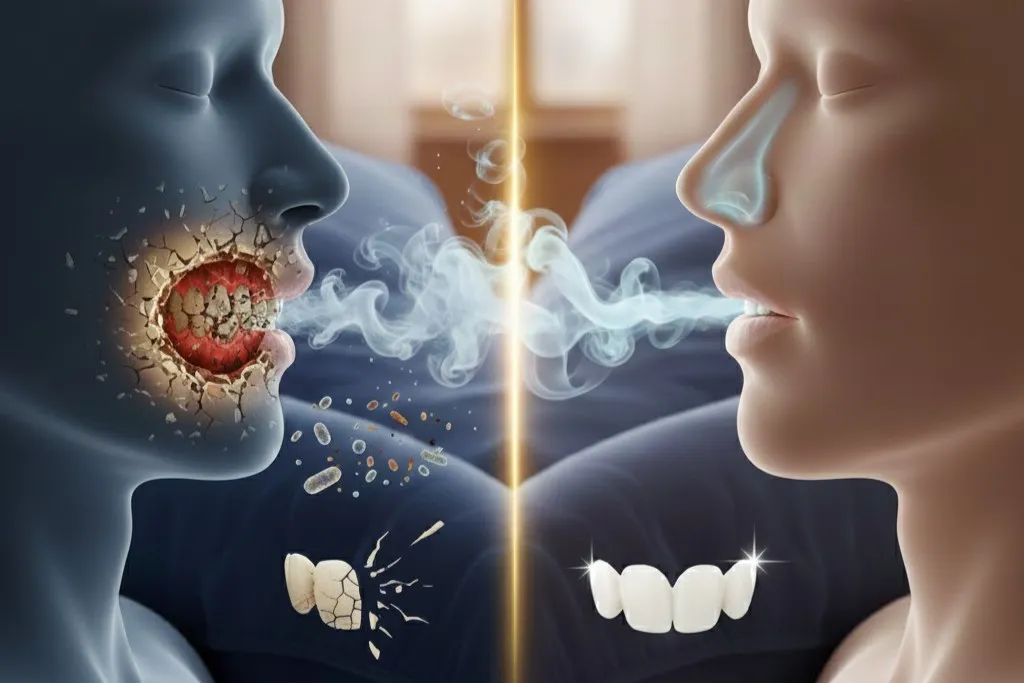


بوی بد دهان یکی از مشکلات شایع دهان و دندان است که میتواند در هر سنی ایجاد شود. This problem is sometimes temporary, but in many cases it is rooted in oral, gum or general health disorders.
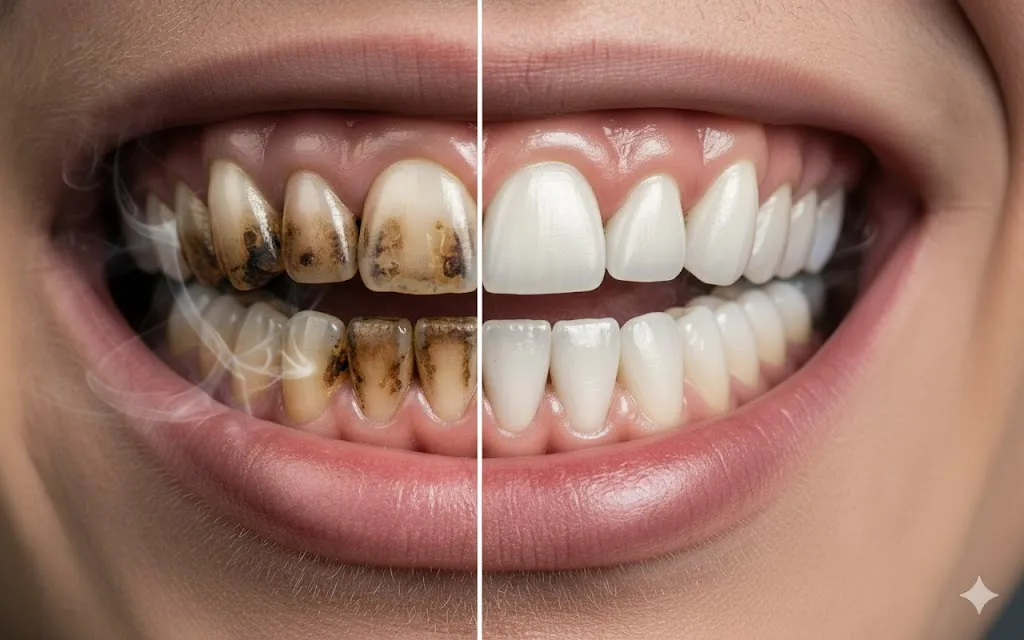
For people who care about the beauty of their smile or intend to perform treatments such as ceramic laminate, composite veneers and smile design correction, bad breath is not just a simple issue; Rather, it is considered an important factor in self-confidence and the quality of social communication.
In modern dentistry, bad breath is a serious warning that if not properly investigated and treated, it can also affect the results of cosmetic dental treatments.
Comprehensive table of the cause of bad breath and its treatment solutions
| cause category | cause of bad breath | Explanation | treatment and control solution |
|---|---|---|---|
| oral causes | tooth decay | Accumulation of bacteria and production of foul-smelling gases in dental cavities | Caries repair, professional scaling, strict oral hygiene |
| oral causes | gum diseases | Gum inflammation and bleeding in gingivitis and periodontitis | Specialized gum treatment, deep scaling, toothbrush and floss training |
| oral causes | Pregnant language | The uneven surface of the tongue where foul-smelling bacteria accumulate | Cleaning the tongue daily with a tongue washer or toothbrush |
| oral causes | Dry mouth | Decreasing the secretion of saliva and increasing the growth of bacteria | Drink enough water, stimulate saliva, treat the cause of dry mouth |
| oral causes | food trap | Food remaining between teeth or under restorations | Dental floss, interdental brush, correction of defective restorations |
| Systemic causes | Uncontrolled diabetes | Production of acetone odor due to metabolic disorder | Blood sugar control with doctor's opinion |
| Systemic causes | gastric reflux | return of acid and odor to the mouth | Pharmaceutical treatment and diet modification |
| Systemic causes | kidney failure | Creating a specific urine-like smell | follow-up and specialized medical treatment |
| Systemic causes | Chronic sinusitis | Accumulation of infectious secretions in the sinuses | Sinus infection treatment and sinus irrigation |
| temporary factors | garlic and onion | release of volatile sulfur compounds | Adherence to diet and mouth washing |
| temporary factors | cigarettes and hookah | Dry mouth and increase of bad smelling bacteria | Quit or reduce smoking |
| temporary factors | Alcohol | Decreasing saliva and intensifying bad breath | Limit alcohol consumption |
| temporary factors | Dehydration | Thickening of saliva and increased smell | Drink water regularly throughout the day |
Effective ways to remove bad breath from home to the dentist
Fixing bad breath is effective when it is done based on its root cause. Some solutions are simple and at home, and some require specialized treatment. The right combination of these methods creates the best result.
Effective methods of treating and controlling bad breath include the following:
- Treatment of caries, infections and gum diseases
- Washing the mouth with water after every meal
- Basic brushing with a suitable toothbrush and standard toothpaste
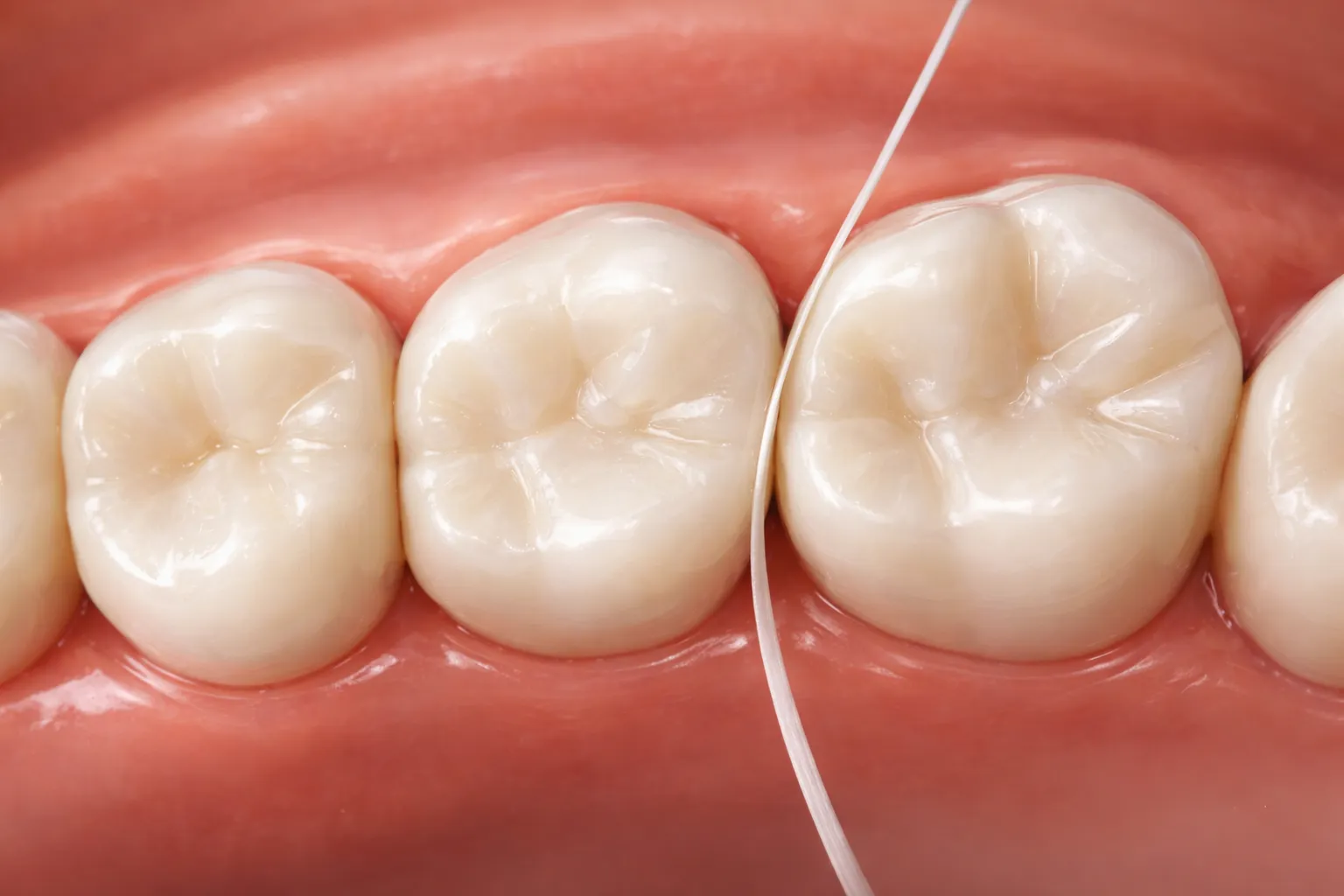
- Daily use of dental floss to clean interdental spaces
- Cleaning the tongue regularly with a tongue washer or toothbrush
- Using antibacterial mouthwashes prescribed by a dentist
- Health care and daily washing of prostheses, bridges and orthodontic retainers
- Treatment of dry mouth by drinking enough water and stimulating saliva secretion
- Diet modification and reduction of sugar, garlic, onion and alcohol consumption
- Regular toothbrush replacement every three months or after diseases
- Regular visits to the dentist for periodical examination and scaling
Bad breath cannot be solved with temporary solutions and requires regular care and, if necessary, specialized treatment.
Golden tips for detecting bad breath from a dentist's point of view
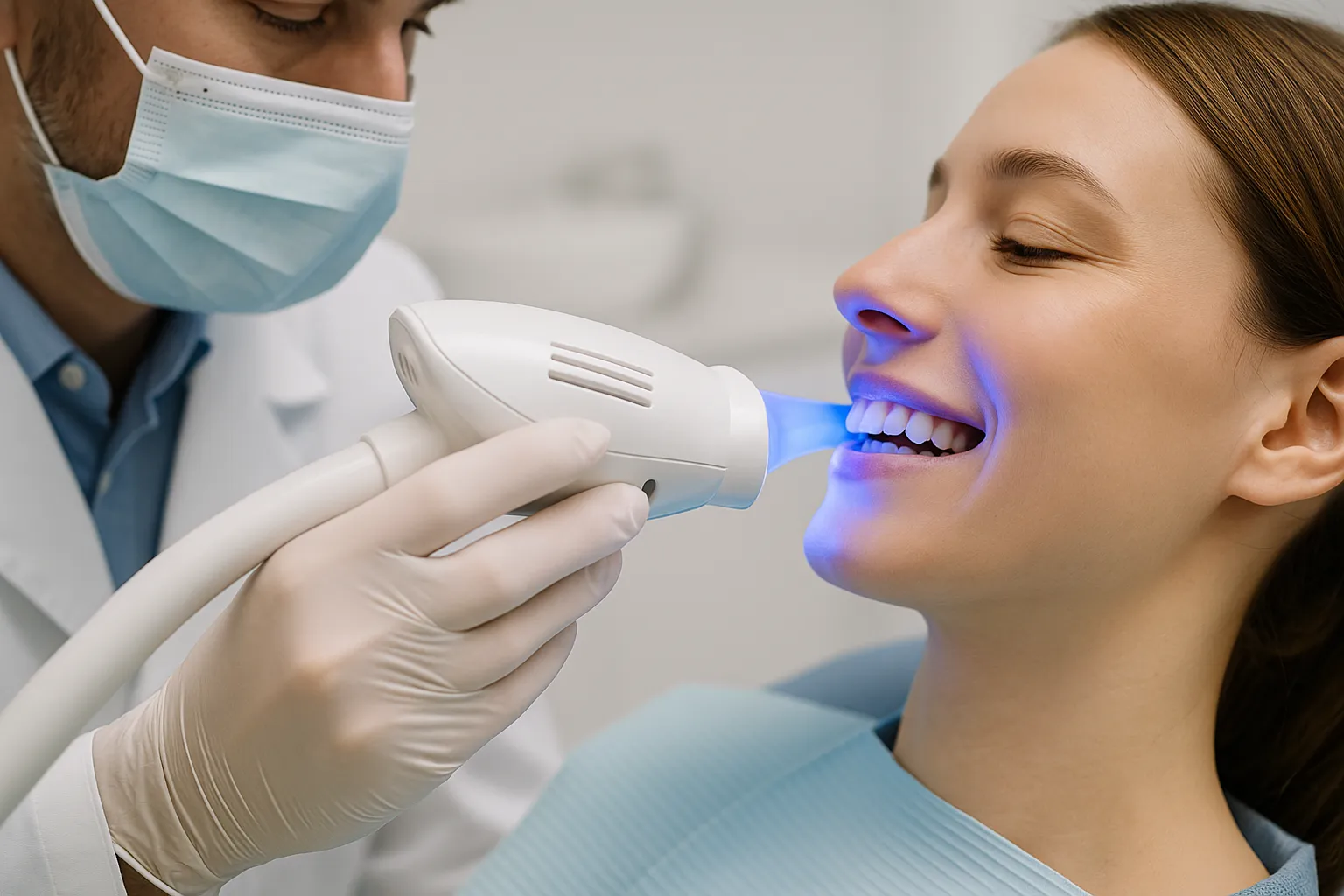
One of the most important treatment steps is to accurately diagnose the source of bad breath. In equipped dental centers, tools such as halimeters are used to measure volatile sulfur compounds.
Signs that can be a warning are:
Persistent bad breath for more than two weeks
Accompaniment of bad breath with bleeding gums or pain
Change the taste of the mouth permanently
No improvement with usual hygiene
In such a situation, a specialized examination of the mouth, gums, restorations and even dental prostheses is necessary.
Foods that cause bad breath
Some foods directly or indirectly aggravate bad breath:
Raw garlic and onion
Spicy foods
Foods rich in sugar and simple carbohydrates
Alcoholic beverages
Coffee in high consumption
In people who have laminate or veneers, diet control is more important; Because the accumulation of bacteria around the restorations can quickly cause an unpleasant smell.
Can bad breath be cured forever?
The scientific and honest answer is that bad breath cannot be completely eliminated. Even healthy people have bad breath in some natural situations, such as in the morning after waking up.
However, chronic and annoying bad breath caused by disease can be completely controlled and even eliminated in the long term if properly diagnosed and treated properly.
Realistic expectation of treatment is stable control of bad breath and prevention of its return by following continuous care.
Regular toothbrush replacement
The toothbrush should be changed once every three months or after viral diseases so as not to be a source of contamination.
Regular dental examination
visiting the dentist twice a year for examination and scaling plays an important role in preventing bad breath.
The role of orthodontics in reducing bad breath
Misaligned teeth make cleaning difficult. By regularizing the teeth, orthodontics helps to improve oral hygiene and reduce halitosis.
Which doctor should we consult for bad breath?
In most cases, a general dentist is the first and best option. If needed, the patient is referred to a gum specialist, an internal specialist or a gastroenterologist.
Referring to well-equipped and multispecialty dental centers makes the process of diagnosis and treatment faster and more accurate.
Answers to frequently asked questions about bad breath
Can bad breath be cured forever?
Permanent treatment of bad breath is only possible if the root cause is properly diagnosed and treated.
Can bad breath come from the stomach?
In some people, reflux or digestive problems can cause bad breath, which requires a medical examination to diagnose and treat.
How do we know if bad breath originates from the mouth or the stomach?
In more than 80% of cases, the origin of bad breath is inside the mouth, but the presence of symptoms such as sourness or heartburn can indicate a digestive origin.
What is the best way to get rid of bad breath in the morning?
Brushing, cleaning the tongue and rinsing the mouth after waking up is the most effective way to control bad breath in the morning.
Do mouthwashes completely eliminate bad breath?
Mouthwashes only have an auxiliary role and will not have a lasting effect without treating the root cause.
When should you go to the dentist for bad breath?
If bad breath persists for more than two weeks or is accompanied by bleeding gums and pain, it is necessary to see a dentist.
Conclusion
Bad breath is an important sign of oral health and should not be ignored. Accurate diagnosis, basic treatment and continuous care are the keys to controlling this problem.
In cosmetic and restorative dentistry, oral health is a prerequisite for a beautiful and lasting smile. Expert examination of bad breath before performing treatments such as laminate and veneer plays an important role in the final success of the treatment.
At the Dr. Hooman Molavi Dentistry Center in Elaheh, Tehran, this issue is examined and treated with a scientific, accurate approach and in line with today's world standards.