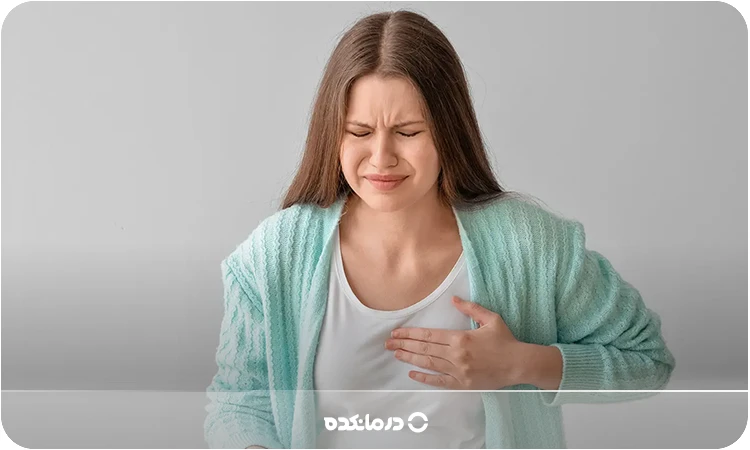
8 causes of heart palpitations in women; Examining symptoms and diagnosis
8 causes of heart palpitations in women; Review of symptoms and diagnosis method
Zahra Elahi Yekta List of disorders and cardiovascular diseases Last Update: 2 days ago Published: 4 days ago No questionsPending review by Darmankade medical team
The cause of heart palpitations in women can be due to changes Hormonal, anemia, hypoglycemia, lack of electrolytes or even anxiety. In some situations, sudden heart palpitations in women are an important warning from the heart. In this article from Darmankade health magazine, we discuss the cause of sudden heart palpitations in women.
Table of Contents
- What is the normal heart rate? href="#h-%D8%B9%D9%84%D8%AA-%D8%AA%D9%BE%D8%B4-%D9%82%D9%84%D8%A8-%D8%AF%D8%B1-%D8%B2%D9%86%D8%A7%D9%86">The cause of heart palpitations in women
- common questions
What is the normal heart rate?
Before examining the causes of heart palpitations, we should Let's know what is the normal heart rate and what conditions are considered palpitations. Normal heart rate varies according to age group, gender and type of activity.
The normal resting heart rate for most adults is between 60 and 100 beats per minute. Resting means that you are sitting or lying down but awake. If you are an athlete, your resting heart rate may be in the 40 or 50 range. Babies and children have a higher resting heart rate than adults.
The table below shows the resting heart rate by age:
AgeResting heart rate (beats per minute)Birth to four weeks 100 to 205 Four weeks to one year 100 to 180 One to three years 98 to 140 Three to five years 80 to 120 to 12 years 75 to five 11813 to 17 years 60 to 10018 years and above 60 to 100 normal heart rates for different agesHeart palpitations are more common in women due to hormonal changes, stress and physiological characteristics.The average adult male heart rate is between 70 and 72 beats per minute, while the average for adult women is between 78 and 82 beats. This difference is largely accounted for by the size of the heart, which is typically smaller in females than males.
The average heart rate of adult men is between 70 and 72 beats per minute, while the average heart rate of adult women is between 78 and 82 beats per minute. This difference is mainly related to the size of the heart, because the heart in women is usually smaller than in men. target="_blank" rel="noreferrer noopener nofollow">pmc.ncbi.nlm.nih
What does heart rate mean?
If your resting heart rate is less than 60 or more than 100 beats per minute, you should be checked. Of course, your condition is very important, for example, athletes often have a heart rate in the range of 40 to 50, which is normal. Also, people who take beta blockers or calcium channel blockers prescribed by a doctor usually have a lower heart rate.
Are you worried about heart palpitations and its hidden cause?
Consult a specialist now Tehran cardiologist Telephone consultation of cardiologistCauses of heart palpitations in women
The most important reasons for heart palpitations in women are:
1- Hormonal changes
The heart is not just a mechanical pump; It is a very sensitive electrical system that is heavily influenced by hormones. In women, estrogen and progesterone are two key hormones that directly affect three axes:
I- Direct effect on the electrical system of the heart
Estrogen increases the sensitivity of the sinus node, which is the natural pacemaker of the heart, and causes the threshold of heart cell stimulation to decrease. As a result, the risk of increased heart rate increases in women and the patient feels abnormal heartbeats (PVC or PAC) more. According to cardiologist these types of heartbeats are not dangerous, but the nervous system perceives them as stronger, clearer and more annoying than usual.
In a normal state, the human heart beats about a hundred thousand times during the day, but the brain filters most of these beats and does not allow us to notice the continuous operation of the heart; For this reason, we usually do not feel the heartbeat. But when the sensitivity threshold of the nervous system decreases, the connection between the heart and the brain becomes more sensitive than normal. In this condition, beats that are medically normal or insignificant and you did not feel them before, now you perceive them as pounding, fluttering or sudden movement in the chest.
The important thing is that in such a case, the heart rhythm can be completely normal. It means that the ECG does not show abnormal results and does not threaten you from the heart point of view. What has changed is not the function of the heart, but the rate of perception and feeling of the beat by the nervous system.
II – Effect on the Autonomic Nervous System
The fluctuation of hormones such as estrogen disrupts the balance between the sympathetic (stimulating) system and the parasympathetic (calming) system. As a result, the body is on alert and the heart beats faster and stronger. That's why you feel the heartbeat even with a normal beat more and deeper. This is the reason why you say: "My pulse is normal, but I can feel my heart".
III- Indirect effect through the regulation of body temperature and blood vessels
In periods such as perimenopause, estrogen fluctuation causes hot flashes. For this reason, sudden dilation of blood vessels and relative pressure drop occurs. As a result, the heart beats faster to compensate. In this case, heart palpitations are often accompanied by hot flushes, sweating or night anxiety.
When are the most common periods of hormonal heart palpitations in women?
In the following periods, women experience hormonal heart palpitations more often:
- menstrual period
- pregnancy
- after childbirth
- Premenopause and Menopause
What are the characteristics of pre-hormonal palpitations in women?
This type of palpitations:
- They are transient.
- They are accompanied by anxiety or hot flashes.
- The result of the ECG is often normal.
2- Anemia
Anemia or iron deficiency means the number of healthy red blood cells or the amount Blood hemoglobin is low. Hemoglobin is responsible for transporting oxygen from the lungs to the tissues, including the heart muscle and the brain. When iron is low, not enough hemoglobin is made, and as a result, oxygen supply to the tissues drops.
The body recognizes this oxygen reduction very quickly. The brain and autonomic nervous system tell the heart that oxygen is low and needs to be replenished. The heart does two things to compensate:
- First, it beats faster, which means we have an increase in heart rate.
- Second, it contracts more strongly so that more blood can reach the tissues every minute.
This increased speed and force of contraction is what you feel as a heartbeat. The important point here is that in anemia, palpitations are a compensatory reaction, not a primary heart disease. It means that the heart is healthy, but forced to work more than usual.
Features of palpitations caused by anemia
Parripits caused by anemia:
- It develops gradually.
- Intensifies with physical activity, climbing stairs or even brisk walking.
- The heart beat is usually regular but fast.
- It decreases with rest.
This pattern shows that the heart is compensating for the lack of oxygen.
Also, anemic heart palpitations do not occur on their own. It is usually accompanied by one or more of the following symptoms:
- Early fatigue
- Persistent lethargy
- Decreased activity tolerance
- Drowsiness or poor concentration
Heart palpitations due to anemia due to menstrual cycle and pregnancy are common in women.
Feeling that your heart is fast or irregular. Does it beat?
Make an appointment with the palpitation doctor with a few simple clicks. Palpitation doctor3- Anxiety, stress and panic attacks
In palpitations caused by anxiety or panic, the problem does not start with the heart itself. In this condition, the heart is healthy, but it becomes hyperactive under the command of a nervous system. That is, when you experience severe stress, the brain mistakenly interprets the situation as dangerous and activates the sympathetic nervous system. This is the same system that prepares the body to fight or escape. As a result, hormones such as adrenaline and noradrenaline are suddenly released.
These hormones increase the heart rate, increase the strength of the heart's contraction, and increase the sensitivity of the heart's electrical system. That's why you say my heart is "pounding" or "pounding out of my chest".
From a cardiovascular perspective, the reason tests, ECGs, and echos are often normal is because there is no persistent arrhythmia or structural heart disease. Palpitations here are the result of "incorrect nerve command", not heart failure. This point is very important, because many patients refer to different specialists for years while their heart is healthy and the root of the problem is in the neuro-psychological regulation of the heart rate.
Features of heart palpitations caused by anxiety
This type of heart palpitations:
- They often start suddenly.
- They may become more intense during rest, silence or at night.
- They are usually accompanied by shaking, sweating, a feeling of suffocation, shortness of breath or fear of death.
- They do not necessarily get worse with mild physical activity.
The important point is that although anxiety palpitations are usually not dangerous, they can create a vicious cycle, namely:
- You feel the heartbeat.
- This feeling causes fear or worry.
- Fear activates the sympathetic nervous system and more adrenaline is released.
- Adrenaline makes the heart beat faster and more intense.
- More intense beats intensify anxiety and fear.
4- Thyroid disorders
Thyroid hormones have a direct effect on the speed and rhythm of the heart as well as the sensitivity of the system. They have an automatic nervous system. In hyperthyroidism, the level of thyroxine (T4) and triiodothyronine (T3) hormones increases. These hormones increase the metabolism of heart cells, accelerate the transmission of electrical messages of the heart, and increase the sensitivity of the sinus node and the atrioventricular node.
On the other hand, hypothyroidism causes a decrease in thyroid hormones and slows cell metabolism and decreases the sensitivity of the automatic nervous system.
In hypothyroidism, the heart beats irregularly. The beats are dropped or slow, and the patient may experience this as a "heavy or slow heart." Hyperthyroidism can lead to life-threatening arrhythmias. While hypothyroidism is often more benign, in the long term it may lead to structural disorders of the heart and reduced pumping power.
Features of heart palpitations caused by hyperthyroidism
In overactive thyroid, the heartbeat is fast, continuous and sometimes irregular and can be accompanied by fatigue, sweating, anxiety and weight loss. In severe cases, ventricular arrhythmias or atrial fibrillation also occur, requiring immediate investigation and treatment.
Hyperthyroidism can cause palpitations at rest and sleep, even without physical activity.5- Low blood sugar
Low blood sugar (Hypoglycemia) can be one of the important causes of heart palpitations in women, especially in people who have strict diets, skip meals or consume a lot of coffee fasting. From the point of view of cardiologists, the main mechanism of these pulsations is the activation of the sympathetic nervous system and the release of adrenaline. When the blood glucose level decreases, the body releases stimulating hormones such as adrenaline and noradrenaline to maintain the energy of the brain and heart. These hormones increase the heart rate, strengthen the contraction of the heart, and widen the peripheral vessels in order to maintain sufficient blood flow to the organs and the brain.
Heart palpitations caused by hypoglycemia, unlike some arrhythmias, do not pose a direct risk to the heart, but if a person experiences severe or repeated hypoglycemia, there is a risk of syncope or brain oxygen depletion. Therefore, modifying the lifestyle and proper diet is a vital part of managing this type of heart palpitations.
Features of heart palpitations caused by hypoglycemia
Low blood sugar causes heart palpitations to have the following characteristics:
- Rapid and pounding beats
- Sudden onset
This type of heart palpitations can be accompanied by the following symptoms:
- Hand and body tremors
- Excessive sweating
- Weakness or severe fatigue
- Sudden hunger
- Slight shortness of breath or feeling dizzy
6- Lack of electrolytes
The heart needs a precise flow of ions between heart cells to make regular contractions. Magnesium and potassium play a key role in transmitting electrical messages from the sinus node to other parts of the heart and maintaining the normal rhythm. When the level of these ions decreases, electrical messages are disrupted and the heart may beat prematurely, irregularly, or rapidly.
This type of heart palpitations is usually transient and benign, but in severe or long-term conditions, potassium and magnesium deficiency can cause life-threatening arrhythmias such as ventricular fibrillation or ventricular tachycardia.
To learn about foods and food sources Effective in preventing and controlling heart palpitations, you can read our article on What to eat for heart palpitations.
Characteristics of heart palpitations caused by lack of electrolytes
From a cardiovascular perspective, the key features of this heart palpitations are:
- Irregular heartbeat
- Premature beats (PVC) or palpitations
- Sudden or intermittent onset
This type of heart palpitations often worsens during stress, light exercise or after heavy sweating and can be accompanied by the following symptoms:
- Muscle cramps or spasms
- Nervous restlessness
- Weakness
- Fatigue
- Dizziness
7- Consuming stimulants such as drinking coffee
Consuming stimulants such as coffee directly stimulates the sinus node of the heart and increases the activity of the sympathetic nervous system. The sinus node is the heart's natural pacemaker, and any stimulation of it increases the heart rate, strengthens contractions, and sometimes causes abnormal beats (PVC/PAC). The most common stimulants and their effects are:
- Caffeine such as coffee, energy drinks and strong tea
- Nicotine (cigarettes and hookah)
- Some cold and decongestant medicines. These drugs usually contain pseudoephedrine or phenylephrine, such as decongestant nasal spray.
- Slimming pills and some supplements
The severity and type of heart palpitations depends on the stimulant dose, age, sex, hormonal status and basic heart health. In most people with a healthy heart, these palpitations are transient and benign, but in those with a history of arrhythmia or heart disease, even a low dose of stimulant can cause a dangerous heart rhythm.
Features of heart palpitations caused by the use of stimulants
Features of heart palpitations caused by the use of stimulants such as coffee, energy drinks, cold medicines or cigarettes include:
- Fast and pounding beats
- Sudden and transient onset
- Slight irregularity or misplaced beats
Symptoms associated with it include the following:
- Sweating, anxiety or restlessness
- Hand and body tremors
- Sometimes dizziness or mild shortness of breath
In You can read more about this in the article What foods are harmful to the heart.
8- Heart diseases
Although palpitations caused by heart diseases are not common in women, they are of high clinical importance and can be threatening. In these cases, there is an actual disturbance in the rhythm or structure of the heart, which can be caused by electrical or anatomical changes in the heart muscle or valves. For example, doctors consider heart palpitations as one of the symptoms of heart artery blockage. Other common examples of heart conditions that can cause palpitations include:
- Arrhythmias
- Mitral valve prolapse
- Enlarged heart
- Mild undiagnosed congenital problems such as a small hole in the heart wall or valve failure.
- Heart murmur. If you want to know what a heart murmur is, it should be said that in this disease the heart makes a so-called howling sound, because the blood flows abnormally in the heart valves.
If you have a problem with clogged arteries and want to know more about the proper diet, read the article What should we eat to open heart arteries? It is suggested to you.
Characteristics of heart palpitations caused by heart diseases
Cardiac symptoms in women are non-classic and vague and usually include palpitations, unexpected fatigue, shortness of breath, dizziness or anxiety. This non-classical nature causes the disease to be diagnosed later and the risk of heart complications increases.
If you have frequent or severe palpitations even without classic chest pain, you should have a heart checkup.
To read more, you can also read the article What is the cause of heart palpitations.
What is the cause of heart palpitations in women in sleep?
Heart palpitations in women in sleep can be caused by several physiological and pathological mechanisms. Including:
- Nocturnal cardiac arrhythmias
- Nocturnal anxiety or stress
- Thyroid disorders
- Consumption of caffeinated beverages and some medications
- Sleep apnea
- Some valvular or congenital disorders
When is heart palpitations dangerous in women?
Heart palpitations are alarming and dangerous in the following situations:
- A feeling of pressure, heaviness, or severe pain in the chest can be a sign of angina or a heart attack.
- A rapid and prolonged onset of rapid heartbeat that does not subside with rest.
- Sudden fainting, weakness, or severe dizziness indicate reduced blood flow to the brain or a serious heart rhythm disorder.
- If you have a history of heart attack, valve defect, heart failure or previous arrhythmia, you should take any unusual palpitation seriously.
- Shortness of breath or leg swelling can be a sign of heart failure or heart pumping dysfunction.
- If you have persistent heart palpitations and there is no obvious reason for it, you should see a Dr. Heart palpitations See.
What is the treatment of heart palpitations in women?
The treatment of heart palpitations in women depends on the underlying cause, severity and frequency of attacks. These treatments can be divided into three main levels:
1. Modification of triggers and lifestyle
In many women, lifestyle modification alone controls benign palpitations. Lifestyle changes can include the following:
- Eliminating or reducing stimulants such as caffeine, energy drinks, cigarettes, and some anti-depressants.
- Managing stress and anxiety using relaxation techniques, yoga, meditation, regular exercise.
- Adequate and regular sleep. Lack of sleep can stimulate heart rate.
- Balanced and sufficient nutrition. Supplying the body with essential electrolytes such as potassium and magnesium is effective in treating heart palpitations. Staying hydrated. Dehydration increases heart rate.
2. Drug treatment
Drugs should be taken only after accurate diagnosis of the cause and examination of the ECG. If you want to know what ecg is, it should be said that it is the electrocardiogram that measures the electrical activity of the heart:
BetablockersCalcium channel blockers (non-dihydropyridine)Class I and III antiarrhythmic drugsSupplements Metoprolol Verapamil Amiodarone Oral magnesium or Injectable propranolol, diltiazem, flecainide, oral or injectable potassium, bisoprolol, propafenone, atenolol, sotalol, list of heart palpitations drugsIf the cause of sudden heart palpitations in women is due to underlying diseases such as thyroid, a cardiologist will prescribe drugs such as levothyroxine, methimazole or propylthiouracil.
For expert guidance and choosing the best option for treating heart palpitations, you can use the online visit to a cardiologist service at Darmankade.
3. Specialized treatments for specific conditions
Some ways to control or treat heart palpitations are used only in specific and specialized conditions. Such as when:
- The heartbeat is not severe.
- It happens occasionally.
- Medication has not worked.
These solutions can include:
- Vagal maneuver. This technique is simple things like strong and controlled coughing that stimulates the vagus nerve and makes the heartbeat slow and regular.
- Long-term monitoring
The cause of heart palpitations in women in several lines
The cause of heart palpitations in women can vary from lifestyle, nutrition and stress to hormonal and heart disorders. Modifying habits, identifying triggers, and conducting necessary examinations are the most effective ways to control heart palpitations and maintain heart health in women.
If you are worried about heart palpitations, you can make an online consultation appointment with a cardiologist doctor at the clinic to communicate with the doctor from home. Also, if you need an in-person visit, you can make an online appointment to go to the doctor's office of your choice.
Common questions
What is the cause of heart palpitations in pregnant women?The cause of heart palpitations in pregnant women is usually due to increased blood volume, increased basal heart rate, hormonal changes, pregnancy anemia, low blood sugar or lack of electrolytes. This pain is often benign, but if it is accompanied by dizziness, fainting, chest pain or shortness of breath, it needs a specialist investigation.
What is the normal heart rate in women?The resting heart rate should be between 60 and 100 beats per minute. In sleep, it may reach 40-60 and it increases naturally during activity. A heart rate above 100 at rest or an irregular heart rate needs to be investigated.
What is the cause of heart palpitations in women at night?The cause of heart palpitations in women at night is often related to hidden stress, night anxiety, caffeine consumption, hypoglycemia, lack of electrolytes, sleep apnea, or nocturnal arrhythmias.
Source: mayoclinic | nhs | cardiaccarepc | my.clevelandclinic
Was this article helpful to you?
- "aggregateRating": { "@type": "AggregateRating", "bestRating": "5", "ratingCount": "1", "ratingValue": "5" }, "image": "https://www.darmankade.com/blog/wp-content/uploads/2025/12/Heart-palpitations-in-women-1.webp", "name": "8 causes of heart palpitations in women; check the symptoms and diagnosis method", "description": "8 causes of heart palpitations in women; check the symptoms and the way of detection"}





