
5 key points of partial veneer (partial veneer): from zero to one hundred benefits, steps and price 1404
Having a perfect smile does not always require complete changes and shaving all the teeth. Sometimes only a small bump or a minor stain affects the beauty of your smile. This is where partial veneer or partial veneer, as a modern and conservative solution, has replaced the old invasive methods.
What is partial veneer and how is it different from normal laminate?
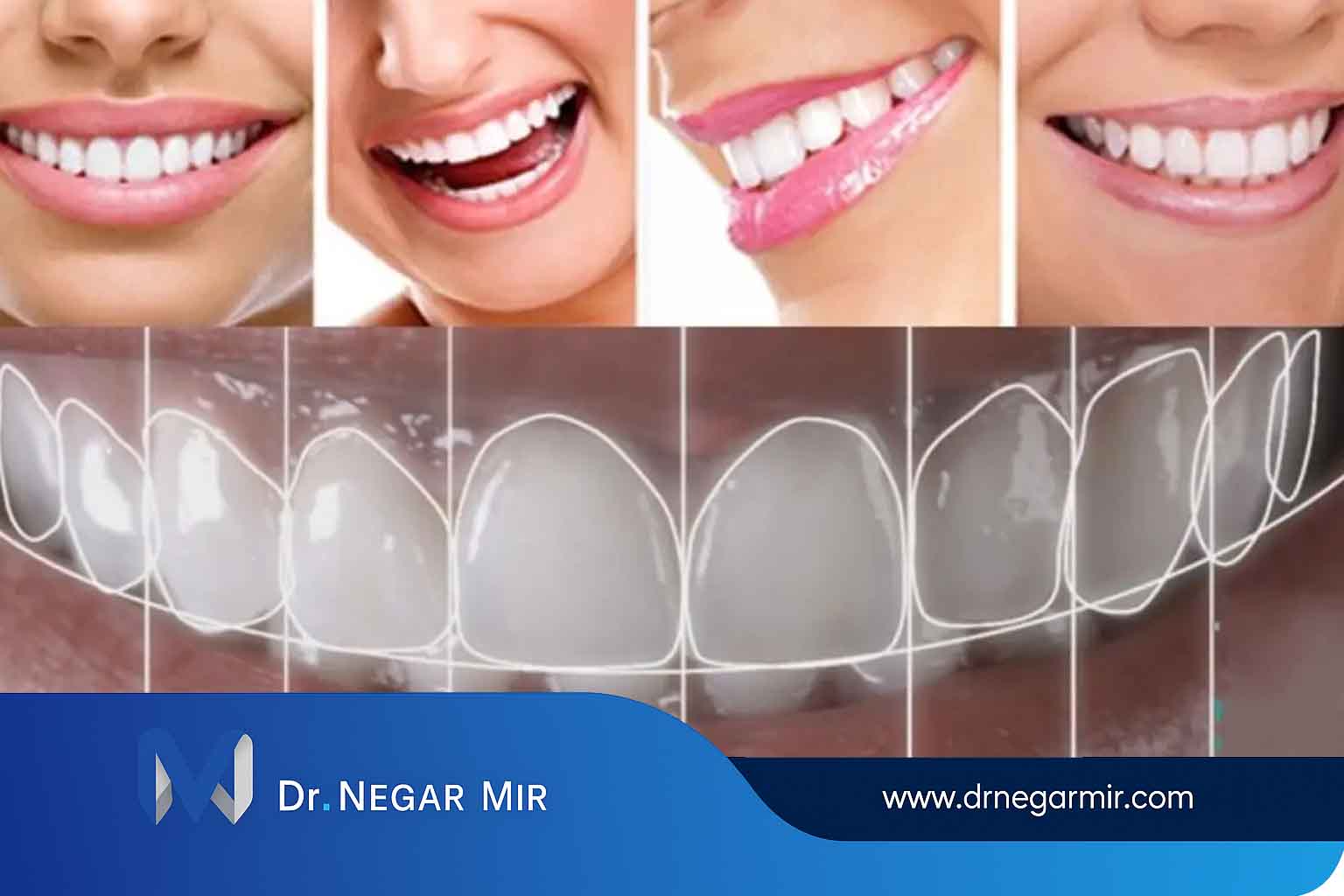
Parcial veneer is a thin shell made of ceramic or composite that, unlike traditional veneers (full veneer), does not cover the entire surface of the tooth. In conventional veneers, the entire front surface of the tooth is shaved, but in this method, the focus is only on the damaged part of the tooth. By preserving the healthy tissue, the dentist designs only a piece that will repair the tooth defect. This method is a bridge between simple tooth filling and complete laminates.
5 main uses of partial veneers in cosmetic dentistry review
1. Repairing minor fractures:
Correcting the edges of the teeth due to trauma or accidents.
2. Closing dental gaps (diastema):
Filling the gap between two teeth without the need for long-term orthodontics.
3. Correction of worn edges:
Restoration of teeth that have been shortened due to bruxism or acid erosion.
4. Covering local stains:
Fixing spot color changes that cannot be removed by usual methods such as bleaching.
5. Changing the shape of peg teeth:
Correcting the shape of small teeth (Peg Laterals) that are not in harmony with the rest of the teeth.
Partial veneer and its advantages:
Using this method has 3 key advantages for your oral and dental health:
* Tooth enamel preservation:
This is the biggest advantage. Since the tooth is almost never sharpened, the structural strength of the tooth is preserved and the risk of tooth sensitivity is reduced to zero.
* Ultra-natural appearance:
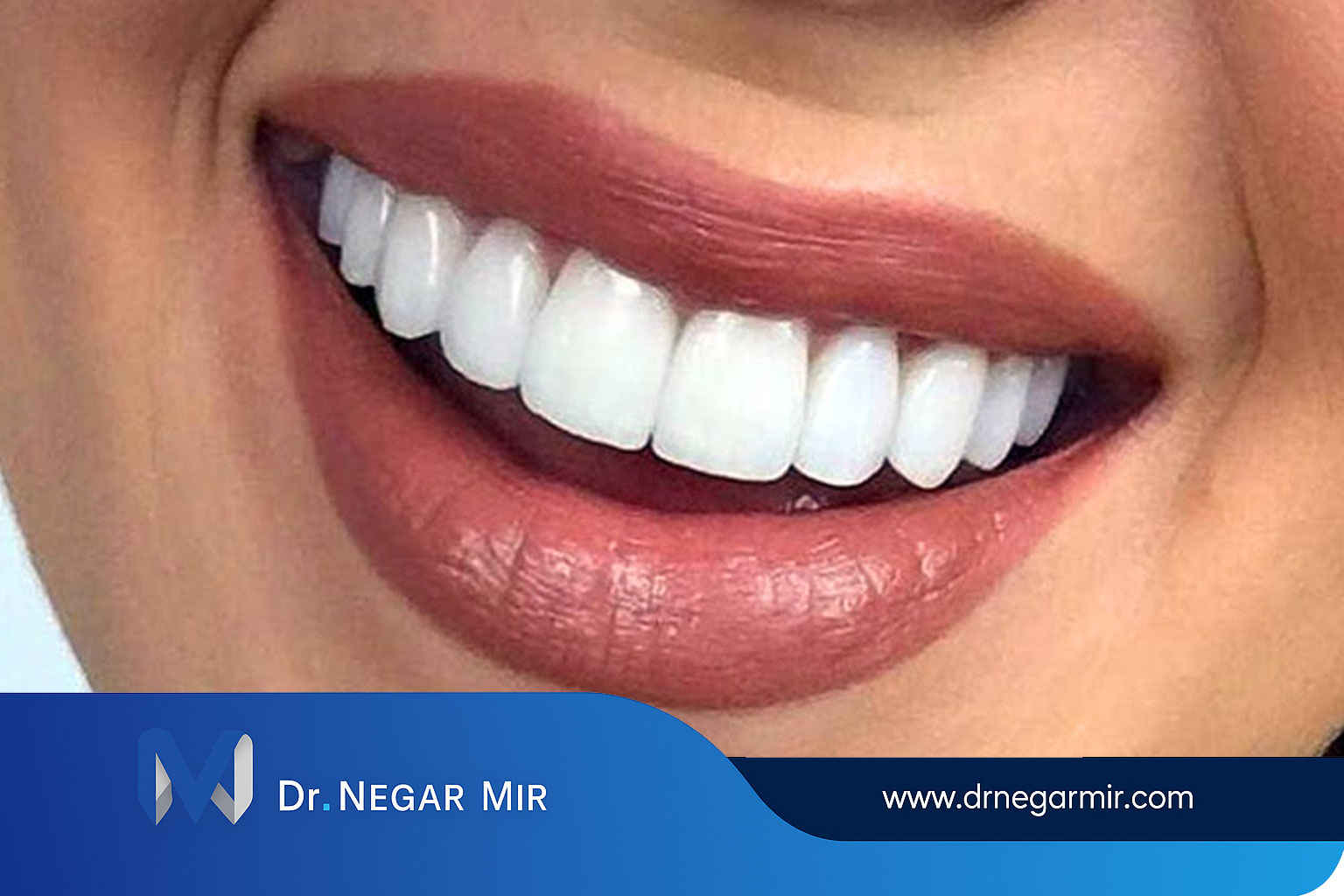
Due to their very thin thickness (sometimes as low as a hundredths of a millimeter), these veneers transmit light like tooth enamel, and it is impossible to distinguish their border with the natural tooth.
* Low recovery period:
Its installation is quick, painless and usually It is done without the need to inject anesthesia.
Step-by-step steps of Parcel Veneer implementation
The treatment process is different depending on the type of material you choose:
1. Consultation and design:
The dentist examines the condition of the tooth and determines whether Parschel veneer meets your needs or not.
2. Preparation (optional):
If needed, only a very small surface is prepared for scraping.
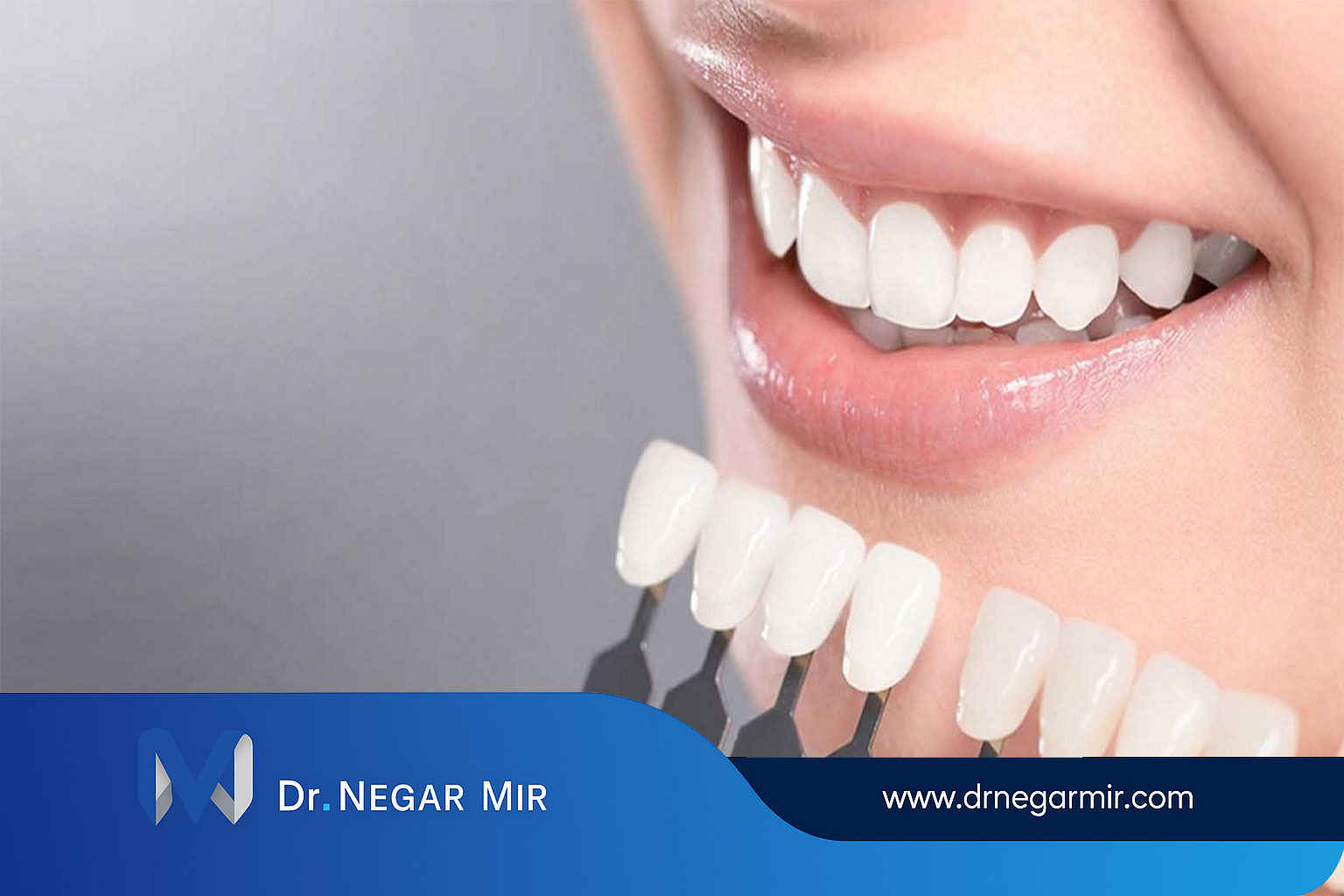
3. Color selection:
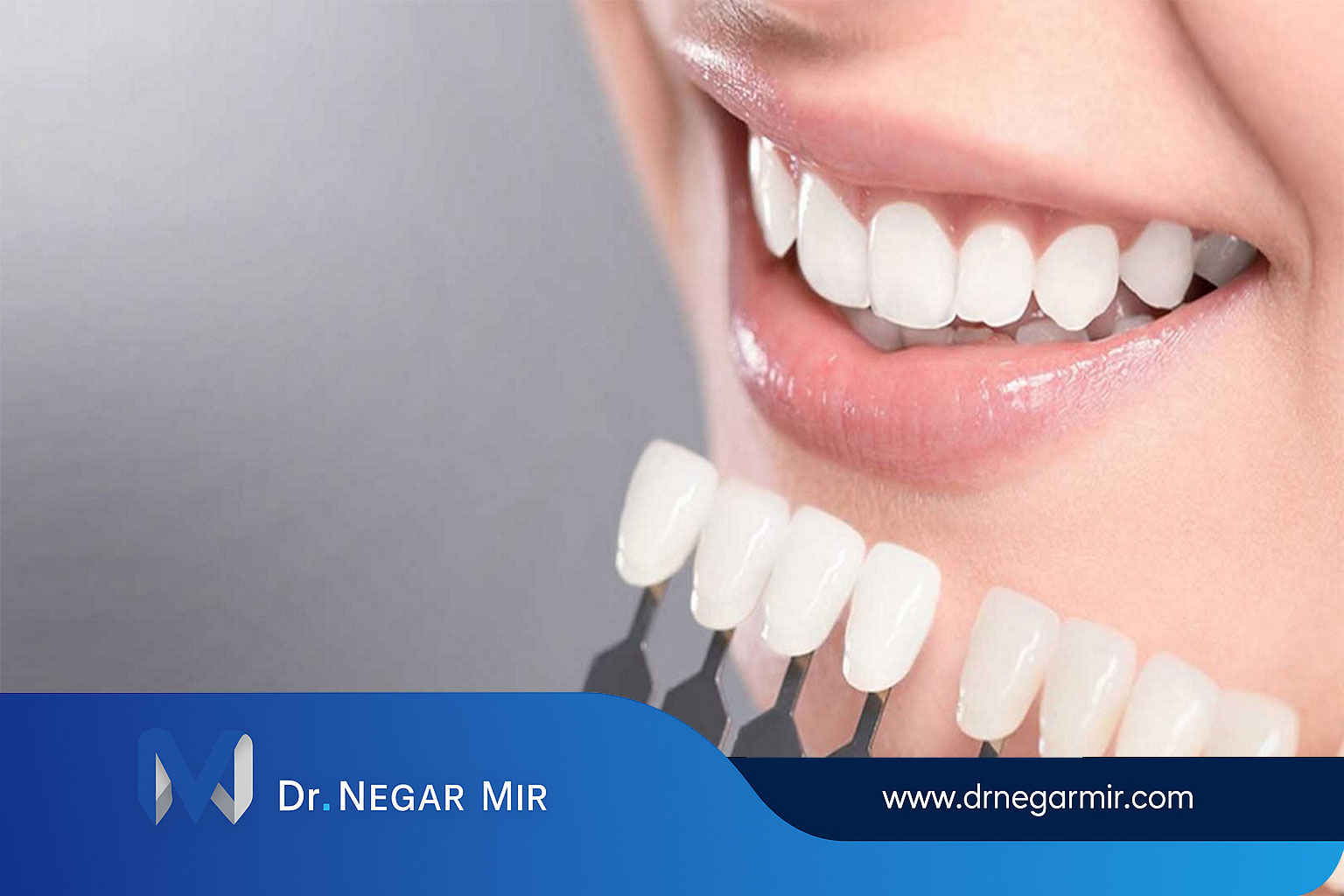
Using color selection kits, the most accurate color is selected according to your natural tooth.
4. Final installation:
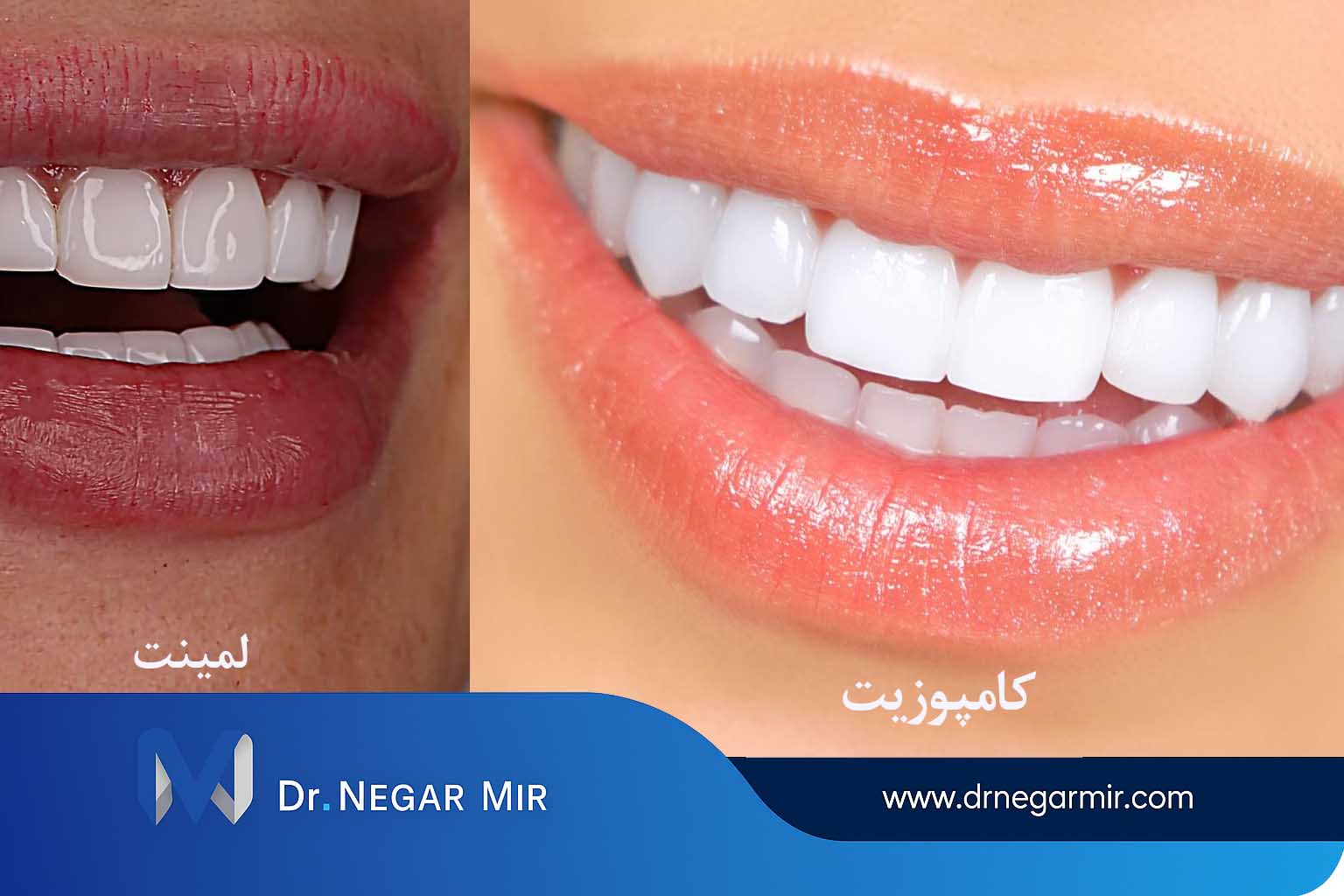
In the composite model, the material is directly formed on the toothhttps://drnegarmir.com/clear-edge-veneer-composite/
But in the ceramic model, after molding and manufacturing in the laboratory, the piece is bonded to the tooth with special adhesives (cement resin)
The cost of parchill veneer in 1404
The price of this treatment depends on the selected material, the doctor's salary and the laboratory costs:
Note: Although the price of the ceramic type is higher, it is a more economical choice in the long run due to its non-discoloration, permanent shine and exceptional strength.
* Avoid biting hard objects (pencils, ice, nails).
* If you grind your teeth, be sure to use a night guard at night.
* Take oral hygiene seriously, including flossing, so that the border of the veneer connection does not suffer from decay.
Frequently asked questions of users
1. Is partial veneer suitable for teeth with extensive decay?
No; This method is for teeth whose main structure is healthy. For large caries, full veneers are recommended.
2. Is the installation of parchill veneer done in one session?
Composite type Yes, it is done in one session. But the ceramic type usually takes 2 sessions due to the need to make it in the laboratory.
Article summary:
parcel veneer or parcel veneer is a minimally invasive method to correct small tooth defects (such as gapped lips or gaps). This method creates a natural smile by fully preserving tooth enamel and at a lower cost than laminates. Its price in 1404 varies between 3.5 and 15 million Tomans depending on the material (composite or ceramic) and it is the best option for those who are looking for "beauty without sharpening teeth". rel="noopener">https://wa.me/message/LYWPZW3AOPBZE1
Short link: https://drnegarmir.com/?p=10303