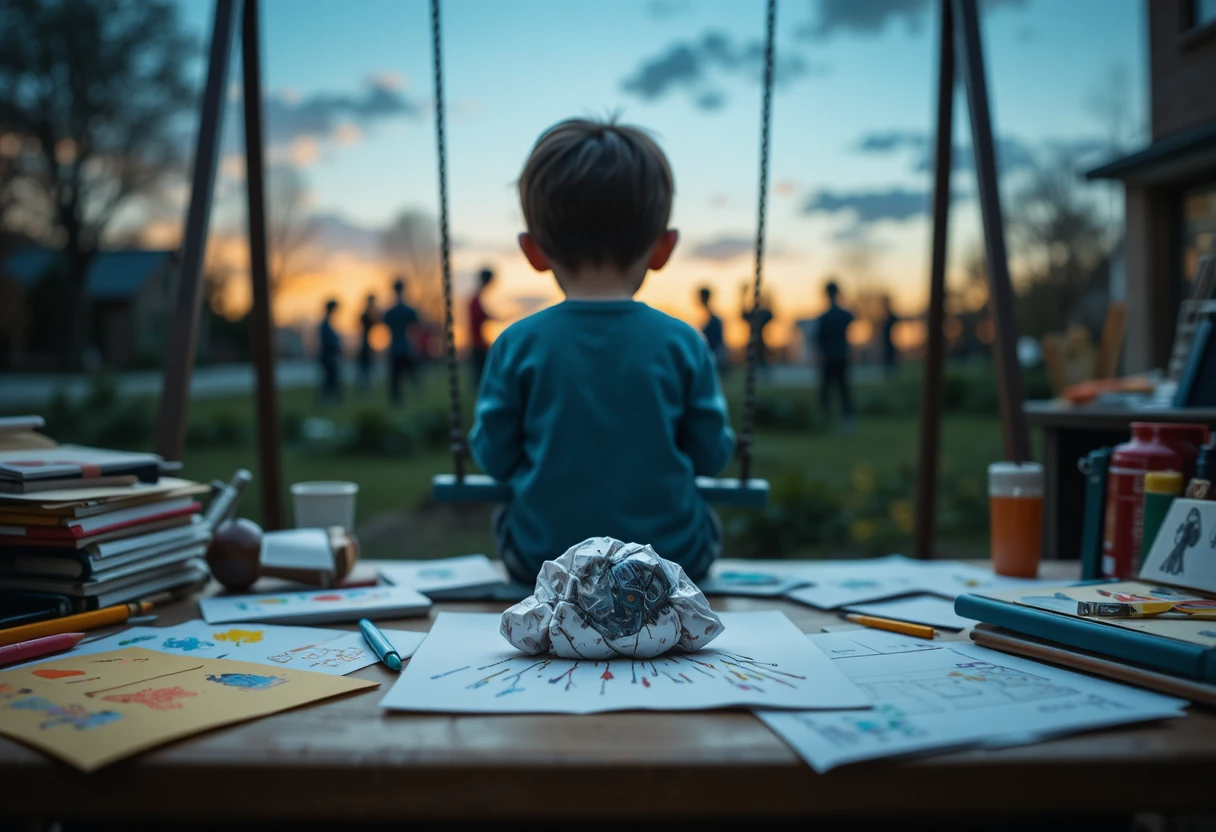

۱۰ نشانه افسردگی در کودکان

دوران کودکی بهطور طبیعی پر از فراز و نشیبهای احساسی است. But losing interest in things you've always enjoyed and withdrawing from friends can be more than a simple developmental change.
Depression is a complex disorder. It can be an independent mental health disorder (such as major depressive disorder or MDD) or it can be a feature of other disorders (such as bipolar disorder and post-traumatic stress disorder or PTSD).
Symptoms of depression go beyond just low mood and persistent lack of energy. They can include behavioral changes, impaired cognitive function, and physical (bodily) symptoms.
Symptoms of depression in children
In 2021 alone, about 20% of 12- to 17-year-olds in the United States will experience an episode of major depression.
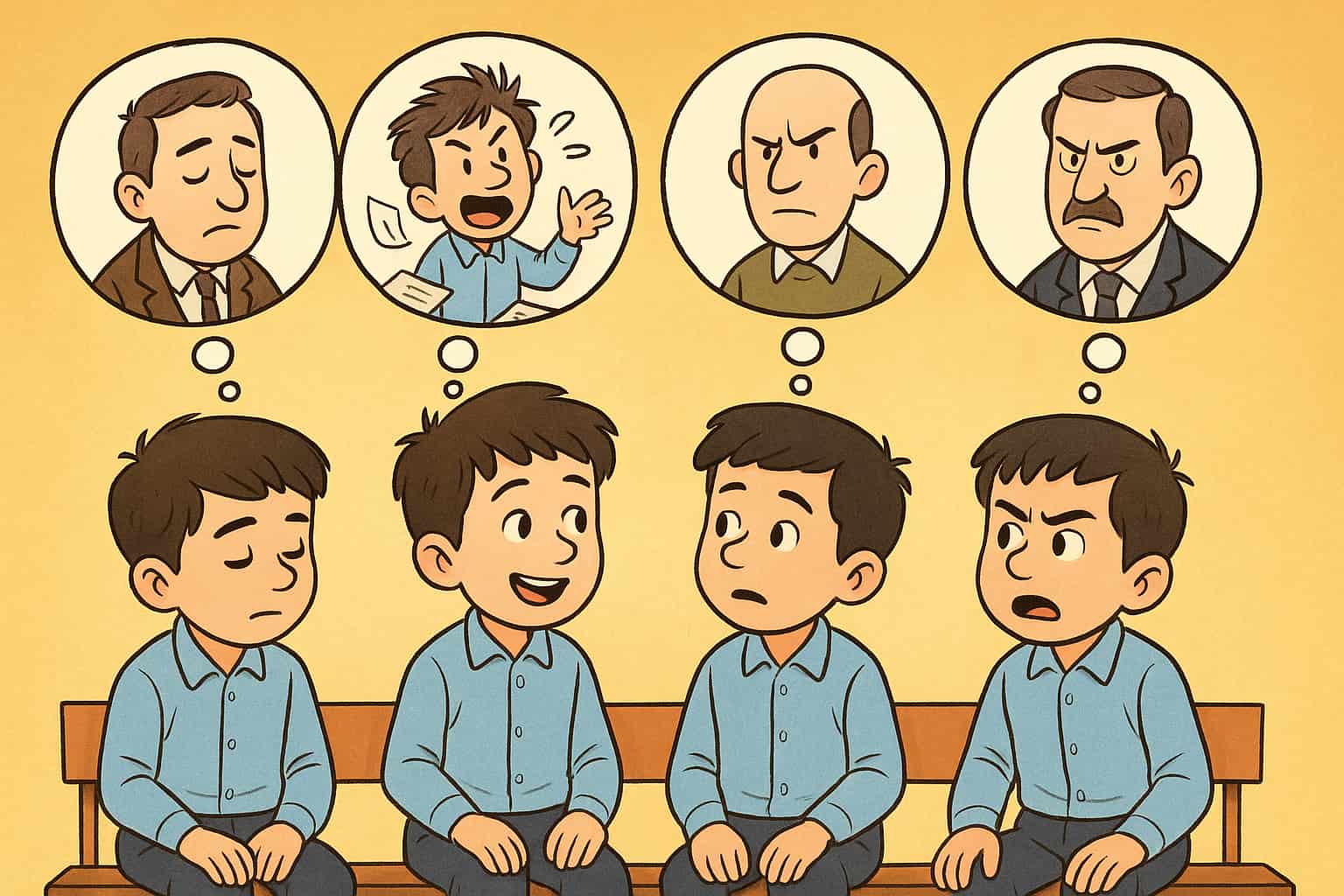
Due to the difference in life stages, the symptoms of depression in children can be different from adults. For example, the child may not clearly show that he has lost interest in everyday activities (like an independent adult).
Instead, the symptoms will often be related to the child's individual interests and behaviors.
Psychologist Dr. Louise Metcalfe says, "For example, if a child who normally enjoys playing Minecraft stops enjoying it and doesn't seem to have been replaced by something else, and is also grumpy/irritable and sad or emotionally flat," these are pretty strong signs. Depression in children." Other signs that your child may be experiencing depression include:- Academic failure without specific reason
- Reports of inappropriate behavior from school
- Frequent crying
- Reduce time spent with friends
- Sleeping more or less than usual
- Expressing these sentences that they are not good at anything or everything is their fault
- Indifference to school, sports, or other activities they were previously interested in
- substance use or other risky behaviors
- Repeatedly talking, writing or drawing about death or dying
- Running away from home
- Irritability (temperament and irritability)
- Eating less or more than usual
According to the American Academy of Child and Adolescent Psychiatry, children also have more physical complaints than adults such as headaches and heartaches.
Block detection
Diagnosing depression in the transition stage of childhood is difficult and there are other reasons why depression in children may be ignored.
According to Cyrel Roberson, a school psychologist, cultural differences can also play a role in how children recognize and understand the symptoms of depression.
"Research shows that irritability in white teens is often labeled as a symptom of depression, which it is," she says. However, the same behavior is often perceived as destructive in Black and Latino children, which can lead to feelings of hopelessness because they are misunderstood and their underlying problems go unrecognized and ultimately left untreated.What causes depression in children?
Depression is a brain disorder that includes changes in brain function and structure. Its exact causes are not fully understood, but genetics, environmental factors, and psychological influences can all play a role.
Depression has also been documented in the scientific literature in children as young as 3 years, but it is usually more common in 12- to 17-year-olds.
In addition to genetics and other underlying causes, some factors may increase the likelihood of experiencing depression in a child.
Metcalf says, "The causes can be very varied, so it's difficult to give an exact answer to this question. However, certain events increase the likelihood of depression, such as traumatic events in the family."
He notes that these events can include:
- Death of a family member
- Homelessness
- Severe changes in residence, such as seeking asylum
- domestic violence
- Harassment
- Bullying by peers
Unfortunate life events are not the only effective factors in childhood depression. Research shows that depression may be more common in children who have the following conditions:
- Inherently pessimistic attitude
- Sleep problems
- Chronic diseases, such as diabetes
- Other mental health conditions, such as anxiety disorders
- substance abuse
- Consumption of certain drugs
Also, children who have insecure attachment to their primary caregivers may be more prone to depression. Insecure attachment is a weak emotional bond that forms between a child and his primary caregiver (such as a parent). In this case, the child feels worried and insecure because he is not sure that his caregiver will be there for him and meet his needs whenever he needs help or affection.
This type of attachment often develops when caregivers:
- They do not have enough physical or emotional presence (they are absent or indifferent).
- They do not have fixed behavior (sometimes they are affectionate and sometimes they are cold or aggressive). They are
- annoying or scary.
As a result, the child learns that he cannot count on his caregiver and this causes anxiety and uncertainty in his relationship.
Talking to your child about depression
If you're wondering when to talk to your child about depression, Roberson recommends asking yourself the following questions:
- Have their bad days outnumbered their good days?
- Do they have insomnia or oversleep?
- Is it difficult for them to wake up to go to school?
- Is there evidence of poor concentration at home or school?
- Are they no longer interested in or enjoying their usual activities?
- Have they distanced themselves from family and friends?
- Are there maladaptive coping mechanisms, such as substance abuse?
If the answer is "yes" to any of these questions, it may be time to talk about depression.
Metcalfe says, "Parents do best by helping children to feel comfortable about their thoughts first; If your child's thoughts are dark, don't walk away from it. Tell them that it's normal to feel that way sometimes, but all feelings come and go."
He then suggests that, to create comfort, the whole family tells three good things that happened to them that day or three things they liked that day. For the caregiver, she suggests making sure to say something positive about the child experiencing depression.
When it becomes comfortable to talk about thoughts and feelings, the door opens for caregivers to talk about depression.
Treatment options for children
According to national data, only 60% of children who experienced an episode of major depression in 2021 received treatment.
Metcalfe advises: "If your child has persistent depressive symptoms that don't seem to go away, always seek professional help; Try not to wait more than a month. Also, if your child expresses a desire to end his life or harms himself, don't panic, just seek professional help and see a child psychologist as soon as possible."
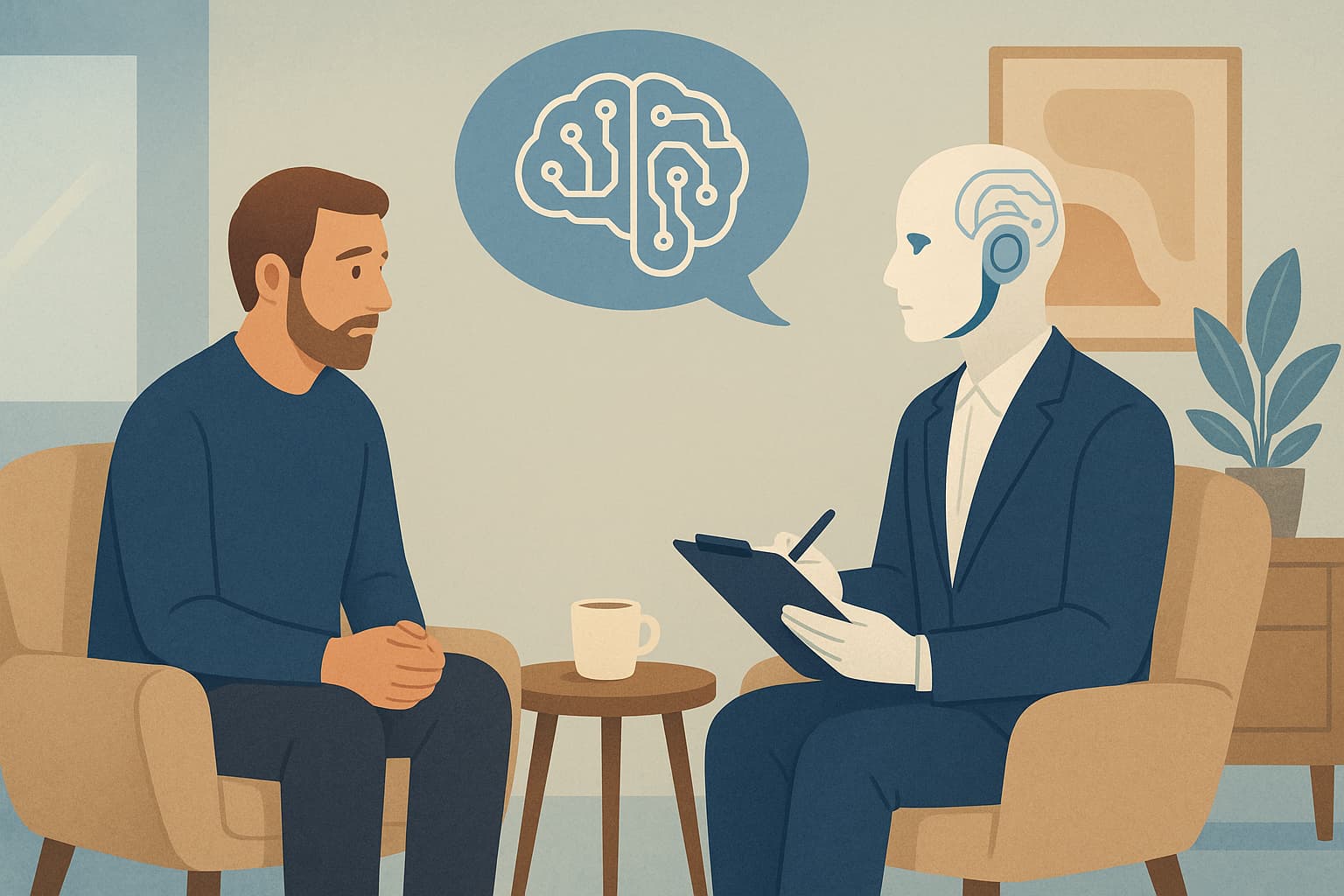
Depression in children and adults is treated using psychotherapy and drug approaches. Psychotherapy, also known as "talk therapy," uses a variety of frameworks to address the underlying causes of depression while teaching children effective ways to deal with negative emotions in everyday life.
Cognitive Behavioral Therapy (CBT) and Interpersonal Psychotherapy (IPT) are two treatment methods that have been proven to be effective in treating depression in children.
In addition to psychotherapy, symptoms of depression in children can be treated with medications such as antidepressants to help reduce debilitating symptoms.
How is depression diagnosed in children?
What distinguishes depression from the typical childhood experience is the duration of symptoms and their impact on daily life. Unlike everyday experiences that cause emotional fluctuations, depression involves debilitating changes in thinking and behavior that persist over long-term periods of time.
According to the Diagnostic and Statistical Manual of Mental Disorders, Fifth Edition, Revised (DSM-5-TR), a diagnosis of depression is made in children and adults after 5 or more of the following symptoms are present during a 2-week period:
- Fixed depressed mood (which in children may be shown as irritable mood)
- Persistent decrease in interest or pleasure in all or nearly all activities
- Significant weight loss (which in children may manifest as inability to gain expected weight)
- Sleep disorders (lack of sleep or excessive sleep)
- Restlessness or slowness in physical movement
- Constant fatigue or low energy
- Persistent feelings of worthlessness or inappropriate guilt
- Disturbance in concentration and decision-making
- Suicidal thoughts
To be diagnosed, at least one symptom must be depressed mood or decreased interest/enjoyment. Also, symptoms must cause significant disruption in important functions and not be attributed to another condition or substance.
If your child shows signs of depression, seek to see a qualified professional such as a therapist, psychologist or psychiatrist.
- Translation of an article by Dr. Akilah Reynolds published in psychcentral.