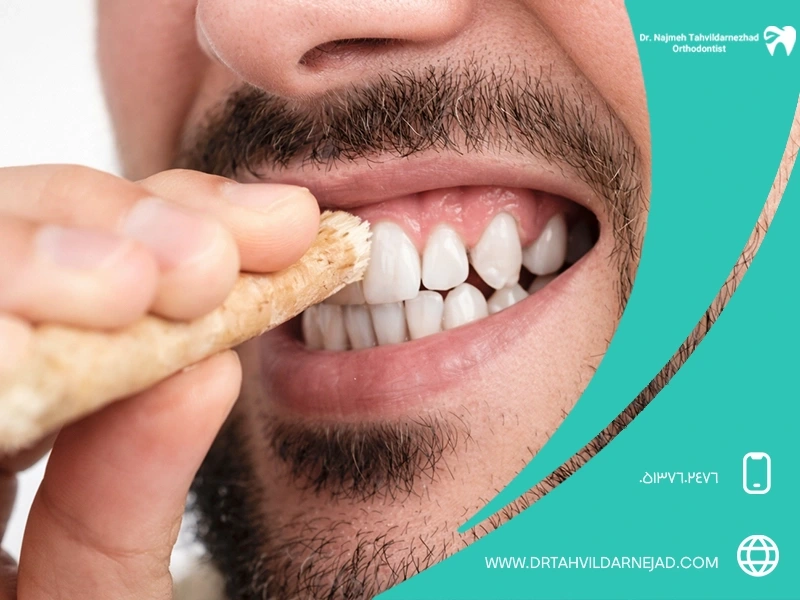
10 basic methods for removing dental plaque at home
s�� ′ � %clue.
Why is dental scaling important for oral and body health?

Dental mass is not just an external problem; Accumulation of plaque and tartar can cause gingivitis, bad breath, decay and even gum disease. Dental studies show that uncontrolled mass increases the risk of gum recession and tooth loosening. Awareness of the importance of scaling is the first step to prevent and maintain oral health in the long term.
Smart prevention; The most effective way to prevent dental plaque
The best way to deal with dental scaling, according to a dentist specializing in Mashad teeth scaling, is daily and fundamental prevention. Proper brushing twice a day, using dental floss and standard mouthwashes play a key role in preventing plaque from turning into plaque. Dentists emphasize that following these simple habits minimizes the need for invasive treatments and maintains gum health.
Tooth removal at home; What things are safe and what things are dangerous?
Home scaling is only used to reduce dental plaque and should not be done with sharp tools or harsh methods. Any scratch on tooth enamel can cause permanent damage. Home methods are only a supplement to daily care, and if there is a hard mass, it is necessary to see a dentist.
Toothpaste containing fluoride; The scientific basis of dental care

Fluoridated toothpastes prevent plaque adhesion and mass formation by strengthening tooth enamel. As a scientifically proven substance, fluoride plays an important role in reducing caries and maintaining dental health. Regular use of this toothpaste is the easiest and safest home method to control primary dental caries.
baking soda; Does it really help to reduce tooth mass?
Due to its mild abrasive properties, baking soda can reduce surface stains and plaques. However, its frequent or incorrect use may damage tooth enamel. Dentists recommend this method to be used only on a limited basis and not daily and not to replace specialized toothpaste.
Read more» Does scaling damage tooth enamel?
white vinegar and dental plaque; Scientific fact or false belief?
White vinegar is acidic and although it may help dissolve plaque, it can seriously damage tooth enamel. Scientific evidence does not support the continuous use of vinegar. If used, it should be very diluted and limited. This method is not recommended for people with sensitive teeth.
orange peel; A natural way to help make teeth clearer
Orange peel contains compounds such as limonene that can help reduce surface blemishes. This method is more cosmetic than therapeutic. Its effect is limited and temporary, and deep criminalization should not be expected. Gentle and short-term use is the main condition for the safety of this method.
Sesame; A traditional way to reduce dental plaque
In some sources of traditional medicine, chewing sesame is proposed as a method to clean the tooth surface. This method may help reduce food particles and surface plaque, but there is no strong scientific evidence for tartar removal. Sesame should not replace toothbrush and dental floss.
Read more» Check the differences between gum scaling and tooth scaling
aloe vera; The combination of gentle scaling and oral disinfection
Due to its antibacterial and anti-inflammatory properties, aloe vera can help reduce oral bacteria and improve gum health. Limited use of oral aloe vera gel helps to reduce surface plaques. This method has more of a supporting role and is not considered a definitive treatment of crime.Vitamin C and gum health; The role of nutrition in controlling dental caries

Consumption of foods rich in vitamin C, such as oranges, kiwis, and bell peppers, helps strengthen gums and reduce inflammation. Healthy gums are less prone to plaque accumulation. Of course, excessive consumption of acidic substances without observing oral hygiene can have the opposite result.
Read more» Methods of strengthening tooth enamel at home
Coconut oil (oil pulling); Safe way to reduce oral bacteria
Oil poling with coconut oil is a traditional method that some studies have confirmed to reduce oral bacteria. This method can help reduce plaque and bad breath, but it does not have the ability to remove hard plaque. Regular and correct use makes it a useful complementary method.
Turmeric and teeth; Effect reality or exaggeration?
Turmeric has anti-inflammatory and antibacterial properties and may help with gum health. However, its effect on scaling is limited and inconclusive and can even cause temporary yellowing of teeth. Conscious and limited use is a condition for safe use of this substance.
Final word
Home cleaning methods, if used correctly, can be a good supplement for daily oral and dental care, but they are not a substitute for specialized cleaning. Correct toothbrush, dental floss and mouthwashes play a key role. To prevent damage to tooth enamel and gums, it is recommended to consult a dentist before using home remedies.
Frequently asked questions about home methods of dental scaling
1. Is it possible to completely remove dental plaque at home?
In some cases, surface scales can be reduced, but complete and basic scaling should be done by a dentist.
2. Is it useful to use baking soda for tooth scaling?
Sweet soda can help whiten the surface of the teeth, but it is not enough for deep scaling and may make the tooth enamel sensitive.
3. Is it safe to use toothpicks or sharp tools at home for scaling?
No, using sharp tools can damage the gums and tooth enamel and is not recommended.
4. Can correct toothbrushing prevent the formation of plaque?
Yes, regular brushing with proper technique and using dental floss reduces the formation of plaque and plaque.
5. How often should you visit the dentist for scaling?
For most people, it is recommended to see a dentist for scaling every six months, except in special cases where shorter intervals are necessary.