مقاله تخصصی
7 scientific steps to overcome the mourning of loved ones and restore peace
3 months ago
117 بازدید

Dr. Hossein Bayat
ShirazPhD in health psychology
Mourning the loss of loved ones is one of the most bitter human experiences. It is as if a part of us is suddenly removed. We no longer find the voice, the look, or even the physical presence of that loved one by our side, and this absence leaves a deep wound in the heart. In these moments, time passes slowly, the world fades, and conflicting emotions such as shock, denial, anger, guilt, and sadness overwhelm us. But this great sadness is part of the human experience; An experience known as grief, and although it is inevitable, it is understandable, manageable, and even curable. Knowing the stages of mourning and using psychological techniques for mourning will help us to better cope with this experience and make the path of acceptance of grief smoother. In this article, you will learn about 7 scientific and practical steps to overcome grief, based on the latest research and practical psychology solutions. **The first stage of mourning the loss of loved ones: recognizing and accepting the stages of mourning**
There are different models and theories for the stages of bereavement, of which the five-stage Kobler-Ross model, the dual-process model, and the complicated and unpredictable bereavement are among the most important. ### **Kübler-Ross five-stage model**
According to Elizabeth Kubler-Ross theory, grief is often experienced in five stages: Denial, Anger, Bargaining, Depression, and Acceptance; that each person may go through these stages in a different order or intensity. Knowing these steps will help you better understand and manage your emotions and not resist them unnecessarily. Although this model has become very popular, it also has its critics because it imagines entering into grief as a kind of linear process. 1. Denial – "This couldn't have happened to me."
2. Anger - "Why me?" why him This is not fair!"
3. Bargaining – "I wish we had more time... I wish he was alive if I..."
4. Depression - "Nothing else matters to me."
5. Acceptance - "He's gone... and I have to live with that fact."
### **Dual Process Model of Mourning**
In this new model, there are two types of activities in the mourning process that people fluctuate between:
1. Focusing on loss (Loss-oriented coping): including crying, longing, reviewing memories
2. Restoration-oriented coping: including returning to daily activities, redefining identity, planning for the future
Oscillating between these two states is a healthy and necessary part of the grieving process. Unlike the previous model, this perspective considers grief as a non-linear process. ### **Complicated Grief**
Some people may not be able to deal with loss over time. This type of bereavement, known as prolonged bereavement disorder in the fifth edition of the DSM, is associated with symptoms such as chronic denial, impaired functioning, and severe depression. **Step two: Allowing yourself to be sad**
Accepting grief and even expressing it (crying, talking to others, taking notes, etc.) is an important part of the healing process. Suppressing or suppressing emotions, contrary to popular opinion, only prolongs the grieving process and increases emotional problems. According to research by the American Psychological Association, expressing emotions helps prevent anxiety disorders and depression. Treating stress and anxiety with neurofeedback can help people who have trouble controlling this problem; to help **The third step: taking care of physical and mental health**
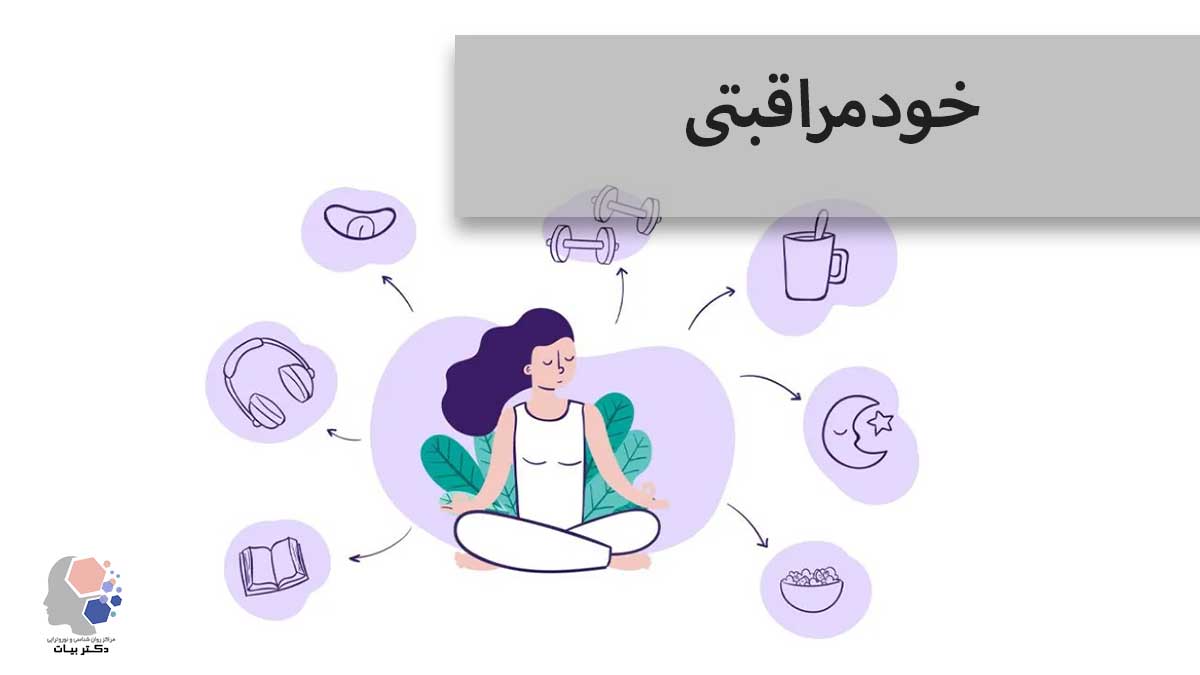
During the period of mourning for the loss of loved ones, people are prone to sleep problems, overeating or lack of appetite, and physical problems. Light walking, healthy eating, adequate rest and breathing exercises or yoga can help restore the balance of mind and body. It is also recommended to avoid alcohol, drugs and bulimia. Failure to follow these tips can lead to depression. the possibility of treating depression with neurofeedback; which is one of the most up-to-date treatment methods. **The fourth stage of grieving the loss of loved ones: using social support**
Talking with family, friends, support groups, or even connecting online with people who have a similar experience can play an effective role in coping with the grief of a loved one. Loneliness slows the healing process, while social support reduces the stress of bereavement and creates a sense of belonging. **Step Five: Remembering and Commemorating Dear Lost Memories**
Research shows that those who remember their loved ones in positive ways (such as keeping a journal, making a photo album, or participating in charitable causes in memory of that person) find it easier to accept grief. This process helps the person to accept the loss as a part of life instead of denying or suppressing it and opens his way to the future. **Sixth step: applying psychological techniques for grief**
The following methods are very effective for accepting sadness and going through grief:
1. **Accepting feelings and expressing them:** Allowing yourself to express sadness, anger, and feelings of loss is the first step in accepting sadness. Silence and denial may prolong the pain. 2. **Meaning-making:** Making meaning out of loss—for example, by dedicating a charity in the name of a lost loved one—has positive psychological effects. 3. **Social support and support groups:** Talking with friends, family or attending support groups has a central effect in reducing the feeling of loneliness. 4. **Cognitive-Behavioral Techniques (CBT):** By changing negative beliefs and cognitive restructuring, this method helps a person to reduce feelings of guilt or blame. 5. **ACT and Spiritual Psychotherapy:** Focusing on emotional acceptance and living in harmony with values, ACT psychology and spirituality offer a way to achieve peace. 6. **Positive reconstruction and use of positive elements:** Using humorous memories or actions that remind of past joys can have a calming effect. 7. **Self-care and physical activity:** Regular exercise, meditation, adequate sleep and healthy eating are important ways to deal with the physical symptoms of grief. 8. **Reminiscing and reminiscing:** Writing down memories, creating a photo album or having an imaginary conversation with a lost loved one is a soothing experience. **Seventh step: creating a goal and starting a new life slowly**
Returning to normal life may be the hardest part of the grieving period, but setting small goals like doing enjoyable things (seeing friends, taking classes, helping others) can bring meaning and energy back into life. Creating useful habits and striving for personal growth will help the process of psychological reconstruction and the return of peace. **When should we see a psychologist?**
Although mourning the loss of loved ones is a natural process, in some situations it is necessary for the individual or family members to benefit from specialized help and family counseling. If after a few weeks or months you still experience symptoms such as deep sadness, lack of motivation, sleep or eating disorders, feelings of worthlessness or even self-harming thoughts, these symptoms can indicate complicated grief or associated mental disorders. In such cases, going to a personal consultation with a psychologist can help you to better understand your feelings and gradually distance yourself from sadness with scientific techniques. Also, if family members deal with grief in a different way and this has caused tension or disharmony in family relationships, it is recommended to use family counseling services to improve communication, create mutual support and facilitate acceptance of grief. **Summary**
Mourning the loss of loved ones is undoubtedly one of the most bitter and profound human experiences that can affect different aspects of a person's life. Passing this difficult stage requires time, gradual acceptance of feelings and the use of scientific psychological solutions. Although a large part of bereavement reactions are considered natural and part of the process of acceptance of grief, but in many cases, the severity or prolongation of grief symptoms can endanger the mental health of the individual or the family. One of the sure ways to go through grief in a healthy and scientific manner is to consult with experts in the field of psychology. Dr. Hossein Bayat, a clinical psychologist and a member of the Iranian Psychological Association, with years of experience in bereavement and family counseling, is ready to provide specialized services to you dear ones. Attending counseling sessions with Dr. Bayat can make the path of accepting grief, finding new hope and returning to peace smoother. **Frequently asked questions about mourning the loss of loved ones**
**1_What is grief and why is it experienced?**
Grief is a natural reaction of the mind and body to the loss of a loved one and it shows the depth of our emotional relationship with the lost person. **2\_Do all people experience grief in the same way?**
No, the response to bereavement is highly individual and depends on personality, type of relationship, culture and social support. **3 What are the stages of grief?**
In the classical model, it includes denial, anger, bargaining, depression and acceptance, but modern models propose more diverse stages. **4\_What are the signs of complicated grief?**
Chronic sadness, prolonged denial, inability to function in everyday life, intense guilt, or complete disconnection from life. **5\_ What are the best ways to cope with the grief of loved ones?**
Accepting feelings, talking to others, creating meaning, taking care of yourself and, if needed, going to a psychologist.