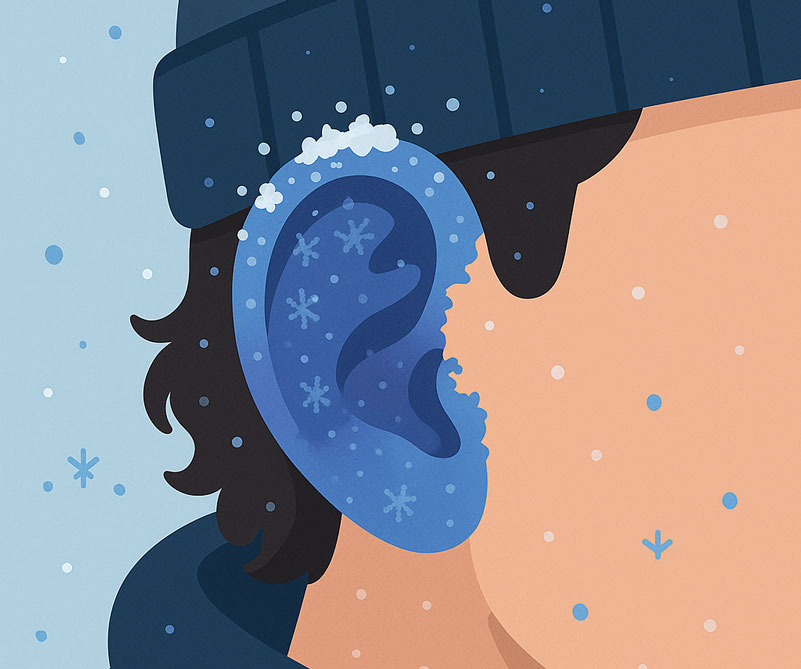

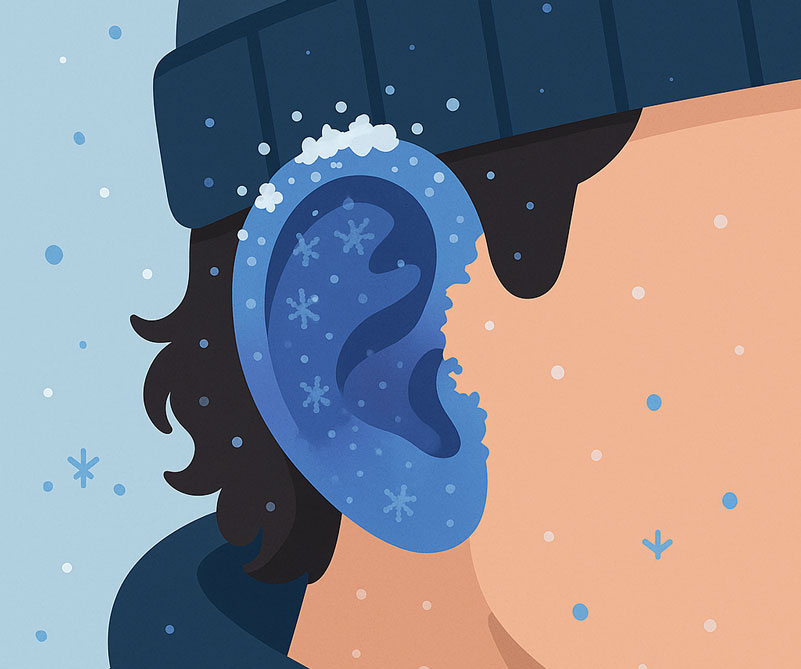
When the cold gets to the point that warm clothes can no longer take care of the body parts They have more contact with the cold and are exposed to freezing in the outermost places. One of these points that cause diseases is the outer ear or earlobe. The ear is one of the parts that are most likely to catch a cold due to frostbite. In this article, we are talking about Dr. Yaqoubi Tehran ear surgeon regarding frostbite. Stay with us until the end of the article.
 What is frostbite?
 What is frostbite?
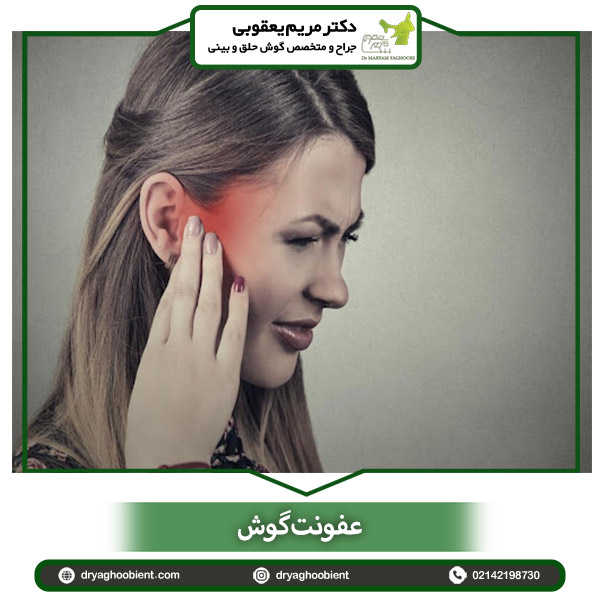
This condition occurs when the ear is exposed to cold temperatures for a long time. Frostbite causes damage to the external tissues of the ear. In general, the amount of damage that the cold can cause to the earlobe depends on two factors: the low temperature and the length of time a person is exposed to this temperature. This issue may Treatment of diseases Ear which is caused due to frostbite must heal under the supervision of a specialist in this field and a surgeon.
Low temperature in a long time destroys the cells of the earlobe. Over time and with extreme cold, the cells of the earlobe freeze. These injuries do not only cause freezing, and by narrowing the blood supply to these tissues, it can cause death and serious damage to the earlobe. Formation of clots in the capillaries is also one of the damages caused by ear lobe frostbite.
Causes of earlobe frostbite
In general, the damage caused by cold to the earlobes has several reasons. When the cold causes the tissues of the earlobe to freeze, some cells are frozen. But others still survive. When people stay in this cold for a long time, the veins and capillaries near their ears freeze and the blood supply to other cell tissues is cut off. As a result, living cells that do not receive enough blood are damaged and die.
Besides narrowing the vessels, cold can also cause blood clots. As the blood clots in the capillaries near the frozen area, the blood flow decreases. This condition damages the tissues of the earlobe.
Generally, the cold causes inflammation in the ear tissues. But earlobe frostbite does not only cause these problems, when the cold decreases and the blood flow returns to the affected areas, these tissues also return to their normal and proper state. As a result of these conditions, the tissues secrete many chemicals that cause more inflammation in the earlobe. The inflammation that occurs as a result of the freezing of the earlobe increases, and when the frozen cells are heated, the secreted toxins are released into the bloodstream.
Symptoms and symptoms of frostbite and freezing of the ear
- Sense of extreme cold in the ear, which turns into pain.
- Nensation of the earlobe and tissues. Ear
- Involved organs tingle with cold.
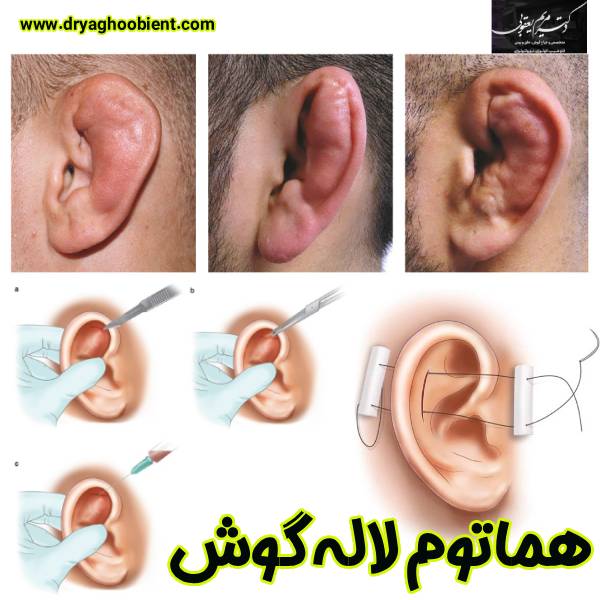
- Creation of blisters and swelling in frozen tissues
- Numbness in the parts where the pain was severe
- Coldness
- Hardening of the injured limb
In more severe conditions than these cases, the injured limb may become hard or feel like frozen wood or meat. It is also possible that the earlobe has become necrotic and will not be normal after recovery.
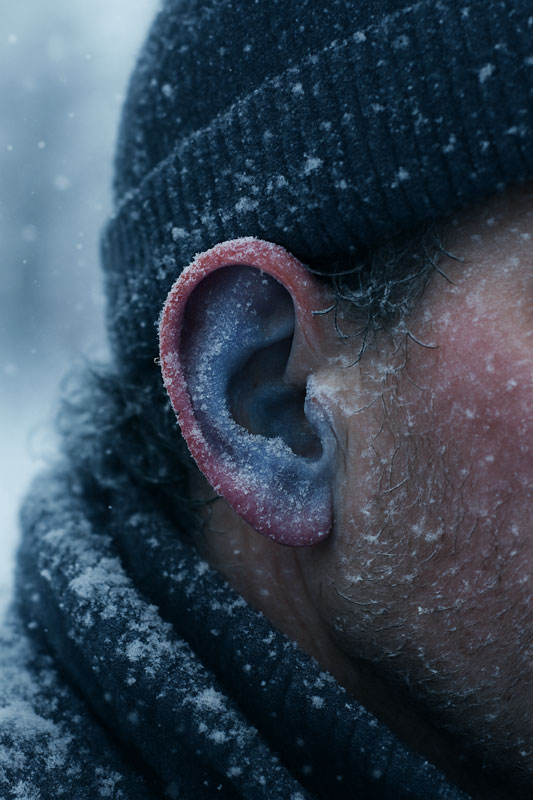
Strictly avoid doing the following during frostbite
When the tissue and lobe of the ear is frostbitten, you may not even feel the pain due to excessive cold. In this situation, you should not warm the ear quickly. Then, heating the earlobe quickly will cause serious damage to this tissue due to its numbness.
Avoid scratching and rubbing the ear tissue. These actions increase the damage. If you get blisters, do not pop them. Do not apply ointments and different ointments to the frozen areas.
Simple and home methods
According to the mentioned points, when you have a cold in the earlobe, you should warm the ear slowly. You can use warm compresses for this. Place them around the ear so that the tissue of the tulip is slowly warmed.
After the relative recovery and warming of this area, you can also get help from massage and ointment. If you have an infection, drink more fluids than before. Water can help ward off infection. In addition to consuming garlic and onion liquids or antiseptics, they can also be useful for preventing infections and treating them. The otolaryngologist takes measures to remove the infections caused by these conditions. In addition to that, pay attention to his recommendations regarding the use of antibiotics and painkillers.
In some cases when this issue has become very serious, suction or surgical devices may be used to remove the infection.