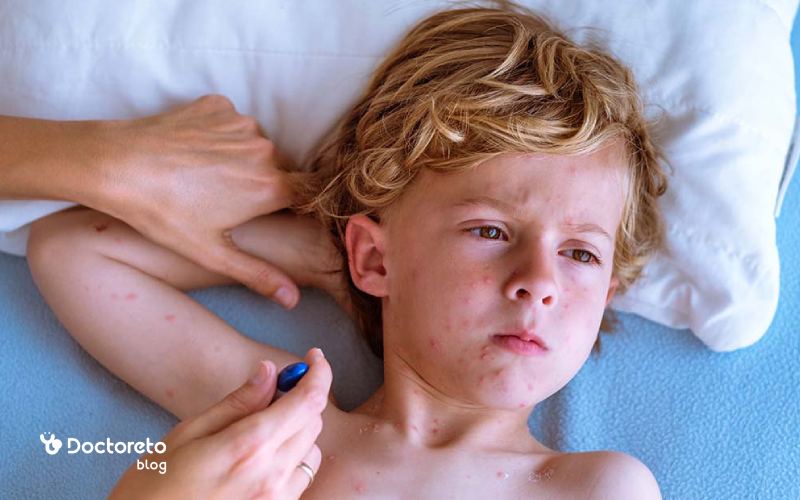
Severe itching is one of the most annoying symptoms of chicken pox, especially when the blisters increase and reach the stage of scabbing. Controlling itching is important in both adults and children, as scratching the blisters can cause infection, leave scars, and prolong the healing process. One of the common ways to reduce itching is to use anti-itch pills or antihistamines. But choosing the right drug should be based on the patient's condition, age and severity of symptoms. In this article, the best pill for anti-itching of Able Margan, how to use it and safety tips are explained from your doctor.
The best pill for itchy chicken pox
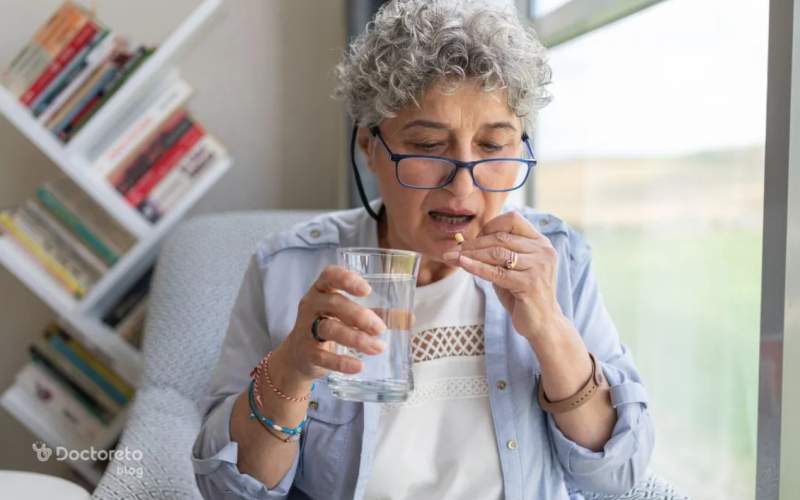
One of the options to reduce itching in chicken pox is usually antihistamine drugs, because they work by reducing sensitivity and histamine in the body. Medicines such as cetirizine, fexofenadine, loratadine are suitable for use during the day because they do not induce sleep.
Diphenhydramine or clemastine drugs are also recommended for the night, because they are sleep-inducing and cause relaxation and reduce itching at night. The choice of medicine for chicken pox treatment should be done according to the age, background of the disease and other drugs used. Before taking any type of pill, it is necessary to consult a doctor.
English text:
Quoted from wmic.wales.nhs
If your child is over 1 year old and is struggling to sleep because of the itching, your pharmacist may suggest giving them an antihistamine called chlorphenamine. Chlorphenamine helps to stop the itching. It may also make your child feel drowsy. Persian translation: If your child is over 1 year old and cannot sleep because of itching, the pharmacist may recommend an antihistamine called chlorpheniramine. Chlorpheniramine will help reduce itching and your child may feel drowsy.
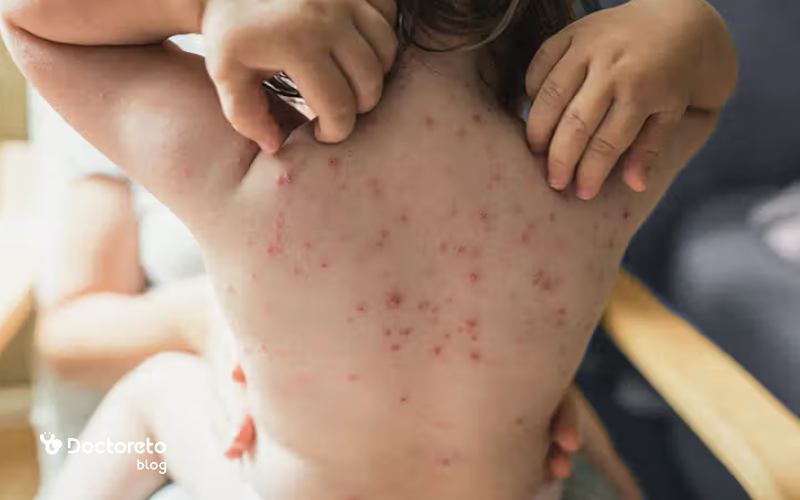
1. Sleeping antihistamine tablets for the night
Old generation antihistamines such as diphenhydramine and clemastine have a hypnotic effect and are a very good option for the night. By reducing histamine in the body, these pills reduce the severity of itching and make the patient sleep more easily. This group of drugs can be used for adults and some children over 6 years old with the doctor's opinion.
They should not be taken with alcohol or other sedatives. Due to drowsiness, you should not drive or do activities that require concentration after consumption.
| Drowsy antihistamines (night) | Non-drowsy antihistamines (day) |
|---|---|
| Includes diphenhydramine and clemastine with drowsiness effect | Includes fexofenadine, loratadine and Cetirizine without causing drowsiness (there is a possibility of drowsiness in some people) |
| Suitable for reducing nighttime itching and helping sleep | Suitable for use during the day without disrupting daily activities |
| Consumption with alcohol and sedatives is prohibited. | Usually one daily dose is enough. |
| Causes drowsiness. intense; You should not drive or do precise work. | The effect of the drug appears within 30-60 minutes. |
| Can be used for adults and some children over 6 years old with the doctor's opinion | It reduces the itching and inflammation of the blisters during the day. |
2. Non-sleeping antihistamine tablets for the day
New generation antihistamines such as fexofenadine, loratadine and Cetirizine are usually less drowsy than the older generation and are more suitable for daytime use. However, in some people, they can cause drowsiness, and at the beginning of use, caution should be exercised in driving and doing precise work.
This group of pills show their effect after 30 to 60 minutes and can reduce the itching and inflammation of the blisters. Their consumption is usually enough once a day. The patient should consume enough fluids to speed up the healing process.
Contraindications for taking anti-itch pills for chicken pox
Some people should not use anti-itch tablets arbitrarily. People with heart disease, high blood pressure, asthma, glaucoma, or prostate problems should consult a doctor before use. It is forbidden to use antihistamine in children under 2 years of age without a doctor's prescription.
During pregnancy or breastfeeding, the use of some antihistamines is limited and requires expert decision making. Taking more than the recommended amount can cause severe drowsiness, restlessness or heart problems. Always read the drug label and avoid taking multiple antihistamines at the same time.
Conclusion
Chickens' anti-itch pill can make the symptoms very bearable, but it should be taken correctly and according to the patient's condition. For the day, non-sleeping antihistamines are a better choice, and for the night, sleeping antihistamines can be used to maintain the patient's sleep and relaxation. The most important principle is to avoid scratching the blisters to prevent infection and scarring. If you have an underlying disease or are taking other medications, be sure to consult your doctor. Medicines only control the symptoms, and the main treatment for chicken pox is time and supportive care.
Your doctor takes care of your health!