How to manage job stress?

Dr. Majid Kihani Fard
TehranNeurologist
How to manage job stress?
- May 12, 2025
- Author: Dr. Majid Kehani Fard
- The article has been reviewed and approved by Dr. Kehani Fard

Since a large and important part of our life is related to our work and workplace, as a result, more than any type of stress, occupational stress can cause disturbances in the daily life process. Occupational stress is actually related to psychological and emotional pressures caused to us by events related to our workplace. In this article from Dr. Kihani Fard's clinic website, we intend to introduce occupational stress to you and check its signs and symptoms. Keep in mind that knowing the signs and symptoms is the first step to managing occupational stress. Stay with us until the end.
What is occupational stress?
Occupational stress refers to the psychological and emotional pressures placed on us by events related to the workplace. This type of stress can be caused by heavy workload, unrealistic expectations and lack of support from colleagues. Its complications include physical problems such as heart diseases and mental disorders such as anxiety and depression. Therefore, managing job stress through the techniques we discuss in this article will create positive results in improving our work and psychological conditions.
Are you stressed?
When you are upset and stressed at work, you will have less self-confidence, and you may face issues such as anger, high irritability, or isolation due to this decrease in self-confidence. While some symptoms of job stress may go away after the day is over, others stay with us for a long time. Among the signs and symptoms of job stress, the following should be mentioned:
- Facing feelings of anxiety, high irritability or depression;
- Indifference or loss of interest in work;
- Creating disturbances in sleep patterns;
- Feeling very tired;
- Occurrence of concentration problems;
- Exposure with muscle tension or frequent headaches; stomach problems; social withdrawal; loss or decrease in libido; turning to alcohol or drugs to cope with existing conditions; feeling physically and mentally exhausted; high blood pressure and heart palpitations;
- Very poor attitude and spirit;
- Lack of self-confidence and ability to make decisions;
- Increased feelings of anxiety and depression at work.
You have well understood how much work stress will affect your spirit, mind and body. Therefore, learning occupational stress management techniques can be useful for you in reducing or eliminating these mental and physical conditions.
 Stress management in the workplace is an effective way to restore focus, increase productivity and maintain mental peace in stressful days; A method that helps employees to continue their tasks without burnout, with more motivation and balance.
 The negative effects of job stress on your health and efficiency
If you don't try to manage your job stress, this stress will never disappear by itself. Long-term stress can have negative effects on people's health and well-being. A stressful work environment will lead to problems such as headaches, stomach aches, sleep disorders, mood problems and difficulty concentrating.
Severe stress can also cause anxiety, insomnia, high blood pressure and weakened immune system. On the other hand, the occurrence of diseases such as depression, obesity and previous diseases will all be caused by the lack of management and control of occupational stress in a stressful work environment.
Methods of occupational stress management
Several techniques and strategies can be effective in managing occupational stress. Here are some job stress management strategies that will help you deal with stressful situations:
Try to be assertive: You need to be clear about what you want, need, and what is bothering you.
Reduce your stress level: To do this, slow down the progress of your stress by turning off your cell phone, alarms, and triggers. give Try to set aside time every day to relax outside of the work environment.
Learn time management techniques: It is better to organize your tasks in such a way that you are not covered and busy throughout the day. For this purpose, it will be very important to have a routine to create pleasure.
Define your limits: It is better to set rules and specify a time for yourself and others. Prioritize and don't let other people's needs come before yours.
Quit Overthinking: Avoid overanalyzing. Distract yourself and calm your mind. To be successful with these strategies, you can learn techniques such as maintaining a positive attitude, accepting situations that you cannot change, and practicing relaxation.
Strategies for dealing with long-term job stress
Dealing with long-term job stress requires learning some effective and sustainable strategies. In this section, some key methods are mentioned:
The importance of time management
Proper planning and prioritizing tasks can help reduce your workload. Using calendars and to-do lists will be effective in better organization.
Establishing work-life balance
Allocating enough time for personal and recreational activities will help reduce work pressures. This balance can lead to improved quality of life and increased job satisfaction.
Try to strengthen communication skills
Keep in mind that the ability to communicate effectively with colleagues and managers can help solve problems and reduce tensions. Therefore, expressing feelings and needs in an honest and respectful manner plays an important role.
Performing physical activity and regular exercise
Exercising is always known as a natural way to reduce stress. Regular sports activities can help improve mood and increase energy.
Learning relaxation techniques
Doing some breathing exercises, meditation and yoga can reduce tension and anxiety. These methods allow a person to keep calm in difficult situations.
The importance of social support
Creating positive relationships with colleagues and friends can help improve mental status and reduce feelings of loneliness. Sharing experiences and feelings will be helpful.
Learn problem-solving skills
Problem-solving skills play a key role in stress management. Therefore, the ability to analyze situations and find effective solutions can lead to a reduction in feelings of frustration and anxiety. By practicing in this field, people can face challenges more effectively and increase their self-confidence.
Creating changes in lifestyle
Having healthy habits in mind, such as proper nutrition, sufficient sleep and regular physical activity, improves mental and physical condition. As we said, exercise is also known as a natural way to reduce tension and increase energy.
Concluding Remarks
Mental and emotional pressures caused by workplace events can significantly hamper daily life. The consequences of such stress will be physical and mental injuries, and therefore, learning occupational stress management techniques helps us to control our moods and thoughts in the conditions of mental and work pressure, and by reducing the amount of stress, we can prevent possible damage to life and work. Also, new approaches can be used to manage job stress in today's stressful world. Non-invasive RTMS method helps improve mood and reduce anxiety by magnetically stimulating the brain. If traditional methods are not enough, RTMS can be a new path in managing occupational stress. We hope that the contents are useful and efficient. Thank you for being with us until the end.
Categories:
anxiety and stress Dr. Majid Kihani Fard
Dr. Majid Kihanifard was born in 1352 in Isfahan. He completed his general medical education at Isfahan University and specialized neurology course at Shahid Chamran University of Ahvaz and completed his knowledge and skills by completing a subspecialty fellowship in cerebrovascular surgery in Switzerland. He has always been a pioneer in providing new treatments and effective research, especially in the field of MS and stroke prevention, by emphasizing on increasing the health level of the society, informing the patients and respecting the patient. Dr. Kihanifared has been awarded the title of "Best neurologist in Isfahan" by the provincial medical system organization and has played an effective role in improving patient care services with applied research and advanced surgeries. Related Articles
Dr. Majid Kihani Fard
Dr. Majid Kihanifard was born in 1352 in Isfahan. He completed his general medical education at Isfahan University and specialized neurology course at Shahid Chamran University of Ahvaz and completed his knowledge and skills by completing a subspecialty fellowship in cerebrovascular surgery in Switzerland. He has always been a pioneer in providing new treatments and effective research, especially in the field of MS and stroke prevention, by emphasizing on increasing the health level of the society, informing the patients and respecting the patient. Dr. Kihanifared has been awarded the title of "Best neurologist in Isfahan" by the provincial medical system organization and has played an effective role in improving patient care services with applied research and advanced surgeries. Related Articles July 28, 2025

Author: Dr. Majid Kihanifard
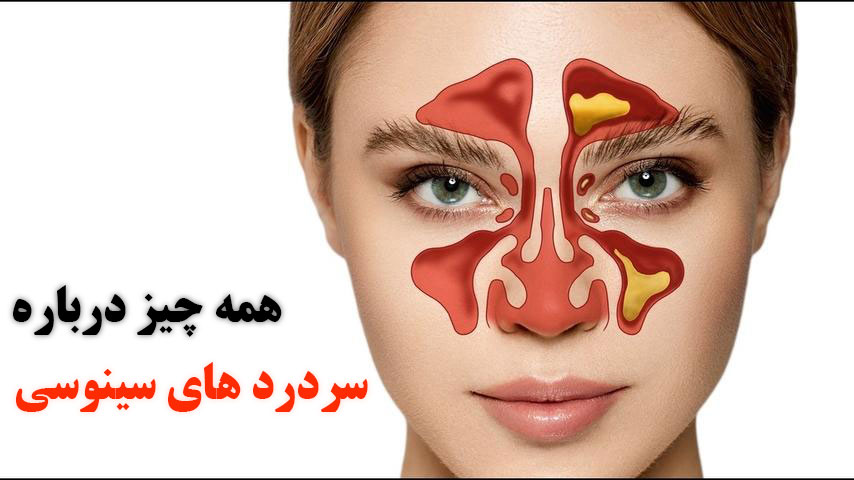
Sinus headaches: why they happen and how to get relief?
July 15, 2025
Author: Dr. Majid Kehanifard
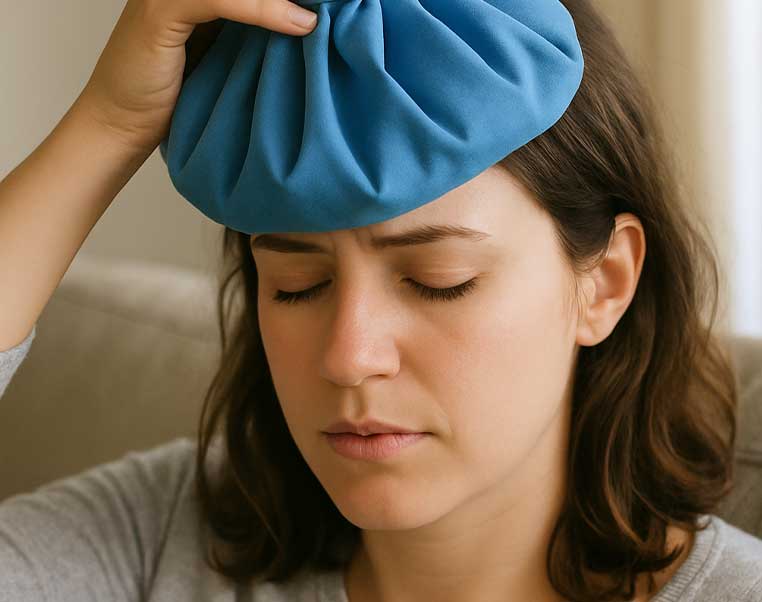
treating headaches with cold compresses- fast headache treatment
July 14, 2025
Author: Dr. Majid Kehanifard
Severe Headache Quick Cure at Home in Less Than 10 Minutes
May 25, 2025

Author: Dr. Majid Kehanifard
side effects of antidepressants
May 14, 2025

Author: Dr. Majid Kehanifard
Symptoms of generalized anxiety disorder in adults
May 11, 2025

Author: Dr. Majid Kehanifard
How can I deal with social anxiety?
May 11, 2025
Author: Dr. Majid Kehanifard
May 11 2025. src="https://drmkeyhanifard.com/wp-content/uploads/2025/03/dr-kehanifard.webp">
Author: Dr. Majid Kehanifard
April 19, 2025. Fred
Plasmapheresis: Treating Autoimmune Diseases to Cancer with Plasmapheresis
April 9, 2025

Author: Dr. Majid Kehanifard
What are the warning signs of neurological diseases?
April 8, 2025
Author: Dr. Majid Kehanifard
Epilepsy Treatment – What is the best treatment for epilepsy patients?
April 7, 2025
Author: Dr. Majid Kehanifard
Drug Library
Find all brain and nerve drugs here