به یاد فرزندان جاویدان این سرزمین

یادشان همواره در قلب این خاک زنده خواهد ماند

How to say goodbye to talking in your sleep forever?
مقاله تخصصی

How to say goodbye to talking in your sleep forever?

3 months ago
583 بازدید
Dr. Hossein Bayat

Dr. Hossein Bayat

Shiraz

PhD in health psychology

Have you ever had a family member or partner start talking in your sleep? Maybe funny sentences, sometimes meaningless or even mysterious! Talking in sleep (Somniloquy), which in psychology is called "noise", is a phenomenon that arouses a lot of curiosity and sometimes seems alarming. Is sleep talking or Somniloquy a symptom of a mental disorder or does it happen naturally to everyone? What factors cause noise and when should we pay more attention to it? This article will be a clear and scientific answer to your questions and concerns. Stay with us in the future to examine the psychological dimensions, causes and solutions of noise management. **What is talking in a dream?** Somniloquy is a type of sleep disorder classified in the category of parasomnias. Without awareness or memory of what he said, the person raises his voice while sleeping and utters words, phrases or even complete conversations. Most of the time, the person talking has no memory or awareness of the content of their nocturnal conversations. Sleep talking usually occurs in the light and middle stages of sleep and can be accompanied by laughing, whispering or even shouting. Hoarseness in itself is not a symptom of a disease or psychological disorder and is more common in children, but adults may also experience it. According to research, about 50% of children experience talking in their sleep at some point in their lives. This phenomenon is often harmless and rarely requires treatment, unless its severity or frequency causes insomnia or concern for those around you. ### **types of talking in sleep** Noise can vary in intensity, clarity and duration: - Nonsensical and unintelligible (e.g. grunting or whispering) - Comprehensible words or sentences - Real or simulated conversations - Exciting or aggressive words It is also possible for a person to speak in a dream in a language that he does not master even when awake. A phenomenon that has not yet been fully explained by science. **What are the 3 main causes of Somniloquy?** Talking in sleep is a phenomenon that remains a mystery for many of us. But in recent years, psychologists and researchers have identified several factors that influence the occurrence of this behavior. Understanding these reasons can help people to face this phenomenon with a more relaxed imagination and take more effective strategies to manage and prevent it. Treatment of insomnia without drugs becomes possible in this case. Research shows that noise usually occurs during the lighter stages of sleep, especially when transitioning from wakefulness to sleep or vice versa. Also, the connection of this phenomenon with other sleep disorders such as nightmares or sleepwalking has also been seen. The good news is that in most cases, sleep talking is safe and temporary and can be minimized by managing stress, improving sleep patterns, and following the principles of sleep hygiene. The main factors of the occurrence of congestion can be classified into three important categories: ### **1\_Psychological factors** Stress, anxiety, experiencing intense emotions and everyday mental pressures can keep the mind active even while sleeping. For this reason, people who spend tense or anxious days are more prone to talking in their sleep. ### **2\_biological and hereditary factors** The role of genetics in some sleep disorders, including insomnia, is well known. If one of your parents has a history of talking in his sleep, the probability of this condition also increases in you. ### **3\_Environmental factors and lifestyle** Lack of sleep, irregular sleep schedule, use of certain medications, use of stimulants such as caffeine or alcohol before sleep, and even the presence of fever or short-term illnesses can be the cause of talking in sleep. **When is talking in your sleep a sign of an underlying disorder?** According to the DSM-5 manual, if noise is accompanied by anxiety disorder or PTSD, Parkinson's or Alzheimer's (in the elderly), and REM behavior disorder (REM Behavior Disorder), it can be a sign of a more serious disorder. In this case, the treatment of stress and anxiety and ptsd can also help to improve hearing. **Is it possible to control and treat Sarasundi?** Although there is no definitive cure for sleep talking, it can be reduced with lifestyle changes: **Improving sleep hygiene (Sleep Hygiene):** 1. Regular and sufficient sleep (7 to 9 hours) 2. Reducing the consumption of caffeine and alcohol 3. Not using electronic devices before going to bed 4. Adjusting the bedroom temperature **Treatment of sleep talking disorder with neurofeedback:** Treating sleep disorders with neurofeedback can also be effective in improving sleep. **Stress and anxiety management:** 1. Practicing deep breathing, meditation, yoga 2. Refer to a psychotherapist if needed **Treatment of accompanying disorders:** Treating other disorders, such as treating nightmares or treating depression without medication, can also reduce sleep talking. **Drug use in special cases:** In some severe cases, the doctor may prescribe sedatives or anti-anxiety drugs. **Summary** Talking in your sleep, although it may seem strange or even alarming at first glance, in most cases it is a natural, transitory and harmless phenomenon that can occur under the influence of various factors such as stress, lack of sleep or lifestyle changes. Knowing about the causes of noise makes us deal with it more calmly and, if needed, use effective solutions to reduce it; including managing daily stress, improving sleep quality and observing sleep hygiene. However, if talking in your sleep becomes a frequent and disturbing behavior, accompanied by problems such as insomnia, abnormal night behaviors or anxiety, it is recommended to consult a specialist psychologist. Dr. Hossein Bayat, a clinical psychologist and a member of the Iranian Psychological Association, with his experience and knowledge, can help you identify the underlying causes of this phenomenon and receive scientific and effective solutions to improve the quality of sleep and mental peace. **Frequently Asked Questions** **1\_Is chaos a sign of mental illness?** In rare cases and accompanied by other symptoms, yes, but in most people it is harmless. **2\_ What factors cause talking in sleep?** Factors such as stress and anxiety, excessive fatigue, lack of sleep, fever, taking certain medications, genetics, and the presence of other sleep disorders (such as sleep walking or REM sleep behavior disorder) can aggravate the occurrence of sleep talking. **3\_Sarasundi treatment is possible?** To some extent yes. It can be reduced by improving sleep quality and reducing stress. **4\_How to reduce talking in sleep?** Compliance with the principles of sleep hygiene, stress management, avoiding caffeine consumption before sleep, creating a calm environment and consulting a specialist in case of severe symptoms can be effective.
اشتراک‌گذاری:

مقالات مرتبط

مقالات دیگر از Dr. Hossein Bayat

166 مقاله
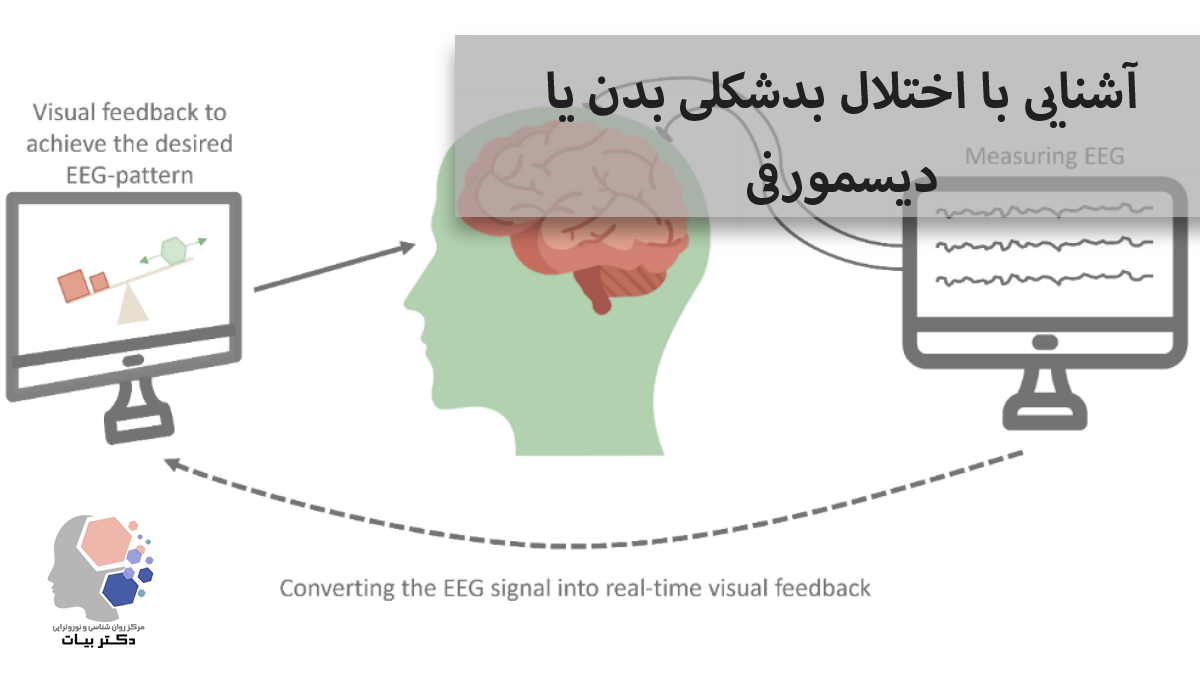
emotion control with neurofeedback; Relaxation and concentration without drugs - Psychology and Neurofeedback Center of Dr. Bayat
مطالعه بیشتر

emotion control with neurofeedback; Relaxation and concentration without drugs - Psychology and Neurofeedback Center of Dr. Bayat

Emotion control with neurofeedback means direct training of the brain to better manage emotions and emotional r...

3 weeks ago بخوانید
What is rumination and how to stop it? - Scientific ways to get rid of negative thoughts - Dr. Bayat Psychology and Neurofeedback Center
مطالعه بیشتر

What is rumination and how to stop it? - Scientific ways to get rid of negative thoughts - Dr. Bayat Psychology and Neurofeedback Center

Have you ever had a negative thought repeat over and over in your mind and no matter what you do, you can't sto...

3 weeks ago بخوانید
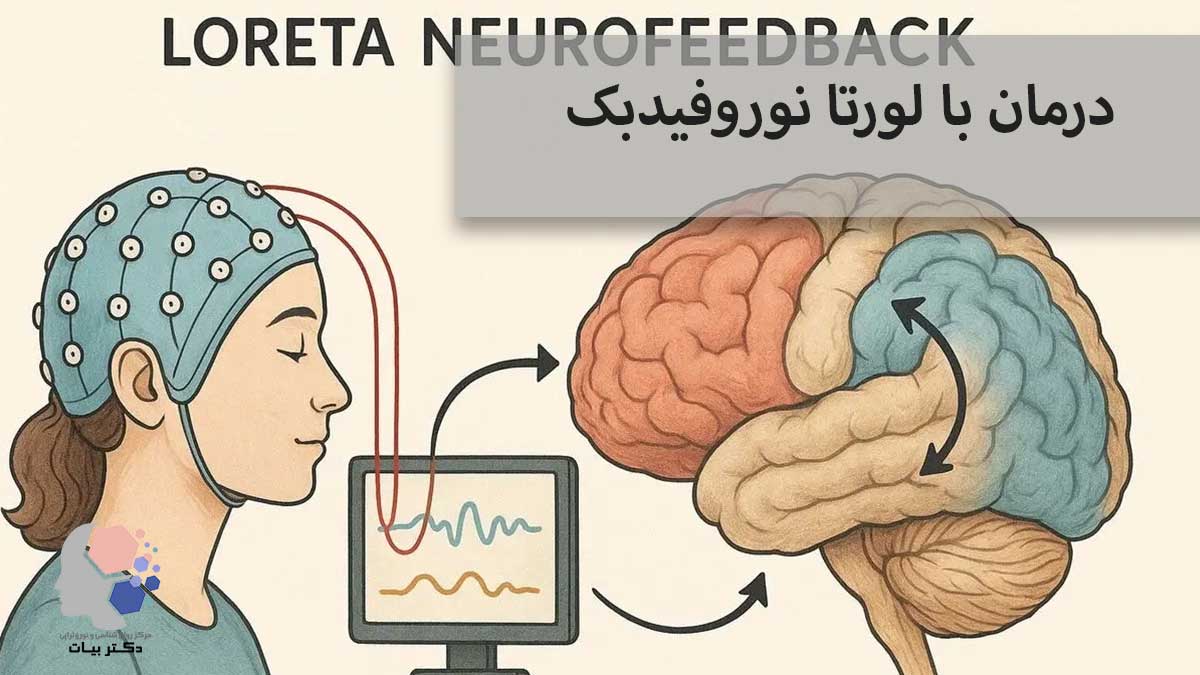
Treatment with Loretta Neurofeedback: a new method for drug-free treatment of mental disorders - Dr. Bayat Psychology and Neurofeedback Center
مطالعه بیشتر

Treatment with Loretta Neurofeedback: a new method for drug-free treatment of mental disorders - Dr. Bayat Psychology and Neurofeedback Center

Have you ever thought about programming your brain like a computer to make it work better? Loretta Neurofeedbac...

3 weeks ago بخوانید
Diagnosis and treatment of non-verbal learning disorder in your child with 6 scientific methods - Dr. Bayat Psychology and Neurofeedback Center
مطالعه بیشتر

Diagnosis and treatment of non-verbal learning disorder in your child with 6 scientific methods - Dr. Bayat Psychology and Neurofeedback Center

When you see signs in your child such as difficulty understanding spatial concepts, poor fine motor skills, or...

3 weeks ago بخوانید
Act psychology (ACT) or treatment based on acceptance and commitment - method, steps and applications - Dr. Bayat Psychology and Neurofeedback Center
مطالعه بیشتر

Act psychology (ACT) or treatment based on acceptance and commitment - method, steps and applications - Dr. Bayat Psychology and Neurofeedback Center

Act psychology or treatment based on acceptance and commitment (Acceptance and Commitment Therapy - ACT) is one...

3 weeks ago بخوانید
The secret of getting rid of anxious attachment with 4 definitive methods - Dr. Bayat Psychology and Neurofeedback Center
مطالعه بیشتر

The secret of getting rid of anxious attachment with 4 definitive methods - Dr. Bayat Psychology and Neurofeedback Center

If you're constantly dealing with abandonment anxiety or a constant need for approval in your relationships, th...

3 weeks ago بخوانید
7 scientific solutions to strengthen self-confidence and achieve success - Dr. Bayat Psychology and Neurofeedback Center
مطالعه بیشتر

7 scientific solutions to strengthen self-confidence and achieve success - Dr. Bayat Psychology and Neurofeedback Center

Self-confidence means believing in one's abilities and competence to face challenges and achieve goals. If you...

3 weeks ago بخوانید
How to cure the error? Psychological guide to return to peace - Dr. Bayat Psychology and Neurofeedback Center
مطالعه بیشتر

How to cure the error? Psychological guide to return to peace - Dr. Bayat Psychology and Neurofeedback Center

Gaslighting is a form of psychological abuse that is characterized by the manipulation of reality and the gradu...

3 weeks ago بخوانید
the cause of nail biting; Psychological analysis of behavior in adults and adolescents - Psychology and Neurofeedback Center of Dr. Bayat
مطالعه بیشتر

the cause of nail biting; Psychological analysis of behavior in adults and adolescents - Psychology and Neurofeedback Center of Dr. Bayat

Nail biting in psychology under onychophagia (Onychophagia) is known and is included in the category of repetit...

3 weeks ago بخوانید
Migraine treatment with neurofeedback; Reducing attacks with a scientific method without drugs - Dr. Bayat Psychology and Neurofeedback Center
مطالعه بیشتر

Migraine treatment with neurofeedback; Reducing attacks with a scientific method without drugs - Dr. Bayat Psychology and Neurofeedback Center

Migraine is one of the most common and debilitating nervous headaches that can disrupt your concentration, work...

3 weeks ago بخوانید
How should parents behave during children's sexual curiosity? Dr. Bayat's Psychology and Neurofeedback Center
مطالعه بیشتر

How should parents behave during children's sexual curiosity? Dr. Bayat's Psychology and Neurofeedback Center

Children's curiosity about their bodies is a completely natural thing, but for many parents it becomes confu...

3 weeks ago بخوانید
What is the effect of economic stress on mental health? Dr. Bayat's Psychology and Neurofeedback Center
مطالعه بیشتر

What is the effect of economic stress on mental health? Dr. Bayat's Psychology and Neurofeedback Center

Economic stress (financial stress) occurs when people worry about paying daily expenses, debts or job security....

3 weeks ago بخوانید
Getting to know Generalized Anxiety Disorder, its symptoms and treatment methods - Dr. Bayat Psychology and Neurofeedback Center
مطالعه بیشتر

Getting to know Generalized Anxiety Disorder, its symptoms and treatment methods - Dr. Bayat Psychology and Neurofeedback Center

If you are constantly worried, nervous, or have insomnia, and your mind never seems to calm down, you may be de...

3 weeks ago بخوانید
5 scientific methods to strengthen mental health and improve quality of life - Dr. Bayat Psychology and Neurofeedback Center
مطالعه بیشتر

5 scientific methods to strengthen mental health and improve quality of life - Dr. Bayat Psychology and Neurofeedback Center

Mental health is one of the main pillars of a happy, efficient and meaningful life. Just as we do exercise and...

3 weeks ago بخوانید
Treatment of hair loss disorder - put aside obsession and stress forever - Dr. Bayat's Neurofeedback and Psychology Center
مطالعه بیشتر

Treatment of hair loss disorder - put aside obsession and stress forever - Dr. Bayat's Neurofeedback and Psychology Center

Hair pulling disorder (trichotillomania) is a severe obsessive disorder that causes a person to pull their hair...

3 weeks ago بخوانید
How to turn anxiety in emotional relationships into peace and true love? Dr. Bayat's Psychology and Neurofeedback Center
مطالعه بیشتر

How to turn anxiety in emotional relationships into peace and true love? Dr. Bayat's Psychology and Neurofeedback Center

Relationship anxiety appears when worry, fear of abandonment or mistrust prevents a safe and intimate experienc...

3 weeks ago بخوانید
What is impulsive hyperactivity? 7 warning signs and scientific solutions to control them - Dr. Bayat Psychology and Neurofeedback Center
مطالعه بیشتر

What is impulsive hyperactivity? 7 warning signs and scientific solutions to control them - Dr. Bayat Psychology and Neurofeedback Center

Is your child constantly on the move, responding before you finish, or unable to wait for their turn? Maybe you...

3 weeks ago بخوانید
Pagedone
Resources
Products
©GCORP LLC 2026, All rights reserved.