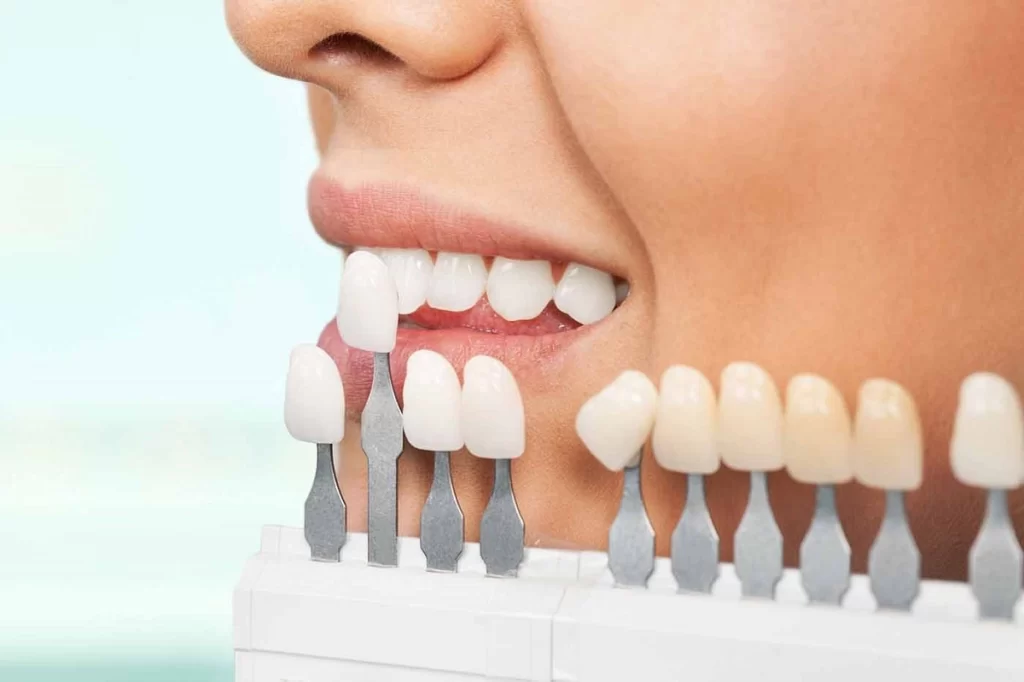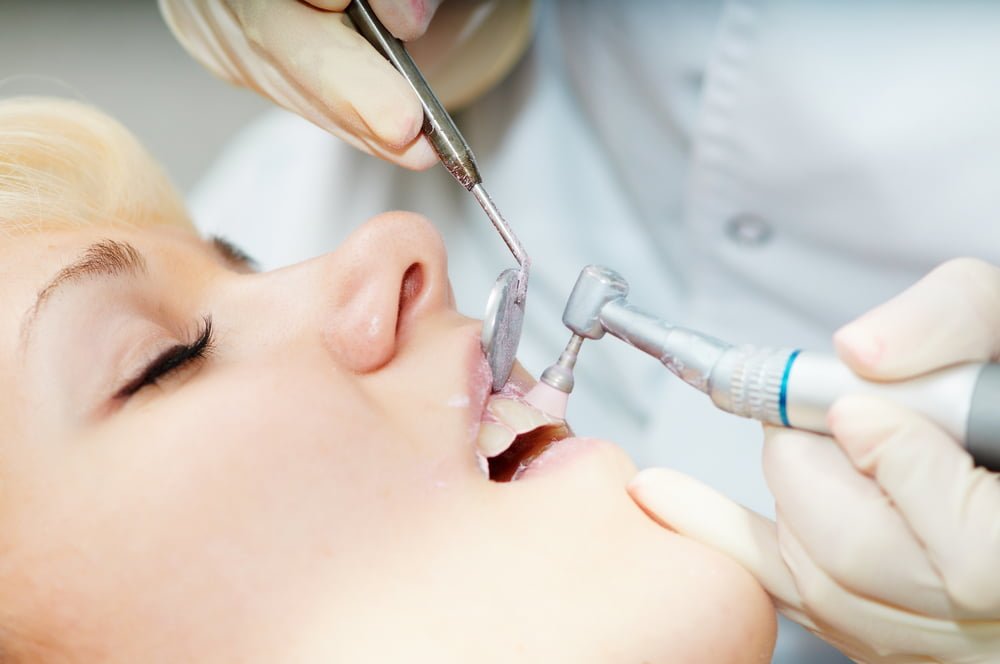
tooth polishing
Tooth polishing is a process that is done to clean teeth from plaques and tartar. Scaling is a common dental procedure to remove hardened plaque called plaque that causes tooth damage and gum disease. Since this procedure may make the teeth uneven, tooth polishing is done to straighten them.
What is tooth polishing?
Tooth polishing is a procedure in dentistry that can be done for therapeutic or cosmetic purposes. Timely use of polish can also prevent the development of caries in tooth enamel. This method includes removing all types of plaque, tartar, bacteria accumulation and whitening your teeth. Many times when you go to the dentist for a simple checkup, the doctor will recommend you to have your teeth polished. Because if you don't take care for a long time, it is possible that your teeth will get plaque and small decay spots.
What are the benefits of teeth polishing?
Tooth polishing is a process that not only polishes the tooth but also removes stains, plaque and microorganisms on the outer surface of the tooth. The most important advantage of this method compared to scaling (deep tooth scaling) is that this treatment method is painless. Using tooth polish brings many benefits for your dental health and beauty. The most important of them are:
- teeth whitening
- Remove Stains
- no pain and bleeding
- remove license plates
- prevention of gum disease
- Destroying bacteria and microorganisms
Types of teeth polishing
It is better to know that there are different types of tooth polishing, which are:
polish therapy
Sometimes, during the dental surgery process, the cementum of the tooth root is left uncovered. Polishing therapy helps to destroy and remove any microflora and endotoxin from the cementum surface.
Beauty Polish / Coronal
This type of polishing removes plaques and surface stains from the teeth. Super soft abrasives are used to polish tooth enamel (the outer layer covering the tooth crown). The enamel surface is polished to the point where it can reflect even visible light.
surface polish
In this technique, the crown of the teeth is polished. However, this technique also has a number of therapeutic benefits, and is primarily performed to improve the appearance of teeth.
Selective polish
Selective polishing is also called external stain removal or selective stain removal. This polishing technique is recommended after the scaling process, and removes any remaining stains.
Does tooth polishing hurt?
The most important difference between tooth polishing and scaling (deep cleaning of teeth) can be considered to be the painlessness of the polishing process, which the patient will experience a good feeling after doing it. Of course, in some cases, due to the large number of plaques on the teeth, polishing alone cannot be effective, but polishing the teeth after scaling makes the teeth look shinier and more beautiful.
The dentist performs polishing work using polishing paste and an automatic tool. If the stains on the patient's teeth are not removed or if they have turned into plaque due to the dentist's correction, they will have to use the air polishing tool, in which water and air are sprayed on the patient's teeth with pressure to remove the contamination.
What are the stages of tooth polishing?
As mentioned, polishing is a method to clean and whiten teeth, which is one of the last steps of a dentist's work on sick teeth. But how is tooth polishing done? Tooth polishing has steps that are explained below each of these steps:
1- Examining the patient and checking the level of tooth enamel decay
The dentist examines the patient's teeth and examines the state of decay and weak points of tooth enamel.
2- Cleaning dental plaques
If plaque has formed on your teeth (plaques are leftover food that accumulates on the teeth due to poor oral hygiene and cause decay), plaque and tartar will be removed from the surface of the patient's teeth.
3- Teeth cleaning
At this stage, the dentist uses a special tool and polishing paste. Air polishing may also be used if needed. The polishing tool sprays water and air on the teeth with gentle pressure, and then an abrasive substance is used to clean the teeth.
Is it possible to polish teeth at home?
There are many DIY recipes and over-the-counter (OTC) teeth whitening kits that claim to get the same result at home that you can get from a dental professional. Some of these home remedies for stained teeth include baking soda or activated charcoal.
How long is tooth polishing?
Generally, the glossiness of teeth after tooth polishing depends on things such as the person's personal hygiene, the type of nutrition and the type of teeth. But some doctors consider it harmful and do not recommend doing this procedure more than 2 times a year.
Tooth polishing is one of the simple dental procedures and does not take much time from the patient. It is usually done before removing the caries or splitting the tooth for denervation on the advice of dentists. The polishing of the dental veneer or even the polishing of the dental laminate is done in one step along with the polishing of other teeth, and it will not take more than an hour.
To book an appointment online Click!!!!