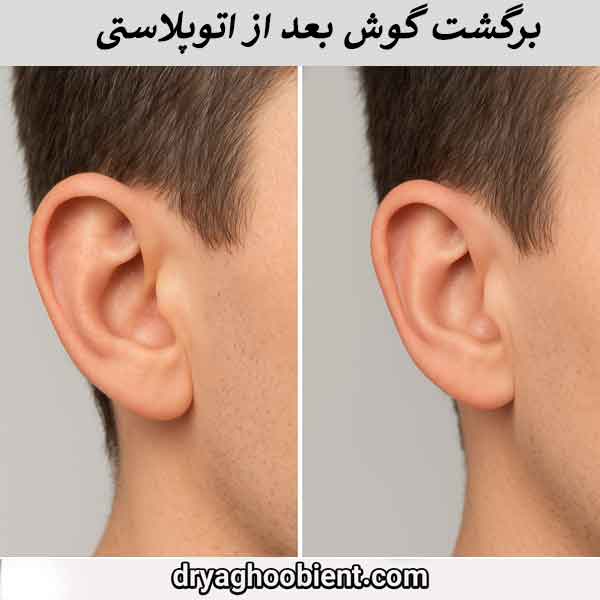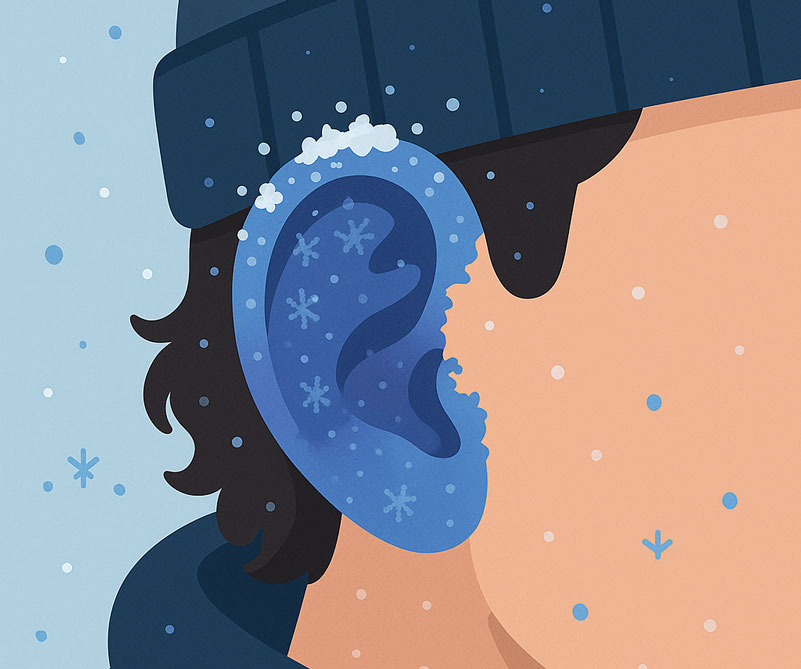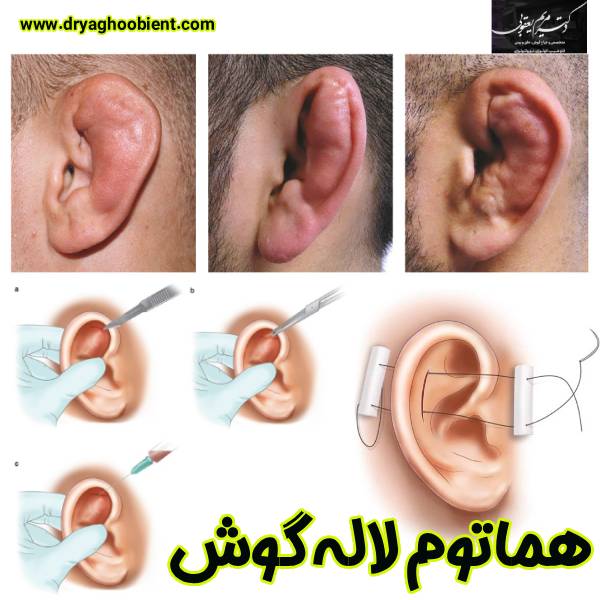

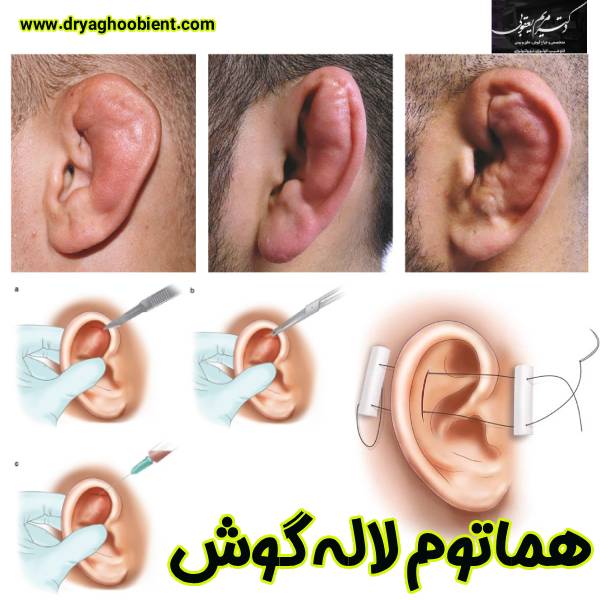
هماتوم لاله گوش که با نام های گوش گل کلمی ، گوش کشتی گیر یا گوش شکسته نیز شناخته می شود ، وضعیتی است که در آن خون بین پوست و غضروف لاله گوش تجمع پیدا می کند. This condition is usually caused by direct impact, constant pressure or frequent friction injuries to the ear. The most common group involved in this complication are the athletes of martial and contact disciplines such as wrestling, boxing, judo and martial arts. Statistically, cauliflower ear affects about 28-50% of martial artists. If not treated in time, this accumulation of blood prevents the normal blood supply to the cartilage and eventually leads to a permanent change in the shape of the ear and creating an appearance known as cauliflower ear, which requires surgery. has ears.
The cause of cauliflower ear formation
After hitting the Ear, the skin of the earlobe is separated from the underlying cartilage. This separation disrupts the normal blood flow of the cartilage, and in the created space, earlobe hematoma or blood pocket is formed. If this condition is not treated, the accumulated blood gradually organizes and causes fibrosis, causing the skin to shrink and permanently change the shape of the earlobe. For this reason, the ear becomes wrinkled, prominent and uneven like a cauliflower. Timely referral to an ear surgeon can reduce complications and provide better and faster treatment.
ear lobe hematoma symptoms
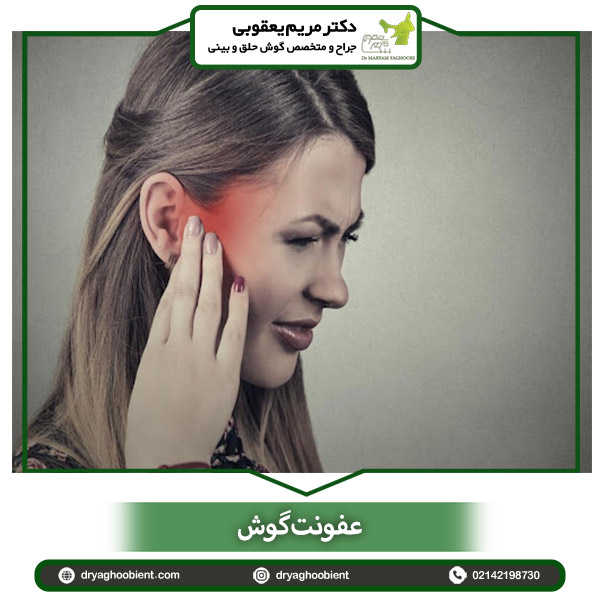
Earlobe hematoma can cause a range of mild to severe symptoms. The severity of the symptoms depends on the extent of the injury, the volume of accumulated blood and the time of treatment. The most common symptoms include changes in the appearance of the ear, pain and swelling. In more advanced cases, there is a possibility of infection or even hearing loss. Common symptoms of cauliflower ear include:
- Change in shape and deformity of the earlobe
- Redness, bruising and swelling of the outer ear
- Pain or sensitivity to touch
- Feeling of fullness or pressure in the ear
- Low Hearing in case of blocked ear canal
If the hematoma becomes infected, symptoms such as purulent discharge, increased pain, intensification of swelling and warmth of the ear skin are observed, which requires immediate medical treatment. These factors are often associated with repeated blows or direct pressure to the ear, and if continued, increase the risk of permanent damage.
The most important risk factors for a broken ear include:
combat and contact sports such as wrestling, boxing, judo and MMA
Repeated blows to one side of the head (fist, shoulder or hitting the ground).
Accidents and severe blows
Perforation of the upper or soft part of the earlobe and the resulting infection
Methods for treating earlobe hematoma
The treatment of earlobe hematoma is not 100% guaranteed, but with timely action, the progression of the complication and permanent deformation can be prevented. The choice of treatment method depends on the size of the hematoma, its duration and the presence or absence of infection.
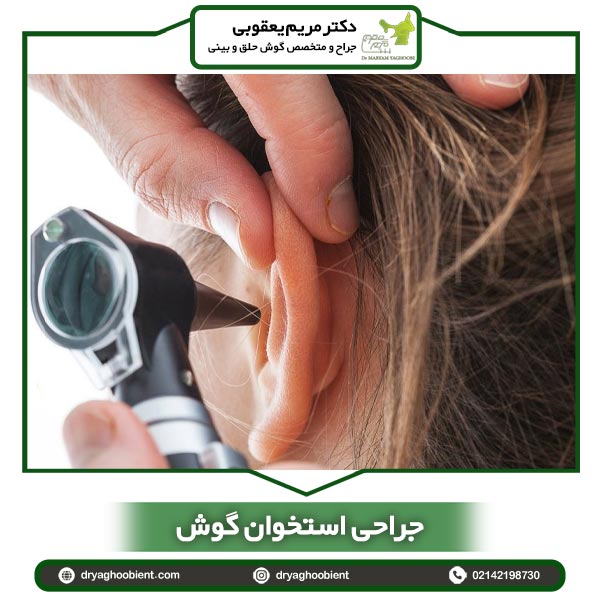
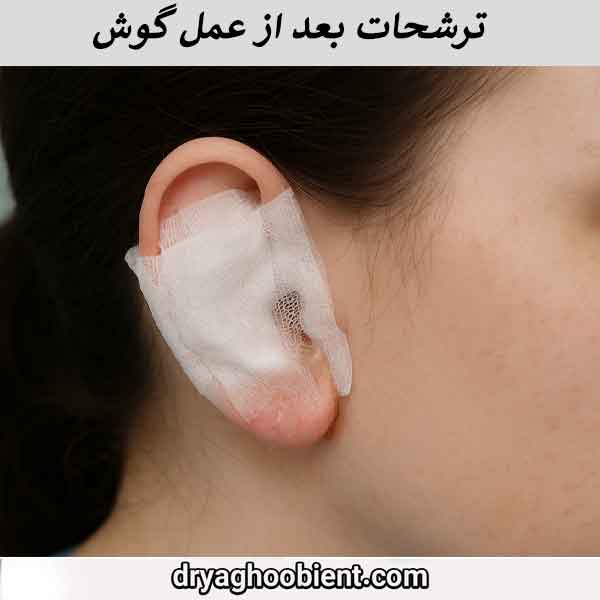
In the early stages, the treatment begins with a careful examination and then draining the accumulated blood. In small hematomas, aspiration with a sterile needle and syringe can be effective. If the size of the hematoma is more than 2 cm or there are certain complications, otoplasty surgery will be necessary.
New developments in the treatment of cauliflower ear
| Theme | Description |
|---|---|
| Injection drugs such as doxycycline or tetracycline to reduce the risk of infection | |
| Evacuation of the hematoma together with the use of a silicone splint reduces the likelihood of recurrence. | |
| Aesthetic results are reported to be about 90% in published studies. |