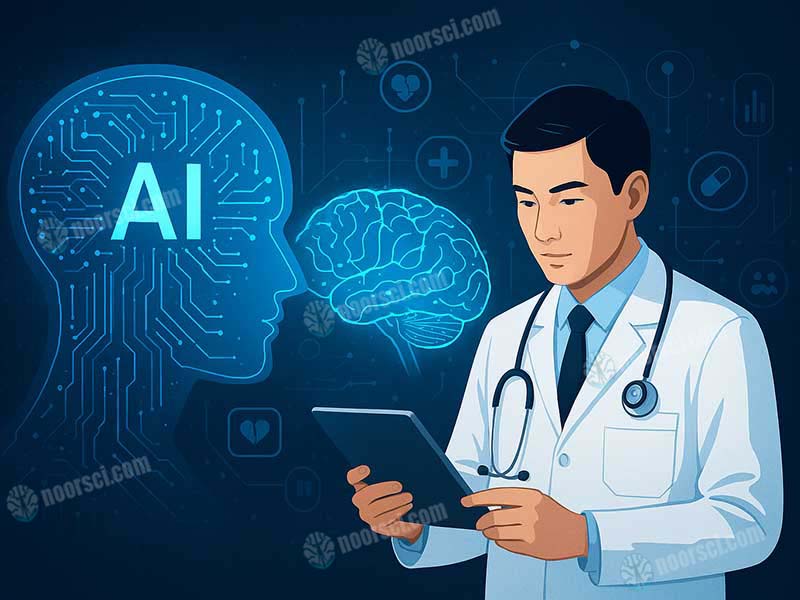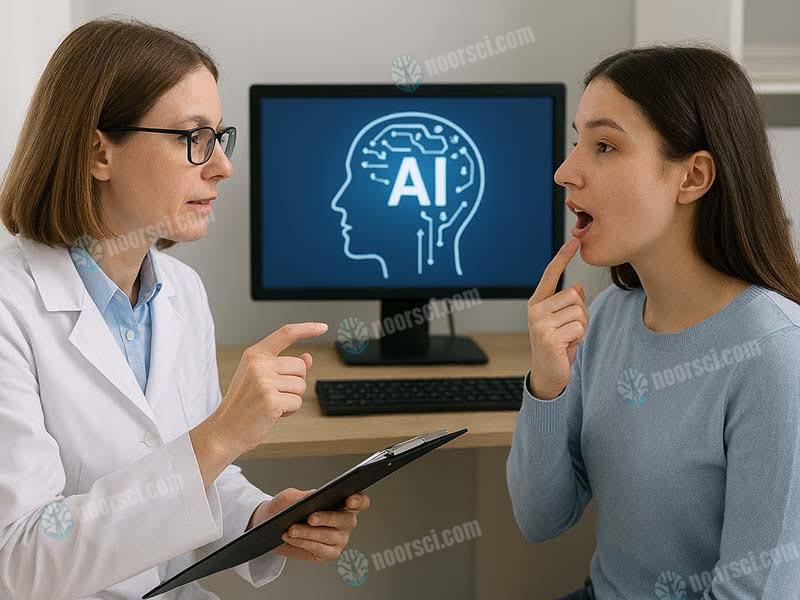

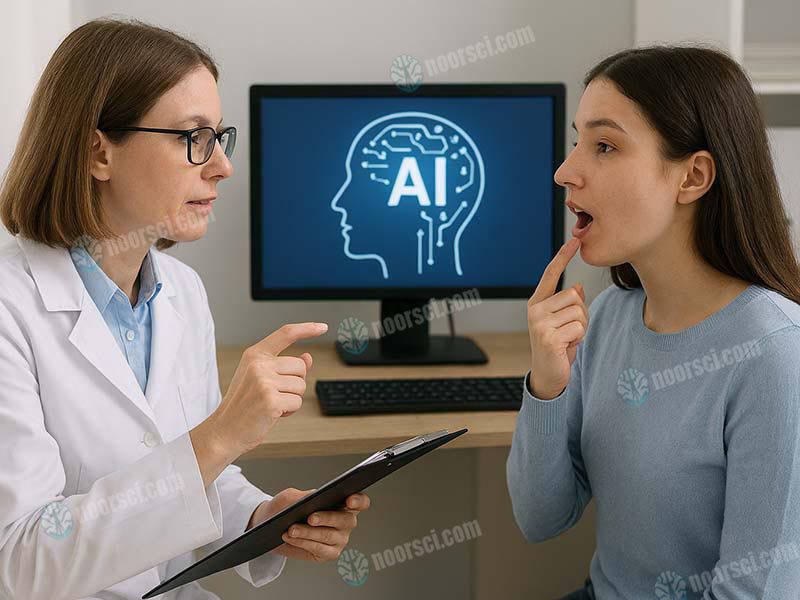
هوش مصنوعی در گفتار درمانی و درمان اختلالات گفتار و زبان و بلع به عنوان فناوری تحولآفرین، توانسته است حوزههای مختلف گفتاردرمانی را دگرگون کند.همچنین هوش مصنوعی در ارزیابی و درمان اختلالات گفتار، زبان و بلع توانسته است با شبیهسازی رفتار و حالات انسان ها و بدون نیاز به دخالت انسانی، ابزارهای نوینی را برای تشخیص، درمان و توانبخشی اختلالات گفتار، زبان و بلع فراهم کند.
کاربردهای هوش مصنوعی در گفتاردرمانی چیست؟
- تشخیص دقیق اختلالات گفتار و زبان: الگوریتمهای یادگیری ماشین میتوانند الگوهای گفتاری بیماران را تحلیل کرده و اختلالاتی مانند آپراکسی، دیزآرتری، اختلالات رشدی زبان و شکاف کام را شناسایی کنند.
- برنامهریزی درمان شخصیسازیشده: با در نظر گرفتن عوامل ژنتیکی، رفتاری، فرهنگی و اقتصادی، هوش مصنوعی امکان طراحی برنامه درمانی متناسب با نیازهای هر فرد را فراهم کرده است.
- توانبخشی از راه دور: ابزارهایی مانند اپلیکیشنهای موبایل و تبدیل گفتار به متن، امکان ارزیابی و تمرین گفتاری را در محیطهای غیرکلینیکی فراهم میسازد.
مزایا و معایب و چالش های هوش مصنوعی برای آسیب شناسان گفتار و زبان و بلع یا گفتار درمانی چیست
مزایای هوش مصنوعی برای آسیبشناسان گفتار و زبان
- افزایش بهرهوری بالینی: فناوری هوش مصنوعی درزمینه گزارشنویسی و مستندسازی، زمان بیشتری را برای تعامل مستقیم با مراجعان فراهم میکند.
- دقت بیشتر در ارزیابیها: استفاده از ابزارهای عینی مبتنی بر هوش مصنوعی، خطای انسانی را کاهش داده و نتایج درمانی را بهبود میبخشد.
- پشتیبانی از تصمیمگیری بالینی: پلتفرمهایی مانند ChatGPT به آسیبشناسان کمک میکند تا در تشخیص و طراحی درمان، گزینههای متنوعتری را بررسی کنند.
چالشها و نگرش متخصصان گفتاردرمانی در زمینه هوش مصنوعی چیست؟
چالشهایی مانند کمبود شواهد بالینی کافی، مسائل اخلاقی و نیاز به آموزش تخصصی، ازجمله مواردی است که متخصصان گفتاردرمانی را درمورد استفاده از هوش مصنوعی نگران کرده است. According to surveys:
- 50% of specialists use artificial intelligence in diagnosis and treatment planning.
- 25% consider it useful in rehabilitation.
- Only 14.8% believe that artificial intelligence can replace human specialists.
However, the dominant belief of speech therapists is that artificial intelligence It can create a positive revolution in the field of speech therapy without threatening job opportunities.
The use of artificial intelligence in the treatment of swallowing disorders (dysphagia)
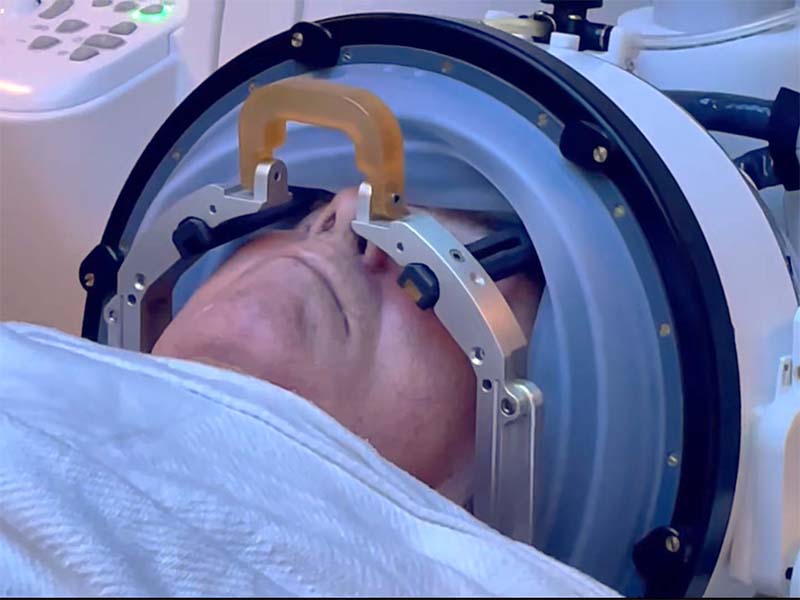
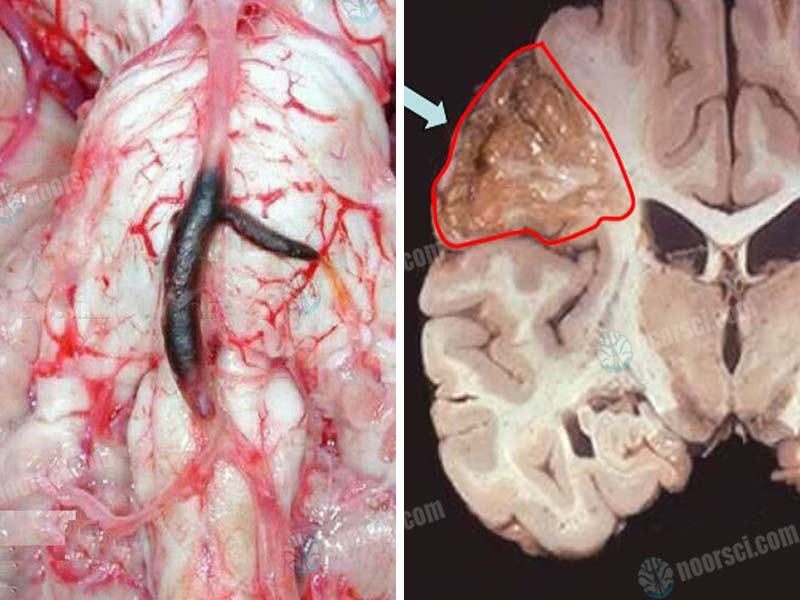
One of the prominent uses of this technology is to help treat swallowing disorders or dysphagia; A problem that usually occurs after a stroke or neurological diseases and seriously affects the quality of life of patients.
Today, artificial intelligence-based tools have enabled faster diagnosis and the design of more effective treatment plans by accurately analyzing medical data and providing personalized solutions.
This new approach not only improves the treatment process. It helps, but it also brings new hope for improving the health and well-being of patients. To read more about this topic, refer to the article difficulty swallowing food and swallowing disorder.
The role of artificial intelligence in the diagnosis and management of voice disorders
Artificial Intelligence has played an important role in diagnosing voice disorders in recent years. One of the most prominent applications of this technology is its ability to distinguish between dysphonic and non-dysphonic sounds.
Scientific studies have shown that artificial intelligence algorithms can distinguish healthy sounds from pathological sounds with very high accuracy. This has made it possible for speech therapists and patients to use smart tools to evaluate their voice condition.
In one of the new researches, a system has been designed that can fully detect voice disorders on a mobile phone. In addition to high accuracy, this technology provides easy access for patients and is known as an auxiliary tool in the process of treating voice disorders.
For more reading, refer to the article Voice disorders and larynx problems.
The role of artificial intelligence in evaluating and Treatment of acquired language disorders (aphasia and dementia)
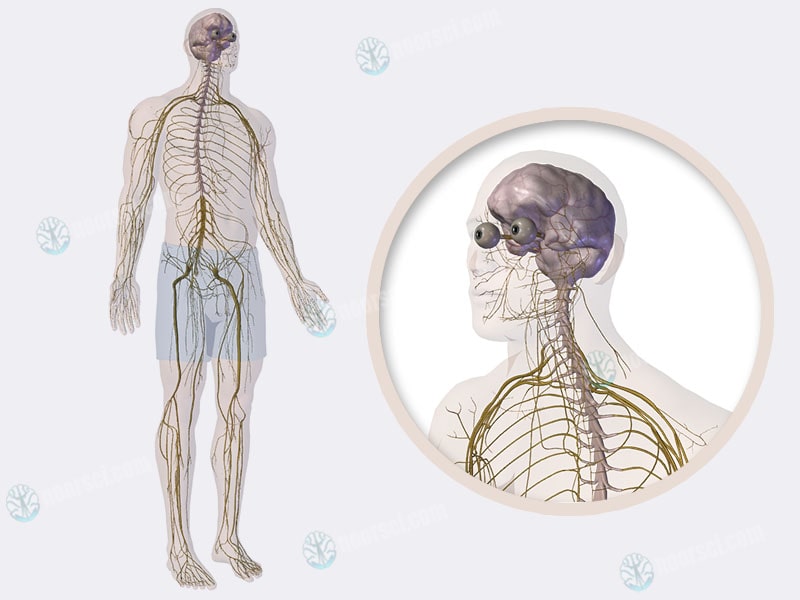
Artificial Intelligence has also made a significant change in the treatment of acquired language disorders such as aphasia and dementia or dementia. These disorders are usually caused by neurological damage such as stroke or brain damage or diseases that cause brain degeneration and severely affect the language abilities of patients.
To read more, see the article Acquired language disorders.
The role of artificial intelligence in treatment Speech motor disorders and speech sound disorders
Artificial intelligence has been able to make a significant change in the treatment of speech motor disorders such as dysarthria and apraxia of speech, as well as speech sound disorders and pronunciation of letters. This technology has made evaluation and rehabilitation processes easier and more effective for speech and language pathologists.
For more reading, refer to the article Apraxia of speech.
The role of artificial intelligence in diagnosing hypernasal speech in patients with cleft palate
Artificial intelligence as a new tool in speech therapy plays an important role in accurately diagnosing speech disorders related to cleft palate, especially hypernasal speech. In recent studies, artificial intelligence algorithms have been able to identify hypernasal speech at high speed and without human intervention, the results of which have been in high agreement with the evaluations of speech and language specialists. In the assessment and treatment of developmental language disorder (DLD)
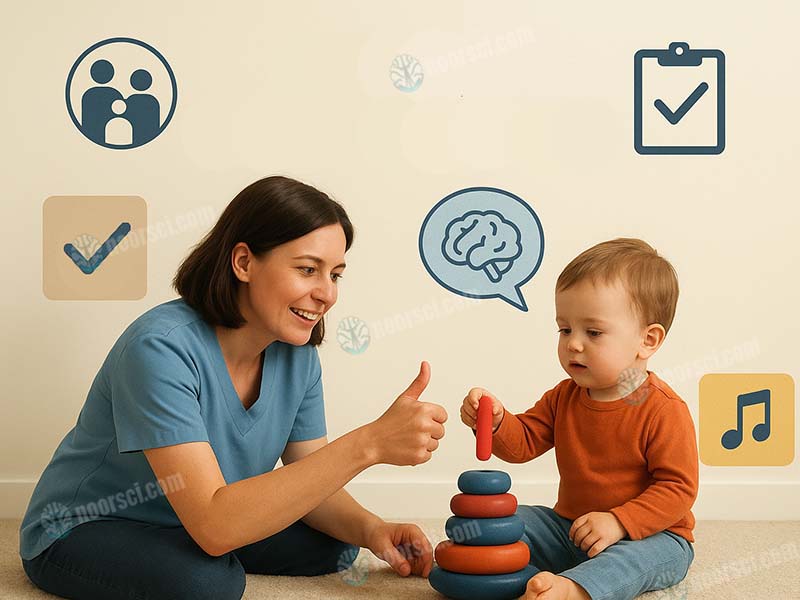
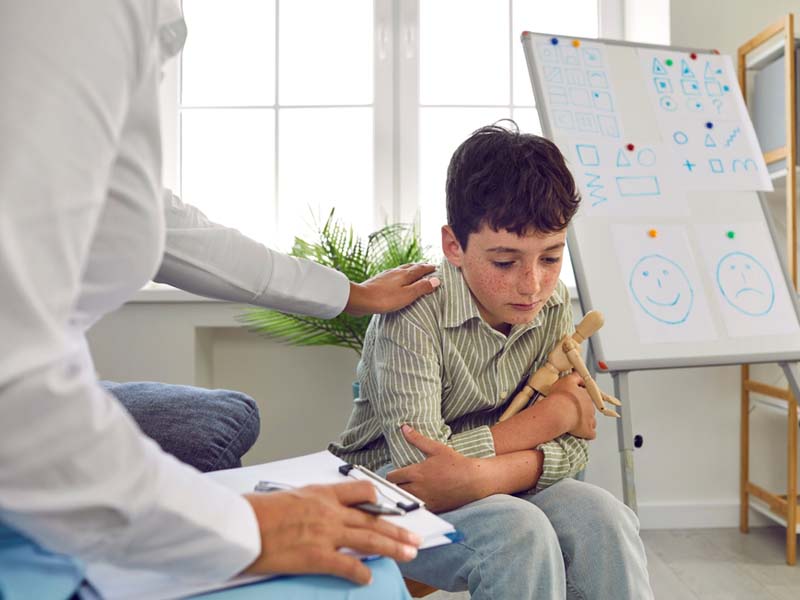
Language disorder (DLD) is one of the most common language disorders in children that affects speech, language comprehension and social interaction. Today, artificial intelligence plays an important role as a powerful tool in the diagnosis and rehabilitation of this disorder. To read more in this field, refer to the article Developmental language disorders or language disorders during development.
Challenges, disadvantages and limitations of artificial intelligence in speech pathology and Language
Artificial intelligence has been revolutionary in speech and language pathology, but it faces technical, ethical and implementation challenges that must be addressed for sustainable development.
The most important disadvantages of artificial intelligence in speech therapy are:
- Lack of standard data: The lack of comprehensive databases limits the development of accurate tools.
- Inability to keep pace with technology: Many professionals have difficulty updating their skills with new technologies.
- Time constraints in therapeutic settings: Training and implementation of smart tools is time-consuming.
- Resistance to innovation: Some professionals find it difficult to adopt new technologies due to anxiety or lack of familiarity. They know.
- Security concerns: Processing sensitive data of patients creates challenges in maintaining privacy.
- Ethical and legal issues: including intellectual property, responsibility for treatment decisions and the effect on the job security of professionals are ethical and legal issues. justify;">
- Transparency of algorithm performance
- Maintaining the confidentiality of patient information
- Not completely replacing humans with machines
- Ensuring justice in access to technology
Conclusion: The future of artificial intelligence in speech and language pathology
The future of artificial intelligence in speech therapy is predicted to be It becomes a key tool in the evolution of speech therapy and plays an important role in evaluating, designing treatment, monitoring progress and preparing specialized reports.
The key advantages of artificial intelligence in speech therapy are:
- accurate and rapid evaluation of speech disorders
- designing personalized treatments based on answers Patient
- Continuous monitoring of the treatment process with digital tools
- Automatic generation of specialized reports to reduce the workload of professionals
Finally, it should be acknowledged that despite the advances, limitations such as lack of clinical evidence, ethical issues, and implementation challenges remain. Therefore, the use of artificial intelligence should be done with a cautious, transparent and ethical approach.