Premature menopause occurs when the function of the ovaries decreases before the normal age and the menstrual cycle is disturbed. This can cause symptoms such as hot flashes, sleep disturbances, decreased libido, and mood changes. Many women are looking for natural and home remedies to reduce symptoms and improve their quality of life. Although premature menopause home treatment cannot permanently activate the ovaries, it can help reduce symptoms and prevent problems from progressing. Lifestyle changes, proper nutrition and natural methods can play an important supporting role. However, in severe cases, it is necessary to see a doctor. In this article from your doctor, we will go into more detail about home remedies.
Can you treat premature menopause with home remedies?
Home remedies cannot premature menopause treatment but they can reduce symptoms. Lifestyle changes such as proper nutrition, exercise, and stress management can help reduce symptoms.
Some herbs and natural supplements can also reduce the severity of symptoms. These methods have a supporting role and are not a substitute for medical treatment. Therefore, they should be considered as part of a comprehensive program. In case of exacerbation of symptoms, medical treatment is necessary.
Some teas such as sage, fennel and valerian can reduce symptoms and have a calming effect.
Various ways to treat premature menopause at home
Home remedies are mostly used to manage early menopause symptoms and cannot completely restore ovarian function, but are effective in improving quality of life. These methods include healthy eating, regular physical activity, stress reduction and adequate sleep. Using herbal teas and some natural supplements can also reduce the severity of symptoms. Combining these measures together usually produces the best results.
are not a definitive treatment for premature menopause and are not a substitute for medical treatment They don't.
In this table, methods of treating premature menopause at home are reviewed.
1. Proper nutrition to manage early menopause at home
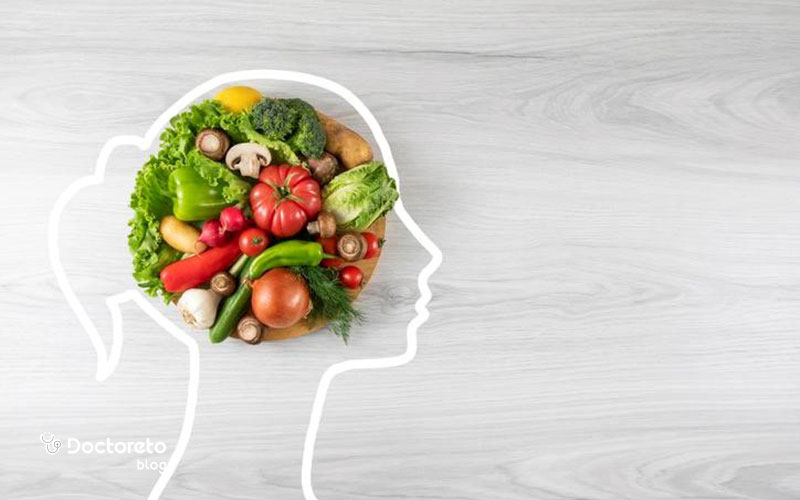
That What to eat to prevent menopause and following a healthy diet can play an important role in reducing early menopause symptoms. Eating foods rich in phytoestrogens such as soybeans, flax seeds and chickpeas can help balance hormones. Fresh fruits and vegetables contribute to the general health of the eggs due to their antioxidants.
Adequate protein from chicken, fish and legumes is essential for energy and muscle health. Reducing consumption of processed foods and simple sugars also reduces body inflammation. Drinking enough water and reducing caffeine consumption is also recommended.
English text: Flaxseed are a naturally rich source of lignans. These plant compounds have chemical structures and function similar to those of the hormone estrogen. Farsi translation: Flaxseed is a natural source rich in lignans. These plant compounds have a structure and function similar to the hormone estrogen.
2. Physical activity and exercise for premature menopause
Regular exercise helps improve blood flow in the body and reduce inflammation. Activities such as walking, light aerobic exercise and yoga help regulate mood and reduce hot flashes.
Strength exercises are also very necessary to maintain bone health. Doing 30 minutes of daily physical activity helps the body cope better with hormonal changes. Exercise also helps improve sleep and reduce stress. The combination of aerobic and strength exercise has the best effect.
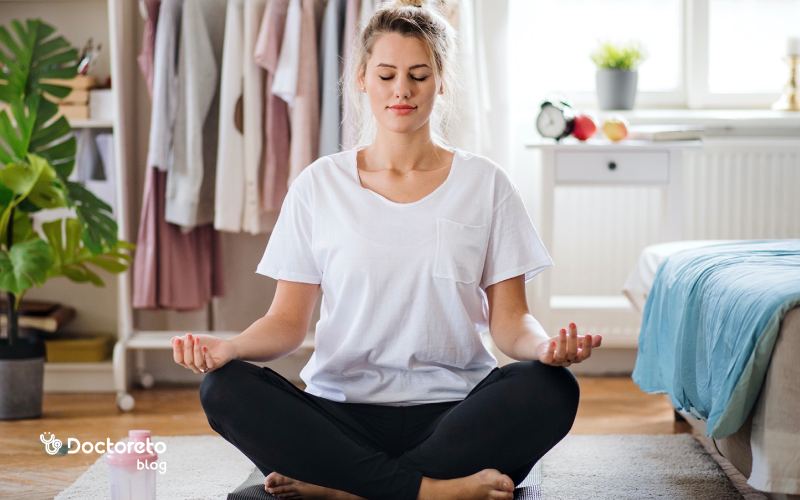
3. Stress management with meditation, yoga and deep breathing
High stress can disturb the hormonal function of the body and aggravate the symptoms of early menopause. Meditation helps to reduce anxiety and improve mental peace. Yoga reduces muscle tension by combining stretching and controlled breathing.
Exercising deep breathing can calm the heartbeat and balance the nervous system. Doing 10 to 15 minutes of relaxation exercises every day has a significant effect. Reducing stress plays an essential role in controlling symptoms.
4. Adequate sleep and stress management
Adequate sleep is one of the most important parts of managing premature menopause. Lack of sleep can increase stress and fatigue hormones and worsen the overall condition of the body. Having a regular sleep schedule and reducing caffeine consumption before bed is essential.
The sleeping environment should be calm, dark and cool to increase the quality of rest. Establishing a nightly routine such as reading or listening to relaxing music can be effective. Adequate sleep reduces body stress and strengthens hormonal balance.
English text: Skip caffeine and alcohol, which can make it harder to sleep. Exercise during the day, but not right before bedtime. If hot flashes disturb your sleep, find a way to help manage them so you can get better rest. Exercise during the day, but don't do it right before bedtime. If hot flashes are disrupting your sleep, find a way to control them so you can get better rest.
Activities such as walking, light aerobics and yoga help regulate mood and reduce hot flashes.
5. Use of useful herbal teas
Infusions such as sage, fennel, valerian, and fennel can help improve symptoms. These plants have calming and hormonal regulating properties. Regular consumption of herbal tea to prevent early menopause along with a healthy lifestyle will produce better results. It should be noted that the use of medicinal plants is not a substitute for medical treatment. People with underlying diseases should consult a doctor before use.
6. The role of natural supplements in reducing premature menopause symptoms
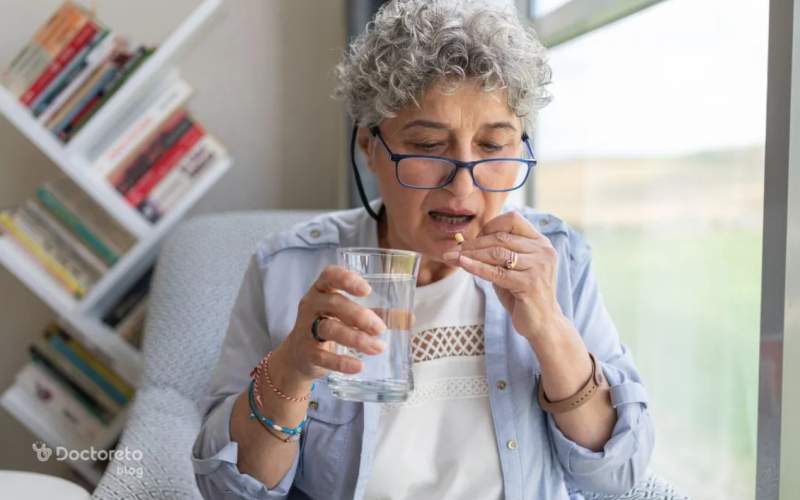
Supplements such as vitamin D, calcium and omega 3 help with ovarian and bone health. Taking magnesium can improve sleep and reduce neurological symptoms.
Phytoestrogen supplements are also sometimes used for hormonal balance. These supplements can reduce the symptoms of hot flashes and mood swings. Regular but controlled use of supplements and vitamins to prevent menopause is recommended. It is necessary to consult a doctor to avoid drug interactions.
When should we visit a doctor despite home treatment?
If the symptoms of premature menopause become more severe and disrupt the quality of life, it is necessary to see a doctor. Complete cessation of periods before the age of 40 requires a specialist examination.
If you experience severe flushing, osteoporosis, persistent pain, or severe mood changes, a medical evaluation should be done. Also, if home remedies do not provide any improvement, further investigation is needed. A doctor can offer hormone tests and specialized treatments. Delay in referral may cause long-term damage.
Conclusion
Premature menopause treatment at home can play an important role in reducing symptoms, but it is not a substitute for medical treatment. A combination of healthy eating, exercise, stress management and adequate sleep can help the body cope better with this change. The use of medicinal plants and supplements can be useful along with a healthy lifestyle. However, a medical evaluation is necessary to diagnose the underlying cause. The best results are obtained when home and professional methods are used together. Proper care can significantly improve the quality of life.
Your doctor takes care of your health!
Frequently Asked Questions
Yes, some teas like sage, fennel, and hyacinth They can reduce symptoms and have a calming effect. But their effect is limited and does not replace medical treatment. People with underlying diseases should consult a doctor before use.
These methods may improve the menstrual cycle in some people, but they are not guaranteed. If premature menopause is certain, it is not possible to return ovulation with home methods.
I have started my activity in the field of content production and management since 1995 and I am always eager to face new job opportunities. Getting to know a different world in different fields such as medicine and health also encourages me to follow a healthy lifestyle. That's why I started working with your doctor.