Table of contents
- Does Loretta Neurofeedback help in the treatment of obsessive compulsive disorder?
- The mechanism of Loretta Neurofeedback effect in treatment OCD
- The advantages of Loretta Neurofeedback in the treatment of obsessive compulsive disorder
- The stages of treating obsessive compulsive disorder with Loretta Neurofeedback
- Comparison of Loretta Neurofeedback with standard neurofeedback in the treatment of obsessive compulsive disorder Intellectual
- Limitations of Loretta Neurofeedback in the treatment of OCD
- Conclusion
Obsessive compulsive disorder (OCD) with obsessive thoughts and compulsive behaviors makes life a daily challenge and robs a person of a sense of control. But the good news is that research shows that Loretta Neurofeedback, an advanced non-invasive method based on neuroscience, can examine brain patterns and reduce OCD symptoms. If you are curious to know how this technology trains the brain and whether obsessional treatment with Loretta Neurofeedback is possible, stay with us until the end of this article from your doctor.
Does Loretta Neurofeedback help treat OCD?
Loreta Neurofeedback (LORETA Neurofeedback) is an advanced and non-invasive method based on electroencephalography (EEG) that examines brain activity in three dimensions using low-resolution electromagnetic tomography. Scientific studies show that this method can be used to improve the symptoms of obsessive-compulsive disorder (OCD) because it examines the dysfunctional brain wave patterns associated with obsessive thoughts and compulsive behaviors and helps the brain to correct them. However, long-term effectiveness needs more research and results vary from person to person.
Mechanism of the effect of Loretta Neurofeedback in the treatment of OCD
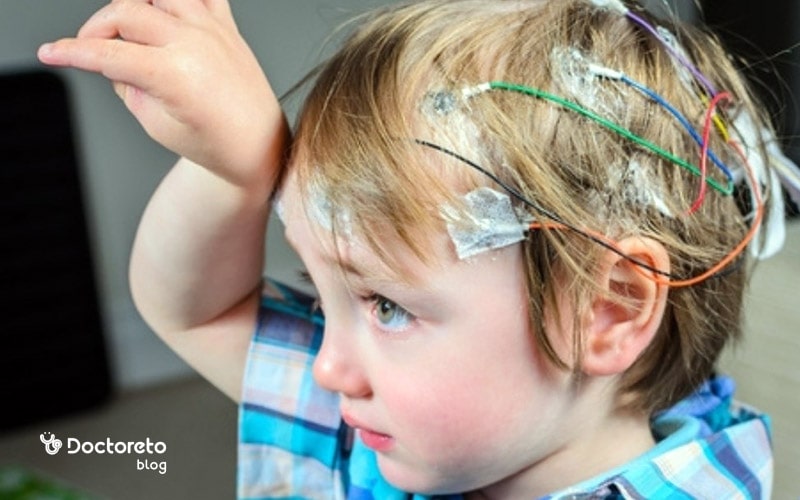
Loretta Neurofeedback first evaluates a person's brain wave patterns, because brain activity is different in these people. Then, by using a detailed treatment protocol and training the person to optimally regulate brain function, it helps him to restore his brain wave patterns to a more natural form, and as a result, the intensity and frequency of OCD symptoms decrease.
With the passage of time and continued treatment, the brain gradually strengthens and improves its connections and neural pathways, and these changes reduce obsessions and compulsive behaviors.
English text:
Loreta Neurofeedback has gained significant popularity among patients seeking effective, non-invasive treatments for various neurological and psychological conditions.
Persian translation:
Loreta Neurofeedback has gained significant popularity among patients seeking effective, non-invasive treatments for various neurological and psychological problems. href="https://cyberneuro.org/what-is-loreta-neurofeedback/" target="_blank" rel="noreferrer noopener">cyberneuro-org
The advantages of Loretta Neurofeedback in the treatment of obsessive thoughts
Loretta Neurofeedback has shown promising results in the improvement of patients suffering from obsessive compulsive disorder in recent years. In the following, we have mentioned some of the most important advantages of this new and beneficial treatment method:
- Loretta Neurofeedback offers a non-invasive method of practical OCD treatment.
- Loretta Neurofeedback provides the possibility of designing a personalized treatment plan based on the neural network and symptoms of each patient.
- It allows the person to have an active role in his treatment process.
- Treatment with Loretta Neurofeedback can create neuroplasticity changes in the brain that reduce symptoms.
Obsession treatment stages with Loretta Neurofeedback
Obsession Treatment with Loretta Neurofeedback is a way to restore functional balance and modify brain patterns that help improve symptoms and improve patients' quality of life. Doctors usually perform this treatment in several stages to achieve the best result:
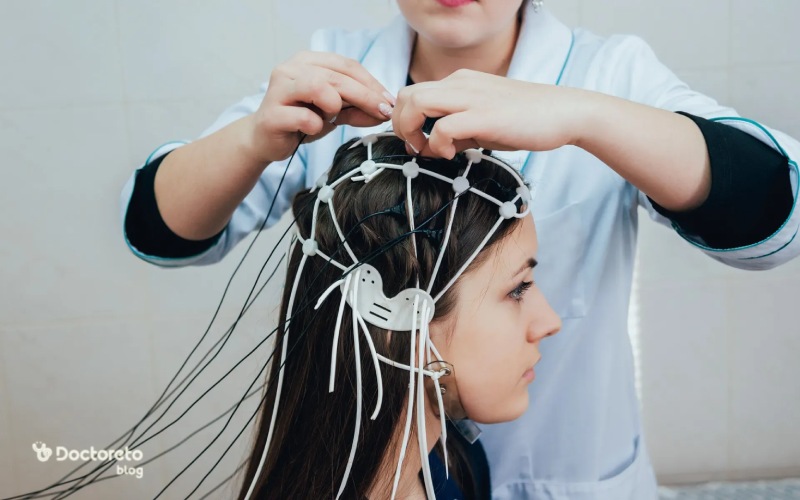
- Evaluation of the patient's brain condition during which the patient's brain activity is checked using specialized devices to identify abnormal patterns that contribute to the occurrence of OCD.
- The next step is to plan and arrange treatment sessions, during which the doctor formulates a specific plan for the patient and determines the type and methods of correcting brain patterns. Also, the number and duration of neurofeedback sessions are determined in this meeting. Then these sessions are carried out regularly so that the patient gradually corrects his brain patterns.
- The next step is to follow up and evaluate the progress of the treatment. During the treatment, the doctor continuously checks the brain maps and the changes in the symptoms to determine the progress and, if necessary, make the necessary changes in the treatment method.
Comparison of Loretta neurofeedback with standard neurofeedback in the treatment of obsessive compulsive disorder
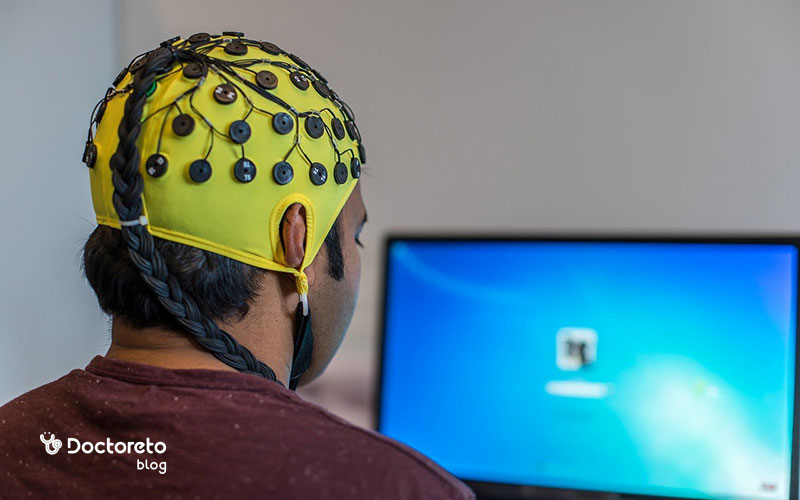
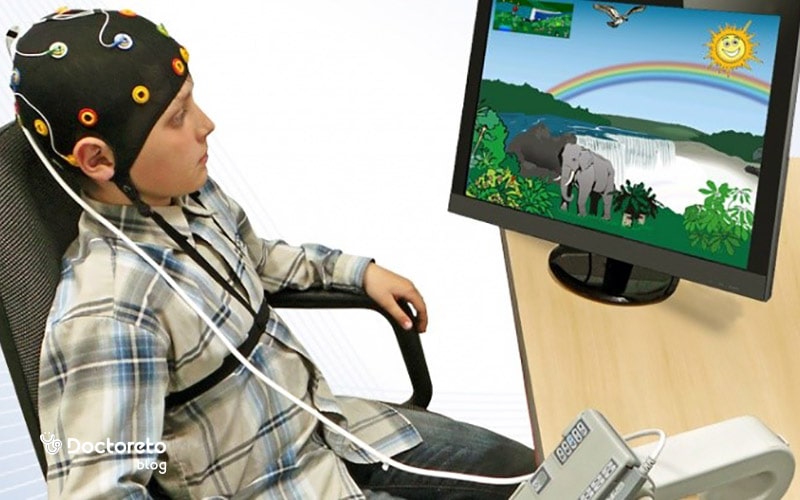
Neurofeedback The standard is mainly based on surface EEG and measures the electrical activity of the brain through electrodes placed on the scalp, which focus more on surface areas. Using three-dimensional analysis (tomography) and a multi-channel EEG cap, Loretta Neurofeedback targets brain structures such as cortical areas that play an important role in OCD.
| Characteristics | Standard neurofeedback | Loretta neurofeedback |
|---|---|---|
| Measurement method | Surface EEG, focusing on external areas of the brain | 3D analysis (tomography), targeting cortical activity with limited precision (Targeting subcortical areas without much uncertainty) |
| Number of channels | Multi-electrode | Multi-channel (typically 19 electrodes), with a full cap for greater precision |
| Application in OCD | Helpful role in reducing symptoms such as anxiety | More detailed examination of patterns Obsession |
| Advantages | Cheaper, easier, non-invasive | Possibility of better treatment in combination with CBT treatment method |
| Limitations | Limited to brain level, variable results | More complex, need advanced equipment, fewer studies |
English text:
quoted from neurobehavior
In classical neurofeedback one uses two or three sensors to measure and train those brain areas just below the skull. However LORETA neurofeedback uses 19 different sensors.
Persian translation:
In standard neurofeedback, usually two or three sensors are used to measure and train brain areas that are located just under the skull. But Loretta Neurofeedback uses 19 different sensors.
Limitations of Loretta Neurofeedback in the treatment of obsessive compulsive disorder
Despite the many benefits of treating OCD with Loretta Neurofeedback. If you have a history of diseases such as epilepsy, convulsions or serious neurological diseases, the doctor may not find it appropriate to use this method. , this treatment may also have some limitations, the most important of which we discussed below:
- High cost
- Lack of trained professionals
- Its absence in some geographical areas
- Requires time commitment
Conclusion
Loretta Neurofeedback, as a scientific and advanced approach, shows a high potential in reducing OCD symptoms with a three-dimensional examination of brain activity and can complement traditional treatments such as medication and psychotherapy. Research showed that this non-invasive method creates changes in brain wave patterns and can improve the quality of life of patients. Of course, obsessional treatment with Loretta Neurofeedback requires participation in regular therapy sessions and professional supervision by a trained specialist, and for the treatment of OCD, Loretta Neurofeedback currently has an auxiliary or research role. Be sure to consult an experienced neurologist or neurotherapist before starting the treatment.
Your doctor takes care of your health!