بارداری یکی از شیرینترین دورههای زندگی هر زن است، اما در کنار تمام لذتها و هیجاناتش میتواند با چالشهایی هم همراه شود. یکی از این چالشها وجود فیبروم رحم است. فیبرومها تودههای غیرسرطانی هستند که در دیواره رحم رشد میکنند و در بسیاری از زنان دیده میشوند. حضور آنها همیشه مشکلساز نیست، اما وقتی فیبروم رحم در بارداری اتفاق بیفتد، ممکن است پرسشها و نگرانیهایی به وجود بیاورد. بسیاری از مادران باردار نمیدانند آیا فیبروم برای خودشان یا جنین خطری دارد یا خیر. A better understanding of this issue can create more peace and make the path of pregnancy safer.
If you experience symptoms such as abdominal pain, abnormal bleeding, pelvic pressure or urinary problems during pregnancy, you should immediately consult a gynecologist, Dr. Mahshid Karimi,

What is uterine fibroids in pregnancy?
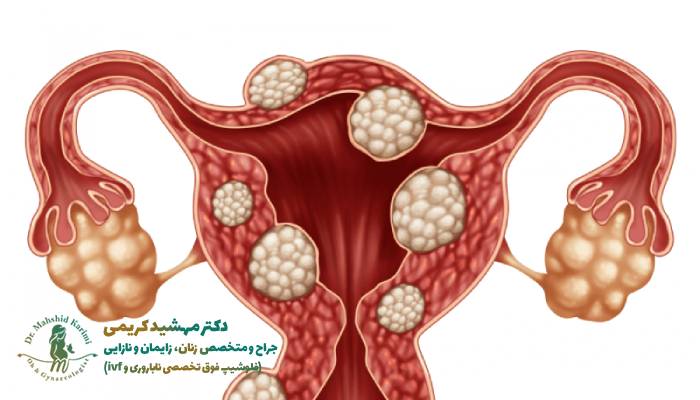
Uterine fibroid is a non-cancerous mass that grows in the muscles or tissue of the uterine wall. These lumps are usually made of muscle cells and connective tissue and their size can be very different; From a few millimeters to a few centimeters. Fibroids are the most common benign tumors in the female reproductive system, and many women may encounter them at least once in their lifetime.
Fibroids have different types that are classified based on their location in the uterus; Some are formed inside the wall of the uterus, some grow towards the uterine cavity, and others protrude towards the outside of the uterus.
uterine fibroid symptoms in pregnancy
Uterine fibroids remain asymptomatic during pregnancy in many women and are diagnosed only during medical examinations or ultrasound. However, in cases where the fibroid grows or is in a particular location, it can cause significant symptoms. The most important of these symptoms are:
- Severe or prolonged menstrual bleeding: is one of the most common symptoms that can cause anemia.
- Pelvic pain or pressure: A large fibroid can cause a feeling of heaviness or pain in the lower abdomen.
- Difficulty urinating or defecating: Fibroid pressure on the bladder or bowel may cause frequent urination or constipation.
- Pain or bleeding during intercourse: In some cases, the location of the fibroid can make intercourse painful.
- Increasing the size of the abdomen without the reason of pregnancy: The growth of large fibroids can cause a bulge in the abdomen.

uterine fibroids in pregnancy
Uterine fibroids are relatively common in pregnancy and many women may be unaware of their presence before pregnancy. Fibroids are non-cancerous lumps that grow in the muscle or tissue of the uterus, and their size, number, and location can affect the pregnancy experience.
Fibroid growth in pregnancy
During pregnancy, hormonal changes and increased blood flow to the uterus can cause fibroids to enlarge. Some fibroids grow only a little and do not cause problems, but in rare cases, rapid growth can cause pressure on the uterus, surrounding organs or even reduce the space for the fetus.
effect of fibroid location
- Small and intramural fibroids: are usually asymptomatic and normal pregnancy continues.
- Submucosal fibroids or inside the uterine cavity: They may cause problems in the implantation of the embryo or slightly increase the risk of miscarriage.
- Surface fibroids or near the cervix (Subserosal): usually do not directly affect the growth of the fetus, but sometimes they cause pressure or pelvic pain.
Dangers of uterine fibroids in pregnancy
The presence of uterine fibroids in pregnancy usually does not cause serious problems, but in some cases, depending on the size, number and location of the fibroid, it can be associated with risks and complications. Knowing these risks helps mothers to have a healthy pregnancy with proper care.
- Pelvic pain and pressure: Large or multiple fibroids may cause pain, cramping, or pressure in the abdomen and pelvis. This problem is usually seen more in the second and third trimesters.
- Bleeding: Some fibroids can cause mild or severe bleeding that requires medical attention and sometimes iron supplements.
- Miscarriage: Submucosal or intrauterine fibroids may increase the risk of miscarriage or implantation problems.
- Premature labor: Large fibroids can restrict the uterine space and increase the possibility of premature birth.
- Changing the position of the fetus: Some fibroids may cause abnormal positioning of the fetus or restrict the movement of the fetus in the uterus, which may increase the need for cesarean delivery.
- Postpartum problems: Fibroids can increase postpartum bleeding or delay the return of the uterus to normal, especially if it is large or multiple.
- Placental problems: In rare cases, fibroids near the placenta may cause placenta previa or placental bleeding, which requires special care.
Despite these risks, most women with fibroids can have a healthy and normal pregnancy, provided regular medical follow-up and careful care are taken.
treatment and control solutions of uterine fibroids in pregnancy
The presence of uterine fibroids in pregnancy usually does not cause serious problems, but depending on the size, number and location of the fibroids, some risks and unpleasant symptoms may occur for the mother and the fetus. The main goal of fibroid treatment and control during this period is to maintain the health of the mother and fetus and reduce possible complications.1. Regular medical follow-up
-
- Performing periodic ultrasounds to check the size, location and growth of uterine fibroids during pregnancy
- Evaluation of the state of the fetus and uterus regularly
- Check for new symptoms or changes in the intensity of pelvic pain and pressure
2. Management of pain and discomfort
-
- Consumption of safe drugs to reduce pelvic pain and cramps under the supervision of a doctor
- Adequate rest and avoiding stressful or heavy activities
- Using a warm compress on the abdomen or pelvis to reduce pain if approved by a doctor
3. Bleeding control
-
- Monitoring and informing the doctor about any abnormal bleeding
- In case of anemia, use of iron supplements and proper nutrition under the doctor's supervision
- Observe care tips to prevent severe bleeding
4. Birth planning
-
- Information of the doctor about the size and location of the fibroid to choose the appropriate delivery method
- If the fibroid is located near the cervix or it is large, preparation for cesarean delivery
- Careful follow-up in the third trimester of pregnancy to identify possible problems
5. Emergency interventions
Surgery for uterine fibroids in pregnancy is only performed in very rare and emergency situations, such as severe uncontrollable pain, heavy bleeding, or danger to the fetus. Decisions for any invasive intervention are made according to the health of the mother and the fetus.
By following these guidelines and regular follow-up, most pregnant women with fibroids can experience a healthy, safe and problem-free pregnancy.
Is fibroid in pregnancy dangerous?
Uterine fibroids in pregnancy usually do not pose a serious threat, but depending on the size, number, and location, they may cause pain, bleeding, or premature labor. Most women with fibroids can have a healthy pregnancy, as long as the doctor provides regular follow-up and care.
final speech
Uterine fibroid in pregnancy is one of the common problems of women that may also exist during pregnancy. In most cases, fibroids are asymptomatic and do not affect a healthy and normal pregnancy. However, the size, number, and location of fibroids can cause pain, bleeding, premature labor, or postpartum problems.
Regular medical follow-up, symptom management, bleeding control, and careful birth planning are the keys to a safe pregnancy for both mother and fetus. By observing these cares and working closely with the doctor, pregnant women with fibroids can have a healthy and problem-free pregnancy experience.