


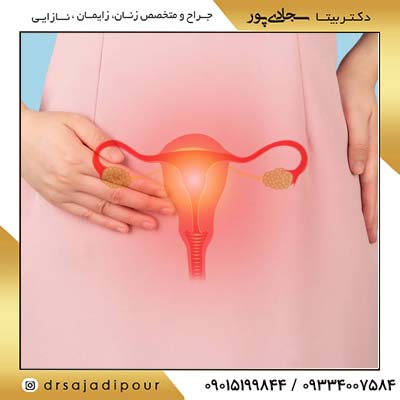
افتادگی رحم یکی از مشکلات شایع در زنان است که به ویژه در سنین بالاتر یا پس از زایمانهای متعدد میتواند بر سلامت جسمی و روانی تأثیر گذار باشد. This condition occurs when the uterus moves down from its normal position inside the abdominal cavity and moves towards the vagina. In severe cases, this condition may cause the uterus to protrude from the vagina. In this article, the causes, symptoms, diagnosis and treatment methods of uterine prolapse will be discussed.
causes of uterine prolapse
Uterine prolapse can happen for various reasons. This condition is usually caused by weakness or damage to the muscles and supporting tissues of the uterus, usually caused by high pressure or hormonal changes. The most important causes of this problem are:
-
Pelvic floor muscle weakness: The pelvic floor muscles, which are responsible for keeping the uterus in its normal position, may become weak due to multiple births, weight gain, or aging. These muscles are necessary for the proper maintenance of the uterus, and any damage to them can lead to uterine prolapse.
-
Multiple births: Women who have experienced multiple natural births are more at risk of uterine prolapse. Natural childbirth puts a lot of pressure on the pelvic muscles, and these muscles may not be able to return to their original position after delivery.
-
Aging: With age and especially after menopause, the level of estrogen hormones decreases. These hormonal changes can weaken pelvic tissues and muscles, which ultimately leads to uterine prolapse.
-
Increased intra-abdominal pressure: Factors such as weight gain, chronic cough, long-term constipation, or lifting heavy objects can put too much pressure on the pelvic floor muscles. This pressure can lead to damage to the supporting tissues of the uterus.
-
Genetics: Some women naturally have weaker pelvic floor muscles and this can increase the likelihood of uterine prolapse.
More information about birth Read natural or caesarean in the above link.
complications of uterine prolapse
According to mayoclinic
Complications
Uterine prolapse often happens with prolapse of other pelvic organs. These types of prolapse can also happen:
Anterior prolapse. Anterior prolapse results from weak connective tissue between the bladder and roof of the vagina. It can cause the bladder to bulge into the vagina. This is called a cystocele or prolapsed bladder
Posterior vaginal prolapse. Weak connective tissue between the rectum and the floor of the vagina can cause the rectum to bulge into the vagina. This might cause difficulty with bowel movements. Posterior vaginal prolapse is also called a rectocele
Complications
Prolapse of the uterus is often associated with prolapse of other pelvic organs. This type of sagging can also occur:
Anterior prolapse. Anterior prolapse is caused by weak connective tissue between the bladder and vaginal roof. This can cause the bladder to protrude into the vagina. This condition is called cystocele or prolapsed bladder.
Posterior prolapse of the vagina. Weak connective tissue between the rectum and vaginal floor can cause the rectum to protrude into the vagina. This may cause problems with bowel movements. Posterior vaginal prolapse is also called rectocele.

Symptoms of uterine prolapse
Symptoms of uterine prolapse can vary from mild to severe and depend on the degree of uterine prolapse. In many cases, women may not feel any noticeable symptoms at first, but as the condition progresses, more obvious symptoms emerge. Common symptoms of uterine prolapse include:
-
Feeling of pressure or heaviness in the pelvic area: Many women report feeling heaviness or pressure in the pelvic or vaginal area, which may worsen with standing or walking.
-
Pain during sex: Uterine prolapse may cause the uterus to lie abnormally inside the pelvis, and this can cause pain and discomfort during sex.
-
Urinary problems: One of the most common symptoms of uterine prolapse is urinary problems. These problems can include urinary frequency, Urine or the feeling of not completely emptying the bladder.
-
Prolapse of the uterus from the vagina: In more severe cases, the uterus may protrude from the vagina, which is clearly visible and requires immediate treatment.
-
Constipation: Some women with uterine prolapse may have problems with defecation and become constipated.
Diagnosis of uterine prolapse
Diagnosis of uterine prolapse is usually done through a physical examination by a doctor. The doctor may ask the woman to contract the pelvic floor muscles during the pelvic exam to assess their strength. Also, if the doctor suspects more severe cases, he may use imaging tests such as ultrasound or MRI to examine the condition of the uterus more precisely. Dr. Bita Sajjadipour, a gynecologist in West Tehran, your guide
Uterine prolapse treatment methods
The treatment of uterine prolapse depends on the severity of the disease and the patient's condition. In some cases, non-surgical treatments can be effective, while in more severe cases, surgery may be required. Common treatment methods are:
-
Kegel exercises: These exercises help to strengthen the pelvic floor muscles and can be effective in the treatment of uterine prolapse. Kegel exercises include contracting and then releasing the pelvic floor muscles, which strengthens these muscles.
-
Use of support devices: In some cases, the use of devices such as "vaginal support" can help support the uterus and reduce symptoms. These devices temporarily keep the uterus in its correct position.
-
Surgery: If the symptoms are severe and non-surgical treatments do not give satisfactory results, surgery may be an appropriate treatment option. In this method, the surgeon strengthens the pelvic muscles and restores the uterus to its normal position.
-
Hormone therapy: In women who experience uterine prolapse due to menopause, the use of hormone therapy can help strengthen pelvic muscles and tissues.
-
Lifestyle changes: Along with medical treatments, lifestyle changes such as maintaining a healthy weight, avoiding heavy lifting, and treating constipation can help reduce pressure on the uterus and relieve symptoms.

prevention of uterine prolapse
Uterus prolapse is usually prevented by strengthening the pelvic floor muscles and managing intra-abdominal pressure. Women who plan to become pregnant in the future or are pregnant should take care of their pelvic muscles and use Kegel exercises to strengthen them. Also, avoiding gaining a lot of weight during pregnancy and avoiding lifting heavy objects can be effective in preventing this problem. Dr. Bita Sajjadipour
Conclusion
Uterine prolapse is a common problem that can have many effects on women's physical and mental health. This problem is usually caused by weak pelvic muscles, multiple births, aging, or high pressure. Its symptoms include a feeling of pressure in the pelvic area, urinary problems, pain during sex, and in more severe cases, the uterus coming out of the vagina. There are various treatments including Kegel exercises, use of support devices and surgery to treat this problem. It may be possible to prevent uterine prolapse by strengthening pelvic floor muscles and prenatal care.

![When is the best time for Pap smear test? [women's specialist]](/storage/posts/covers/2026/01/05/f9fa35489739b2f77feb10f72beaf2a0b1faaf8ce3aea07fd0bf703f4976d3b0.jpg)

![نقش اینوزیتول در درمان ناباروری زنان [فوق تخصص زنان و زایمان]](/storage/posts/covers/2025_11_24/c0b071d7095fdcbaa34903c34e092d27a7f5b2fc471de3ff89c0a6eb0c446a10.jpg)


![بهترین زمان تست پاپ اسمیر چه موقعی است؟ [فوق تخصص زنان]](/storage/posts/covers/2025_11_24/f9fa35489739b2f77feb10f72beaf2a0b1faaf8ce3aea07fd0bf703f4976d3b0.jpg)

![عفونت واژن در بارداری: علائم، تشخیص و درمان [متخصص زنان و زایمان]](/storage/posts/covers/2025_11_24/74fbd328a8a4a83f39778f4a417048ddeb814f527d50d1afc9e23bbe0ad5e371.jpg)
![عفونت واژن کودکان: علائم و درمان [فوق تخصص زنان و زایمان]](/storage/posts/covers/2025_11_24/e56f480f09acfaf71854a94f42ccf293be7e378bd9a4adcffd54d5476bf51caa.jpg)





