About the book Nexus by Harari

Dr. Seyed Ali Sadat Mirei
QomSpecialist in children and infants (children)
 Tags Book of NexusYuval Noah Harari
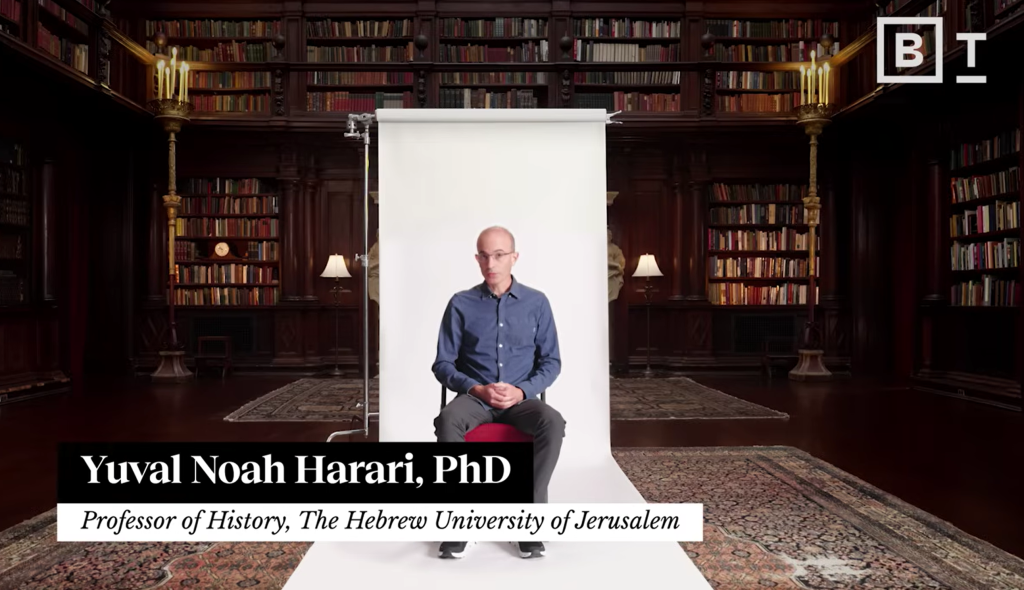
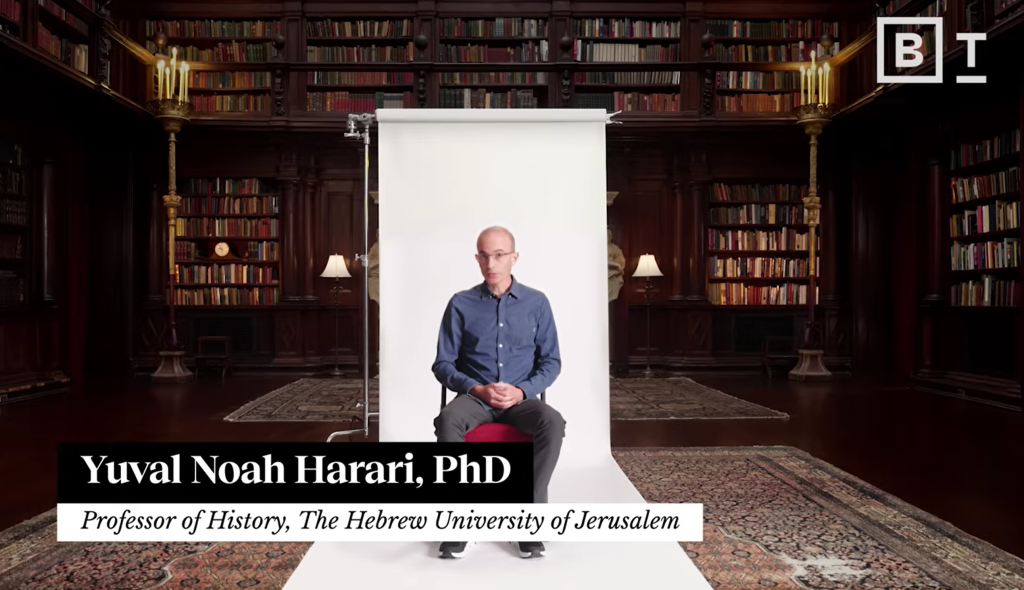
Yuval Noah Harari, the Israeli historian and secular philosopher who shook the world a decade ago with the publication of the bestselling book The Wise Man and his speeches in Davos turned him into one of the hated figures of conspiracy theorists, has recently published a new book called Nexus. He claims that the book provides a comprehensive history of information up to the present. Although the book seems somewhat superficial in its argument, and Harari is more concerned with general readers than academic colleagues, it convincingly and urgently makes the case for the study of history, especially among technologists working on advanced artificial intelligence. Unfortunately, despite the Hebrew University of Jerusalem professor's numerous lectures and New York Times best-selling books, it is unlikely that the conversation around artificial intelligence will change; Because our culture increasingly encourages us to focus on short-term issues. This process can have fatal consequences not only for all of us, but for consciousness in general.
Purchase Book Nexus with Farsi translation
Although Nexus probably won't be taken seriously in academic circles, Harari is by no means unfounded. He is a very serious historian who is highly respected by both medieval history specialists and military specialists. What he does in this book, as in his previous works such as Wise Man, Homo Deus, 21 Lessons and even The Ultimate Experience, is to present a macro and comprehensive view. According to him, artificial intelligence should be understood in the context of thousands of years of experience in various fields. In this sense, Harari is like an old sage among children with dangerous toys. But this does not mean that he can prevent the self-destruction of these children.
Harari's constant concern is that artificial intelligence might lead to a dictatorship the likes of which we have never seen. For example, Kim Jong-un or Vladimir Putin will have tools for social control that even Mao, Hitler and Stalin could not dream of. Biometrics allow future dictators to not only know all the behavior of their citizens, but even know what they are feeling and thinking.
But don't worry, because these same technologies can also bring us the best health services and sexual experiences. This paradox is at the heart of Harari's work. He doesn't believe in "technological determinism," because if we as animals can't change the future, what's the point of talking about it?
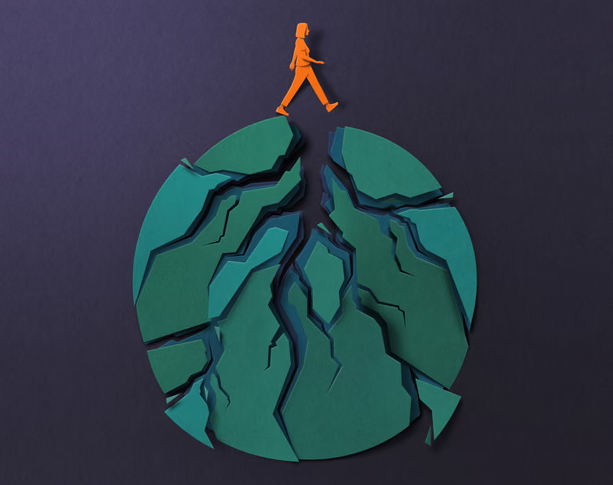
It is acceptable. But just talking and writing about this is not enough. Tech CEOs might read Harari's book and discuss it with friends over drinks, but then go back to focusing on minor issues like the next update to their Large Language Models (LLM). This is the way we will destroy ourselves; Gradually at first, with new updates every few weeks, and then suddenly. It is only by understanding these developments in the long term that we can avoid the worst results.
What we need are history departments in business, government and civil society organizations to work on these issues. We cannot make a mistake and think that Harari's book is enough; This book should be one of hundreds of historical perspectives. Dozens of full-time historians at organizations like OpenAI, or in the federal government, and dispersed among NGOs with direct access to decision makers, may be what saves our species.
This is not as difficult as it seems. History PhDs pay too much to live on, and there are almost no jobs for historians after graduation. These institutions can attract historians by paying a fraction of the technologists' salaries, and they gladly accept the opportunity. A relatively small financial contribution from billionaires like Elon Musk or Bill Gates can start a huge wave of historical research on artificial intelligence.
Artificial intelligence, in turn, could transform the historiography profession and cause accelerating returns. If computers are going to beat us, we better have them on our side. With a little motivation and historical understanding, artificial intelligence may eventually become aligned with our goals.
Finally, Google started by digitizing the University of Michigan library. History is a huge and endless source of wisdom that can help us in the future. However, Harari books are the only mechanism we use. Nexus should be just one drop in a much wider network of analysis of the past and its implications for the future.
Although history is very important, we have never faced the current situation. AI is particularly unique because it can generate new ideas. Yuval Noah Harari always reminds us that while intelligence is essential, awareness is optional. The danger is that training this alien intelligence could make it better at manipulating humans; As it is doing now, arming our enemies with the lessons of history. At worst, they can shut down the system and end all wisdom. But what does it matter if we are all dead?
I give Harari's book a grade of B. I hope this book will be your next book to read; Maybe this weekend. Yuval is right on target and focuses on the most pressing questions of our time, largely due to his awareness and meditation practice.
But Nexus should not be the end of the story. We hope that this book will be the beginning of a renaissance in human and computer research about the lessons of the past; If not for our own sake, for the survival of the human species. Artificial intelligence brings unprecedented threats and possibilities, and we need all the help we can get. Humans are still in control: "We wield enormous power and enjoy rare luxuries, but we are easily deceived by our own creations, and by the time we wake up to the danger, it may be too late." href="https://dlland.ir/nexus-%d8%a7%d8%ab%d8%b1-%db%8c%d9%88%d9%88%d8%a7%d9%84-%d9%86%d9%88%d8%ad-%d9%87%d8%b1% d8%a7%d8%b1%db%8c-%d8%aa%d8%a7%d8%b1%db%8c%d8%ae%da%86%d9%87-%d9%86%da%af%d8%b1%d8%a7%d9%86-%da%a9%d9%86%d9%86/>  previous post
Nexus by Yuval Noah Harari: The disturbing and fascinating history of information networks
 Next post
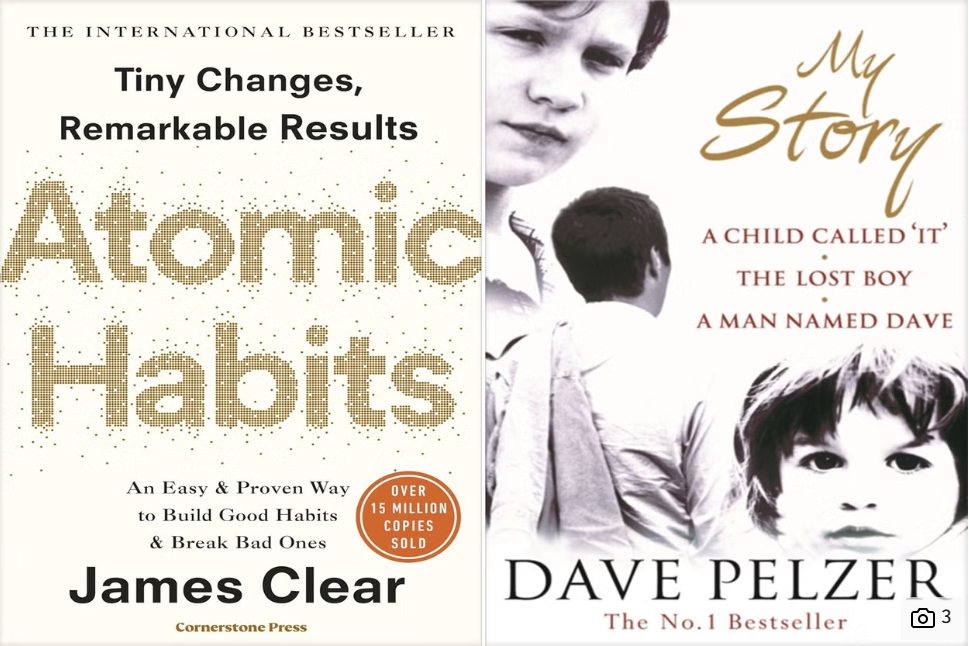
 Genius or sadist: What do the best-selling non-fiction books of the 21st century say about us?
 Dale Land Related Posts href="https://dlland.ir/nexus-%d8%a7%d8%ab%d8%b1-%db%8c%d9%88%d9%88%d8%a7%d9%84-%d9%86%d9%88%d8%ad-%d9%87%d8%b1% d8%a7%d8%b1%db%8c-%d8%aa%d8%a7%d8%b1%db%8c%d8%ae%da%86%d9%87-%d9%86%da%af%d8%b1%d8%a7%d9%86-%da%a9%d9%86%d9%86/>