
Meningitis in premature babies
Meningitis in premature babies
Statistical research shows that neonatal meningitis is more common in babies who are born prematurely.... because these babies have a weaker immune system than other babies and infections affect them more.... These babies may get meningitis in the first or second week of their lives.... The symptoms of meningitis in babies are much less than in children and adults.... A child's fever may lead to convulsions and this convulsion draws the attention of parents to the child's fever does.
What is the way to diagnose meningitis in babies?
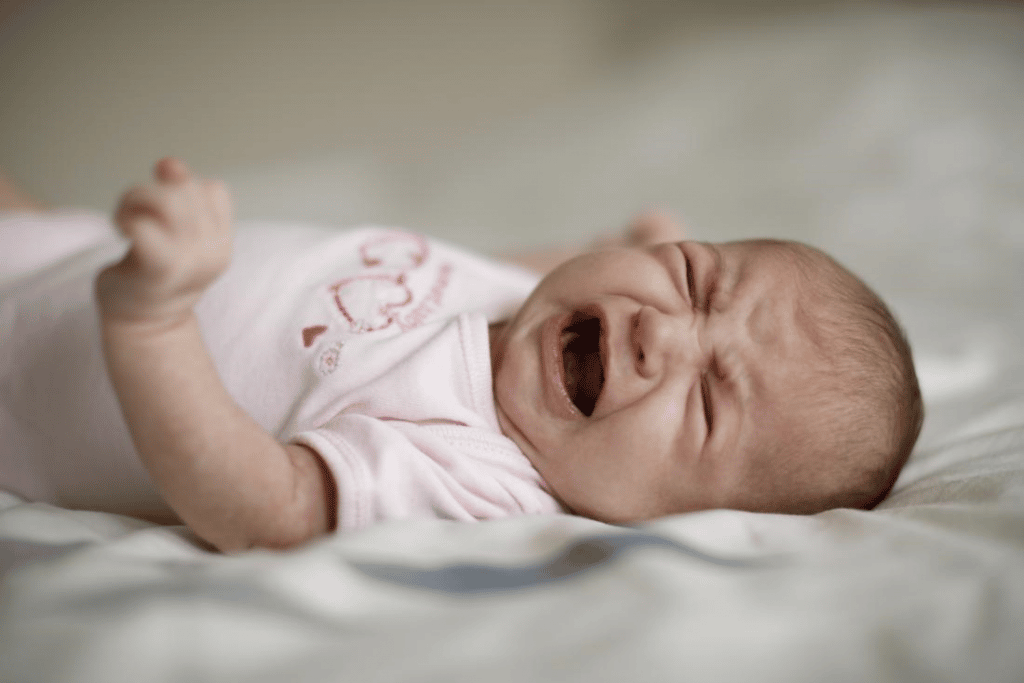
Any baby who has an infection in his body after birth should be tested for meningitis.... The only sure way to diagnose meningitis in babies is to take cerebrospinal fluid.. The baby is admitted to the hospital and antibiotic treatment is started for him.. Delay in the treatment of meningitis may cause the death of the baby... Treatment of meningitis depends on 110 days to 2 days
Some drugs can lead to meningitis.
Medications such as ibuprofen, intravenous immunoglobulin, as well as drugs to treat Kawasaki disease, leukemia, lupus (autoimmune diseases) and migraines can cause complications such as meningitis.
Also, premature babies and babies who are born with defects in their immune system are more susceptible to meningitis... Hitting the head of babies can also be one of the other causes of meningitis in them.
Does meningitis affect the brain of babies?

Bacterial meningitis may have irreversible effects on infants.... This type of meningitis may lead to coma if accompanied by fever.... Coma is dangerous for babies and there is a possibility that it will affect their intelligence or the risk of mental retardation for the child.. system and mind, or cause hearing and movement problems in children.
What should be done to prevent meningitis in babies?
Exposure to any virus or infection can put babies at risk of meningitis. Viruses and infectious infections can be transmitted to babies through the smallest particles of liquid in the mouth or nose of an infected person. Mother's milk makes the child's body resistant.According to tests conducted on a number of premature babies, neurologists concluded that octoferrin, a protein found in breast milk, can greatly reduce the incidence of infections in babies.... In this study, premature babies who received this protein through a feeding tube had fewer infections than other babies.
Was this article helpful to you?..





