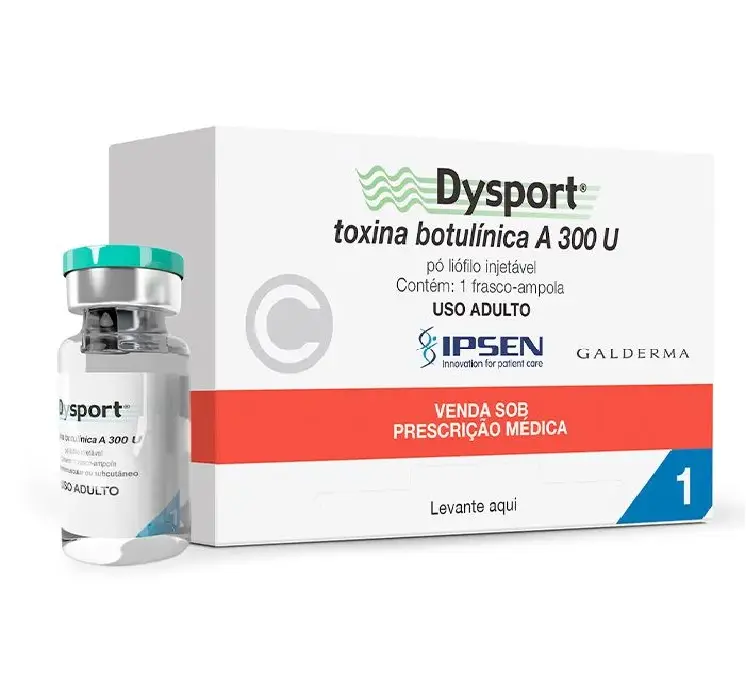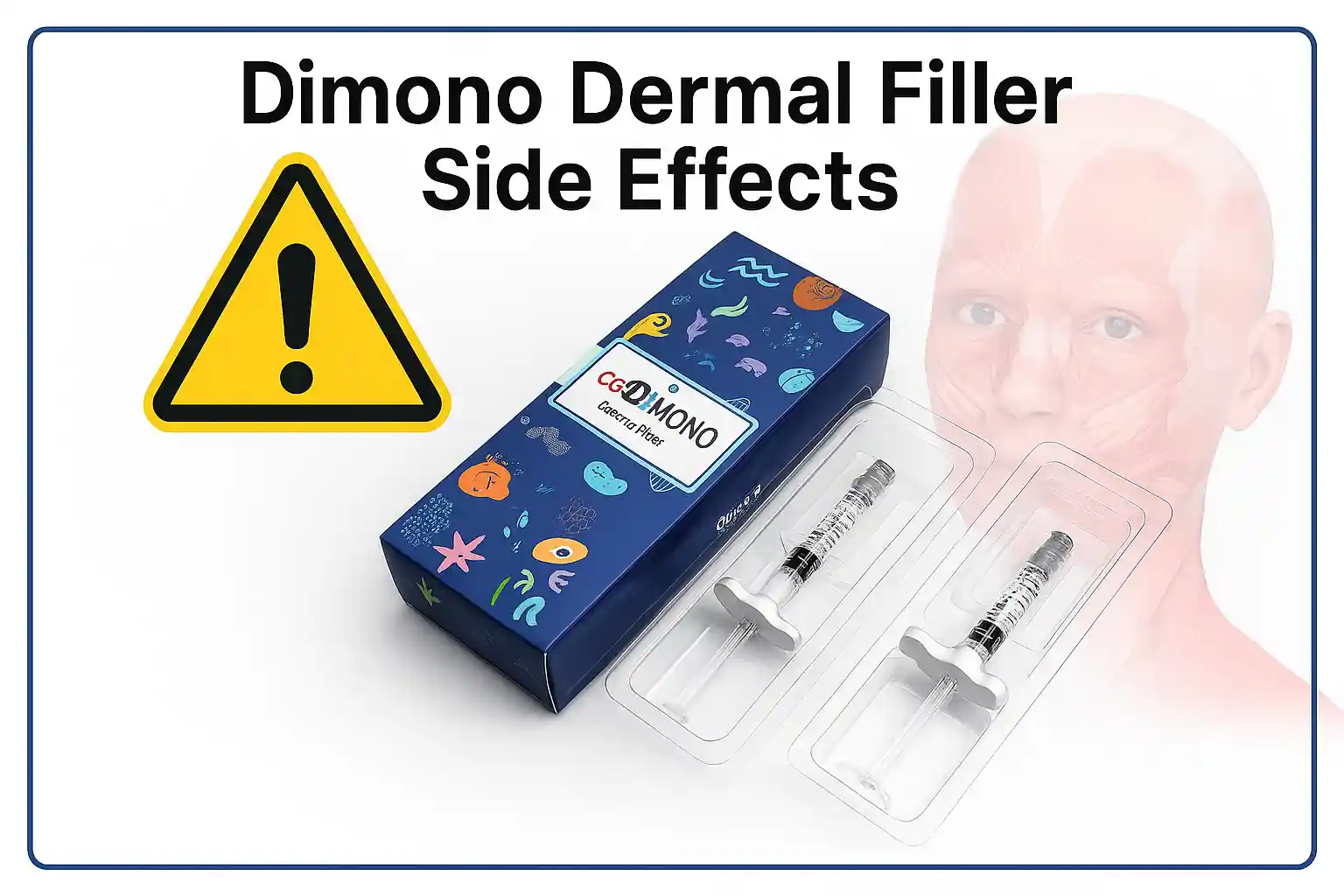

Complications Mesophile Dimono has become one of the serious discussions among cosmetic doctors, clinic personnel and patients in recent months. CG DiMONO PTx product is introduced in advertising brochures as a peptide filler containing hyaluronic acid and "BTX type C" peptide complex, and it is claimed that it has the role of filler, skin booster and Botox-like treatment at the same time. On websites like
FillerWorld or Reliable Medicare It has been emphasized that this product is "the world's first BTX type C peptide" and is designed to be injected in the middle to deep dermis.
In contrast to this commercial literature, field reports from some clinics indicate that Dimono mesophyll injection in some patients with unexpected complications, especially at the level of facial muscles, lack of smile, unilateral weakness and lasting Longer symptoms have been associated. This contrast between promises of "botox-like without poison" and actual experience highlights the need for a scientific and careful analysis of the side effects of Dimono Mesofiller.
"Any injectable product whose mechanism of action is not well studied is a big question mark in safety before it is a therapeutic tool."
What are the side effects of Dimono Mesofiller and why are they so controversial?
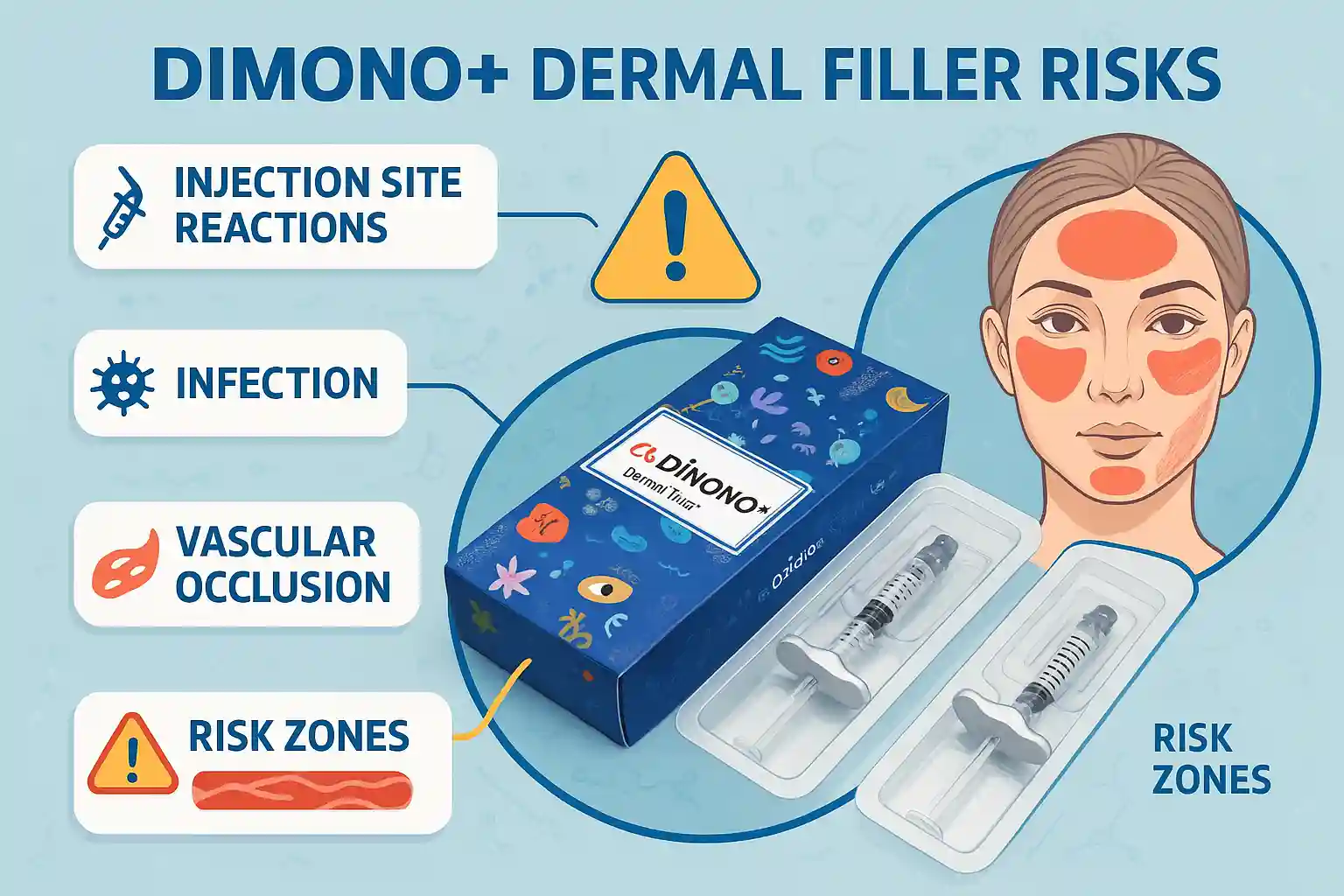
Dimono Mesofiller Side Effects can be summarized in three main axes: first, the lack of reliable and referable scientific evidence about the safety and effectiveness of CG DiMONO PTx; Second, reporting muscle complications and movement disorders in the face; And third, the unpredictability of the duration of effect and the lack of a clear protocol for the management of possible side effects. The combination of these three factors separates Dimono from a simple hyaluronic filler and places it in the group of products that should be examined with much more caution.
Reviews such as Edwards 2007 on late complications of fillers show that even approved fillers can cause inflammatory reactions and granulomatous nodules in a small percentage of patients. In the case of Dimono Mesofiller, this minimum level of transparency is also missing.
Filler injection with original materials and medical expertise
Make sure it is done in a reputable center. In the office of Dr. Semane Fatuhi filler injection is offered with a high safety standard.
Demono mesofiller side effects and lack of valid scientific evidence
1. Absence of published clinical studies on CG DiMONO PTx
A search of authoritative scientific databases such as PubMed and ClinicalTrials shows that there are no published clinical trials or citation-reviewed systematic reviews for CG DiMONO PTx. While commercial brochures use phrases like "alternatives to BTX type A treatments," no peer-reviewed articles have been published in recognized scientific journals to support this claim in humans.
In the field of cosmetic peptides, articles have been published about cosmetic peptides and their role in topical skin care, but these articles are mostly about non-injectable products and topical serums, not about injectable fillers containing Peptide.
2. Botox-like peptides vs. conventional cosmetic peptides
In recent years, peptides such as Argireline (Acetyl Hexapeptide 8) have emerged in topical products and serums and are known as "botox-like" compounds. Many of these compounds are used on the surface of the skin and their safety data have been reviewed in the form of non-injectable cosmetic products.
For example, reports such as Safety analysis of peptides in cosmetic products by Biorius emphasize that for "data poor" peptides should be more carefully assessed for risk.
Mesofiler Dimono changes this pattern; Because it injects the Botox-like peptide not on the surface of the skin, but directly in the middle to deep dermis. This change in the contact path completely changes the nature of the risk and makes the discussion of Dimono mesophilic side effects go beyond the level of "skin tolerance" and approach the field of intratissue neuromodulation.
3. Long-term data gap about BTX type C peptide
Lack of transparency in the definition of the molecule
In the commercial description of CG DiMONO PTx, "BTX type C peptide" is mentioned as the point of differentiation of the product, but there is no general information about the exact structure of the molecule, molecular weight, target receptors and elimination route. Pages like FacesConsent href="https://moryskin.com/en/product/cg-dimono-ptx-1-x-1-ml-1-x-2-ml/" target="_blank" rel="noopener noreferrer">MorySkin rely more on marketing description and terms like "alternative to BTX type A" than providing scientific data.
Lack of clinical follow-up for neuromodulatory effects
When claimed A peptide has a "botox-like" behavior, it is expected that its effect on neurotransmission, potency to inhibit the release of acetylcholine and the duration of effect in living tissue have been studied.
In the case of Dimono, no general data can be found on the neuromodulatory effects of this peptide in humans, either short-term or long-term. This scientific gap makes the side effects of Dimono mesophilar not predictable in advance and the doctor works with a product that, at the scientific level, still has unanswered fundamental questions.
Demono mesophilar side effects in facial muscles and lack of snoring
- report of unilateral weakness and crooked mouth
One of the recurring themes in informal reports is the occurrence of unilateral facial muscle weakness, mouth crookedness when laughing and lack of laughter after injection of Dimono mesophilar. This pattern is not consistent with the behavior of a neutral filler and is more similar to the penetration or diffusion of the neuromodulator agent to the delicate muscles of the face. In classic botulinum treatments, many articles have mentioned side effects such as drooping eyelids, lack of eyebrows, and local weakness.
- Comparison with known side effects of botulinum toxin
Pattern of Botox side effects in scientific sources
reviews such as Witmanowski 2019 and more recent updates on Botox side effects show that even in experienced hands, side effects such as ptosis, atrophy, and muscle weakness are possible, especially if the toxin is injected in the wrong layer or near the target muscle.
When the filler exhibits neuromodulatory behavior
In CG DiMONO PTx, the combination of hyaluronic and peptide fillers Like Botox, it poses a new risk: a product that has both filler properties and potential effects on neurotransmission. If the injected peptide is placed at an inappropriate depth or adjacent to muscles such as the labial, zygomaticus, or rhizorius muscles, muscle complications can be expected, at least theoretically. The lack of scientific data only makes it impossible to quantify the probability of this occurrence, not to eliminate the risk.
Complications of mono-mesofiller and unwanted release of neuromodulator peptides
Botox-like peptide in the form of injectable filler
In reports such as ToxMinds Analysis of Cosmetic Peptides The concept of "data-poor peptide" is raised; That is, compounds for which there is not enough data about their toxicology and behavior in the body, and their safety evaluation should be done with more caution. When such peptides are transferred from the surface of the skin to the dermis layer and surrounding muscles, the uncertainty is multiplied.
Diffusion in adjacent tissues and effect on neurotransmission
One of the worrying scenarios in Dimono mesophilic complications is the possibility of unwanted botox-like peptide spreading to delicate facial muscles. In case of such a situation, inhibition of nerve transmission in places other than the target site can cause weakness, lack of vision and long-term changes in facial expressions.
This scenario regarding classical botulinum toxin has been observed many times in scientific sources and health warnings, and new reports from countries such as the United Kingdom have been published about cases of botulism after the use of illegal Botox-like products. Effect
Lack of a protocol to quickly neutralize the peptide
in common hyaluronic fillers, in case of complications such as vascular occlusion or severe deformity, the use of hyaluronidase is proposed as a known solution. In the case of Dimono Mesofiller, the most likely possibility is that the hyaluronic part of the gel is partially degraded, but the Botox-like peptide, if it remains in the tissue, can still continue to act on neurotransmission. There is no known rapid reversal protocol or “antidote” for this component.
Heterogeneous reports of duration of complications
Because no long-term follow-up study has been published for CG DiMONO PTx, available information on the duration of complications of DiMONO mesophyll relies mainly on scattered reports and anecdotal experience. In these reports, some patients experienced partial improvement within a few weeks, while others struggled for months with facial redness or muscle weakness. This heterogeneity is the natural result of the lack of structured data.

Demono Mesofiller Side Effects and Legal Implications for Physicians and Clinics
Injecting a Product with Limited Scientific Data
A physician who chooses Dimono Mesofiller is actually injecting a product that falls into the "data-poor injectables" category; That is, it has no published clinical trials, no independent safety guidelines, and no standard protocols for managing complications. This lack of evidence makes it difficult for the doctor to defend himself in case of Dimono mesophilic complications; Because the patient and the monitoring institutions can ask on what scientific basis such a product was chosen for injection.
Market pressure and professional risk
The market of beauty treatments in recent years has faced rapid growth and simultaneously with an increase in the number of unknown products. Media reports of unauthorized injections, unknown fillers and severe complications, including those published in the English-language media about unapproved injections such as Botox, show that the use of products without scientific backing can lead to media and professional crises. In such an atmosphere, Dimono's mesophilic complications are not only a medical problem; It is also considered a legal and credit risk for the clinic.
Mesogel injection for safe and natural rejuvenation
Mesogel injection must be done by a specialist to minimize possible risks. Original materials and standard equipment are used in Dr. Samane Fatuhi's office.
Dimono mesofiller side effects against conventional hyaluronic acid fillers
In order to better understand the position of Dimono mesofiller, it is useful to compare it with conventional hyaluronic fillers from the point of view of scientific data and side effects pattern. Scientific reviews about fillers show that late complications such as foreign body granuloma, chronic nodules, and inflammatory responses are expected and their prevalence has been reported in various studies. In the case of Dimono, this level of transparency is lacking, but an additional layer of risk, neuromodulatory peptide, has been added to the equation. scientific reviews and independent guidelines
Complications of Dimono mesophyll and the role of scientific reporting
- Importance of recording and documenting complications
Even an unusual complication case can provide a new picture of the safety of a product. Accurate recording of Dimono mesophilic complications in the patient record, at the clinic level and, if available, in national complication reporting systems, helps to generate collective knowledge from an individual's experience. In the field of fillers, many articles related to granuloma, nodule, and late reactions were first published as case reports or case series, and then gradually became a known pattern of complications.
– Reporting as a professional responsibility
From the perspective of professional ethics, silence about complications, even if they are rare, helps to repeat the same problem in subsequent patients. In the case of Mesofiller Dimono, a product with limited scientific data, reporting every side effect, from muscle weakness to hypothermia, not only protects the next patient, but also increases scientific pressure on the manufacturer to provide more transparent data.
Mesofiller Dimono; Precautionary advice for patients and doctors
For patients
Question about the exact name of the product and the level of evidence
Before each injection, the patient has the right to know what product is being injected into his face. In the case of Mesofiller Dimono, it should be clearly asked whether there is a published clinical study for this product, how long it has been on the market, and whether the doctor has personal experience of its possible side effects. If the answers are ambiguous, this is a warning sign.
Beware of "complication-free" claims
Any injectable product advertised with the slogan "complication-free" or "completely safe" should be viewed with scientific skepticism. In the case of Dimono Mesofiller, the lack of independent evidence and reports of muscle side effects indicate that this product is by no means a risk-free treatment.
For Doctors
Risk assessment based on data, not advertising
The doctor is responsible for distinguishing between market literature and scientific evidence. Choosing Dimono Mesofiller without reviewing the available resources about Botox-like peptides and their potential risks is not only scientifically questionable, but can have legal consequences in the event of side effects.
Informed Consent with Limitation of Evidence
If, despite all doubts, the decision to use CG DiMONO PTx is made, it is necessary to explicitly state in the informed consent form that for this product, a clinical study published in reputable scientific journals in It is not available and some of the risks are therefore unknown. This honesty is the basis of trust between the doctor and the patient.
The last words of Dr. Fatuhi's clinic
Dimono mesophilic side effects, especially at the level of facial muscles, lack of facial expression and long-term weakness, along with the lack of scientific evidence about BTX type C peptide and the lack of published clinical trials, present a worrying picture of CG DiMONO PTx. This product is placed at the intersection of several high-risk areas: hyaluronic filler, neuromodulator peptide and injection in very sensitive areas of the face. In such circumstances, the lack of sufficient data alone is a potential complication.
Until credible studies, independent reviews, and long-term data on the safety and efficacy of Dimono Mesophilar are published, this product should be treated with the utmost caution. The health of the patient in any situation precedes the attractiveness of slogans such as "botox-like without poison" or "three-in-one combination". Asking questions, demanding evidence, and reporting side effects honestly are tools that can prevent Dimono Mesophila from becoming a costly experience for patients and doctors.

Dr. Fatuhi
Articles: 66