
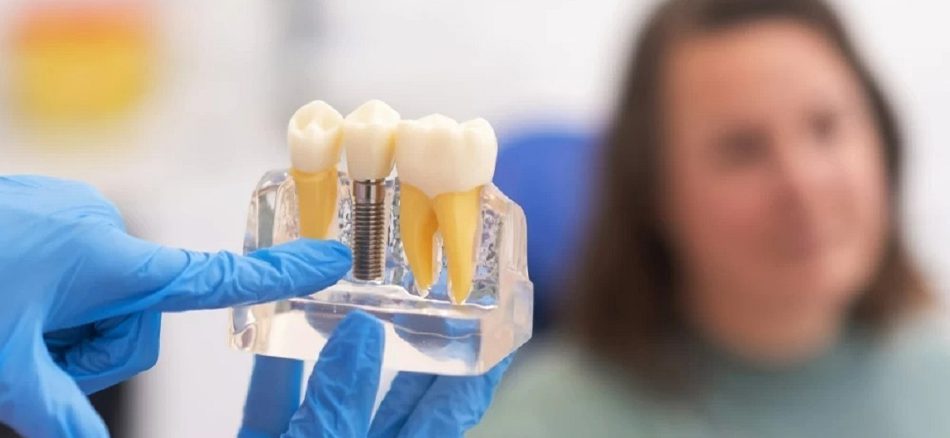
Dental implant is one of the most successful and lasting methods of replacing lost teeth, but like any specialized treatment, it may come with challenges and consequences in some people. Being aware of possible complications, their prevalence and control or prevention strategies helps patients make more informed decisions and go through their treatment more calmly. If a person has sufficient knowledge of the state of oral and dental health, the history of diseases and the quality of his health, the probability of dental implant complications is reduced and a stable and reliable result can be obtained.
What is a dental implant?
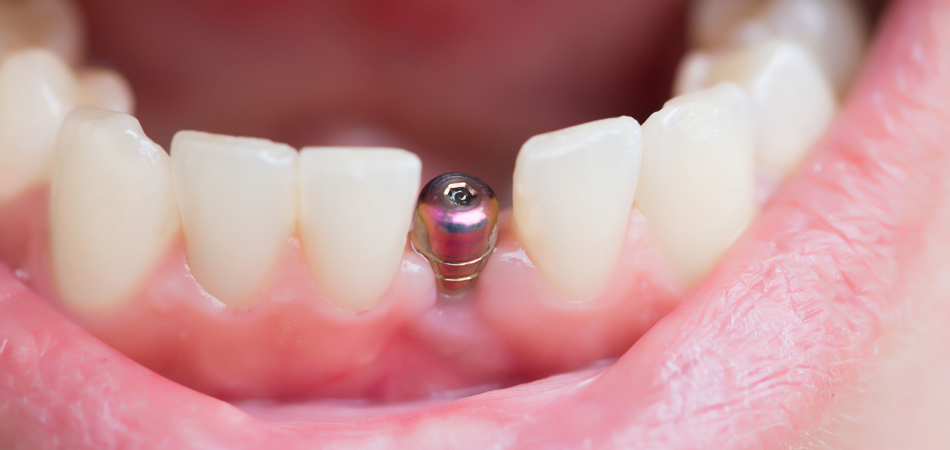
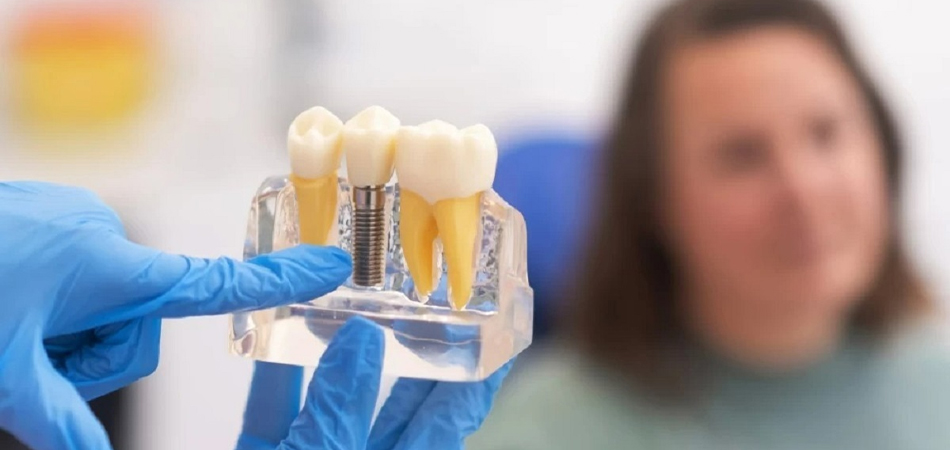
A dental implant is a titanium or zirconium base that is placed inside the jawbone to act as a tooth root. This base is connected to the bone during a process called "osseointegration" and then the dental veneer is placed on it. dental implant In addition to restoring the beauty of the smile, it provides the possibility of natural chewing, preventing bone loss and maintaining oral and dental health. The quality of surgery, bone density, bone grafting if needed and compliance with oral hygiene play a key role in the final success of this treatment.
Common dental implants
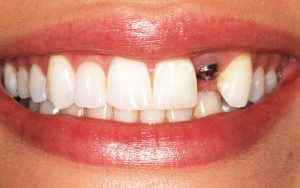
The following table shows a set of the most common dental implant complications along with a brief explanation, time of occurrence and their importance. This table is designed for better understanding of patients and is prepared based on scientific documents and clinical experiences.
| Complication | Update time | Possible reasons | intensity | Need urgent reference |
| post-implant infection | 3 days to several weeks | Insufficient hygiene, weak immune system, improper technique | moderate to severe | Mostly yes |
| pain after dental implant | A few hours to a few days | Surgery, natural inflammation, high pressure on the implant | light to moderate | if lasting more than 72 hours |
| Gingivitis | a few days to a few months | Plaque, Crime, Inadequate Care | Medium | in case of increased inflammation |
| Implant loosening | a few months to a few years | Bone fusion, high pressure | severe | Yes |
| nerve damage | Same day or a few weeks later | Drill's contact with Nerve | moderate to severe | Yes |
| Sine problems | in maxillary implants | excessive sinus penetration | Medium | Yes |
| Jaw bone analysis | months later | wrong pressure, gum disease | moderate to severe | requires treatment |
| implant rejection | weeks to months | body reaction, weak bone | severe | Yes |
| Peri-implantitis | months to years | Plaque, chronic inflammation | moderate to severe | Yes |
1- Infection after dental implant
Infection is one of the most common complications of dental implants and usually occurs when bacteria accumulate around the surgical site. This situation can be caused by not following oral hygiene. and teeth, immune system weakness, smoking, or failure to follow post-surgery recommendations. If the infection is not controlled, it may cause gingivitis, severe pain, and in more advanced stages, treatment failure.
Symptoms
- Swelling and redness of the gums
- purulent discharge or unpleasant smell
- Fever or feeling of warmth in the implant area
- Throbbing pain
Solution
Infection treatment is done by prescribing antibiotics, washing the area and sometimes laser therapy. In severe cases, professional cleaning or surgical interventions may be required. Strict adherence to health recommendations, regular brushing and immediate visit to a specialist dentist are the most important measures to prevent and control infection.
2- Pain after dental implant

Possible causes
- Natural inflammation after surgery
- Too much pressure when inserting the implant
- Minor injury to soft tissue or bone
- The body's reaction to implant parts
Solution
Cold compress in the first 24 hours, anti-inflammatory drugs, enough rest and avoiding chewing hard foods can reduce the pain. If it lasts more than a few days, the dentist must check the exact location of the implant and the condition of the bone.
3- Gingivitis after implant
Gingivitis is often caused by the accumulation of plaque and mass around the implant. At this stage, the gums become sensitive, red and swollen, and bleeding may occur during brushing. If the inflammation is not controlled, it may turn into more advanced stages such as peri-implantitis.
Symptoms
- Bleeding while brushing
- gum swelling and sensitivity
- gum color change towards dark red
Solution
Cermation, strict oral and dental hygiene and use of antibacterial mouthwashes are measures that can control inflammation. In some cases, laser is used to reduce inflammation and prevent tissue destruction.
4- Dental implant loosening
Implant loosening occurs when the jawbone cannot fully bond with the titanium base. This condition may appear in the following months or years and is usually caused by excessive pressure on the implant or non-union of the bone.
Causes
- bone fusion (absence of osseointegration)
- Severe chewing pressure or teeth grinding
- Wrong coating design or the introduction of unbalanced forces
- low quality of jaw bone
Solution
In this case, the implant should usually be removed and a new implant implanted after the bone is repaired—if necessary with a bone graft. Prompt referral is very important, as loosening of the implant, if ignored, can cause further bone loss.
5- nerve damage in implant surgery

In some rare cases, if the implant is placed close to the nerve canal of the jaw, it is possible to damage the nerve. This happens mostly in the lower jaw and usually happens due to inaccurate planning of the surgery or improper position of the implant.
Symptoms
- Long-term numbness of the lips or chin
- Pingling sensation
- Shooting pain in jaw area
- Disturbance of feeling in the gums
Solution
If the injury is mild, it usually improves with time and the use of anti-inflammatory drugs and neurovitamins. In severe cases, there is a need to remove the implant or more specialized treatments. It is very important to use CBCT and choose a specialist dentist to prevent this problem.
6- Sinus problems after dental implants
In upper jaw implants, if the length of the implant is too high or the jaw bone is not high enough, there is a possibility of the implant entering the sinus space. This can cause pain, pressure in the cheeks, congestion, headache or sinusitis. When the patient needs sinus lift but does not perform, this problem is also more likely to occur.
Symptoms
- Feeling of pressure or heaviness in the cheeks
- Recurring headaches
- Sinus secretions
- Pain when bending over
Solution
In mild cases, anti-inflammatory drugs and antibiotics are prescribed. If the implant has entered the sinus, surgery is usually required to replace the implant after the bone has healed. Expert evaluation before surgery plays an important role in preventing this complication.
7- Loss of jaw bone after implant
Bone resorption may occur months or years later and is usually caused by unbalanced pressure, gum disease, or poor jawbone quality. Bone loss reduces implant stability and ultimately treatment failure.
Solution
Deep massaging, treatment of gingival inflammations, veneer modification, use of lasers to control inflammation, and in severe cases, bone grafting can control resorption. Maintaining oral and dental hygiene is the most important factor in preventing this problem.
8- Dental implant rejection
Implant rejection, contrary to popular belief, is very rare. This situation occurs when the body cannot adapt to the implant or the bone does not have the ability to create a stable connection.
Symptoms
- Severe and continuous pain
- Move the implant
- Abnormal inflation
- Lack of stability when biting
Solution
In case of rejection, the implant must be removed. After the bone and gum conditions improve, re-implantation is possible. It is very important to check the condition of the bones, control underlying diseases, and get expert advice before surgery.
9- Peri-implantitis (inflammation around the implant)
Peri-implantitis is similar to gum disease around natural teeth and is caused by the accumulation of plaque, bacteria or chronic inflammation. If this problem is not treated, it can cause bone loss and ultimately implant failure.Symptoms
- Persistent bleeding
- Swelling and bad breath
- pain when touched
- Gum reduction around the implant
Solution
Treatment includes specialized mass removal, laser therapy, infection control, and in severe cases, surgery for bone reconstruction. Compliance with oral and dental hygiene and periodic visits to the dentist is the best way to prevent peri-implantitis.
>>
Prevention of dental implant complications is possible by following some important principles. These principles include choosing a expert dentist, examining bone and gum conditions, adhering to post-surgery care, and paying attention to oral hygiene. Most of the problems and inflammations occur when accurate surgical planning is not done or the patient does not take post-implantation recommendations seriously. Choosing a reputable clinic, preparing CBCT imaging and adhering to periodic examination sessions are the most important measures that minimize the incidence of complications. Also, correcting daily habits such as smoking, pressure on teeth grinding, and proper food consumption play an important role in the final success of the implant.
1- Choosing a specialist dentist
The skill of the surgeon is the most important factor in the success of the implant. The specialist selects the most appropriate treatment method by examining the bone condition, gum thickness, sinuses and medical history. The use of advanced diagnostic tools such as CBCT helps to determine the exact location of the implant and reduce risks such as nerve damage or sinus penetration. Choosing an inexperienced surgeon can lead to positioning errors, disproportionate pressure, or choosing the wrong size of the implant, all of which increase the risk of dental implant complications.
2- Compliance with oral and dental hygiene
Poor hygiene is the most important cause of inflammation, infection and peri-implantitis. Correct brushing, using dental floss or special brush around the implant, and antibacterial mouthwash play a key role in preventing plaque accumulation. Patients who neglect to maintain hygiene after surgery are more exposed to problems such as bad breath, gingivitis and even bone loss. Regular oral and dental hygiene helps the implant to last longer.3- proper diet
After planting, it is very important to eat soft and low-pressure foods. Very hard, sticky or hot foods can damage the gums or put pressure on the implant. Avoiding hot coffee, hard nuts, sticky foods and chewing ice is essential during this period. Also, nutrition that contains enough vitamins, protein and minerals helps to repair tissues. Consuming enough water is also useful for reducing inflammation and helping the healing process.
4- Regular visits to the dentist
Even if there are no worrisome symptoms, periodic examinations are necessary to control the condition of the gums, bone and veneer. Many problems such as mild inflammation or the beginning of bone loss can be diagnosed and treated in the early stages. Visiting a specialist dentist at least once every 6 months helps to increase the life of the implant and prevent sudden problems.
cause What is earache after implant? Investigating the relationship between ear pain and dental implant complications

Some patients experience ear pain after dental implants in the jaw area, especially immediate dental implants. This situation can be worrying for the patient, but in most cases it is related to tissue sensitivity, inflammation or local pressure and is not necessarily a sign of a serious complication. Because the jaw and ear are close to each other in terms of nerves, any inflammation or irritation of the nerves in the jaw can be felt as pain that radiates to the ear. Additionally, sinus problems, inflammation of the temporomandibular joint (TMJ), or unbalanced pressure when chewing can also cause ear pain.
Possible causes of earache after implant
This issue can have various reasons, among which we mention the following.
- Pressure on the nerves: Surgery may irritate the nerves of the jaw and transmit the pain to the ear.
- Inflammation of the jaw or gums: Swelling caused by surgery can put pressure on nearby areas, including the ear.
- Sinus problems: especially with maxillary implants, sinus inflammation can transmit pain to the ear.
- Unbalanced pressure on the jaw: If the crown or the base of the implant is of an inappropriate height, the wrong pressure will be created on the TMJ and cause ear pain.
Solutions and Tips for Managing Earaches
- Consultation with a specialist dentist: the first step is to carefully check the condition of the implant, nerves and jaw joint.
- Anti-inflammatory drugs: In mild cases, anti-inflammatory drugs or warm compresses can reduce pain.
- Adequate rest: Avoiding chewing hard foods, reducing stress and limiting activities that put pressure on the jaw are essential.
- In many cases, the earache is temporary and completely resolves by controlling the inflammation and correcting the chewing pressure.
Do dental implants cause cancer? Scientific review and relationship with dental implant complications
One of the common concerns that are sometimes raised by patients is the possibility of dental implants being associated with cancer. This notion is usually formed due to the presence of titanium metal or inflammation around the implant, but reliable scientific research has shown that implants have no direct connection with cancer. Titanium is a biocompatible material and has been used in medicine for many years to make artificial joints, orthopedic screws and other prostheses. In very rare cases, the body's reactions can cause chronic inflammation, but such reactions have no proven link to cancer. Therefore, dental implant therapy is safe and the risk of carcinogenesis is almost zero.
Scientific facts about implants and cancer
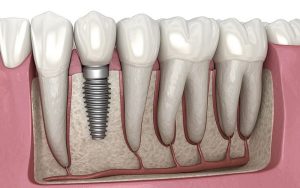
Type of implant and its safety
Dental implants are usually made of titanium or zirconia. Titanium is scientifically completely safe due to its high compatibility with the body, and the risk of negative reactions is very small. Zirconia is also a ceramic material that has very low sensitivity and is recommended for sensitive patients in certain cases.
Infection or chronic inflammation
Long-term inflammation can cause chronic discomfort or swelling, but research has found no definitive link between peri-implant inflammation and oral cancer. In case of controlling oral and dental hygiene and visiting the dentist regularly, the possibility of chronic inflammation is very low.
Rare body reactions
In very limited cases, the body may show sensitivity to the metal; But these reactions appear more in the form of inflammation or rejection of the implant, not cancer. If necessary, the specialist dentist will check the possibility of allergy with appropriate tests.
Is tooth decay a complication of dental implants? Scrutiny and scientific facts
Tooth decay does not occur directly in the implant, because this metal or ceramic base does not have an organic structure to decay like a natural tooth. But the plaque and bacteria that accumulate around the implant can damage the adjacent teeth or cause gingivitis. For this reason, oral and dental hygiene is very important along with periodic examinations. If adjacent teeth have untreated decay, they can cause infection and secondary problems around the implant. Therefore, the decay of the implant itself does not happen, but the condition of the mouth can affect its health.
How can poor hygiene cause problems?

Inadequate oral hygiene is one of the most important factors that can disrupt the process of dental implant success.
Gingivitis
Bacterial plaque on the gums and teeth can cause mild or severe inflammation. If this inflammation occurs around the implant, there is a possibility of its progression to peri-implantitis, which affects the jaw bone.Plaque formation and mass
Dental mass and plaque around the implant can cause bad breath, chronic inflammation and infection. In the long run, these problems increase the possibility of bone loss and damage the stability of the implant.
Ways to prevent problems
To prevent inflammation and problems related to adjacent teeth, it is necessary to observe the following:
- Basic brushing
- Using dental floss for implants
- periodic criminalization
- Rapid treatment of adjacent teeth decay
- Regular visits to the clinic
These measures not only protect the natural teeth, but also help the durability and health of the implant.
Can dental implants cause bad breath? Reasons, prevention and relationship with dental implant complications

Possible causes of bad breath after implants
Bad breath after dental implants is usually caused by a temporary disturbance in the balance of oral bacteria or the accumulation of food around the implant. After surgery, the gum is recovering and the tissues become more sensitive; For this reason, there is a greater possibility of food getting stuck or plaque accumulation. In addition, changing the brushing pattern due to the fear of damaging the surgical site can cause the area around the implant to not be completely cleaned. In some cases, bad breath is a sign of infection or gingivitis that needs treatment. The following are the most minor causes of bad breath after implants:
1- Accumulation of bacteria around the implant
After the surgery, the gums are sensitive for a few days and this issue may cause the patient to brush the implant area less. The accumulation of bacteria, the formation of plaque and the growth of anaerobic microorganisms can cause unpleasant odors. These bacteria multiply much faster around the implant and if they are not cleaned, they cause inflammation and an unpleasant smell.
2- Infection or inflammation in soft tissue
If bacteria enter the space between the gum and the implant, they may cause a mild or moderate infection. This condition is usually accompanied by swelling, tenderness, bleeding and bad breath. Mild infections may be controlled with mouth rinses or drug therapy, but can progress to peri-implantitis.
3- food stuck
In the first weeks after implantation, the very small gap between the gum and the primary implant coating can cause food to get stuck. If these materials are not cleaned quickly, they will decompose and create a bad smell. Stringy, meaty and sticky foods are the most likely to get stuck. Badly designed or ill-fitting veneers can also aggravate this problem.
4- Dry mouth (Xerostomia)
Some medications, stress after surgery, low water intake, or mouth breathing can decrease saliva secretion. Saliva plays an important role in the natural washing of the mouth. Dry mouth is one of the important causes of bad breath and is usually seen more after surgery.
5- Remaining blood around the stitches
After placing the implant, slight bleeding is normal. If the blood around the suture dries and is not cleaned, it may cause an unpleasant odor. This smell is usually temporary and disappears when the wound heals.How to prevent bad breath?
It is possible to prevent bad breath after dental implants by following some simple but effective measures. The purpose of these measures is to control bacteria, maintain gum health and prevent food from getting stuck around the implant. Observance of the following tips can significantly reduce the possibility of unpleasant odor:
Maintaining oral hygiene (with the correct method for implants)
- Brushing should be very gentle but precise; Use a soft toothbrush.
- Clean the surgical area in the first days with impact movement and without pressure.
- Ordinary dental floss is sometimes not suitable for around the implant; It is better to use superfloss dental floss or an interdental brush.
- Use antibacterial mouthwash (such as chlorhexidine) as prescribed by the dentist; Long-term use without prescription is not recommended.
These actions prevent the accumulation of plaque and inflammation, which are the most important causes of bad breath.
Periodic visits to the dentist
If the implant cover is not adjusted or creates a gap in the gum, the possibility of food getting stuck and bad smell increases. In periodic meetings, the following items are reviewed:
- The amount of gum adhesion to the implant
- Precise setting of cover
- Absence of inflammation or infection
- Professional mass removal and cleaning of hard-to-reach areas
These examinations prevent inflammation from progressing to dangerous stages.
Healthy diet
- In the first days, use soft foods so as not to put pressure on the gums.
- Drinking enough water is essential to prevent dry mouth.
- Very sticky or smelly foods (such as garlic, raw onions, stringy meats) should be consumed with caution.
- Avoidance of smoking and alcohol is the most important measure to prevent bad breath, because they interfere with gum repair.
What is a long-term dental implant? Investigating possible long-term problems and the relationship with dental implant complications
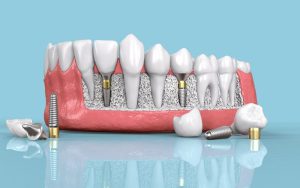
Although dental implants are one of the most durable tooth replacement treatments, like any other permanent treatment, they may present some challenges in the long run. These problems are usually caused by chronic inflammation, poor oral hygiene, unbalanced pressure on the implant, or gradual changes in bone structure. The important thing is that most of the long-term complications are preventable and can be easily treated if diagnosed early. Being aware of these problems will help patients take better care of their implants and increase their lifespan.
Long-term effects of dental implants
- Osteolysis of the jawbone: Osteolysis occurs when bone tissue decreases over time under unbalanced pressure or chronic inflammation. This issue can also affect previous bone grafting. Bone loss causes a gap between the gum and the veneer, the loosening of the implant, or a feeling of pain when chewing.
- Implant loosening: Long-term implant loosening usually occurs due to trauma, grinding, improper plating, or bone loss. If this problem is not treated in time, it may lead to the complete failure of the implant. Peri-implantitis (inflammation around the implant): one of the most serious complications is peri-implantitis; A condition similar to gum disease in which the soft tissue and bone around the implant becomes inflamed and infected. If peri-implantitis progresses, it can cause bone loss and loosening of the implant.
- Damage to surrounding nerves: In rare cases, prolonged pressure of the veneer or improper contact with the gum can irritate the nerves. This issue may be accompanied by numbness, intermittent pain or a tingling sensation.
How can these complications be avoided?
- Oral health care: Daily brushing, flossing and The right mouthwash reduces the possibility of plaque formation and inflammation. Oral hygiene is the most important factor in the lifetime of the implant.
- Periodic visits to the dentist: The dentist can evaluate the condition of the gums, bone, veneer and the amount of pressure on the implant. These meetings prevent many problems.
- Choosing an experienced specialist: a professional surgeon minimizes the possibility of problems in the future with careful planning and the right choice of implant size.
What is bone grafting for dental implants? Investigating possible problems and the relationship with dental implant complications
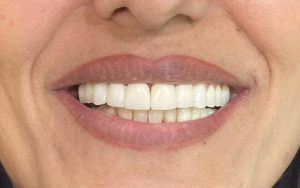
Bone grafting is a step that is performed in many patients before implant implantation in order to strengthen the height or thickness of the bone. This procedure is successful in most cases, but like any other surgical treatment, there may be some complications. These side effects are usually temporary and can be controlled by following the post-surgery care. Being aware of these complications helps the patient to enter the treatment more prepared and act faster if symptoms are observed.
Common side effects of bone grafting for dental implants
- Infection: Infection is one of the possible problems of bone grafting and may be caused by the accumulation of bacteria, insufficient hygiene or the body's reaction to the grafting material. Swelling, pain, bad breath and purulent discharge are signs of infection. Swelling and pain: Swelling is normal after bone grafting and usually peaks in the first 48 to 72 hours. Some patients experience moderate to severe pain that can be controlled with anti-inflammatory drugs and cold compresses.
- Bone nonunion: If the body is unable to make a stable connection with the bone graft, the graft may not fuse completely. This problem occurs mostly in smokers or patients with underlying diseases. Inflammation and Bleeding: Irritation of the gum tissue or excessive pressure on the sutures may cause mild bleeding or inflammation. This problem is usually temporary, but needs care.
- Bone graft rejection: In rare cases, the body may reject the graft tissue. This state is associated with pain, severe swelling or protrusion of the graft material.
How can these complications be avoided?
- Choosing an experienced surgeon: an experienced specialist can accurately choose the right type of graft, location and required amount of bone to reduce the possibility of problems.
- Maintaining oral hygiene: keeping the mouth clean, preventing the accumulation of bacteria and avoiding manipulation of the surgical area, plays an important role in preventing infection.
- Following the doctor's orders: Timed use of medicines, consumption of soft foods, adequate rest and avoiding smoking, all have a direct effect on the success of bone grafting.
How Can dental implant complications be prevented? Comprehensive guidance to avoid potential problems
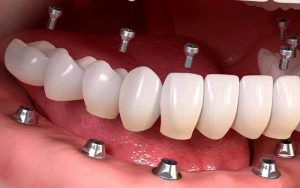
Prevention of implant complications is not limited to the skill of the surgeon; A set of measures before, during and after surgery must be strictly followed. Many problems such as inflammation, infection, implant loosening, bone loss or even pain referred to the ears and sinuses occur when one of these steps is not done correctly. Observing the following points will help to significantly increase the success rate of the implant and allow the patient to experience a more comfortable recovery period. This guide provides a comprehensive view of the most important principles of prevention.
Tips to prevent dental implant complications
- Choosing an expert dentist: The most important measure to prevent complications in dental treatment services is choosing someone who has sufficient experience in planning and performing surgery. The specialist reduces the risk of surgery by carefully examining the sinuses, jaw bone, vessels and nerves. Also, the use of advanced imaging such as CBCT is very important in making accurate decisions. Oral hygiene: Oral hygiene not only prevents inflammation, but also makes the implant last much longer. Basic brushing, using dental floss for implants and antibacterial mouthwashes are the most important measures. The presence of plaque around the implant is the most important cause of peri-implantitis and bone loss. Following the doctor's instructions after surgery: Medicines, cold compresses, rest, avoiding pressure on the jaw and proper nutrition all play a key role in the healing process. Failure to follow these simple recommendations is the main reason for many dental implant complications.
- Regular dental examinations: Even if there are no symptoms, the condition of the gums, bone and veneer should be checked periodically. Early diagnosis of any kind of inflammation or bone problem multiplies the probability of treatment success.
What measures should be taken in case of dental implant complications? The Complete Guide to Managing Issues
Observation of abnormal symptoms after dental implants should not be ignored. Some symptoms, such as mild swelling or temporary pain, are normal, but symptoms such as heavy bleeding, purulent discharge, loosening of the implant, or bad breath can indicate serious complications. In this situation, you should see a dentist immediately. Any delay can cause inflammation, bone loss or even complete failure of the implant. In this section, important measures for immediate management of these problems are explained.
Essential measures in case of dental implant complications
- Urgent consultation with a dentist: The first and most important step is to contact a specialist dentist. A quick diagnosis can prevent the problem from progressing and reduce the need for more complex treatments.
- Using prescribed medications: Antibiotics, anti-inflammatory medications, and mouthwashes are commonly prescribed to control infection or inflammation. It is necessary to take medicines regularly.
- Maintaining oral and dental hygiene: the patient must be careful not to stop brushing or flossing; but more carefully clean the areas around the implant.
- Avoid bad habits: smoking, alcohol, chewing hard foods and clenching teeth can make the condition worse. Avoiding these things will help control the problem faster. Corrective treatments: In some cases, such as implant loosening or bone loss, additional surgery, bone grafting, or even implant replacement may be required. Laser treatments are also very effective in cases of moderate inflammation.
Do implants cause problems for all people?
No. Implants are a very successful procedure for most people, and global statistics show that the success rate is usually above 95%. Problems usually arise when the patient's underlying conditions are not properly assessed or post-operative care is not followed. People with uncontrolled diseases such as severe diabetes, advanced osteoporosis, or high immune disorders may need a more careful evaluation. Therefore, the implant is safe for many people, but the diagnosis of the competence to do it should be done by a specialist dentist.
How can the dental implant not be successful and we suffer dental implant complications?
Dental implants fail or suffer complications when the bone connection with the implant base is not fully established or when unbalanced pressure is applied to the implant. The main factors include untreated gum disease, smoking, insufficient care, underlying diseases, incorrect choice of implant size or incorrect placement. If neglected, these problems can lead to peri-implantitis, implant loosening, bone loss or rejection.
Role Medical history of dental implant complications
The general health of the body plays an important role in the success of the implant. Uncontrolled diseases, taking certain medications, immune system problems, a history of radiotherapy or uncontrolled diabetes can increase the risk of complications. Examining the patient's medical history before surgery is one of the important stages of implant consultation, and the specialist chooses the appropriate method according to this information.
1- Understanding the impact of medical conditions
Uncontrolled diabetes, heart disease, coagulation problems, vitamin D deficiency, or corticosteroids can slow tissue repair and increase the likelihood of infection or inflammation. Patients with osteoporosis may also need a more detailed examination before surgery.
2- The effect of lifestyle factors
Daily habits such as smoking, alcohol consumption, chronic stress or poor nutrition can negatively affect the bone and gum healing process. Smoking increases the risk of bone loss and implant rejection.
3- The importance of a complete medical evaluation during the implant consultation
During the consultation session, the specialist must review the medical history, evaluate the patient's medications and prescribe additional tests if necessary. This evaluation helps to choose the best treatment plan with the least risk.
Conclusion
Knowing the factors that can cause problems and following care recommendations plays a key role in increasing the success of treatment. Implant is a reliable method, but like any medical treatment, it requires investigation, care and cooperation of the patient. Paying attention to health details, reading a valid Dental Journal, complete medical evaluation and periodic visits will significantly reduce the likelihood of complications and allow for long-term results.
Frequently asked questions1- Are dental implants painful?
Pain after surgery is usually mild to moderate and is controlled with prescription medications.
2- What are the common complications after dental implants?
Swelling, mild pain, limited bleeding and gum sensitivity are the most common cases.
3- Can the dental implant get infected?
Yes. Lack of hygiene or the presence of underlying diseases can increase the risk of infection.
4- Is it possible for the body to reject the implant?
This is rare and usually occurs if there is no bone fusion or inflammatory reaction.
5- What should I do if my dental implant fails?
You should see a dentist immediately to check the cause and if necessary, correct treatment.
6- Can dental implants cause an allergic reaction?
Rarely. Titanium sensitivity is very rare and can be checked with diagnostic tests.
7- How to prevent dental implant complications?
Health care, regular examinations and choosing a specialist doctor play a key role.
8- Are dental implants suitable for all people?
No; People with uncontrolled problems such as diabetes or low bone density need additional investigations.
9- What is the useful life of a dental implant?
With proper care, it can have the same function as a natural tooth for more than 15 to 20 years.
10- Can dental implants cause bad breath?
Yes, this problem may occur in case of inflammation or accumulation of plaque.