Table of contents
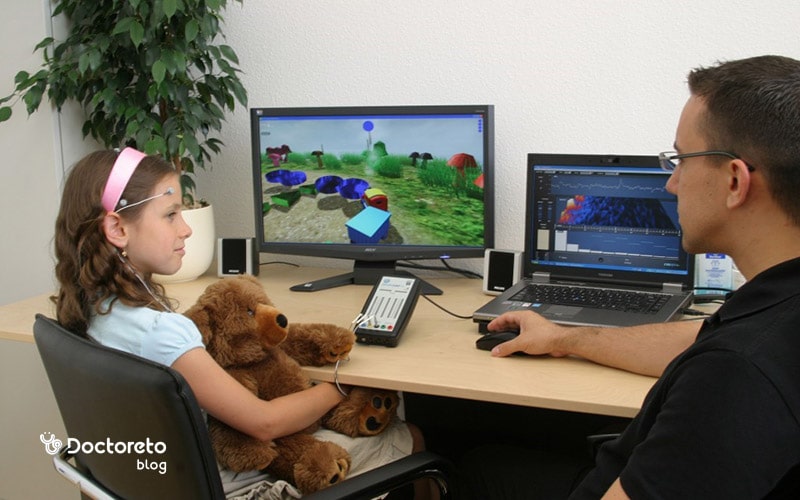
Patients willing to be treated with Loretta Neurofeedback usually express concerns about its safety and side effects. Based on medical reviews, this method is generally considered safe and most patients do not experience severe side effects. However, it is important to be aware of possible side effects such as transient anxiety, fatigue or brain fog. In this article from your doctor, join us to examine the side effects of Loretta Neurofeedback.
Common side effects of Loretta Neurofeedback
Common side effects of Loreta Neurofeedback are usually due to the placement of electrical sensors on the head or the general nature of the treatment. Before considering the side effects that patients may experience during neurofeedback or after treatment, several important points should be noted:
- Each person's response to Loretta Neurofeedback treatment is different.
- Different parts of the brain show different reactions to treatment.
- Most of the side effects caused by this treatment are temporary and disappear after a while.
Considering these points, we can say that the most common side effects of Loretta Neurofeedback usually include the following:
- Mild headache
- fatigue
- Transient anxiety
- brain fog
- Muscle tension
- Temporary sleep disorder
- dizziness
- Excitability
| Common side effects of Loretta Neurofeedback | Rare side effects of Loretta Neurofeedback |
|---|---|
| Mild headache | Seizures |
| Fatigue | Manic attacks |
| Anxiety Transient | Intensification of depression |
| Brain fog | OCD-like symptoms |
| Muscle tension | Intensification of tics |
| Temporary sleep disturbance | Cognitive impairment |
Headache and dizziness
One of the most common side effects that most patients experience after Loretta Neurofeedback sessions is mild headaches and dizziness. Headaches are mild for most patients and gradually improve. But in cases where these headaches are due to improper implementation of neurofeedback treatment, they may become severe.
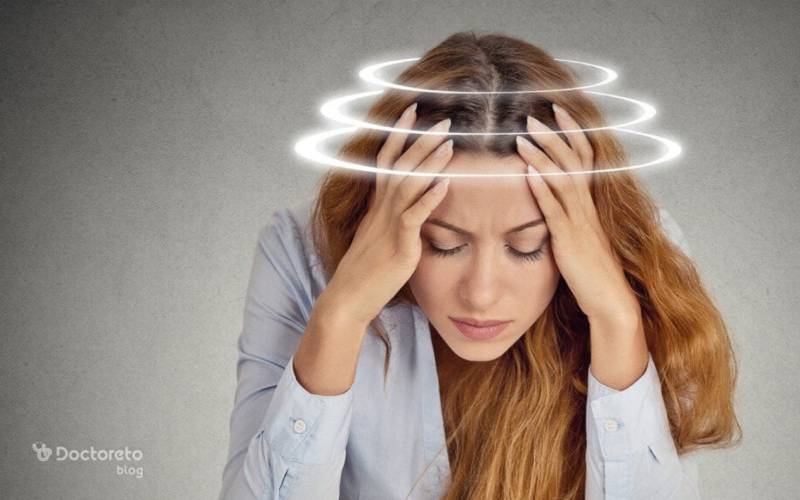
Dizziness is one of the relatively common complications of Loretta Neurofeedback. Patients usually experience this complication during or after the session, and its main cause is usually a change in brain wave patterns; Therefore, as the brain adapts to the new patterns of brain waves, these dizziness may also decrease.
English text:
Not much research has been conducted on the adverse effects of neurofeedback. It generally appears to be well tolerated but has the potential to worsen symptoms being treated and cause headaches or fatigue. Farsi translation: Not much research has been done on the side effects of neurofeedback. In general, this method is usually well tolerated, but in some cases it may worsen the symptoms it is used to treat, as well as cause headaches or fatigue. noopener">aafp
sensitivity or temporary discomfort of the scalp
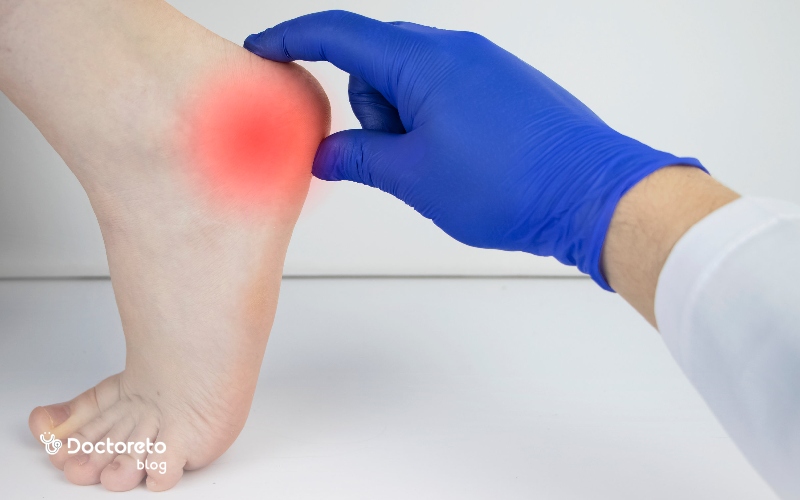
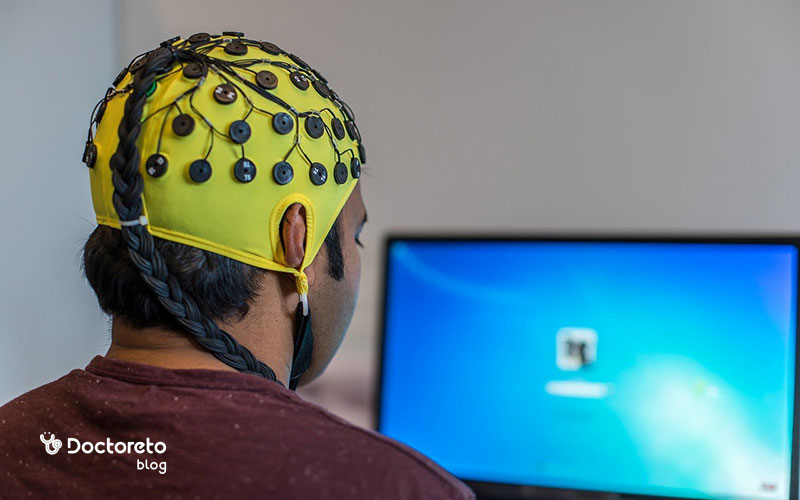
Some people may experience scalp sensitivity during Loretta Neurofeedback sessions, which is mostly temporary. Usually, the reason for sensitivity or temporary discomfort is due to the placement of electrodes, conductive gel or the general effects of neurofeedback on the scalp. In some people, placing and removing the electrodes or the training cap can cause mild and temporary scalp irritation.

feeling tired and weak
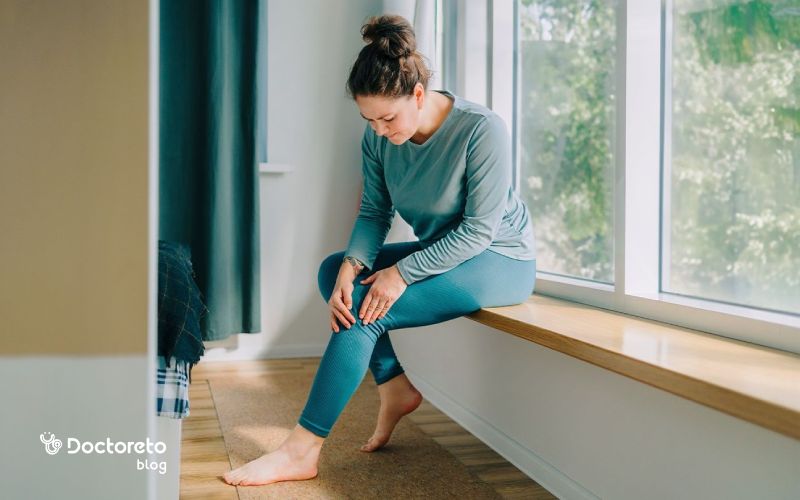
Another side effect of Loretta Neurofeedback is fatigue and feeling weak after each session. This usually happens due to an increase or decrease in the speed of brain waves and causes some patients to feel weak and very tired for a short period of time, which is usually resolved by resting. In addition, sometimes this feeling of weakness and lack of energy is seen in people who are treated to control hyperactivity.English text:
quoted from the site chicagomindsolutions
Increasing or decreasing the speed of brain waves can cause some patients to experience fatigue for a short while.
Persian translation:
Increasing or decreasing the speed of brain waves can cause some patients to experience fatigue for a short while.
Feeling anxiety and irritability
Another side effect of Loretta Neurofeedback is anxiety and increased irritability. This anxiety is mostly due to the attachment of the electrodes to the head or general stress regarding this treatment method. Even some patients feel anxious and irritable after completing the Loretta Neurofeedback treatment session.
Changes in sleep quality
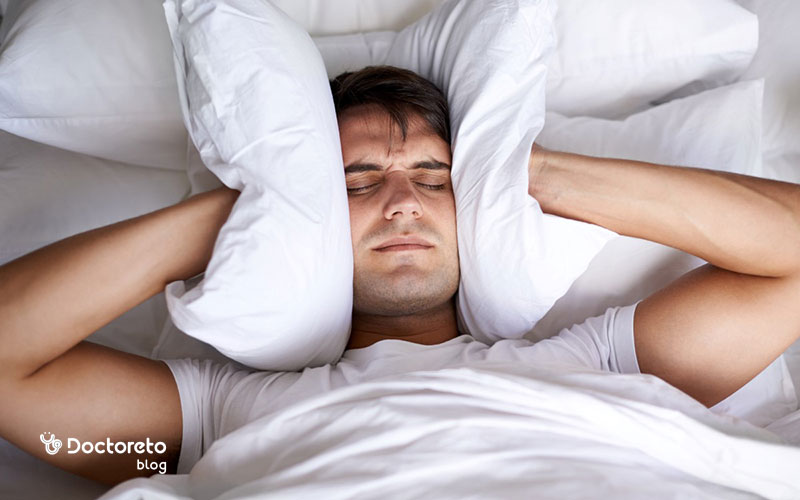
Although Loretta Neurofeedback is used to improve the symptoms of sleep disorders and chronic insomnia, some people may report mild sleep problems. Usually, the reason is the lack of adaptation of the brain to new brain waves. Gradually, as the brain adapts, the problem of insomnia or sleep pattern changes will also be solved.Dangerous and rare side effects of Loretta Neurofeedback
So far, no studies have confirmed that the effects of Loretta Neurofeedback may cause relatively serious damage to the brain. More serious complications occur in cases where treatment is not performed by a person trained in this field or when patients have a history of underlying diseases.
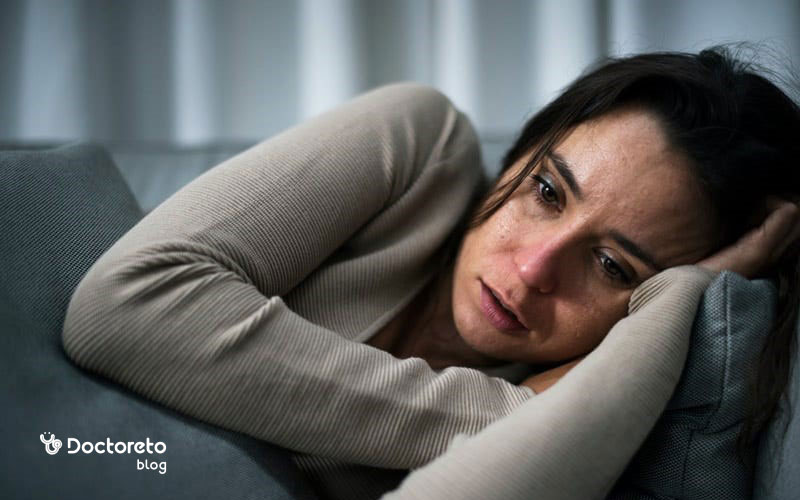
Causes of complications in Loretta Neurofeedback
Loretta neurofeedback effects do not occur with the same severity in different patients. On the other hand, the reason why each patient experiences complications is different and depends on various factors. The following reasons usually cause Loretta neurofeedback complications in different patients:- Inappropriate treatment protocol
- The number of sessions is excessive, ignoring the patient's tolerance and without monitoring the progress of the treatment
- Not personalizing protocols
- Amplification of certain frequencies (such as beta or SMR) more than the tolerance and needs of the patient
Is it possible to prevent Loretta Neurofeedback complications?
The most important thing about the risk of side effects of Loretta Neurofeedback is that the likelihood of each of them occurring is directly related to the experience and skill of your therapist. If the therapist performs this treatment with high precision and skill, the risk of side effects is reduced in most cases.
On the other hand, before starting the treatment, be sure to talk to your therapist about any underlying disease, allergies, or problems you already had, so as to reduce the possibility of side effects. If you experience any discomfort during or after the session, be sure to inform your therapist. Besides these things, try to have a healthier life routine.
Conclusion
As a non-invasive method, Loretta Neurofeedback is generally safe and has few side effects. The most common side effects of Loretta Neurofeedback include mild headaches, fatigue, transient anxiety, and temporary sleep disturbance, which are usually caused by the initial adjustment of EEG patterns and are resolved with neurological adaptation.Rare side effects are usually attributed to inappropriate protocols. As a result, this technique is usually safe, but its effectiveness requires professional supervision due to the variable disorder and protocol. Be sure to consult neurofeedback specialists or neurologists for treatment or more information about Loretta Neurofeedback and its risks.
Your doctor takes care of your health!