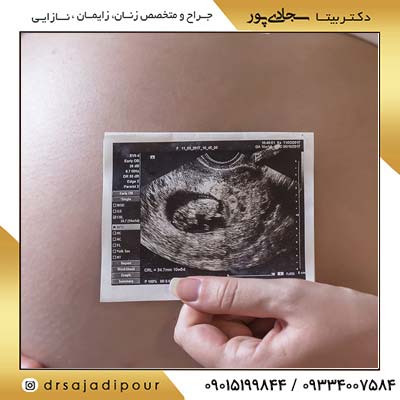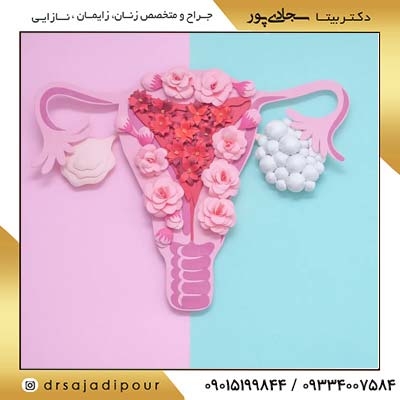


سندرم تخمدان پلی کیستیک (PCOS) یکی از شایعترین اختلالات غدد درونریز در زنان است که تأثیر زیادی بر سلامت باروری، متابولیسم، و ظاهر فیزیکی فرد دارد. This disease is usually diagnosed during puberty or early reproductive age and can be accompanied by symptoms such as hormonal imbalance, menstrual disorders, and increased levels of male hormones. In general, polycystic ovary syndrome is one of the main causes of infertility in women and can lead to various metabolic problems such as obesity, type 2 diabetes, and high blood pressure.
Causes and risk factors of polycystic ovary syndrome
According to pmc.ncbi.nlm.nih.gov
High-calorie diets and sedentary lifestyles might be possible causes of exacerbating PCOS. High-sugar diets may contribute to PCOS by altering gut flora, inducing chronic inflammation, increasing insulin resistance, and increasing androgen production. Obesity and weight gain worsen defining features of this syndrome.
High-calorie diets and sedentary lifestyle may be possible causes of PCOS exacerbation. High-sugar diets may contribute to PCOS by altering gut flora, causing chronic inflammation, increasing insulin resistance, and increasing androgen production. Obesity and weight gain worsen the characteristic features of this syndrome.
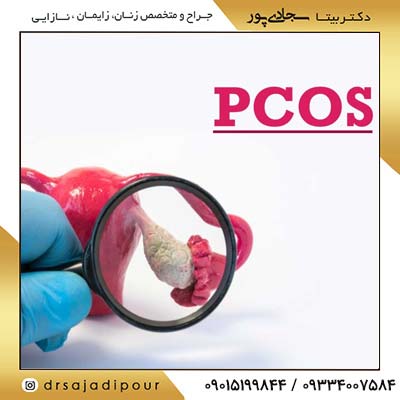
Symptoms and diagnosis Polycystic ovary syndrome
Symptoms of polycystic ovary syndrome can vary from person to person, but some of the most common symptoms include:
- Menstrual disorders: Women with PCOS may experience irregular or even no periods.
- Increased levels of male hormones: This can lead to symptoms such as acne, increased facial or body hair (hirsutism), and male pattern hair loss.
- Polycystic ovary syndrome in ultrasound: In this disease, the ovaries are usually enlarged and full of small cysts (follicular cysts). This feature can usually be detected in abdominal or vaginal ultrasound.
- Weight gain and obesity: Obesity, especially in the abdominal area, is one of the common problems in patients with PCOS.
To diagnose this syndrome, doctors usually use a combination of clinical tests, ultrasound, and blood tests. Blood tests measure the levels of various hormones, including androgens, FSH, LH, and insulin.
Treatment Polycystic ovary syndrome
According to hopkinsmedicine
?How is PCOS treated
- Birth control pills. These help to control menstrual cycles, lower androgen levels, and reduce acne
- Diabetes medicine. This is often used to lower insulin resistance in PCOS
- A change in diet and activity.
- Medicines to treat other symptoms.
How is PCOS treated?
- Contraceptive pills These help control menstrual cycles, reduce androgen levels, and reduce acne.
Diabetes medicine. It is often used to reduce insulin resistance in PCOS.- Change in diet and activity
- Medications to treat other symptoms.
About Polycystic ovary for pregnancy Read the above link.
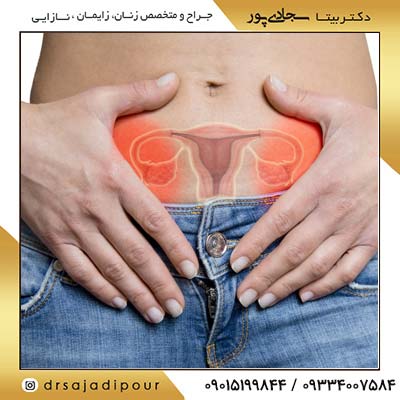
Long-term effects and health consequences
If polycystic ovary syndrome is not treated, it can lead to more serious problems such as type 2 diabetes, high blood pressure, cardiovascular diseases, and uterine cancer. Also, many women with PCOS face psychological problems such as depression and anxiety, which are caused by hormonal changes and appearance problems.
Conclusion
Polycystic ovary syndrome is a complex disorder that has a wide impact on the physical and mental health of women. Early diagnosis and appropriate treatment can help reduce symptoms and improve the quality of life of affected people. Due to the complexities of this disease, medical advice and regular follow-up of patients' conditions are of great importance, especially in the fields of fertility and metabolic problems.[/caption]

![The role of inositol in the treatment of female infertility [obstetrics and gynecology specialist]](/storage/posts/covers/2026/01/05/c0b071d7095fdcbaa34903c34e092d27a7f5b2fc471de3ff89c0a6eb0c446a10.jpg)

![Children's vaginal infection: symptoms and treatment [obstetrics and gynecology specialist]](/storage/posts/covers/2026/01/05/e56f480f09acfaf71854a94f42ccf293be7e378bd9a4adcffd54d5476bf51caa.jpg)
![Breast cancer [breast] symptoms, diagnosis + treatment [gynecologist]](/storage/posts/covers/2026/01/05/0d2c008b72cfbf5343598c8045fd73cdfbfe6a0e567bd035ea8e1fc90702e96a.jpg)

![Vaginal infection in pregnancy: symptoms, diagnosis and treatment [obstetrician and gynecologist]](/storage/posts/covers/2026/01/05/74fbd328a8a4a83f39778f4a417048ddeb814f527d50d1afc9e23bbe0ad5e371.jpg)