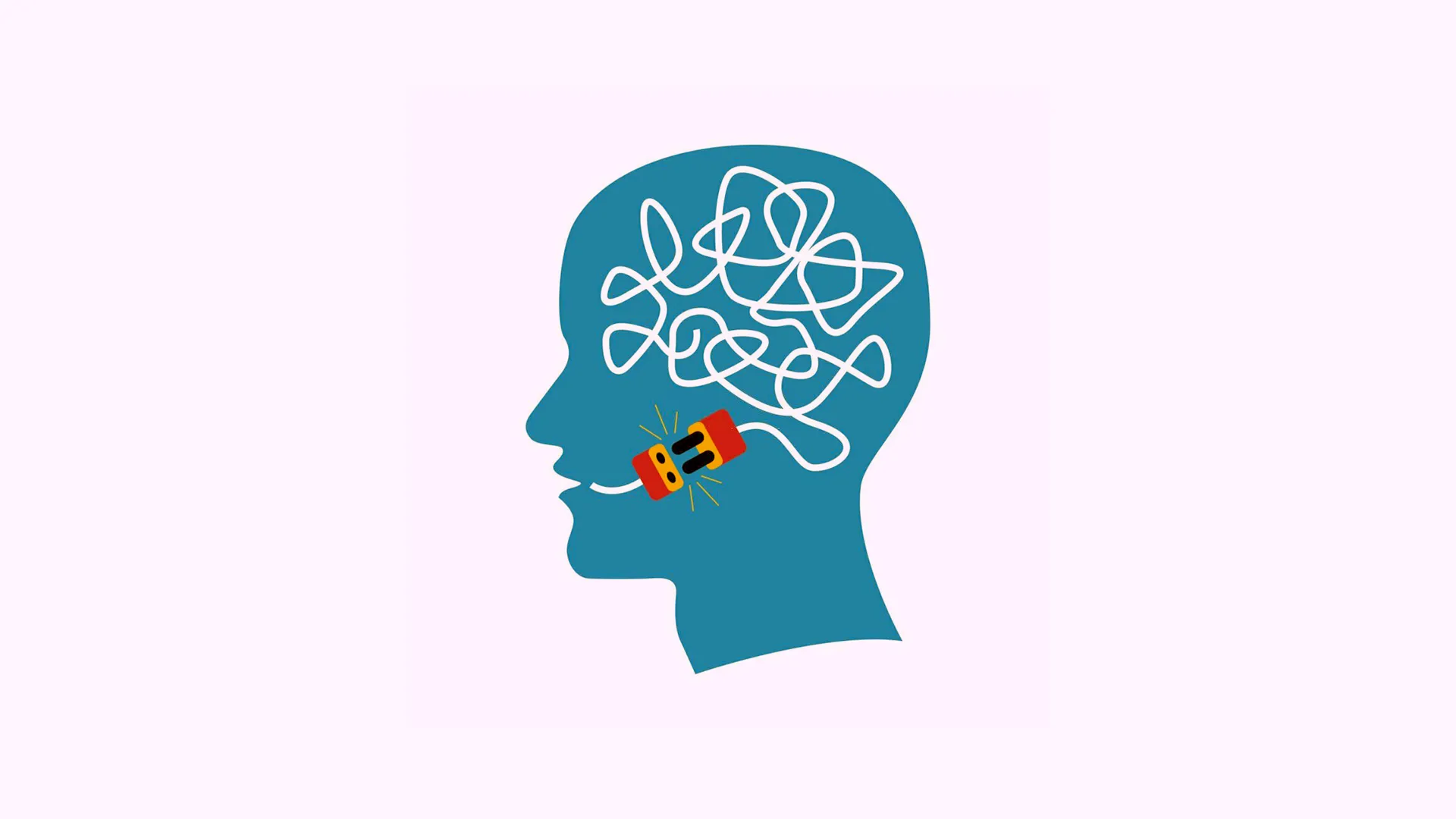

آفازی یکی از شایعترین اختلالات زبانی است که میتواند زندگی فرد و خانواده او را بهطور جدی تحت تأثیر قرار دهد. این اختلال معمولاً در اثر آسیب به بخشهایی از مغز که مسئول زبان هستند ایجاد میشود و توانایی فرد در صحبت کردن، درک گفتار، خواندن و نوشتن را کاهش میدهد. آفازی یک بیماری روانی یا کاهش هوش نیست، بلکه نتیجه مستقیم یک آسیب عصبی است.
آفازی چیست و چرا شناخت آن اهمیت دارد؟
شناخت دقیق آفازی برای تشخیص بهموقع و شروع درمان مناسب اهمیت زیادی دارد. Many people experience language problems after a stroke or head injury, but they or those around them do not know that these symptoms are a sign of aphasia. Early diagnosis can make the treatment process shorter and more effective.
Since aphasia has different degrees and types, public awareness about this disorder plays an important role in reducing patients' anxiety and increasing family cooperation in the treatment process. People with aphasia are usually mentally healthy and only have difficulty expressing or understanding language; Therefore, dealing with them correctly is especially important.
In this article, an attempt has been made to comprehensively investigate aphasia, its types, causes, diagnosis methods and the latest treatment solutions. If you or a loved one is facing aphasia, this guide can provide a clearer path to understand the condition and choose the best treatment method.
How is aphasia created? Examining the causes and risk factors
Aphasia occurs when language parts of the brain are damaged, especially in the left hemisphere. The most common cause of aphasia is stroke, which disrupts blood flow to vital areas of the brain. In this situation, nerve cells are damaged and the ability to process language decreases.
Severe blows to the head, such as car accidents or falling from a height, are another important cause of aphasia. These types of injuries may occur suddenly and at any age. Also, brain tumors that grow gradually can cause progressive aphasia.
Other causes of aphasia include brain infections, brain hemorrhage, neurodegenerative diseases such as Alzheimer's, and some seizures. In some cases, aphasia occurs temporarily after severe migraine attacks or seizures. Risk factors for aphasia include aging, high blood pressure, diabetes, heart disease, and a sedentary lifestyle. People who have these factors are more exposed to stroke and as a result aphasia.Knowing the exact cause of aphasia is very important to choose the right treatment method. The treatment of stroke-induced aphasia is fundamentally different from the treatment of progressive aphasia. For this reason, careful medical evaluation and brain imaging play a key role in the management of this disorder.
Types of aphasia and their differences with each other
Aphasia is not a uniform disorder and it is divided into different types depending on the location and severity of brain damage. Knowing the types of aphasia helps therapists to design a more accurate treatment plan.
Broca's aphasia
One of the most common types is Broca's aphasia. In this type, the person has difficulty expressing words, but the understanding of speech is relatively preserved. The speech of these people is usually short, clipped and accompanied by a lot of effort.
Wernicke's aphasia
Wernicke's aphasia is another type of this disease in which a person can speak fluently, but his speech is often slurred and language comprehension is severely impaired. These people usually do not notice their language mistakes.
Global aphasia
Global aphasia is considered the most severe type of this disease. In this case, both language comprehension and expression are severely impaired, and the person loses the ability to communicate effectively. This type is usually caused by massive strokes.
Anomic aphasia
Another type is anomic aphasia, which is characterized by difficulty naming objects. A person may know the concept but not be able to remember the right word. This type is milder and the response to treatment is better.Diagnosing the type of this disease is the first step towards effective treatment and allows the speech therapist to design more targeted exercises.
About the syndrome Baby Digital Learn more
The difference between aphasia and other speech and language disorders
Aphasia is a language disorder; That is, the main problem occurs in understanding and processing language in the brain. But there are some other speech disorders that look similar to this disease, while their causes and nature are different.
Difference between aphasia and dysarthria
Dysarthritis is a motor speech disorder. In this case:
- muscles of speech (lips, tongue, jaw, or vocal cords) are weak or uncoordinated
- The person knows what he wants to say, but cannot speak clearly
On the contrary, in Aphasia:
- Speech muscles are healthy
- The main problem is in finding words, making sentences or understanding language
📌 In simple language:
Dysarthritis = difficulty in speech
Aphasia = difficulty in language and meaning
The difference between aphasia and apraxia of speech
Apraxia of speech is the inability of the brain to plan speech movements. In this disorder:
- The person knows what he wants to say
- But the brain cannot give precise movement commands to the speech muscles
While in aphasia:
- The main problem in word selection, sentence formation and language comprehension is
- Errors are more linguistic than movement
📌 key difference:
Apraxia of speech = disorder in speech planning
Aphasia = disorder in language system
Aphasia difference and developmental language disorders
Language developmental disorder is usually seen in children and is present from the beginning. In this case:
- The child has difficulty learning the language from the beginning
- There is no obvious brain damage
- It usually occurs after a brain injury such as a stroke or trauma
- Language already existed and then it was disrupted
Difference between aphasia and cognitive problems or dementia
In diseases such as Alzheimer:
- Memory, attention and thinking are gradually damaged
- Speech problem is part of a wider disorder
But in aphasia:
- Intelligence and thinking are usually healthy
- The main problem is limited to language and communication
| Disturbance | main problem |
|---|---|
| Aphasia | Language processing and comprehension |
| dysarthritis | Weakness or incoherence of speech muscles |
| Apraxia of speech | Planning speech movements |
| Language developmental disorder | Language learning problem from childhood |
| dementia | General loss of cognition and memory |
Symptoms and signs of aphasia in children and adults
Symptoms of Aphasia depending on the type, severity and location of brain damage can be different and appear in a specific way in each person. This language disorder may appear suddenly or gradually and affect a person's ability to communicate on a daily basis. Early recognition of symptoms plays an important role in starting treatment quickly and increasing the chances of recovery.
Symptoms of aphasia in adults
In adults, the most common symptom of this language disorder is difficulty speaking and finding the right words. The person may have long pauses when speaking, utter incomplete sentences, or use incorrect words instead of the intended word. In some cases, the speech is fluent, but its content does not have a clear meaning.
Other common symptoms include difficulty understanding other people's speech. The person may not be able to follow simple instructions or understand the meaning of long and complex sentences. Disorders in reading and writing are also very common; So that the person has difficulty in recognizing words, writing correctly or understanding simple texts. These symptoms usually appear suddenly after a stroke or nerve damage.
Symptoms of aphasia in children
Aphasia is less common in children than in adults, but may be caused by a blow to the head, brain infections, or severe seizures. The symptoms of this disorder in children usually appear in the form of delay in the beginning of speech, reduced vocabulary and difficulty in making appropriate sentences.
The affected child may have trouble understanding the conversations of others or may not be able to express his wishes correctly. Sometimes these symptoms are confused with other developmental or speech disorders, which is why professional diagnosis is very important.
Finally, accurate recognition of the symptoms of aphasia and quick referral to a speech therapist or neurologist can prevent the progression of the disorder and make the treatment path shorter and more effective. slow Any sudden change in language abilities, whether in children or adults, should be taken seriously.
Aphasia diagnosis methods and clinical evaluation
Diagnosis of aphasia requires careful and specialized examination and is usually done in several stages. The first step is a medical and neurological examination by a neurologist to determine the underlying cause of the language problem, such as a stroke or nerve damage. At this stage, imaging methods such as MRI or CT scan may be used to accurately check the location and severity of brain damage.
After the medical evaluation, it is time for speech and language evaluation, which is done by the speech therapist. In this examination, various abilities of the person are evaluated, including understanding speech, expressing words, repeating sentences, naming objects, reading and writing. These tests help determine the type and severity of this language disorder and design a treatment plan that fits the patient's needs.
Finally, the results of all evaluations are combined to provide an accurate and reliable diagnosis. Early diagnosis of this speech disease plays a very important role in the success of the treatment, because the quick start of rehabilitation can accelerate the recovery process and significantly increase the quality of communication and life of the person.Treatment of aphasia with speech therapy; The most effective method of rehabilitation
Speech therapy is considered the main and most effective method for improving aphasia and other language disorders caused by brain injuries. The main goal of this treatment method is to help the person to recover communication skills, increase the ability to express and understand the language and finally improve the quality of life. Speech therapy is not limited to speaking, but includes all aspects of communication, including understanding speech, reading, writing, and even using alternative methods of communication.
In speech therapy sessions, the treatment program is designed as completely person-oriented. Exercises are selected depending on the type of language disorder, its severity and the daily needs of the person. These exercises can include strengthening speaking, increasing vocabulary, improving sentence structure, listening comprehension, and reading and writing exercises. Besides speech therapy, occupational therapy and neurorehabilitation also play an important role in restoring daily functions. Occupational therapy helps a person to strengthen cognitive skills, concentration, memory and the ability to perform daily activities and communicate more effectively with the surrounding environment.
The best speech therapy Online for you
The process of treating this speech problem requires patience, persistence and regular practice. Progress may be gradual, but with continued follow-up, many patients achieve significant improvement. In some cases, group speech therapy is also recommended; These meetings provide an opportunity to practice communication in a social environment and increase a person's self-confidence. Also, the role of the family is very prominent in this direction. Educating the family about the correct way to communicate with the affected person and their participation in rehabilitation exercises can speed up the treatment process and create more stable results.
The best online occupational therapy and the best occupational therapy in Karaj
Pharmaceutical treatments and new technologies in this language disorder
Pharmaceutical treatment alone cannot completely resolve this language disorder, but in some patients it is used as an auxiliary method along with rehabilitation. Some drugs provide better conditions for restoring communication functions by improving cerebral blood flow or increasing nerve activity. The use of these drugs must be done with the prescription of a specialist doctor in order to have the most effectiveness and the least side effects.
In recent years, new technologies have played an important role in improving this speech problem. Speech therapy software, training applications and interactive programs help patients to do language exercises in a regular and more attractive way. In addition to increasing motivation, these tools also provide the possibility of more practice outside of therapy sessions.
Also, methods such as non-invasive brain stimulation performed in some specialized centers can increase the effectiveness of rehabilitation. Despite the progress of these techniques, speech therapy is still the main basis of treatment for this neurological condition, and the use of new methods should be done under the supervision of an expert. The combination of traditional approaches and new technologies can create better results in the improvement process.
The role of family and caregivers in improving this language disease
Family and caregivers are considered one of the most important elements in the recovery process of this language disease. A person who faces this speech disorder, in addition to communication problems, usually suffers from anxiety, reduced self-confidence and feelings of isolation. The active presence of the family and the creation of a supportive, safe and stress-free atmosphere can have a significant effect on the patient's motivation to continue treatment. When the patient feels understood and supported, his cooperation in the rehabilitation process increases.
Educating the family about the nature of this neurological disorder is very important. When the family members know that the patient's problem is not caused by a decrease in mental abilities, but is the result of a brain injury, they will treat him more correctly. Using short and simple sentences, speaking at a suitable speed, making eye contact and giving enough time to answer are some of the strategies that help improve communication. Not interrupting the patient's speech and avoiding constant correction of his speech also plays an important role in maintaining a person's mental peace.
Encouraging the patient to use alternative methods of communication is another important task of caregivers. Using gestures, hand gestures, writing key words, using images or even digital tools can help a person with this neurological condition to better express their needs and feelings. These methods not only reduce the mental pressure caused by the inability to speak, but also give the patient a sense of independence and more control.
Also, the participation of the family in the therapeutic exercises recommended by the speech therapist has a significant effect on the healing process of this speech problem. Regular practice at home, patient companionship and verbal encouragement will make treatment progress faster and more stable. Finally, the emotional support of the family and caregivers not only facilitates the treatment process of this disease, but also significantly improves the quality of life of the patient and prepares him for a more active return to social life.
Learn more: AWhat is learning disability?
Is aphasia curable?
Although aphasia is a complex and challenging problem, it is manageable and curable in many cases. The rate of patient progress depends on several factors; including the cause of this disease, the severity and location of the brain damage, the age of the person, the general state of health and most importantly, the time to start the treatment. People who start rehabilitation in the early stages usually experience better results.
With timely diagnosis, regular and planned speech therapy as well as family support, many people with this communication disorder can recover a significant part of their language abilities. In some cases, this speech problem may not be completely resolved, but the main goal of treatment is always to return the maximum ability to communicate, increase the individual's independence and improve the quality of life. Even small improvements in communication skills can have a big impact on a patient's daily life.
The important point is that the recovery path of this neurological disease requires awareness, patience and continuous follow-up. Progress may be gradual with ups and downs, but frustration slows down the healing process. Emotional support of those around you, maintaining motivation and trust in the rehabilitation process play a very important role in the success of the treatment. If you or one of your loved ones is facing this language disorder, know that there are effective ways to adapt and improve, and by receiving professional help, you can experience a brighter future and more effective communication.





