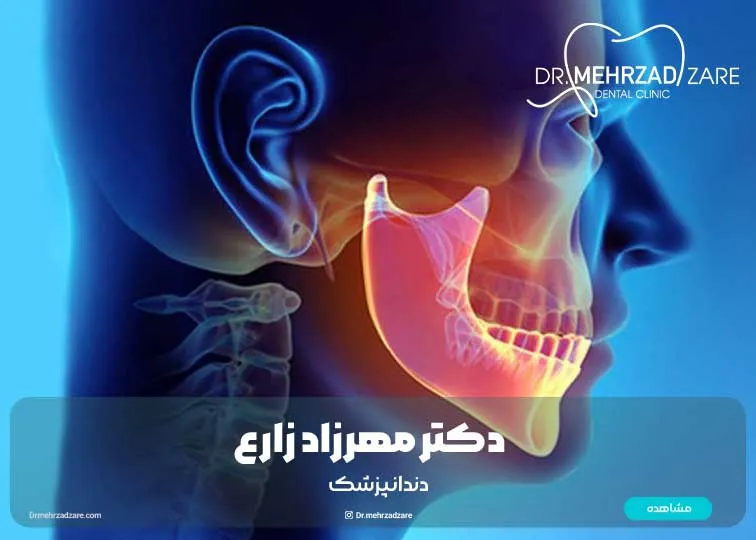

The jaw plays a key role in speaking, chewing, swallowing and even breathing. Any damage to this important structure can seriously disrupt a person's daily life. Jaw fracture is one of the common injuries in accidents, physical conflicts and falls. Early detection of jaw fracture symptoms is very important, because delay in treatment can lead to permanent complications.
Many people do not know what the symptoms of a broken jaw are, and this ignorance makes them consider the injury simple. In this article, in a complete and scientific way, we examine the symptoms, causes, methods of prevention and treatment of jaw fracture.
When a doctor talks about a broken jaw, he may be referring to:
-
Simple fracture
-
Displaced Fracture
-
multiple fracture
-
Open fracture with wound
The correct understanding of the symptoms of a jaw fracture is directly related to the type and severity of the fracture.
Symptoms What is a jaw fracture? (Detailed and specialized review)
Symptoms of a broken jaw usually appear immediately after the impact, but sometimes some symptoms gradually intensify.
1. Severe and persistent pain in the jaw
Pain is the first and most common response of the body to a broken jaw. A person feels a clear pain when talking, chewing or even resting.
2. Swelling and inflammation of the face
Swelling appears quickly in the area of the jaw, cheek or under the ear. This swelling is often accompanied by a feeling of warmth and sensitivity.
3. Disturbance in opening and closing the mouth
Many patients cannot fully open or close their mouth. This sign is considered one of the most important answers to the question of what are the signs of a broken jaw.
4. Disturbance of teeth
When the upper and lower teeth do not fit together properly, the possibility of jaw fracture increases.
5. Lip or chin numbness
Damage to the nerves of the jaw causes numbness or tingling in the lower lip and chin.
6. Bleeding inside the mouth
The presence of unexplained blood, especially after trauma, is a serious warning sign.
7. The sound of clicking or moving the bone
Some patients experience an abnormal sound or the sensation of bone movement when moving the jaw.
In children, jaw fractures are more difficult to diagnose. The child may:
-
refuse to eat
-
cry too much
-
move your mouth less
Parents should know that the symptoms of jaw fracture in children sometimes remain hidden and require specialized examination.
Common causes of jaw fracture
Knowing the reasons plays an important role in prevention. شایعترین دلایل عبارتاند از:
تصادفات رانندگی
ضربه مستقیم به صورت یکی از مهمترین عوامل شکستگی فک است.
درگیریهای فیزیکی
ضربه مشت یا جسم سخت به فک، آسیب جدی ایجاد میکند.
سقوط از ارتفاع
افتادن از پله، دوچرخه یا ارتفاع، خطر شکستگی فک را افزایش میدهد.
آسیبهای ورزشی
ورزشهای رزمی و پربرخورد، ریسک بالاتری دارند.
روشهای تشخیص شکستگی فک
پزشک برای تشخیص دقیق:
-
معاینه بالینی انجام میدهد
-
از تصویربرداری مانند رادیوگرافی یا CT اسکن استفاده میکند
تشخیص سریع، روند درمان را کوتاهتر و موفقتر میکند.

روشهای درمان شکستگی فک
انتخاب درمان به شدت آسیب بستگی دارد.
درمانهای غیرجراحی
-
بستن فک با کش یا سیم
-
رژیم غذایی نرم
-
مصرف داروهای ضد درد و ضد التهاب
درمانهای جراحی
در شکستگیهای شدید، جراح با استفاده از پلاک و پیچ، استخوان را تثبیت میکند.
نقش فیزیوتراپی و تمرینات مناسب پس از درمان
پس از درمان، بیمار باید حرکت فک را بهتدریج بازیابی کند.
تمرینات مناسب فک
-
باز و بسته کردن کنترلشده دهان
-
حرکات جانبی ملایم
-
تمرینات کششی عضلات فک
این تمرینات به کاهش خشکی و بازگشت عملکرد طبیعی کمک میکنند.
درمانهای جایگزین و حمایتی
در کنار درمان پزشکی:
-
کمپرس سرد در روزهای اول
-
تغذیه نرم و مقوی
-
مکملهای کلسیم و ویتامین D
نقش حمایتی مهمی دارند.
روشهای پیشگیری از شکستگی فک
پیشگیری همیشه بهتر از درمان است:
-
استفاده از کمربند ایمنی
-
کلاه ایمنی در ورزش و موتورسواری
-
محافظ دهان در ورزشهای رزمی
-
پرهیز از درگیریهای فیزیکی
عوارض بیتوجهی به علائم شکستگی فک
نادیده گرفتن علائم میتواند باعث:
-
جوشخوردگی نادرست استخوان
-
درد مزمن فک
-
اختلال دائمی در جویدن
-
مشکلات مفصل فکی-گیجگاهی
شود.
نتیجهگیری علائم شکستگی فک
حال که میدانیم علائم شکستگی فک چیست، اهمیت تشخیص زودهنگام بیش از پیش مشخص میشود. Pain, swelling, disturbance in jaw movement and misalignment of teeth are symptoms that should not be ignored. Quick visit to the doctor, appropriate treatment and rehabilitation exercises play a key role in the complete recovery of the patient.
10 Frequently Asked Questions
-
Does a broken jaw always hurt?
Yes, it often causes obvious pain. -
Can jaw fractures be treated without surgery?
In mild cases, yes. -
Is a fractured jaw dangerous?
If neglected, yes. -
How long is the treatment of jaw fracture?
Usually 4 to 8 weeks. -
Will the jaw become completely normal after treatment?
With proper treatment, yes. -
Does a broken jaw cause permanent numbness?
It is temporary in most cases. -
Is it possible to eat during treatment?
Yes, with a soft diet. -
Is exercise allowed after treatment?
After the doctor's permission. -
Is it dangerous to break your jaw while sleeping?
In extreme cases, yes. -
When should you go to the doctor?
Immediately after the injury and symptoms appear.
10 misconceptions
-
Only severe pain is a sign of a broken jaw ❌
-
Without swelling, there is no fracture ❌
-
A broken jaw heals by itself ❌
-
Only an accident causes a broken jaw ❌
-
Surgery is always necessary ❌
-
Children do not suffer from jaw fractures ❌
-
After treatment, exercise is not necessary ❌
-
Anesthesia is always permanent ❌
-
Eating is absolutely forbidden ❌
-
Jaw fracture is a simple problem ❌





