
What are the causes and symptoms of wisdom tooth infection and how should it be treated? - Dr. Aso Hamzei

Dr. Aso Hamzai
تهرانdentist
dentistry in North Tehran » dentistry articles » What are the causes and symptoms of wisdom tooth infection and how should it be treated?
What are the causes and symptoms of wisdom tooth infection and how should it be treated?
- November 6, 1404
- 12:04 p.m
- no comment
Wisdom tooth infection is usually caused by a wisdom tooth's impact or incomplete growth and the accumulation of bacteria around it, causing pain, swelling, pus secretion, and bad breath. To treat a wisdom tooth abscess, antibiotics, extraction or wisdom tooth surgery should be used, and if it is neglected, this infection will turn into a severe infection or the infection will spread to the blood. Observing oral hygiene and going to the dentist is the best way to prevent and treat this infection.
What is wisdom tooth infection
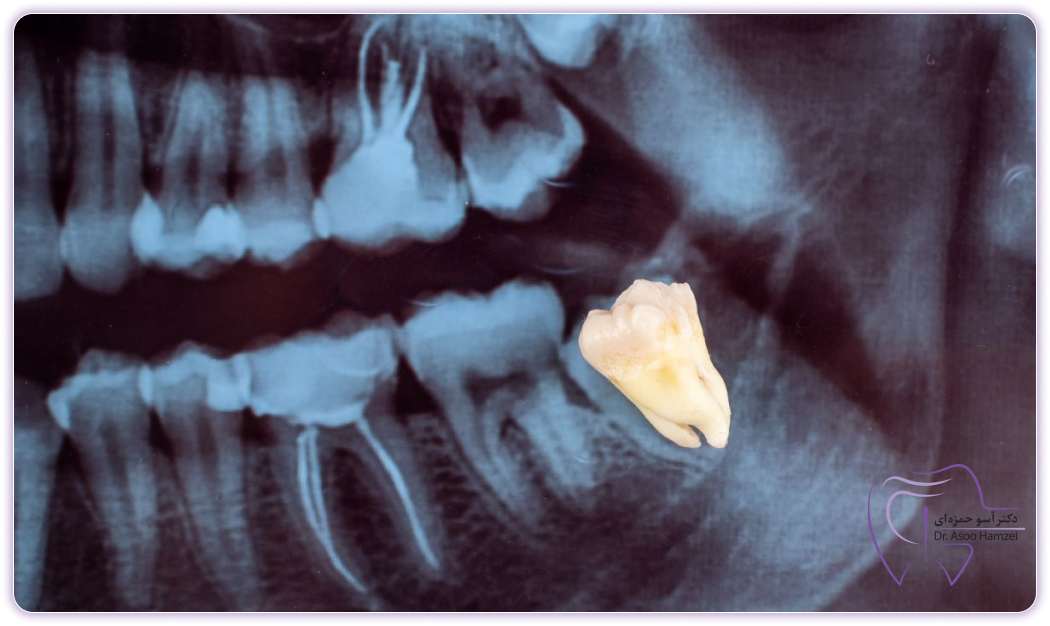
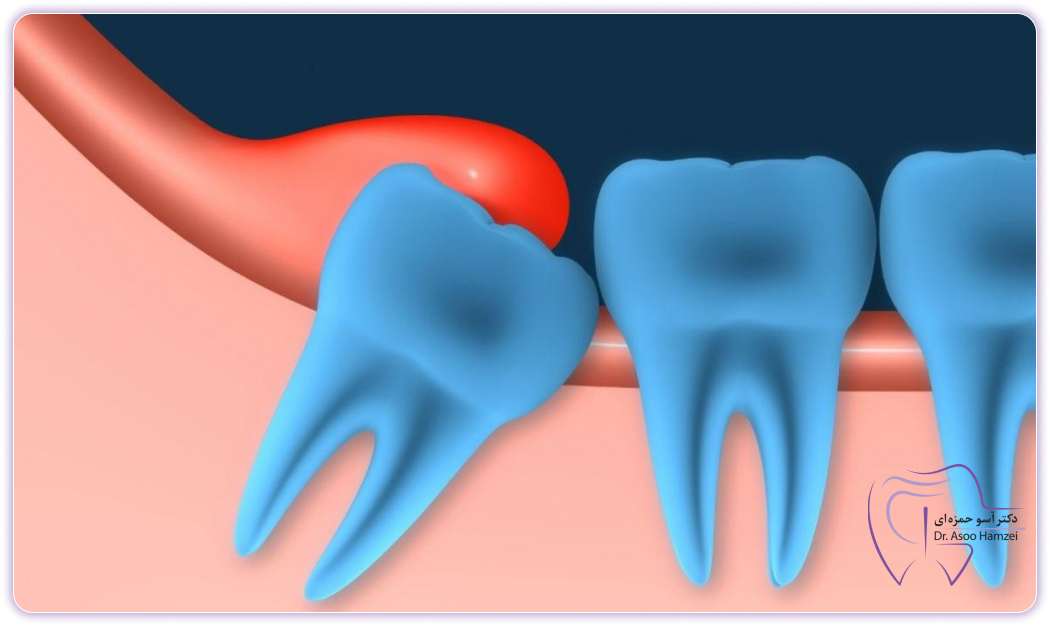
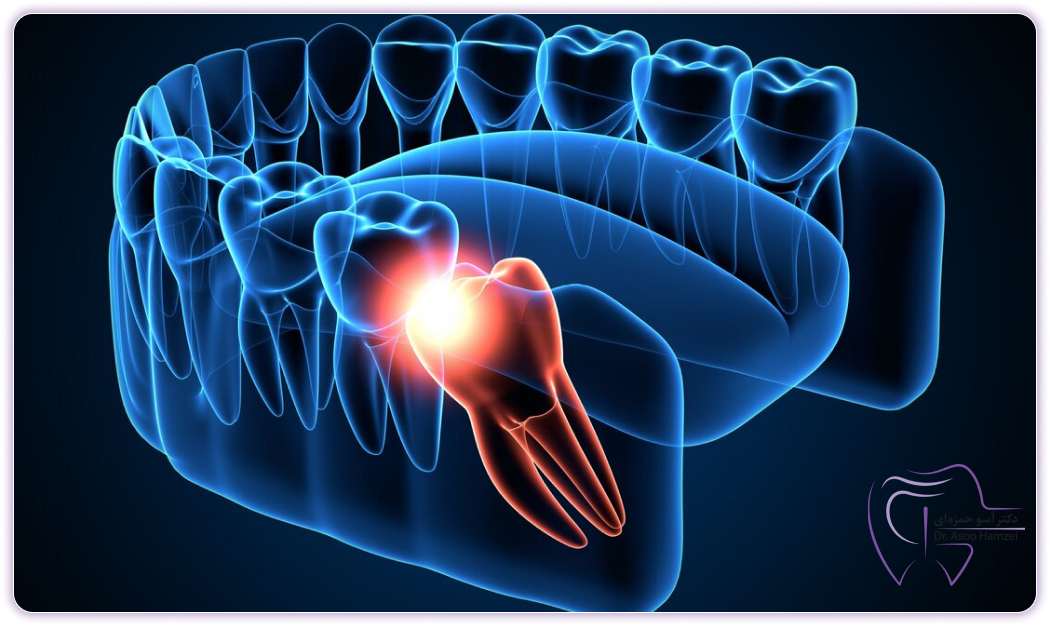
If your wisdom teeth are impacted or partially impacted, that is, they have not erupted from the gums or if half of them have erupted from the gums, they can create a source and a place for the accumulation of bacteria and food. In this case, these bacteria accumulate around the wisdom tooth and can eventually cause a wisdom tooth abscess or wisdom tooth abscess. If this infection is not treated, it can cause many problems and even transfer the infection into the blood and cause risks such as blood infection or even worse, so it is suggested to go to the dentist as soon as possible to treat the infection.
Symptoms and symptoms of wisdom tooth infection
- Severe and continuous pain in and around the wisdom tooth area.
- Swelling and inflammation of the gums and sometimes swelling of the cheek near the wisdom teeth.
- Redness and sensitivity of the gums around the infected tooth.
- Bad breath and bad and unpleasant taste in the mouth due to pus or discharge from the area of infection.
- discharge of pus or infectious liquid from the gums.
- Difficulty or pain when opening the mouth and chewing food.
- Fever and sometimes chills as systemic symptoms of infection. Enlargement and pain of the lymph nodes under the jaw
- Ear pain or sore throat which can be caused by the spread of infection.
These symptoms are a sign of infection in the wisdom tooth, and if you see them, you should see a dentist immediately so that proper treatment can be performed and serious complications can be prevented.
Reasons and causes of wisdom tooth infection
This infection is usually caused by growth problems and insufficient space in the mouth, the most important of which are the following.
- Incomplete wisdom tooth eruption due to the lack of space in the jaw, which causes the tooth to not erupt completely and the surrounding gum becomes a suitable environment for the accumulation of bacteria and remaining food particles. These conditions cause infection.
- Difficulty in cleaning and accessing a hidden or semi-hidden wisdom tooth, especially when brushing and flossing, which causes the accumulation of plaque and bacteria and ultimately leads to gingivitis and infection.
- Inflammation of the gums (periodontitis) around wisdom teeth, which leads to infection, especially if not treated in time.
- wisdom tooth decay which is caused by the accumulation of bacteria in the tooth and if it cannot be treated, it leads to infection.
- Weak immune system in some people, which reduces the body's resistance to infection and increases the possibility of infection in the wisdom tooth area.
- Non-observance of oral and dental hygiene after extraction or wisdom tooth surgery, the presence of previous inflammation or infection, and the surgical site not being completely closed can cause infection.
Diagnosis of wisdom tooth infection
To check this infection, the dentist must examine your mouth and teeth clinically and using imaging. After examining the signs and symptoms, the dentist will determine how far the infection has progressed and what methods or drugs should be used to treat it. The best imaging methods include panoramic radiography (OPG), which is a two-dimensional image of the entire jaw and teeth, and CBCT imaging, which is a three-dimensional image.
Treatment of wisdom tooth infection
There are different methods to treat this infection, the most important of which are the following. Of course, the determination of the method must be confirmed by the dentist.
Treatment of wisdom tooth infection with antibiotic tablets
In cases where a wisdom tooth abscess causes inflammation and severe pain, the dentist may prescribe antibiotics to kill the bacteria. Medications such as amoxicillin or metronidazole are commonly used to control wisdom tooth abscesses. It is very important to take the medicine regularly and completely according to the doctor's order to prevent the return or spread of the infection.
Pulling an infected wisdom tooth
If the wisdom tooth is severely infected and medical treatment is not effective, there is no other option but to extract the wisdom tooth. In this method, the dentist first controls the infection to some extent with medicine and then removes the tooth in a sterile environment. This action makes the main source of wisdom tooth infection disappear and the recovery process starts faster.
Wisdom tooth infection procedure
In some cases, the wisdom tooth abscess may have spread to the surrounding tissues and there is a need for minor surgery to drain the pus or repair the gum. In this operation, the dentist opens the infected area and provides the basis for recovery by washing and disinfecting the area. This procedure is usually performed along with the use of additional antibiotics to completely eliminate the wisdom tooth infection.
Traditional treatment of wisdom tooth infection
In traditional medicine, to reduce pain and inflammation caused by infection
 Wisdom tooth is made from natural ingredients such as salt, garlic, turmeric and cloves. These substances have antibacterial and anti-inflammatory properties and can speed up the healing process. Of course, these methods have more of an auxiliary role and do not replace dental treatments.
Home treatment of wisdom tooth infection after its extraction
After tooth extraction, home care plays an important role in preventing wisdom tooth abscess from returning. Rinsing the mouth with lukewarm salt water, avoiding hard foods, using a cold compress to reduce swelling, and maintaining complete oral hygiene are effective measures. These cares help to heal the wound faster and prevent re-infection.
Complications of wisdom tooth infection
If the wisdom tooth abscess is not treated, it can cause many problems for the patient, the most important of which are the following. Gums and cheeks

Prevention of wisdom tooth infection
In order to prevent the development of wisdom tooth abscess, you should follow the care recommendations after its extraction or surgery and also before its removal. Be careful and follow each of them, the most important of which are:
- Brushing twice a day with fluoride toothpaste for at least two minutes each time.
- Using dental floss daily to clean the space between the teeth and around the wisdom teeth.
- Washing the mouth with an antibacterial mouthwash solution after brushing and flossing, in order to reduce Oral bacteria.
- Visit the dentist every six months to check the wisdom teeth, especially if they are hidden or partially hidden.
- Periodic radiographs to check the position of the wisdom teeth and predict possible problems.
- Reduce the consumption of sugar and sticky substances that cause the accumulation of plaque. body.
- Avoid smoking and tobacco products because they irritate the gums and increase the risk of infection.
- Keeping the surrounding area of complex or semi-erupted wisdom teeth clean with proper cleaning (floss and toothbrush for posterior jaws).
- Avoid eating hard or chunky foods that may damage the gums or around the wisdom teeth.
- If you feel severe pain or swelling or bleeding. Abnormally see a dentist.
- If there is an abscess or discharge of pus, seek dental care immediately to prevent the spread of infection.
Wisdom tooth infection in adults
Wisdom tooth abscess in adults usually occurs when the soft tissues around the wisdom tooth, especially If the tooth is partially embedded or embedded, they will suffer from inflammation and accumulation of bacteria. This infection is known as perichronitis and causes pain, swelling, redness and may discharge pus and bad breath. Factors such as improper growth of wisdom teeth, accumulation of bacteria and lack of oral hygiene can lead to this type of infection, which may lead to more serious problems if left untreated.
Wisdom tooth infection after surgery or extraction
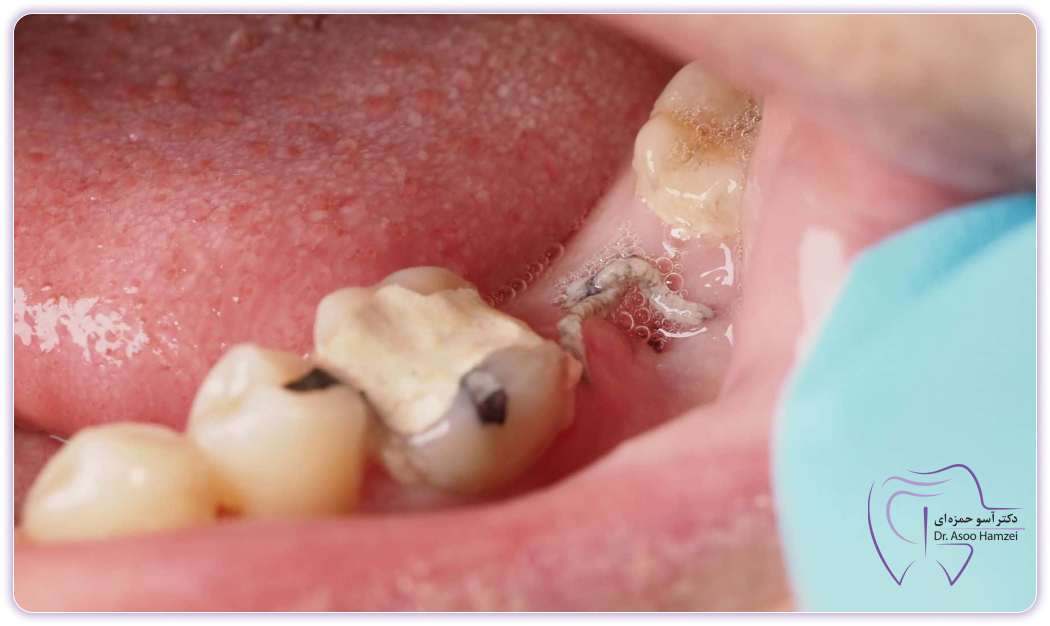
After surgery or wisdom tooth extraction, there is a possibility of infection caused by the penetration of bacteria into the surgical site or the accumulation of food in the remaining cavity. Symptoms of infection after wisdom tooth extraction include severe and persistent pain, abnormal swelling, discharge of yellow or white pus, prolonged bleeding, fever, and difficulty opening the mouth.
Wisdom tooth abscess can be caused by poor oral hygiene, not taking prescribed medications regularly, or vigorous physical activity after surgery. To prevent infection, special care should be taken after surgery, such as rinsing the mouth with salt water, using a cold compress, taking antibiotics, and following hygiene tips.
Frequently Asked Questions
How many days does a wisdom tooth infection last?
Wisdom tooth abscess usually lasts a few days to a week, which depends on the severity of the infection and the treatments performed
Is wisdom tooth abscess dangerous?
Wisdom tooth abscess can be dangerous and if not treated, the infection may spread to other parts of the jaw, neck or even blood and cause more serious problems such as abscess, fever and systemic infection; Therefore, it is necessary to see a dentist for treatment.
Does the removal of an infected wisdom tooth hurt?
Perhaps the process of pulling this tooth model is more painful than usual, because the infection has caused more inflammation and sensitivity in the tooth area. However, the dentist usually controls the pain with local anesthesia and pain medication, and the pain after the extraction usually lasts a few days and subsides with proper care.
Appointment booking form and dental consultationTo book an appointment or consult Dr. Aso Hamzei Dental Center services, you can fill out the form below so that our experts will contact you as soon as possible.





