
مقاله تخصصی
What is bruxism? - Dr. Bahman Pouragadham
3 months ago
770 بازدید

Dr. Bahman Pouragadham
TehranSurgeon - dentist
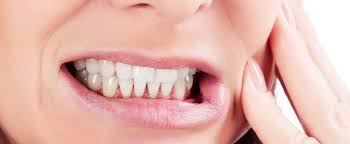
What is bruxism?
Bruxism is a condition in which you grind, clench, or clench your teeth. If you have bruxism, you may unconsciously grind your teeth while awake or during sleep. Sleep bruxism is a movement disorder related to sleep. People who bruxism during sleep may also have other sleep disorders, such as snoring and pauses in breathing. Mild bruxism may not require treatment. However, in some people, bruxism can become severe enough to lead to jaw disorders, headaches, damaged teeth, and other problems. Since you may have sleep bruxism and you will not notice the disease until its complications become severe, you should know its signs and symptoms and visit the dentist regularly.Symptomsbruxism
Signs and symptoms of teeth grinding may include the following:- grinding teeth or grinding teeth loudly; so that it wakes up your wife.
- Flat, broken, cracked or loose teeth.
- Abraded tooth enamel covers the deeper layers of the tooth
- Increased toothache or sensitivity
- Tired jaw muscles, or a locked jaw that does not fully open or close.
- jaw, neck or face pain.
- pain similar to earache; In fact, there is no problem with the ear.
- Tiring headache that starts in the temple.
- Damage caused by grinding teeth inside your cheeks.
- Sleep disorder
When to see a doctor
If you have the above symptoms or have concerns about your teeth or jaw, see your dentist or doctor. If you notice your child grinding their teeth — or other signs or symptoms of bruxism — tell your child's doctor at their dental appointment.The cause of bruxism
Doctors do not fully understand what causes teeth grinding, but it may be due to a combination of physical, psychological and genetic factors. Awake bruxism may be caused by anxiety, stress, anger, frustration, or tension. Or it may be a coping strategy or a habit during deep concentration.Sleep bruxism is teeth grinding activity in sleep with arousal.
risk factors
These factors increase the risk of bruxism: Stress: Increased anxiety or stress can lead to teeth grinding. Anger and frustration can also lead to teeth grinding. Age: Grinding teeth is more common in children but usually resolves in adulthood. Type of personality: Aggressive, competitive and hyperactive personality increases the risk of bruxism. Medications and Other Substances: Teeth grinding may be an uncommon side effect of psychiatric medications such as antidepressants. Smoking, caffeinated beverages or alcohol, and recreational drug use may increase the risk of teeth grinding. Family members with bruxism: Sleep bruxism runs in the family. Bruxism may be a hereditary problem. Other disorders: Bruxism can be associated with some mental disorders and medical disorders such as Parkinson's disease, dementia, gastroesophageal reflux disorder, epilepsy, sleep-related disorders such as sleep apnea and attention deficit/hyperactivity disorder.Side effects
In most cases, teeth grinding does not cause serious complications. But severe bruxism may lead to:- Damage to teeth, crowns or jaw
- Tension headache
- Severe facial or jaw pain
- Disorders that occur in the temporomandibular joint, just in front of the ears, which may feel like clicking when opening and closing the mouth.
Diagnosis of bruxism
During a routine dental exam, the dentist will check for signs of teeth grinding. Evaluation: If you have symptoms, your dentist will check your teeth and mouth to see if the disease is progressing or if you need treatment. Determine the cause: If the dentist suspects that you have bruxism, he will try to determine the cause by asking questions about your general health, medications, daily habits, and sleep habits. To assess the amount of teeth grinding, the dentist may check the following:- Sensitivity in jaw muscles.
- Specific dental disorders, such as broken or fallen teeth.
- Other injuries to your teeth, underlying bones and inside cheeks, with the help of x-rays.
Treatment of bruxism
In many cases, treatment is not necessary. In many children, teeth grinding goes away without treatment, and many adults do not grind teeth very badly. For this reason, they do not need treatment. However, if the problem is severe, treatment options include dental procedures, treatments, and medications to prevent further damage to the tooth and relieve jaw pain or discomfort. Talk to your dentist or doctor to see which option is right for you.Dental procedures
If you or your child has bruxism, your doctor may suggest ways to maintain or improve your teeth. Although these methods can straighten the teeth or remove wear, they do not prevent teeth grinding: Mouth guard. These guards are designed to keep the teeth apart to prevent damage from crushing and grinding. They can be made of hard or soft acrylic material and fit the upper or lower jaw. Tooth correction. In severe cases when tooth wear causes sensitivity or the inability to chew properly, the dentist may change the surfaces of the teeth or use crowns to repair the damage.Drugs for the treatment of bruxism
In general, medications are not very effective for treating bruxism, and more research is needed to determine their effectiveness. Examples of medications that may be used for bruxism include: Muscle relaxant. In some cases, your doctor may ask you to take this pill shortly before going to bed. Botox injection. Botox injection, a type of botulinum toxin, may help people with severe bruxism that does not respond to other treatments.Anxiety or stress medication. Your doctor may prescribe antidepressants or short-term anti-anxiety medications to help deal with stress and other emotional issues that may be causing your bruxism.
Click to book an appointment online!!!!

1401
Related content...


Treatment of gingivitis with turmeric
Articles
Fix yellow teeth in one day
Articles
Gum darkening after implant
Articles Articles
Gargle with salt water
Articles
Laminate replacement Tooth
ArticlesNo opinion registered



