مقاله تخصصی
What is the cause of blood in stool? 🩸
3 months ago
932 بازدید

Dr. Mohammad Amani
TehranAdult gastroenterology and liver specialist
Study duration 17 minutes
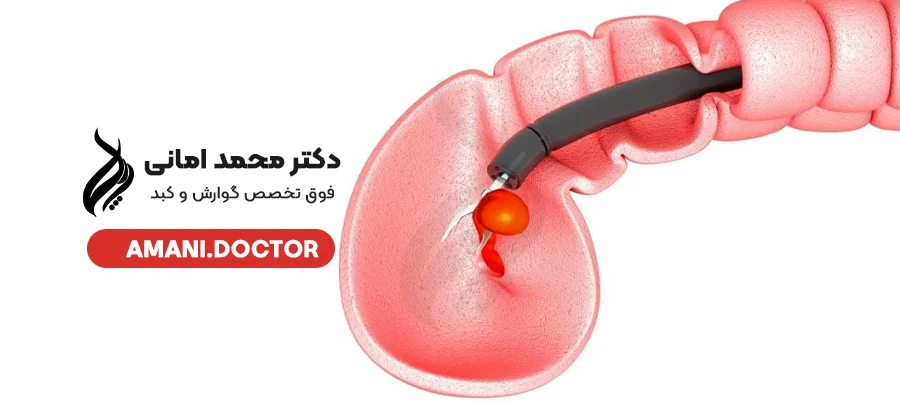
Observation of blood in the stool, whether in the form of light and fresh blood or in the form of dark blood or tarry stool, can be a serious alarm about the health of the digestive system.... This issue is different from simple reasons such as more complicated problems of hemorrhoids or stomach hemorrhoids or more complicated problems of the stomach... Colorectal cancer... However, timely diagnosis and awareness of the causes And the symptoms related to blood in the stool can play an essential role in the effective treatment and prevention of serious problems. In the specialized clinic of Dr. Amani, a gastroenterology and liver specialist, by providing specialized services and using the latest diagnostic and therapeutic methods, efforts are made to identify and treat the digestive problems of patients. It is in the upper parts such as the stomach or duodenum... Seeing bloody stools should not be ignored, even if there is no pain or other symptoms of blood that need to be investigated... the stools, it is necessary to see a specialist doctor to diagnose the cause and perform tests... Early diagnosis and timely treatment can prevent serious complications... Causes of blood in stools
The presence of blood in the stool can indicate various problems in the digestive system... Among the common causes of this condition are diseases such as **hemorrhoids** and *anal fissures**... Hemorrhoids are caused by inflammation and swelling of the veins of the anus and are usually accompanied by bright red blood during defecation... Anal fissures also occur due to tearing of the skin around the anus, and in addition to bleeding, pain may cause it to disappear. ... Other common causes include inflammatory bowel diseases (IBD), such as ulcerative colitis and Crohn's disease, as well as bacterial or parasitic infections that lead to inflammation of the intestinal wall, including colorectal and more pigmented diseases in the blood.. gastric or duodenal ulcers and diverticulitis.. Colorectal cancer may occur in the early stages. Peptic ulcers usually lead to internal bleeding and make the stool black and tarry.. Also, diverticulitis, which is the inflammation of the wall of the colon...intestine), can lead to bleeding in the digestive tract... (such as constipation or diarrhea), fatigue, unexplained weight loss, or even fever... Seeing blood in the stool should not be ignored, especially if this symptom is accompanied by other problems... Visiting a gastroenterologist, such as Dr. Amani, is necessary for more serious prevention, early diagnosis and treatment of this problem. **Causes of blood in stool:**
- Hemorrhoid (hemorrhoids)
- Anal fissure
- Inflammatory bowel disease (IBD)
- Bacterial or parasitic infections
**More serious causes of blood in stool:**
Colorectal cancer
- Stomach or duodenal ulcer
- Diverticulitis
Symptoms of blood in stool:
- Abdominal or anal pain
- Change in bowel habits (constipation or diarrhea)
- Fatigue
Unreasonable weight loss
- Fever
### Hemorrhoid (hemorrhoids)
Hemorrhoids is one of the most common causes of blood in the stool and is caused by the swelling and inflammation of the anal veins... This problem usually causes bright red bleeding during defecation that may be seen on the stool or on the toilet paper. Hemorrhoids can be due to chronic constipation, straining during bowel movements or pregnancy. It is treated.. ### Inflammatory bowel disease (IBD)
Inflammatory bowel disease includes the two main types of Crohn's disease and ulcerative colitis, which cause inflammation of the intestinal wall. These diseases are usually accompanied by bloody diarrhea, abdominal pain, weight loss, and weakness. Although they cannot be definitively cured, the symptoms can be controlled with medication.
Infections caused by bacteria, viruses, or parasites can cause intestinal inflammation and bleeding. These infections are often accompanied by symptoms such as diarrhea, fever, and nausea. Maintaining hygiene and avoiding contaminated food can prevent this problem. ### Stomach or duodenal ulcer
Gastric or duodenal ulcers are usually caused by infection with Helicobacter pylori or the use of nonsteroidal anti-inflammatory drugs. Bleeding from these ulcers causes dark, tar-colored stools. Treatment includes drugs that reduce stomach acid and antibiotics.
### Colorectal cancer
Colorectal cancer is one of the most serious causes of blood in the stool, which may appear in the early stages without pain or other symptoms. The bleeding of this cancer is usually dark and is accompanied by changes in bowel habits such as constipation or diarrhea. Early diagnosis of this disease through colonoscopy is very important. ### Diverticulitis
Diverticulitis refers to the inflammation or infection of small pouches (diverticules) in the wall of the large intestine. This disease can cause mild bleeding and sometimes abdominal pain. The treatment includes antibiotics and in severe cases, surgery. The diagnosis of the presence of blood in the stool usually begins with a **physical examination of the anus or surface problems of the rectal canal. **sigmoidoscopy** is performed... do.. To detect occult bleeding that is not visible to the eye, special tests are used, such as **faecal occult blood test (FOBT)** or **immunocomplex tests to detect the presence of immunological samples of blood**.. Doctors help determine the exact cause of bleeding and appropriate treatment .... types of blood in stool
The presence of blood in the stool can appear in different forms, each of which indicates a specific area of the digestive system that has suffered bleeding. The color, consistency and appearance of blood in the stool provide important information to diagnose the main cause of the bleeding. The types of blood in the stool are as follows:
- **Melna (black and tarry feces):**
This type of bleeding usually occurs due to problems of the upper gastrointestinal tract such as gastric or duodenal ulcers.
Bleeding from the lower digestive tract such as the colon or anus causes fresh, bright red blood. This type of bleeding is often due to hemorrhoids or anal fissures. - **Microscopic blood:**
This type of bleeding is not visible to the eye and can only be detected through a stool test. Occult blood may be caused by more serious problems such as colorectal cancer or inflammatory bowel disease. Bright blood in the stool usually indicates bleeding from the lower part of the digestive tract, such as the rectum or anus.. This type of blood is fresh and bright red and is often seen on stools or toilet paper.. - **hemorrhoids (hemorrhoids):**
One of the common reasons for bright blood in the stool is the swelling and inflammation of the veins in the anus area... Bleeding caused by hemorrhoids is usually painless and can be seen during defecation... - **Anal fissure:**
Tearing of the skin around the anus due to high pressure during defecation (such as constipation)... This problem is usually accompanied by pain and burning... - **Digestive infections:**
Some bacterial or parasitic infections can irritate the walls of the large intestine and cause mild bleeding.... - **Intestinal polyps:**
Small and benign polyps that may bleed and are sometimes associated with colorectal cancer. High pressure during defecation can cause damage to the veins in the anal area and severe bleeding. is ten.. After digestion in the digestive tract, this blood turns dark or dark in color and is called melena.. Common causes of this problem are:
- ** Stomach or duodenal ulcer (gastric ulcer):**
Ulcers created in the wall of the stomach or duodenum can lead to internal bleeding that appears as black and tar-like stool.... - **Gastritis:**
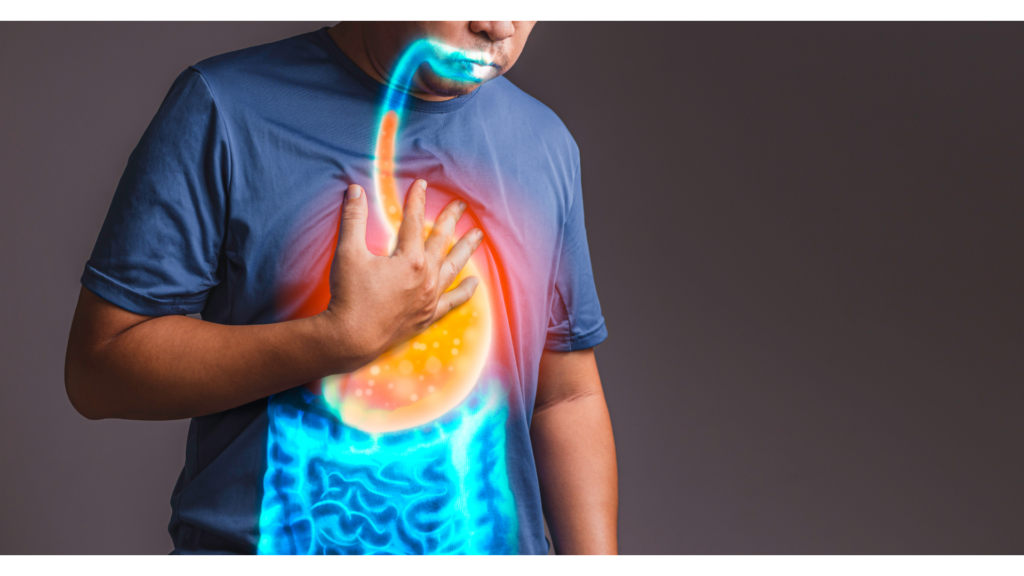
Inflammation of the gastric mucosa, caused by Helicobacter pylori infection, excessive use of non-steroidal anti-inflammatory drugs or alcohol, can cause stomach bleeding and dark stools... - **Esophageal varices:**
Enlargement of the veins of the esophageal wall, caused by high pressure in the abdominal veins, may bleed and darken the stool... Cancerous tumors in the upper parts of the digestive tract can cause internal bleeding and darken the stool... - **Using drugs or supplements:**
Taking iron supplements or certain medications, such as bismuth (in Pepto-Bismol), can cause black stools, which is different from bleeding.
If you notice dark stools, especially if it is accompanied by symptoms such as abdominal pain, nausea, vomiting blood, or fatigue, it is important to see a doctor quickly for accurate diagnosis and treatment of the need for blood. Diagnosis... For common cases such as **hemorrhoids** or **anal fissures, treatment usually includes a change in diet with increased fiber and fluid intake, the use of laxatives to prevent constipation, and topical ointments to reduce inflammation and pain.. In advanced cases, less invasive methods such as tying off the hemorrhoids with a rubber band or antibiotics are also needed for the infection... or anthelmintic drugs are used.... For more serious problems such as **gastric or duodenal ulcers**, treatment includes the use of stomach acid-reducing drugs such as omeprazole and antibiotics to eliminate the Helicobacter pylori infection.... If blood in the stool is due to cancer ** If it is colorectal**, surgical radiotherapy procedures are performed to remove the tumor or the tumor stage. Inflammatory bowel diseases (IBD) are also treated with anti-inflammatory drugs or in more severe cases with surgery. In addition to specialized treatments, following general recommendations such as a healthy and high-fiber diet, drinking enough fluids and avoiding drugs harmful to the digestive system play an important role in preventing and reducing the severity of symptoms. Proper treatment is necessary, especially if blood in the stool is accompanied by symptoms such as weight loss, abdominal pain, or fatigue... What is the symptom of painless stool? As we mentioned in an article about blood in painless stool, the presence of blood in painless stool can be a sign of various problems of the digestive system that may not cause severe symptoms but require careful investigation. Roshan ** is associated with.. **colorectal cancer**.... Polyps may remain asymptomatic but cause bleeding that worsens over time.... Also, **diverticulitis** or inflammation of diverticula pouches in the wall of the large intestine can lead to painless bleeding.... This type of bleeding is usually seen as bright blood.... Observing blood in the stool without pain may be a sign of a serious disease. A gastroenterologist like Dr. Amani is necessary for a detailed examination and diagnosis of the cause of the bleeding. Early diagnosis and proper treatment can prevent the progression of the disease and serious complications.
The presence of blood in the stool of babies can have many reasons, some of which are relatively harmless, while others require immediate medical attention.. One of the most common causes is **anal fissure**, which is caused by constipation or hardening of the stool, and bright red blood is seen in the stool.... This problem is usually solved by softening the bloody stool as a new stool.. be accompanied by diarrhea or symptoms of digestive upset.... Removing dairy products from the mother's diet (if breastfeeding) or changing the type of formula usually helps to improve the symptoms... Diagnosis is the main cause.... Timely diagnosis and treatment can prevent more serious problems.... When should we see a doctor for blood in the stool?... Seeing blood in the stool in some cases may be temporary and harmless.. Along with **severe abdominal or rectal pain**, **high fever** or **unexplained weight loss**, you should see a doctor immediately.. these symptoms may indicate a serious problem such as a severe infection, inflammatory bowel disease or even colorectal cancer... if it occurs continuously or in large amounts, especially if it is accompanied by other symptoms such as **tiredness and fatigue**.. (such as constipation or prolonged diarrhea)** this requires a specialist investigation.. continuous bleeding may lead to anemia and general weakness of the body... also if bleeding with **dark and tarry colored stools** or **large blood clots** are accompanied, it can be a sign of bleeding that needs to be evaluated in the upper stomach canal.. A gastroenterologist like Dr. Amani is necessary to diagnose the cause of bleeding and proper treatment.... Timely diagnosis can prevent serious complications.... Is the amount of blood in the stool dangerous?... The amount of blood in the stool itself is not an accurate indicator of the dangerousness of the problem, but **the location of the bleeding, its duration and symptoms Companion ** is decisive.... The presence of a small amount of bright red blood may be due to problems such as **hemorrhoids** or **anal fissure** and should usually be checked with these conditions.
If the bleeding is observed continuously or in large amounts, or if the stool is **dark and tarry**, it may indicate bleeding from the upper part of the digestive tract, such as the stomach or duodenum.... In such cases, even a small amount of blood can indicate more serious problems such as **gastric ulcer**, **inflammatory bowel intervention**, the need for rapid intestinal bleeding, or.... accompanied by **severe weakness**, **dizziness**, **impossible weight loss Explanation**, or **long-term change in bowel habits** should be considered as a dangerous disease and requires immediate medical attention.. In this situation, timely diagnosis and treatment can prevent serious complications.. Colorectal ulcer or cancer... Knowing the causes, accompanying symptoms and the type of bleeding in the stool can help make an accurate and timely diagnosis.. Although some cases may be temporary and harmless, if they recur or are accompanied by symptoms such as pain, weight loss or changes in Bowel habits, you should see a doctor.. If you are concerned about the presence of blood in your stool or have symptoms related to it, it is very important to see a specialist for a thorough examination and appropriate treatment.... Early diagnosis can play an important role in preventing serious problems and improving your quality of life. In the stool, it is a hemorrhoid or anal fissure, which is usually caused by constipation or straining...
### 3.... Can the presence of blood in the stool be a serious sign?... Yes, in some cases, the presence of blood in the stool may indicate more serious problems such as colon cancer, inflammatory bowel disease or stomach ulcer...
### 4.... How does the presence of blood in the stool Diagnose the stool?.. The doctor may diagnose the cause using a physical examination, colonoscopy, stool test or other tests....
### 5.... Does stress cause blood in the stool?... Stress does not directly cause blood in the stool, but it can aggravate digestive problems and contribute to related factors such as stomach ulcers.. Is it dangerous?... Depending on the cause, blood in the stool can be harmless or indicate a serious problem that needs immediate attention....
### 7.... Can diet cause blood in the stool?... Yes, a low-fiber diet can cause constipation and hemorrhoids or anal fissures that lead to bleeding....
### 8.... What is bright red blood?. Bright red blood is usually due to bleeding in the lower parts of the digestive tract, such as hemorrhoids or anal fissures. Dark or tarry stools usually indicate bleeding in the upper part of the digestive tract, such as the stomach or small intestine. Constipation can reduce the risk of blood in stool.
diet, medicine or surgery in severe cases...